Are human teachers becoming obsolete? EdTech CEO explain how AI could change the way of teaching

&imwidth=600&imheight=450&format=webp&quality=medium "Are human teachers becoming obsolete? EdTech CEO explain how AI could change the way of teaching")
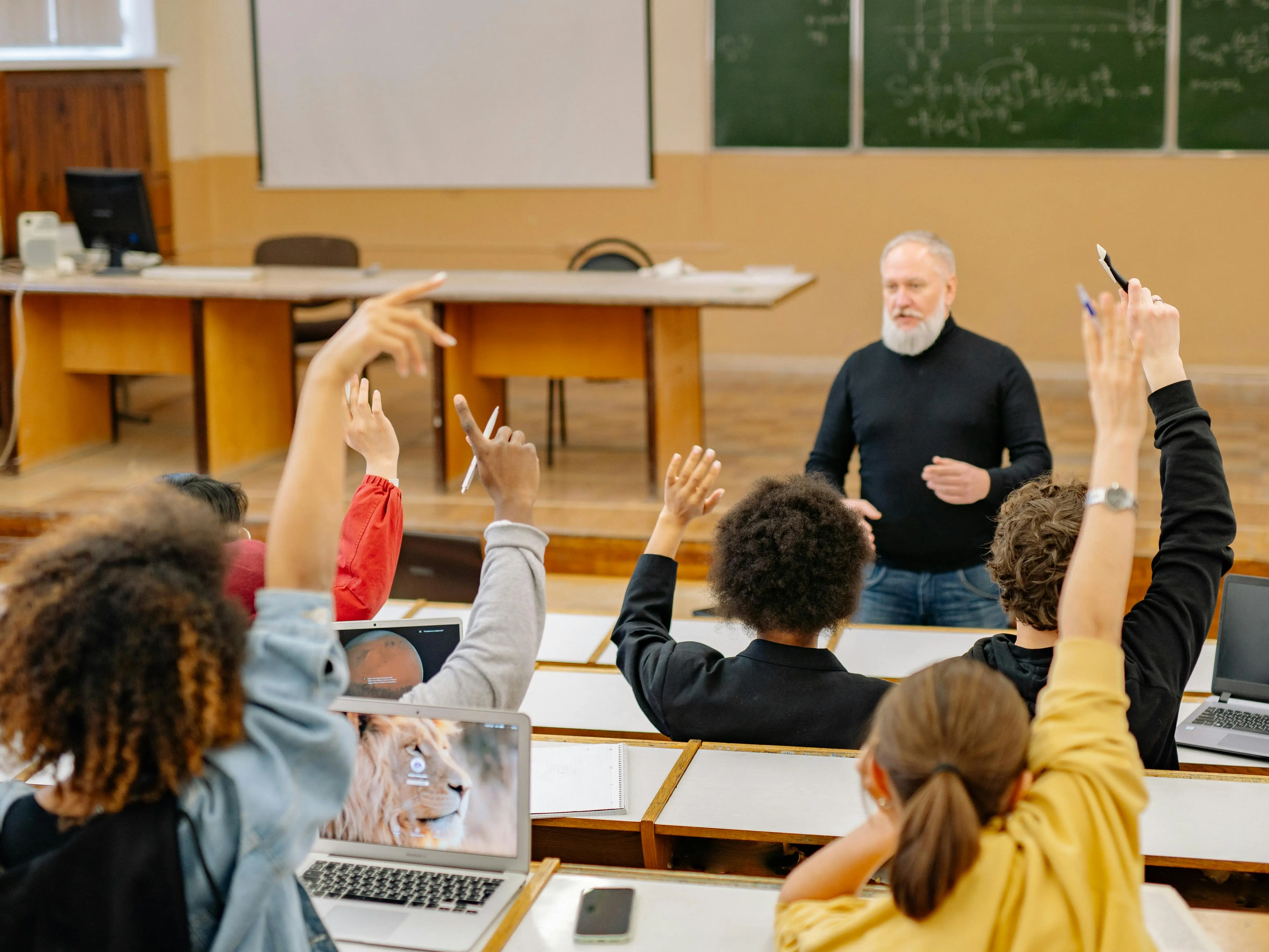
Are human teachers becoming obsolete? EdTech CEO explain how AI could change the way of teaching Photograph: (Pexels)
As AI tools flood classrooms, many fear for the future of teaching. But one industry leader argues this isn't the end of an era, but the beginning of a crucial shift.
A new anxiety is settling into schools worldwide. With AI tools now capable of writing essays, solving complex math problems, and delivering lessons, a pressing question has emerged: Are human teachers becoming obsolete?
"Not at all," said Ravi Bhushan, Founder & CEO of BrightCHAMPS. In a recent interaction with WION, the head of the global education platform argued that the rise of AI simply “marks a shift in the role of the educator.”
Bhushan contended that the age of AI signals the end of one kind of teaching and the urgent beginning of another. "Teachers are and will increasingly go from being deliverers of information to facilitators of higher-order thinking," he said.
The Human Edge in an AI World
As the founder of BrightCHAMPS, a platform dedicated to building next-generation skills in children, Bhushan had a frontline view of this technological shift. He was quick to differentiate what AI can and cannot do.
Bhushan explained that AI is revolutionary for personalising education. Intelligent Tutoring Systems can "accelerate learning speed, depth, and outcomes" and make one-on-one learning scalable in a way that was "prohibitively out of the reach" for many. AI can "shorten the feedback loop" and adapt to a student's individual pace.
Trending Stories
&imwidth=280&imheight=210&format=webp&quality=medium)
&imwidth=280&imheight=210&format=webp&quality=medium)
&imwidth=280&imheight=210&format=webp&quality=medium)
&imwidth=280&imheight=210&format=webp&quality=medium)
&imwidth=280&imheight=210&format=webp&quality=medium)
&imwidth=280&imheight=210&format=webp&quality=medium)
&imwidth=280&imheight=210&format=webp&quality=medium)
&imwidth=280&imheight=210&format=webp&quality=medium)
&imwidth=280&imheight=210&format=webp&quality=medium)
&imwidth=280&imheight=210&format=webp&quality=medium)
&imwidth=280&imheight=210&format=webp&quality=medium)
&imwidth=280&imheight=210&format=webp&quality=medium)
&imwidth=280&imheight=210&format=webp&quality=medium)
&imwidth=280&imheight=210&format=webp&quality=medium)
&imwidth=280&imheight=210&format=webp&quality=medium)
&imwidth=280&imheight=210&format=webp&quality=medium)
&imwidth=280&imheight=210&format=webp&quality=medium)
&imwidth=280&imheight=210&format=webp&quality=medium)
&imwidth=280&imheight=210&format=webp&quality=medium)
&imwidth=280&imheight=210&format=webp&quality=medium)
&imwidth=280&imheight=210&format=webp&quality=medium)
&imwidth=280&imheight=210&format=webp&quality=medium)
&imwidth=280&imheight=210&format=webp&quality=medium)
&imwidth=280&imheight=210&format=webp&quality=medium)
&imwidth=280&imheight=210&format=webp&quality=medium)
&imwidth=280&imheight=210&format=webp&quality=medium)
&imwidth=280&imheight=210&format=webp&quality=medium)
&imwidth=280&imheight=210&format=webp&quality=medium)
&imwidth=280&imheight=210&format=webp&quality=medium)
&imwidth=280&imheight=210&format=webp&quality=medium)
&imwidth=280&imheight=210&format=webp&quality=medium)
&imwidth=280&imheight=210&format=webp&quality=medium)
&imwidth=280&imheight=210&format=webp&quality=medium)
&imwidth=280&imheight=210&format=webp&quality=medium)
&im=FitAndFill=(700,400)&imwidth=280&imheight=210&format=webp&quality=medium)
&imwidth=280&imheight=210&format=webp&quality=medium)
&imwidth=280&imheight=210&format=webp&quality=medium)
&imwidth=280&imheight=210&format=webp&quality=medium)
&imwidth=280&imheight=210&format=webp&quality=medium)
"But what it cannot do, is replicate the emotional and ethical guidance, and sense of connection that only human teachers can foster with their students,” Bhushan added.
He argued that learning is not just about data transfer. When a human teacher is involved, students “develop their EQ along with their IQ”. Unlike an algorithm, a person “can also read non-verbal cues and body language”, tailoring their approach to a child's social and emotional needs. This is a "richer experience" that AI simply "cannot duplicate."
Bridging the Gap Between Digital and Human Skills
With the World Economic Forum highlighting an increasing demand for "human skills" like empathy, creativity, and critical thinking, the teacher's new role becomes clear. However, Bhushan offered a "simple, but unpalatable answer" for how teachers can bridge this gap: "they need to stop fearing tech themselves, first."
He called on educators to move past "sweeping generalisations and fear-mongering" and instead model curiosity and critical thinking for their students. "Digital learning is an inevitability for Gen Alpha and beyond," Bhushan said. "To deny this fact is to deliberately hold students back."
Beyond "How to Use" AI: Teaching “How it Works”
The most critical task for modern teachers, Bhushan noted, is to ensure children learn to use technology responsibly and ethically, not just technically. The key is "ensuring that we teach them the how behind the what behind AI and tech."
He provided powerful examples:
On Social Media: "We can tell them that social media... are designed to turn them into unthinking consumers... or we can show them how these platforms are optimised to keep them spending more and more time online by reinforcing thought patterns..."
On AI Bias: "We can keep harping about how privileged they are, or we can show them that so much of the world is unrepresented on the internet by showing them the creator-driven biases and hallucinations in AI due to data sets that ignore... the historically marginalised."
On Research: "We can tell them that they should research well, or we can show them how over-relying on one source of information often leads to wildly inaccurate assumptions."
According to him, this is the new work of teaching. It's not about fearing AI, but about dissecting it. "We can teach children to use tech responsibly by... teaching them a combination of how the technology works + the flaws and work in progress nature of the technology," Bhushan concluded. “We can only fix the ethical gaps... if we first honestly acknowledge that they exist!”
