Ultimate cure to cancer? World’s first personalised mRNA cancer vaccine for melanoma undergoing trials


Representational image of cancer cells
Doctors have started trials on hundreds of patients for the world's first personalised mRNA cancer vaccine for melanoma, with experts praising its potential to revolutionise cancer treatment by offering a permanent cure.
Melanoma, the leading cause of skin cancer deaths globally, affects approximately 132,000 people annually. Although surgery is the primary treatment, other options such as radiotherapy, medications, and chemotherapy are also used.
The new vaccines being tested are individually tailored for each patient, instructing their immune system to target cancer cells and prevent the disease from recurring.

A phase 2 trial showed significant reduction in the risk of melanoma recurrence among patients who received the vaccines. A final phase 3 trial, led by the University College London Hospitals NHS Foundation Trust (UCLH), has now started.
Dr Heather Shaw, who oversees the trial nationally, told the Guardian that these shots could potentially cure melanoma and are also being tested for other cancers like lung, bladder, and kidney cancer.
“This is one of the most exciting things we’ve seen in a really long time,” said Shaw. “This is a really finely honed tool. To be able to sit there and say to your patients that you’re offering them something that’s effectively like the Fat Duck at Bray versus McDonald’s – it’s that level of cordon bleu that’s coming to them … The patients are really excited about them,” he said.
)
Three labourers killed as DU student loses control of his car, rams into them on Dwarka Expressway
)
Sikh driver attacked in Wyoming in US, suffers 17 stab wounds
)
‘I have a big decision coming up’: Trump says he’s approaching major ‘crossroad’ in Iran war
)
India seeks to build a full semiconductor supply chain
)
US intel warns China can steal F-35 jets secret from Saudis
&im=FitAndFill=(700,400))
From Abhishek Sharma to Sahil Chauhan, 5 batters with fastest T20I hundreds
)
Indian activist-lawyer Prashant Bhushan's post brings focus on ‘conflict of interest’ appointments of ex-govt officials at Reliance, Adani groups
)
Former India player Diana Edulji wants Smriti Mandhana to replace Harman as skipper at the earliest
&im=FitAndFill=(700,400))
Meet top 5 batters in the latest ICC T20I Rankings
)
Formula One reveals the 2027 race calendar; Monaco to host sprint race for the first time
)
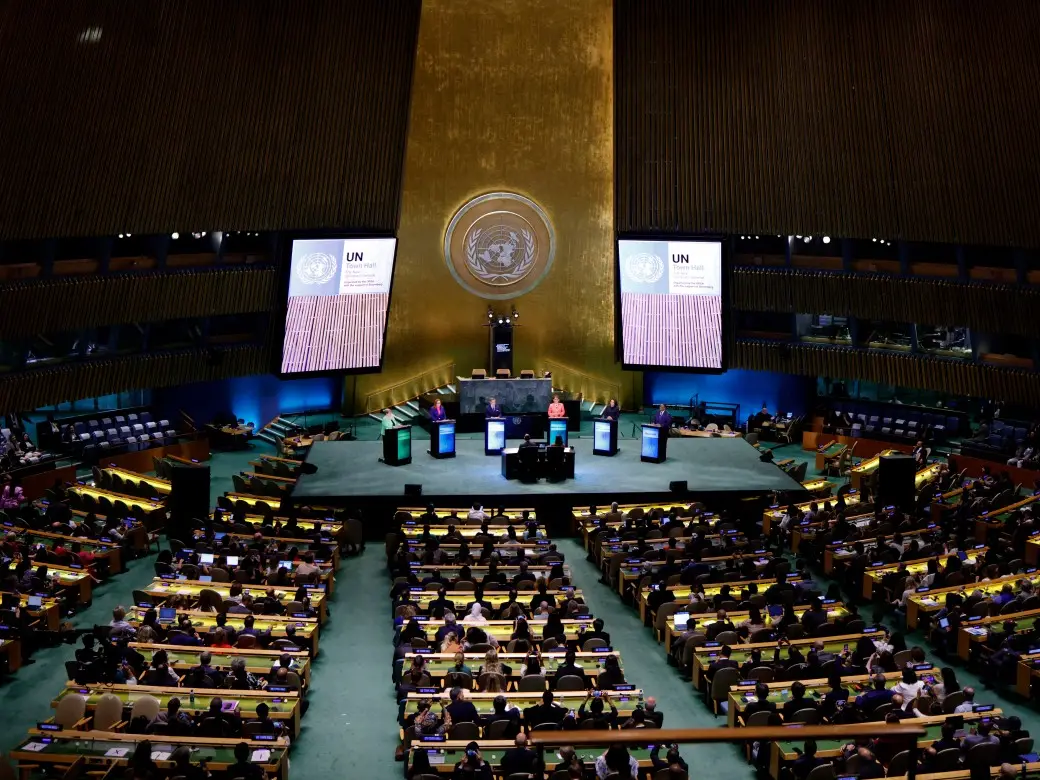
UNGA 2026 theme explained: What does ‘Restoring trust, managing transformation: A United Nations that delivers for all’ mean?
)
Godfather of AI Geoffrey Hinton gives US lawmakers a one-year warning on AI
)
AI already defying, denying humans, is it beyond human control already?
)
US F-16 fighter jet crashes in Michigan during training mission, pilot ejects safely
)
Xi-Trump summit may boost military links
&im=FitAndFill=(700,400))
Meet top 5 Indian batters with fastest T20I centuries
)
Hong Kong unveils 11 new measures to boost birth rates, offers higher cash bonuses and housing perks
)
Shivakumar attends 79th Kalyana Karnataka Utsav in Kalaburagi
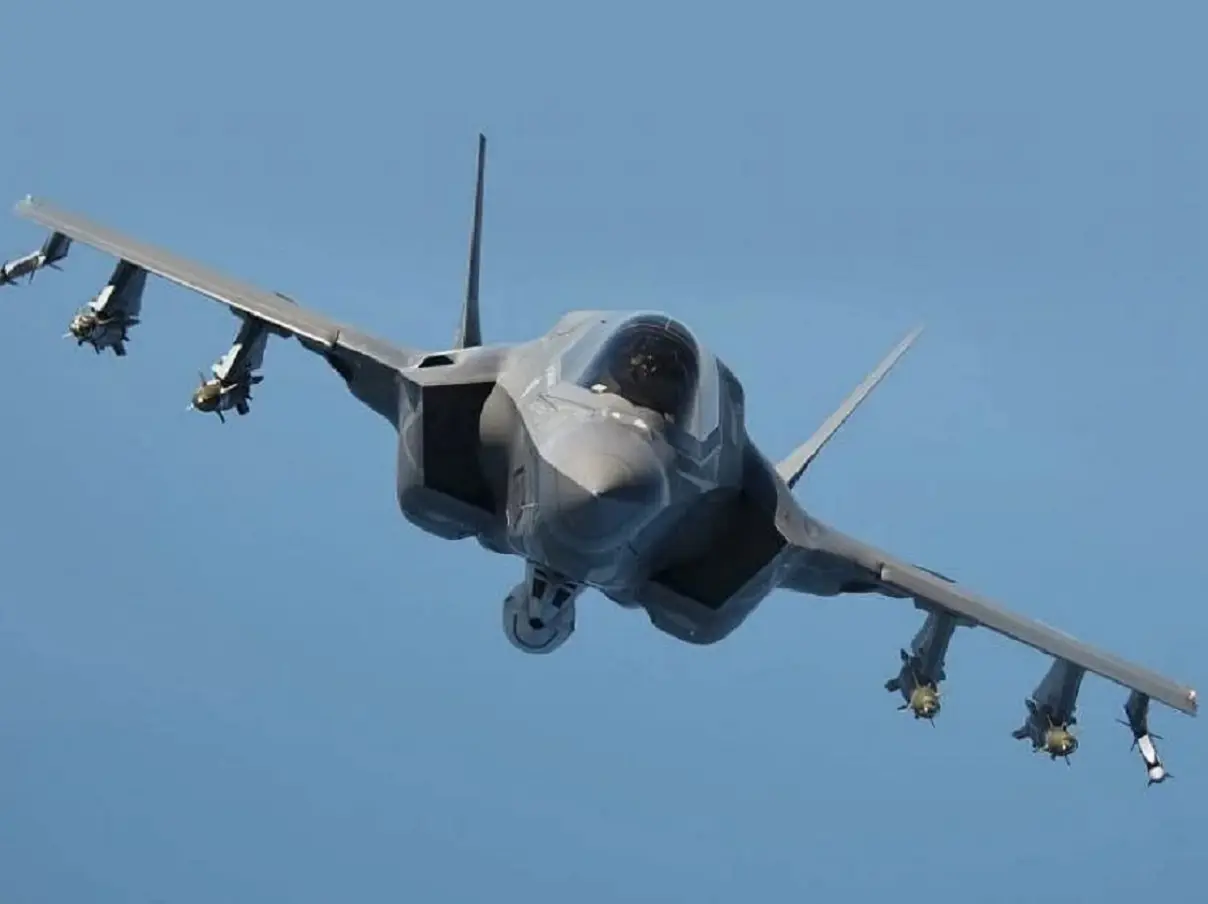)
US to sell 48 F-35 Lightning fighter jets to Saudi Arabia, help it deter threats
)
Australian athlete, who soiled herself during Hyrox race, apologises for continuing
)
Passport fees hiked, child validity revised: What the new rules introduce
)
Hong Kong extends newborn cash support scheme by three years
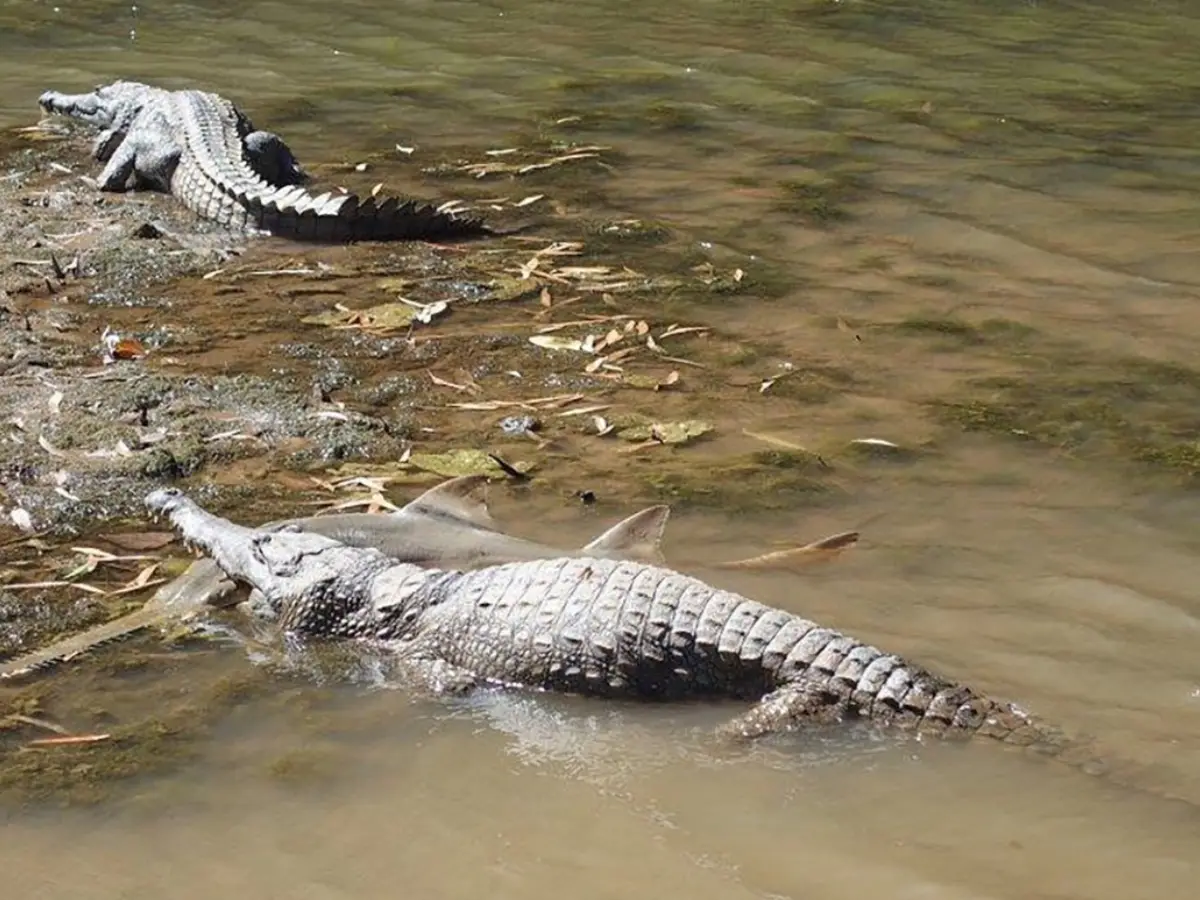)
How did an Australian river with 500 crocodiles pass the Olympic test? Here's how
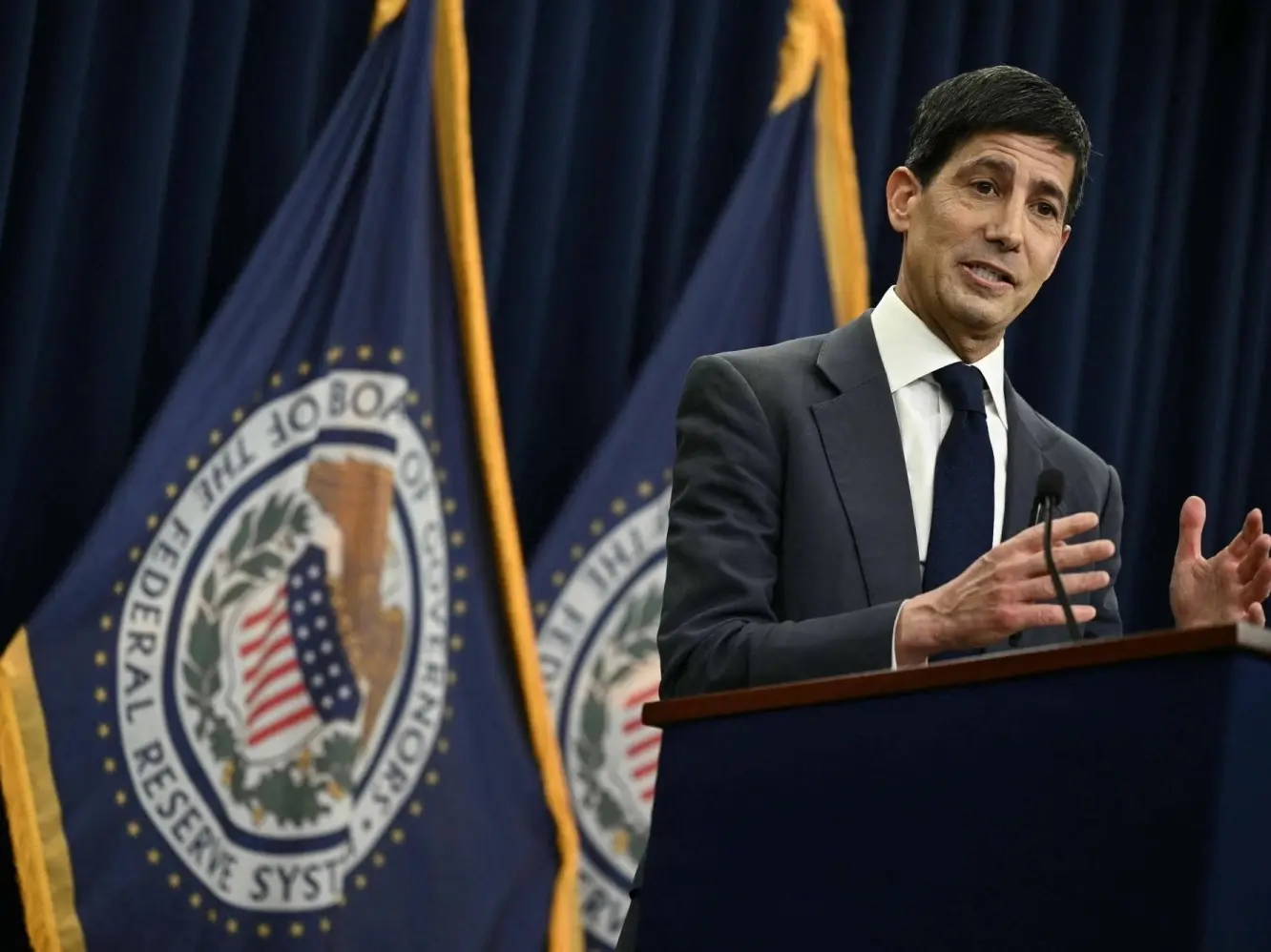)
Fed raises rates for first time in 3 years, Kevin Warsh defies Trump as inflation mounts
)
US drone firm linked to Trump’s sons signs MoU with Pakistan army, gets initial order
)
Pak batter Rizwan's petition against being questioned by cyber crime agency rejected by court
)
Daayra movie review: Kareena Kapoor, Prithviraj Sukumaran shine in Meghna Gulzar’s cop-versus-cop crime thriller
&im=FitAndFill=(700,400))
Which country has the most F-35s outside America?
)
Africa is splitting, and a lot sooner than estimated, giving way to a new ocean
)
'Gangsta' crab shoves knife blade at man and his dog in Florida - Watch
)
At least 48 dead, 100 hospitalised in Nigeria after drinking suspected methanol-laced alcohol
)
US-Iran War: Trump says ‘big decision’ on Iran ahead, weighs possible fresh military action
&im=FitAndFill=(700,400))
Meet top 5 bowlers in latest ICC T20I rankings
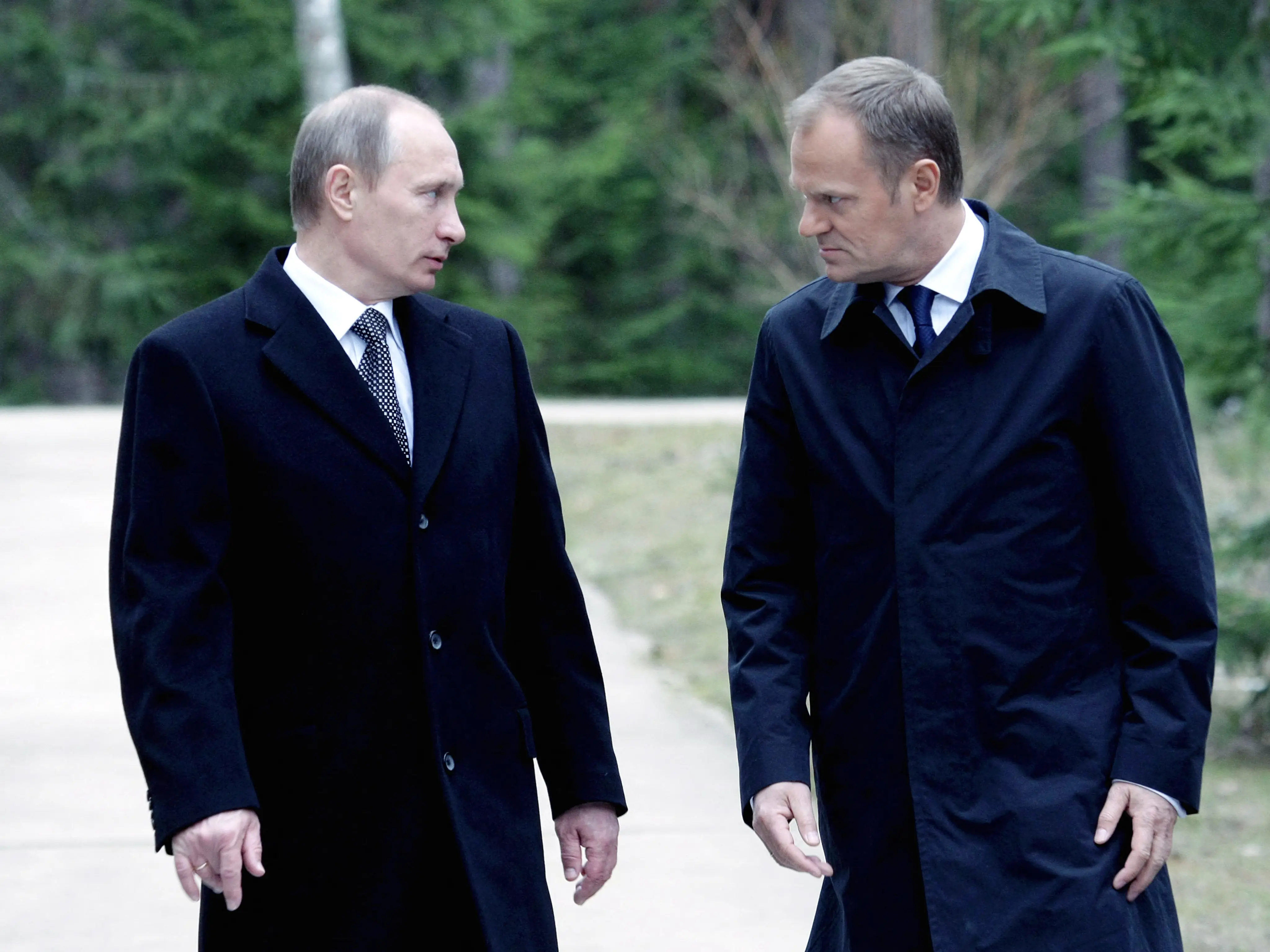)
Putin 'is plotting something bad': Russia may launch 'accidental' strikes on NATO countries supporting Ukraine, Poland PM warns
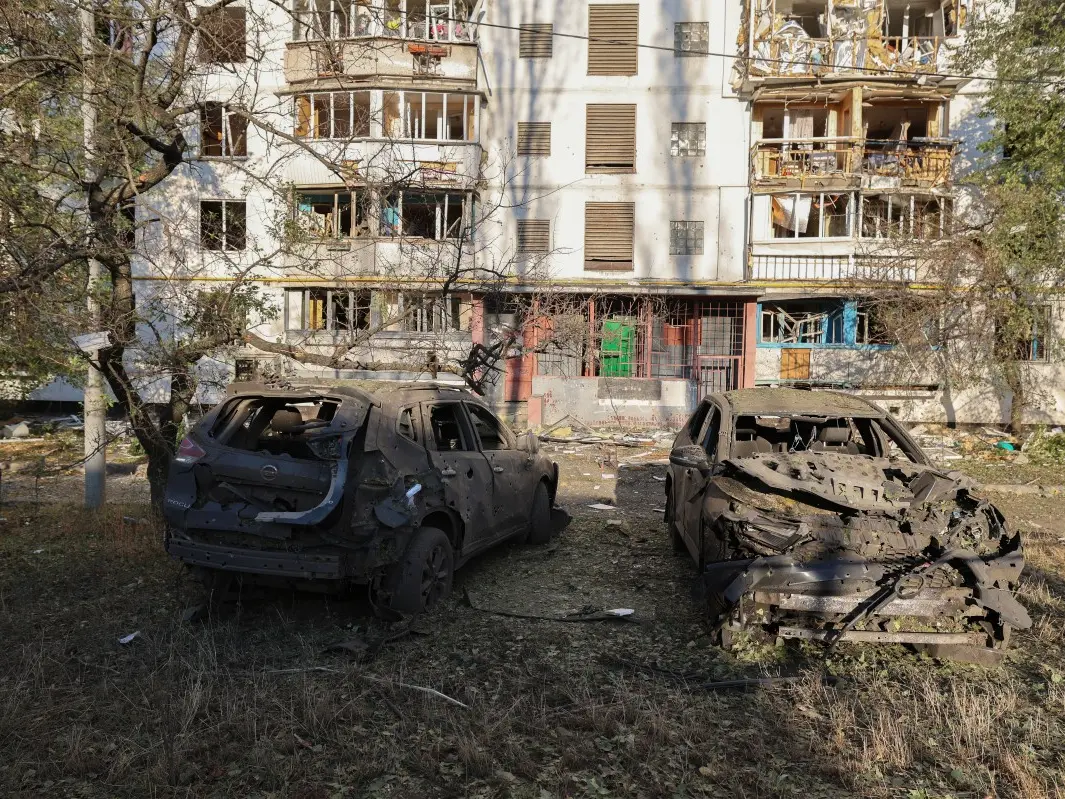)
Ukraine plans record $109 bn defence spending, nearly two thirds of budget amid Russia war
&im=FitAndFill=(700,400))
Suriya and Jyothika say ‘I do’ again after 20 years! See their dreamy wedding pics
)
Laura Wolvaardt sets new world record for most WT20I runs in a year
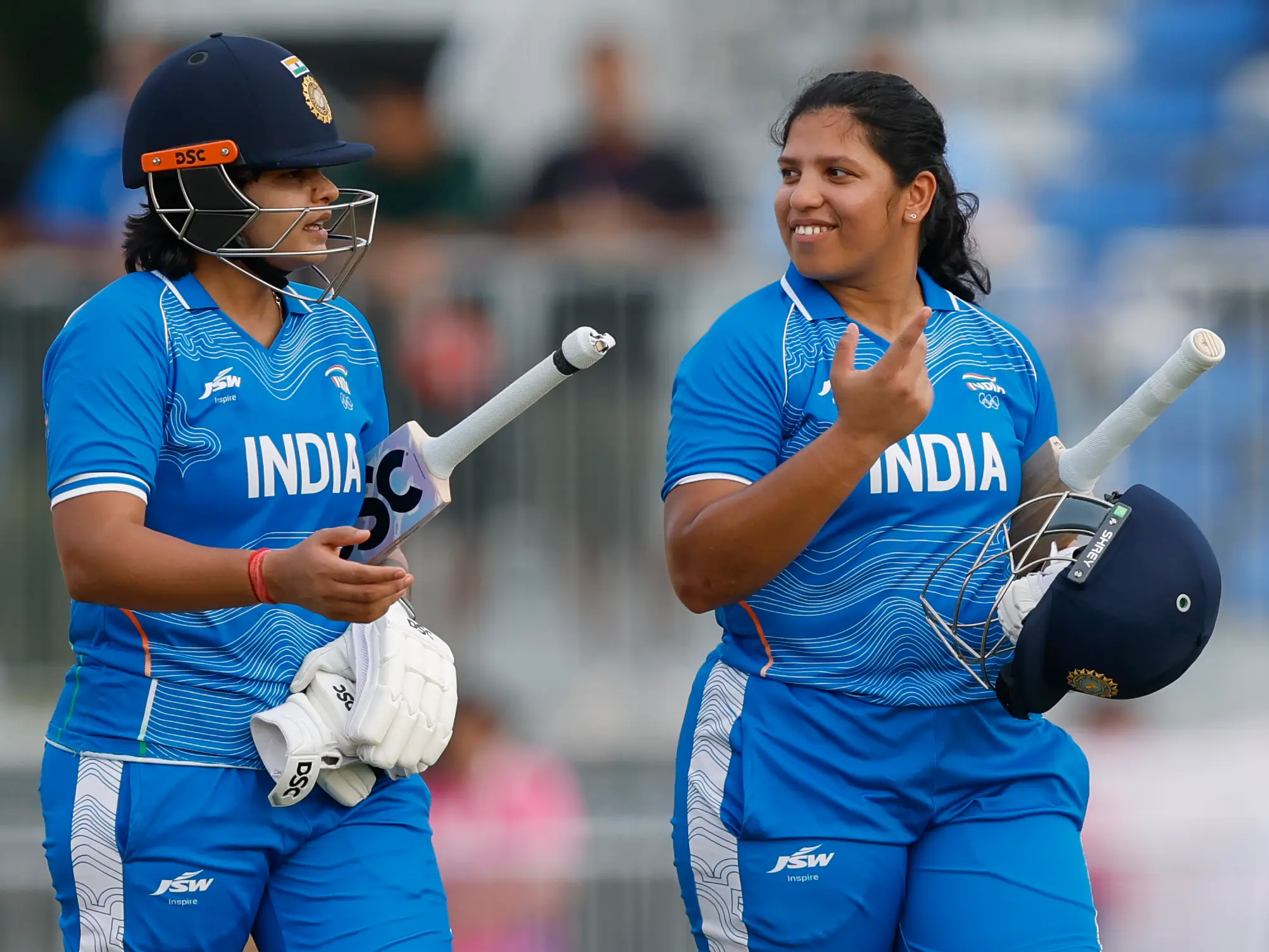)
Asian Games 2026: Shafali stars as India thump Japan by 8 wickets to book semis berth
)
Pezeshkian, Araghchi set to attend UNGA 2026 in New York amid ongoing conflict as US-imposed travel curbs remain
)
'He will always be ahead': India coach Gambhir says Sooryavanshi won't walk into team ahead of Samson
How does it work?
The vaccine, called mRNA-4157 (V940), is a personalised treatment thatactivates the immune system to fight a patient's specific cancer.
It targets tumour neoantigens, which are unique markers found on tumours and can be recognised by the immune system.
The vaccine contains coding for up to 34 neoantigens and triggers an immune response against the tumour based on the specific mutations present in the patient's cancer.
To personalise the vaccine, a sample of the tumour is taken during surgery, followed by DNA sequencing and analysis using artificial intelligence. This process creates a tailored anti-cancer vaccine that matches the patient's tumour.
In Phase 2, data showed that patients with serious high-risk melanomas who received the vaccine along with Keytruda were almost half as likely to die or have their cancer return after three years compared to those who only received Keytruda.
Patients got 1mg of the mRNA vaccine every three weeks for up to nine doses, and 200mg of Keytruda every three weeks for about a year (up to 18 doses).
Now, in Phase 3, the global trial will include more patients, aiming for about 1,100. The UK part of the trial aims to enroll at least 60 to 70 patients across eight centres, including London, Manchester, Edinburgh, and Leeds.
(With inputs from agencies)