Verdict | Leaders of Wales, Scotland and Northern Ireland meet to sign deal

&imwidth=600&imheight=450&format=webp&quality=medium "Verdict | Leaders of Wales, Scotland and Northern Ireland meet to sign deal")
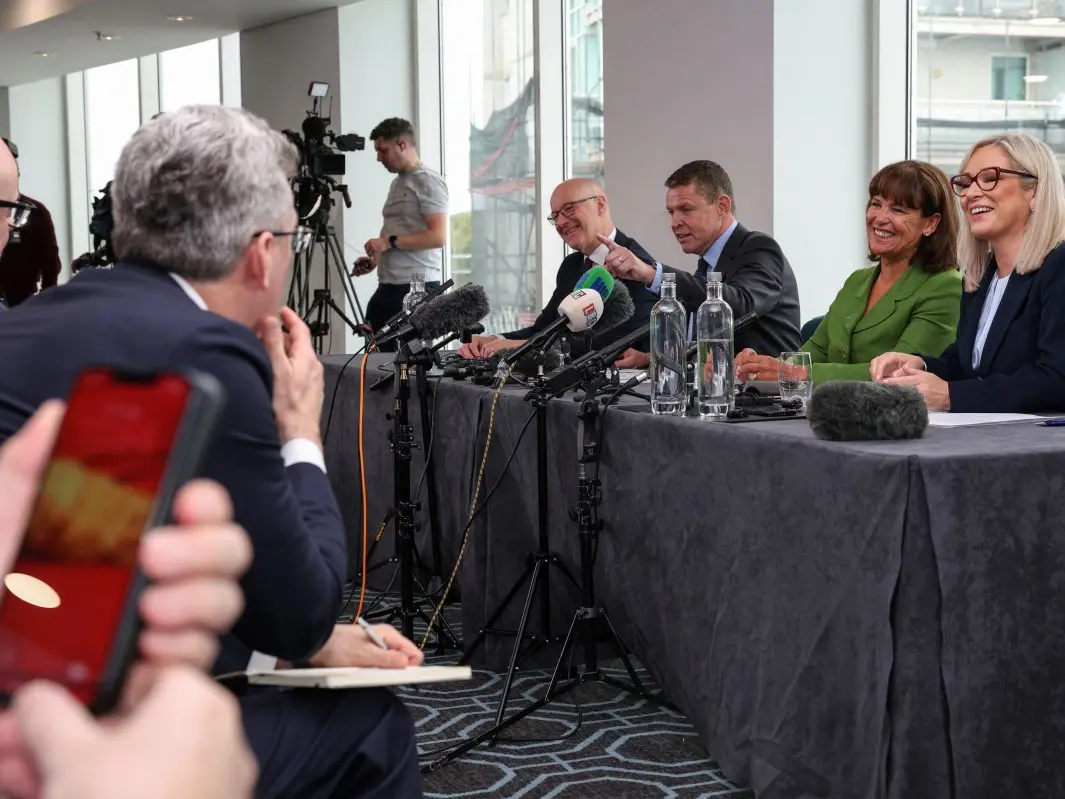
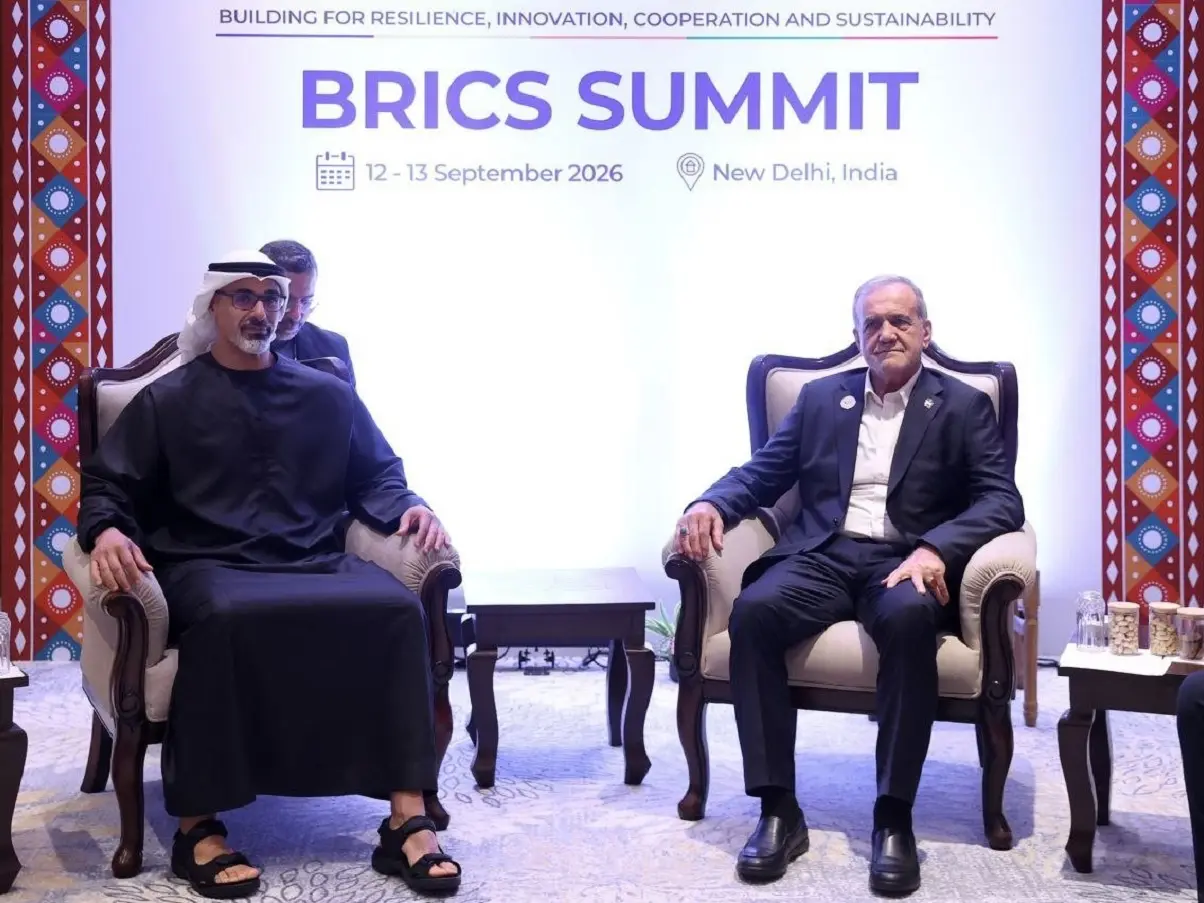
Michelle O'Neill, vice president of Irish Republicans Sinn Fein, Mary Lou McDonald, president of Irish Republicans Sinn Fein, Rhun ap Iorwerth of Plaid Cymru in Wales and Scottish Nationalist Party (SNP) leader John Swinney speak to the media as they attend a meeting in Cardiff, Wales on September 14, 2026, to press for self-determination votes in their territories. Photograph: (AFP)
Scotland, Wales and Northern Ireland are pushing for greater self-determination, raising questions over the future of the United Kingdom and its union.
For the British, who ruled the world for centuries and had a divide-and-rule policy, breaking up countries is not unusual.
Except this time it's theirs.
The leaders of Scotland, Wales and Northern Ireland are meeting to sign a deal which would begin the break-up of the United Kingdom.
So is the sun setting on the British Empire once again?
Well, for centuries, Britain was built around the assumption that London was the centre, while Scotland, Wales and Northern Ireland were parts of one political union. But this was always questioned. And now, it's been done openly.
Even though each of the countries has its own political identities, the constitution still centres power in London.
Trending Stories
)
)
)
)
)
)
)
)
&im=FitAndFill=(700,400))
)
)
)
)
&im=FitAndFill=(700,400))
)
)
)
)
)
)
)
)
)
)
)
)
&im=FitAndFill=(700,400))
)
)
)
)
)
)
)
Let me give you an example: Scotland joined England in 1707, Ireland joined Great Britain in 1801.
Between 1916 and 1922, the Irish War of Independence led most of Ireland to leave the UK, except Northern Ireland.
Another example: in 2014, when a referendum on Scotland's independence was held, 55% of Scottish citizens voted 'yes'. Then, during Brexit, Scotland wanted to remain in the EU, but the UK wanted to exit, and so it happened.
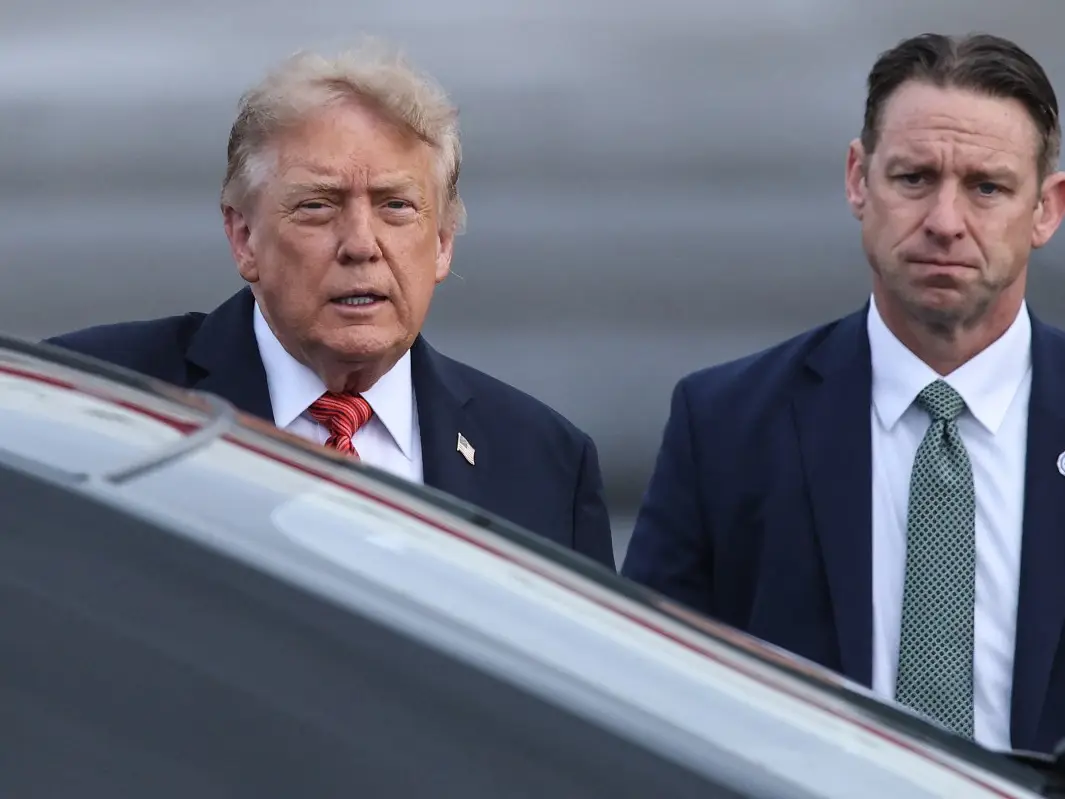
When US President Donald Trump recently said that he would support Northern Ireland breaking away from the UK, Prime Minister Andy Burnham wouldn't have known that he would have to talk about holding a border referendum. We'll have to see how that goes.
Britain was once an extraordinary political project: England + Wales + Scotland + Ireland was equal to one United Kingdom. However, the British state was never created as a neat and clean federation of four equal nations. It was built through conquest, dynastic politics, parliamentary legislation and political compromise.
All four countries have different priorities and concerns. Scotland, Wales and Northern Ireland now have elected institutions of their own, while Westminster retains the legal authority. The UK has a deliberately asymmetric constitution: different nations have different powers. But that's where all the tension begins.
So would it be better if the UK divides? Well, that's for the UK to decide. But one thing is for sure: the United Kingdom might not be breaking up tonight, but the United Kingdom of yesterday is certainly gone.
