&imwidth=800&imheight=600&format=webp&quality=medium "Why I love Rajinikanth is different from why you love Rajinikanth: A lifelong fan dissects his star craze for ‘Thalaivar'")
If you are not a Rajinikanth fan, close this page now. Or maybe not; after reading this, you might also become a fan of the South Indian superstar. As someone who learned the Tamil language only to be able to better understand Rajinikanth films, my reasons for loving him are probably different from yours. On his 75th birthday, I am asking the same question that both friends and family asked me over three decades: Why do I love Rajinikanth?
I became a Rajinikanth fan from Thalapathi
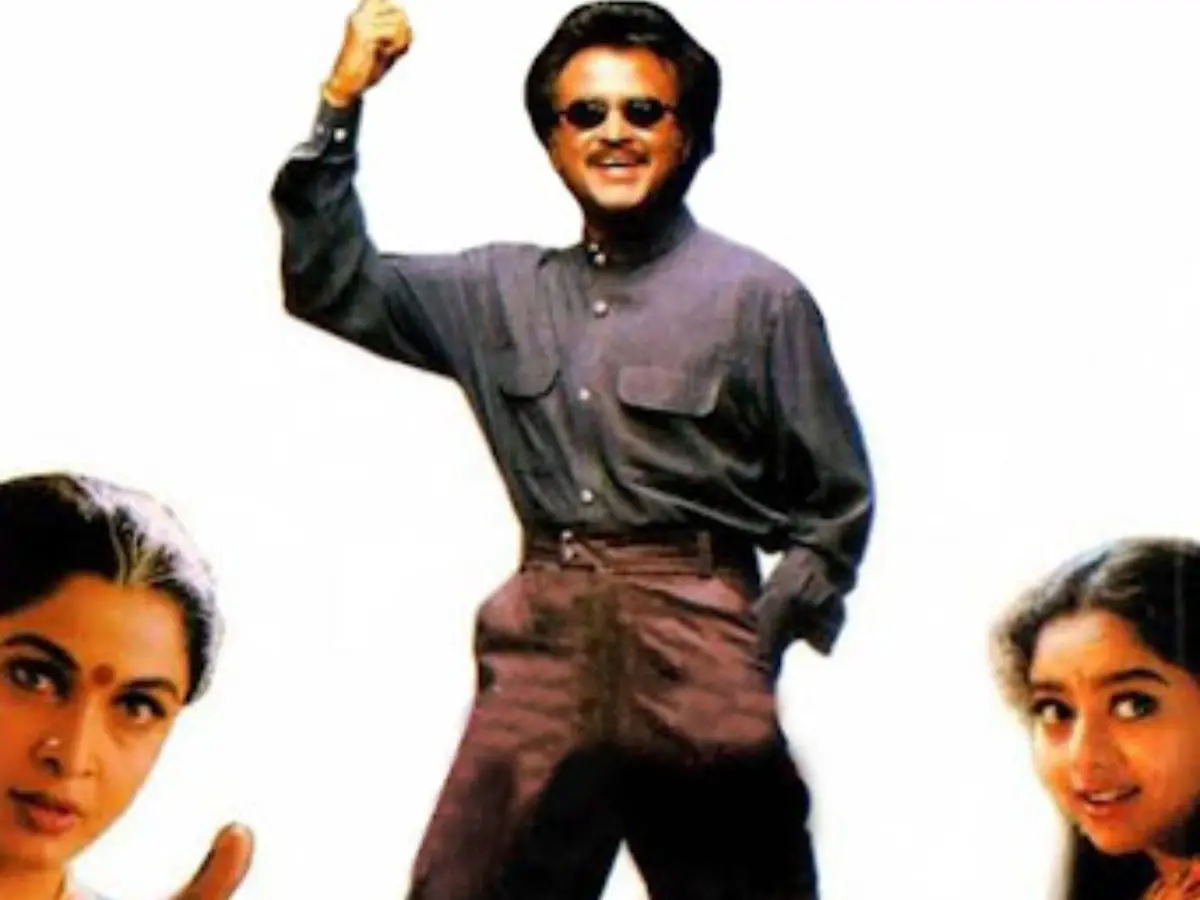
For me, the start of watching Rajini films was not from one of the typical "Tamil padam" drivel that milked his stardom from the late 1970s onwards. It was from Thalapathi, the 1991 thriller directed by veteran Mani Ratnam, a retelling of the Karna story from the Indian epic Mahabharata. I was 15. Rajinikanth was 41, already in the middle phase of his career and at the peak of his stardom, even as his hairline was receding. Thalapathi went on to become a classic of Tamil cinema, proven again by the fact that Gen Z audiences were dancing in theatres when the film re-released a few months ago. From 1991 onwards, I became interested not only in Rajinikanth’s filmography, but also in the Rajinikanth story, while catching up on his older movies and lining up for the new ones.

Also read: Happy birthday Rajinikanth: From a bus conductor to superstar - journey of Thalaiva | In pics
The unlikely superstar: How Rajinikanth represented the dark-skinned masses
Rajinikanth has been candid that his stardom as an unlikely occurrence, often cracking self-deprecating jokes about his dark skin, face, and looks, even admitting that he had only a fixed set of mannerisms and styles that he repeated in most films. But if you look at how he appears on screen, he was above the average Tamil or south Indian: Dressing like no Tamil would, from leather vests to boots to stylish suits. To the average Tamil and South Indian, Rajinikanth became what was possible: He was their aspirational superstar. Skin colour, scars, and marks on the face didn’t matter as long as he exuded confidence and screen presence. To fans like me, he taught us to dream beyond our circumstances, without knowing he was doing so.
Trending Stories
)
Why asking questions could be more important than memorising answers
)
BRICS Summit 2026 full schedule: Day-wise agenda, timings and key issues - All you need to know
)
BRICS Summit 2026: Iran's Pezeshkian praises PM Modi at BRICS
)
BRICS rejects EU carbon tax as ‘punitive’, ‘discriminatory’; warns of burden on Global South
)
'Iran won't surrender': Pezeshkian sends blunt message to US while attending BRICS Summit in India
)
Why dehydration is the hidden cause of travel fatigue on long flights
)
Top 5 places to visit in Goa beyond its famous beaches
)
'He is popular...': Malaysian PM Anwar Ibrahim's praise for PM Modi during bilateral meeting | WATCH
)
BRICS Summit 2026: 30+ countries seek BRICS membership
)
Frustrated man demolishes his kitchen after thousands flock to see Mother Mary his wife spotted on the wall
)
BRICS Summit 2026: PM Modi, Xi reach key consensus on ties, China to assume BRICS chairmanship in 2027
)
Trump says Canada eager to reach a deal, it could come ‘fairly soon’ if Ottawa treats US farmers better
)
From drones to KAAN fighters: Turkey outlines 229% surge in defence spending amid regional shifts
)
‘Partners, not rivals’: Xi outlines four point plan for stronger India-China ties
)
Could staying indoors all day affect your health?
)
Bigg Boss 20: Uditi Singh reacts to ex Karan Wahi’s possible wildcard entry
)
Why going digital does not always mean becoming more efficient
)
800 million years old - Scientists discover 'fingerprints' of supercontinent Gondwana in ancient rocks
)
Israel spent nearly $470,000 on PM's hair, makeup since 2019, data shows
)
From severe mobility problems to recovery: Madhuri the elephant’s journey of wildlife care
)
BRICS Summit day 1: New Delhi declaration adopted with full consensus, big diplomatic win for India
)
From India, Putin warns Europe against sending troops to Ukraine, Zelensky expresses willingness to meet him at G20 Summit
)
Did Iran President Pezeshkian touch feet of Hindu spiritual leader at Delhi event as shown in viral video?
)
9-year-old Chennai prodigy clears Cambridge IGCSE grade 10 exams
)
Reacher actor Alan Ritchson, wife Catherine part ways after 20 years of marriage
)
Why does your body need time to adjust after a long journey?
)
Baba Vanga's first prophecy for 2027 is out, and straight out of science fiction
)
Why does your skin need protection from UV rays?
)
How does the loss of forests affect the way wildlife lives and moves?
)
IND vs AFG, 1st T20I: When and where to watch live streaming in India?
)
Anthropic is giving Claude to schools free, and the reason is not philanthropy
)
BRICS Summit: China resumes Guangzhou-New Delhi flight, issues 'good-neighbourliness' remark ahead of Xi-Modi meet
)
Why do wild animals need quiet places to survive?
)
Humans may lose control of AI: Anthropic CEO calls for slowdown, Altman, Musk back him
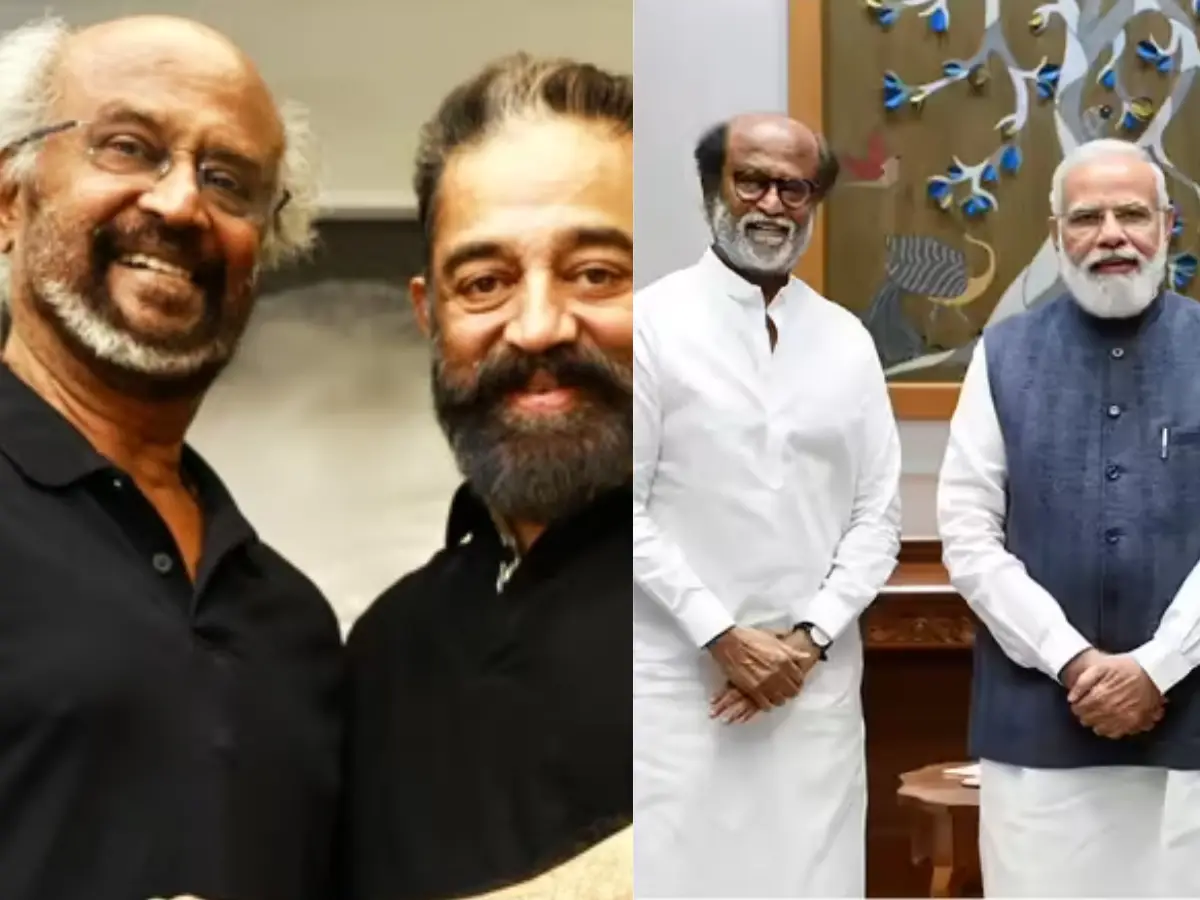
Also read: 75 years of a remarkable life! PM Modi, Kamal Haasan and others wish Rajinikanth on his birthday
Rajinikanth was always the class warrior
Most of the films of Rajinikanth, irrespective of the specific storyline, had an underlying subtext: a hero who is rejected by the system, fights back, and becomes victorious, through strategy and street fights. The Rajini character always stayed with the people who were seated in the front rows of his theatres. He was a mass hero, even though the classes liked him too. His was a masculinity and heroism both overstated and down to earth, with at least one song in most of his films referring to the Tamil people as 'Gods' who made him rule as their matinee demigod.
Rajinikanth, the Muhammad Ali of Tamil cinema: It was not always a bed of roses
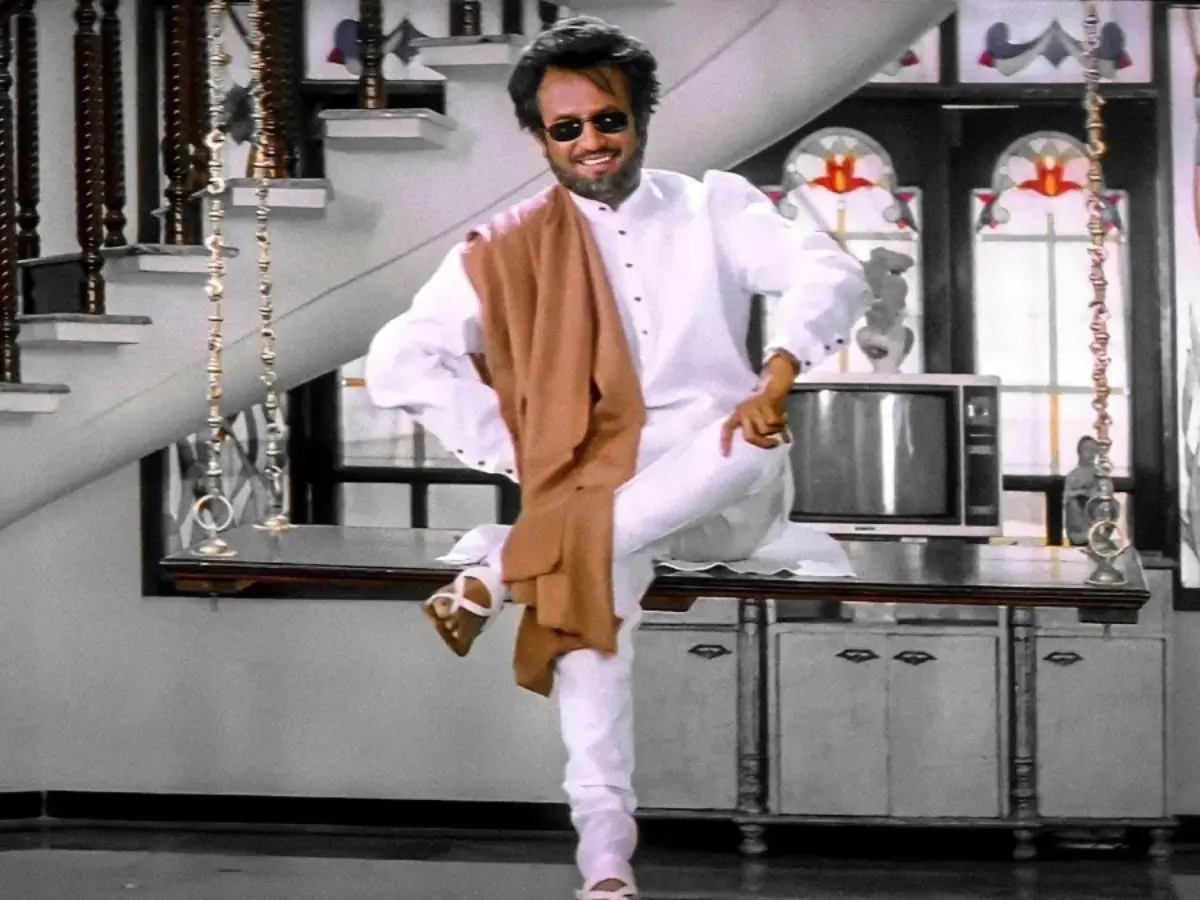
Many of Rajinikanth’s films flopped, even forcing him to spend money from his own pocket to recoup losses for producers and distributors. He was written off several times after failures, which include Baba (2002), Kuselan (2008), Lingaa (2014), Darbar (2020), and Annaatthe (2021). But he was like boxing’s Muhammad Ali, willing to take the punches and still stand up for another round. While Rajini continues to get the "initial" – the first few days of run ensured by his fan following – the rest of a film’s success depends on whether it appeals to a wider audience. And Rajini was always accepting of the people's verdict.
Rajinikanth’s legacy is a truly pan-India story
Rajinikanth’s is a truly pan-Indian story and a true testament to what he said in his Dadasaheb Phalke Award acceptance speech in 2021: "Miracles do happen."
He was born Shivaji Rao Gaikwad on 12 December 1950 in Bangalore (now Bengaluru) to a Marathi family. Who would have thought that a boy with roots in the western Maharastra state, raised in the state of Karnataka, would rule as the longstanding superstar of another southern state Tamil Nadu, for nearly 50 years? Contrast that with the North vs South debate raging in Indian cinema in the past few years. Tamils first embraced M. G. Ramachandran, who had roots in Kerala, as their mass star, and continued that with Rajinikanth. Recently, politically motivated rhetoric has tried to argue that Rajinikanth is not "Tamil enough", but that hasn’t dissuaded anyone who knows his legacy.
In the mid-2010s, Rajinikanth suddenly became more famous in the north, though he had acted in Hindi films, including major hits like Hum in the past. But this fame was also tinged with north-south racism, with social media memes showing him with superpowers and placing him inside the usual South Indian stereotypes. As his films got dubbed in Hindi, some of them performed even better than Bollywood releases. Particularly since Sivaji: The Boss and Enthiran, his films began releasing pan-India. That growth only accelerated when OTT releases became available in multiple languages, which partly explains the success of his recent major hit, Jailer (2023).
Rajini’s attractive off-screen persona: Down to earth, no wig, no make-up, speaking from the heart
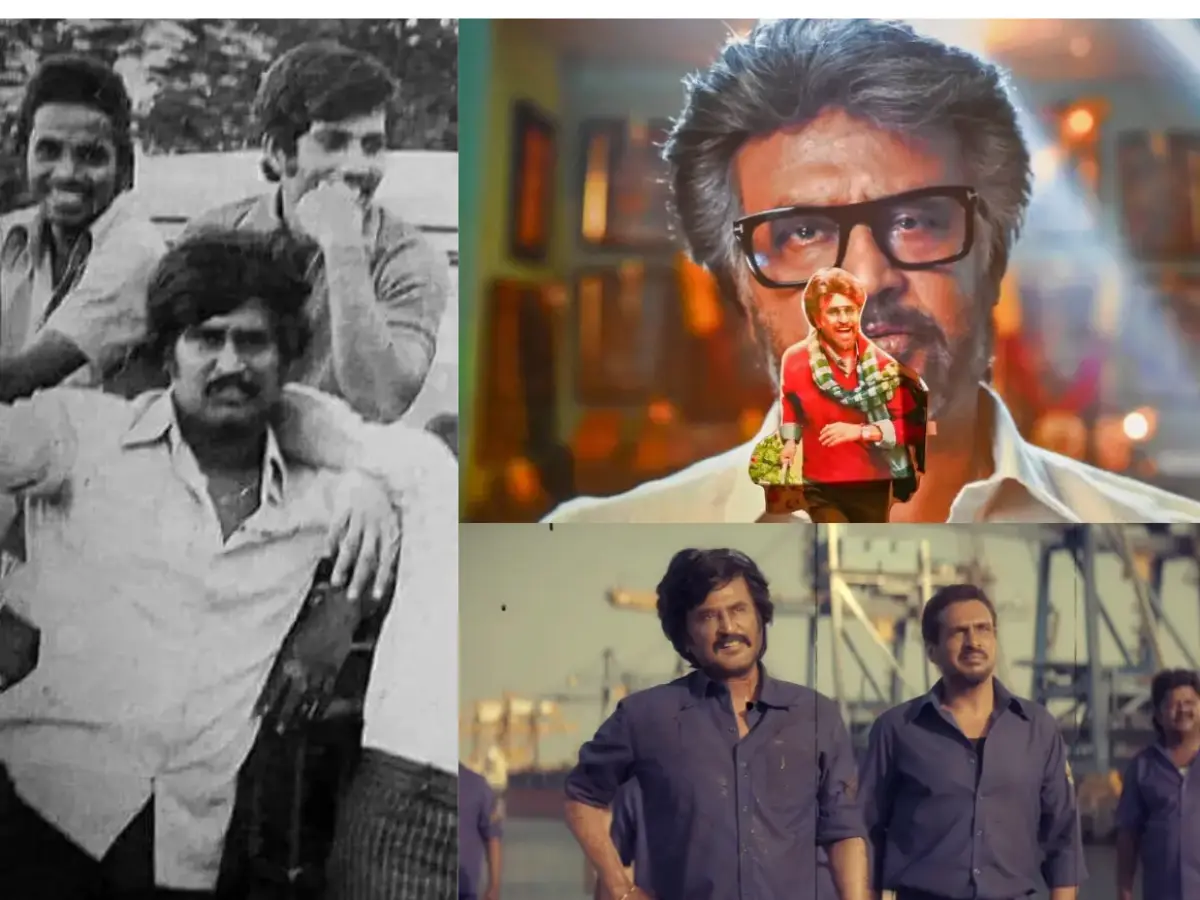
Though there was a tinge of bravado, and even arrogance, during public appearances during earlier parts of his stardom, Rajinikanth maintained a down-to-earth persona in later years. He never hid his poor origins. I have watched more Rajinikanth speeches than his films. At these public events, he often narrated his story of going from a bus conductor of Bangalore Transport Service, to friends collecting funds to send him to Madras Film Institute in 1973, to wanting to achieve growth and responding to slights in real life.
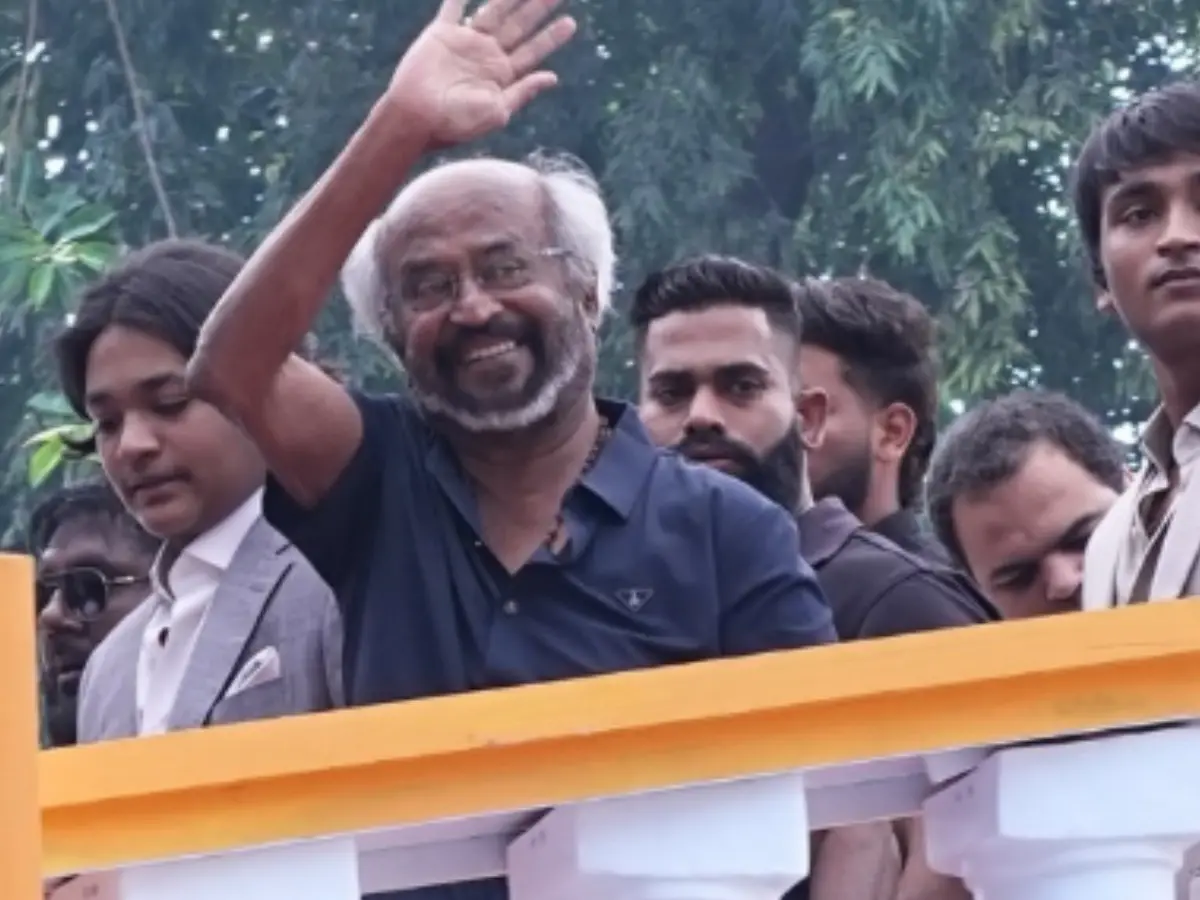
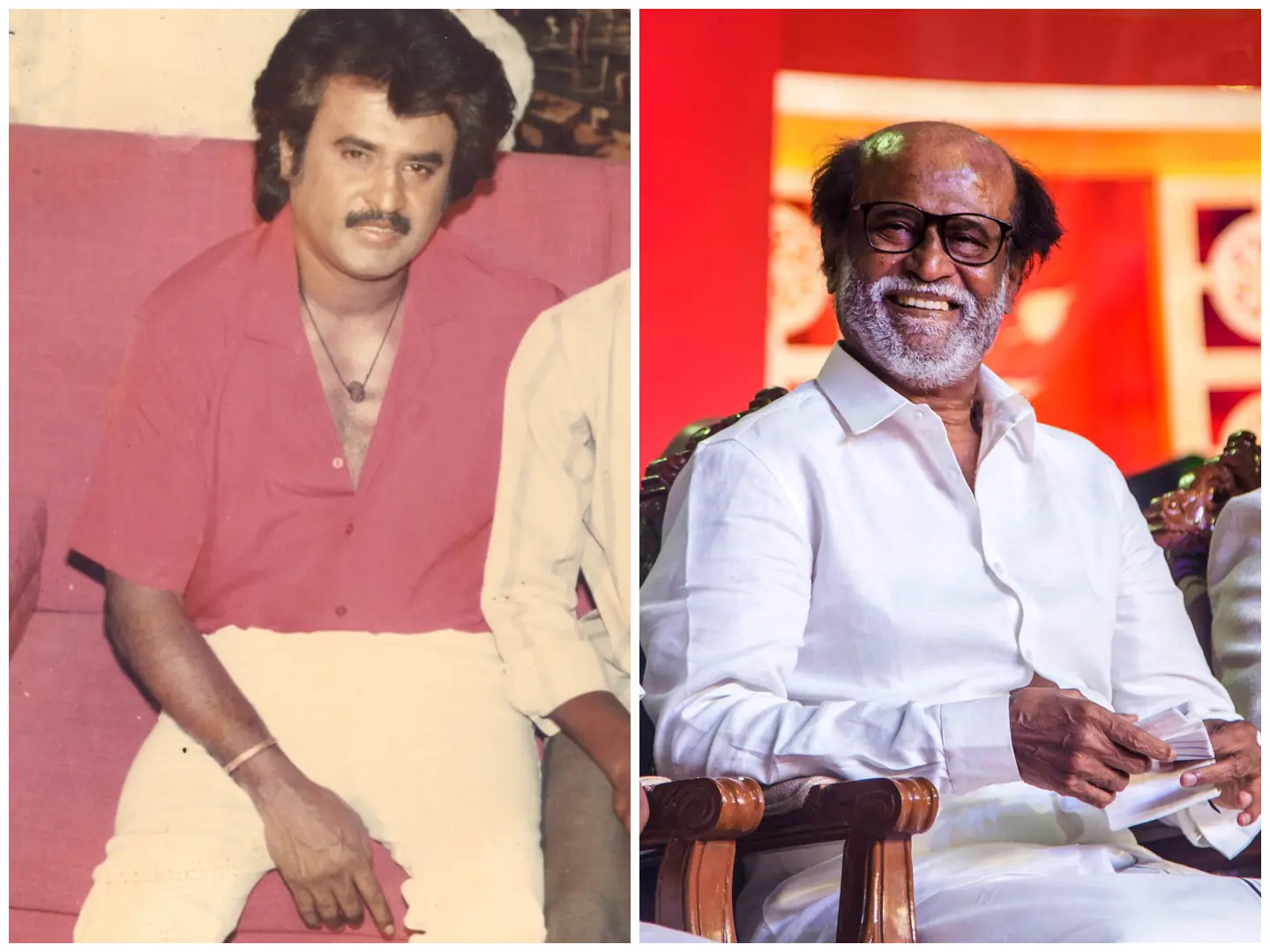
At his peak, Rajini started going partially bald in the 1990s. That would have been devastating for an actor known for stylishly flicking his mane in every film. But he embraced his reality and appeared in public without a wig, or much make-up. His interactions with both his fan base who call him 'Thalaivar' or leader, as well as the media, have almost always been polite, bordering on shy, as opposed to many of his peers and juniors in indian cinema, south or north.
Rajinikanth’s time-tested appeal comes from his willingness to change and adapt
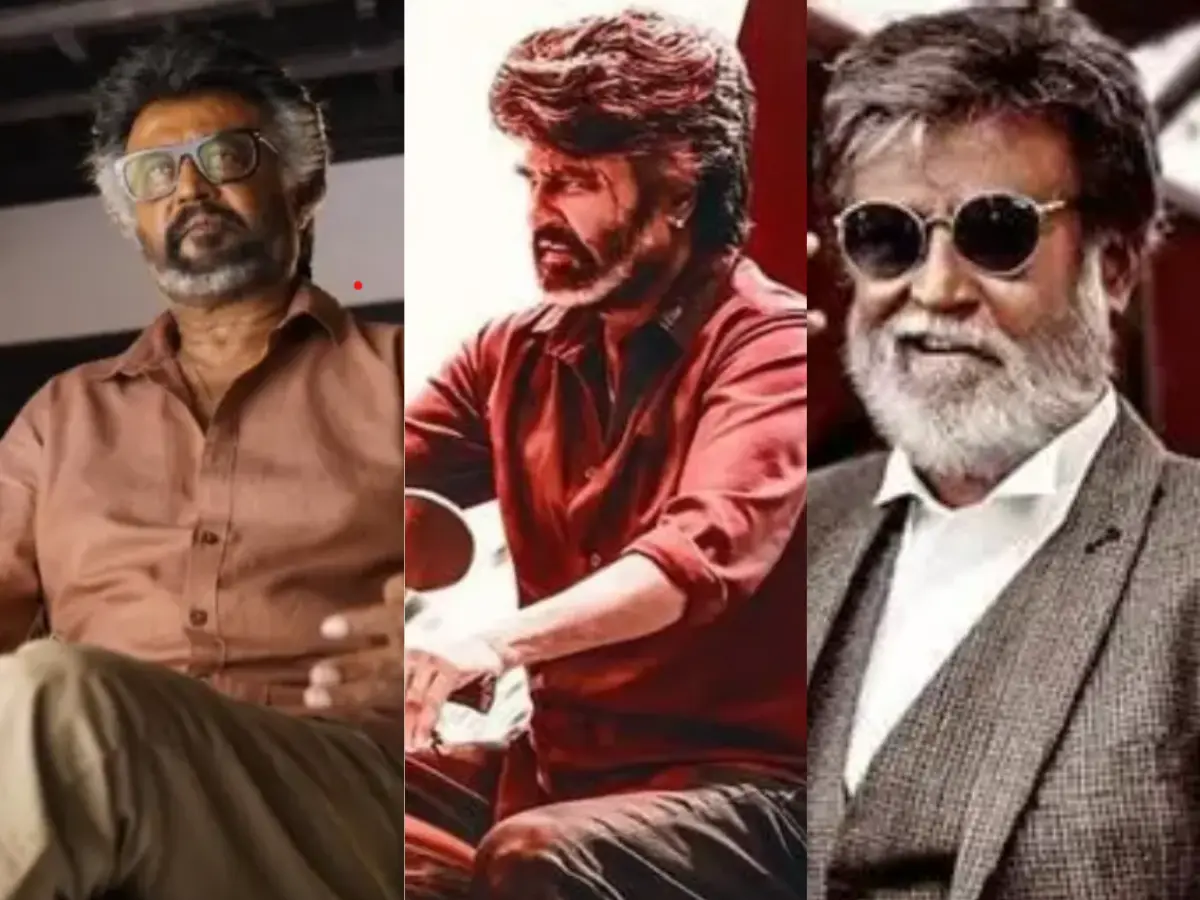
Even in the 1990s, Rajini played roles of people much older than his own age at the time. In Annamalai, Pedarayudu, Valli, and Padayappa, he transitioned from young to middle-aged or elderly characters. He was always willing to collaborate with projects in other languages, from Hindi to Telugu to Kannada, even doing smaller or side roles (though interestingly, he never acted in a Malayalam film).
That's probably because he started small, playing a rake in Apoorva Raagangal (1975), having been introduced to cinema by the legendary director K Balachander. And in an industry known for star rivalries, he maintained a long friendship with the star of his first film, Kamal Hassan, the other superstar of Tamil cinema.
Rajini has also been willing to work with young directors of each era, from Shankar (Enthiran, Sivaji the Boss) to Nelson (Jailer). And in Nelson’s telling, he always addresses the director as "sir".
An 'addict' who still has a clean image: Rajini has been open about his vices
Rajinikanth has openly talked about his bad habits – cigarettes (though flipping them stylishly is his hallmark in many films) - and alcohol. Rajini has a spiritual side, often talking about his gurus and inspirations like Raghavendra Swamy, Ramana Maharshi, and Mahavatar Babaji, and paying homage in the 2002 film Baba. He has engaged in self-reflection and self-reform as much as he addressed social and political issues, from the Kaveri water row, to the famous clashes with the late Jayalalithaa, a fellow actress, AIADMK leader and former Tamil Nadu chief minister.
Rajini clicks because he keeps it real, off-screen
Rajinikanth, as I mentioned, has not always been a success story. Some of his films bombed at the box office even recently. He attempted to wade into politics twice, trying to mobilise his massive fan clubs. But both times, Rajinikanth failed. He was open about it and accepted his failures.
His health has not always been perfect, and he has never hidden that from the people.
Balachander saw something intense in Rajini's eyes. To this day, his fans - like me - see something too, in spite of his advancing age.
These are among the reasons why I like Rajinikanth. What about you?