Madras High Court issues detailed guidelines for more inclusivity for LGBTQIA+ community


LGBT
In a significant outcome for the LGBTQIA (Lesbian, Gay, Bisexual, Transgender, Queer and/or Questioning, Intersex, and Asexual and/or Ally) community, the Madras High Court on Monday issued directions to protect them from harassment by authorities and other major stakeholders in society.
According to the court, society was even now grappling to come to terms with same-sex orientation.
The case pertained to a Madurai-based lesbian couple whose relationship was being opposed by their parents, following which the couple fled to Chennai, to seek NGO support and sustain themselves.

As their respective daughters fled their homes, the parents filed missing complaints with the local police, which led to filing of FIRs. The couple approached the court after having faced police interrogation at the residential premises in Chennai. They also feared for their safety and security from police harassment and that of their parents.
In a detailed order, Justice N Anand Venkatesh has outlined the sensitisation programmes that need to be undertaken by police, legal authorities, judiciary, education institutions, workplaces and parents in issues pertaining to the LGBTQIA community.
)
Three labourers killed as DU student loses control of his car, rams into them on Dwarka Expressway
)
Pentagon revives mandatory testosterone testing for male troops aged 30 and above
)
FACT CHECK: Why did PM Modi ask Xi ‘is it okay’ at BRICS Summit? New video reveals...
)
India seeks to build a full semiconductor supply chain
&im=FitAndFill=(700,400))
From Abhishek Sharma to Sahil Chauhan, 5 batters with fastest T20I hundreds
)
Indian activist-lawyer Prashant Bhushan's post brings focus on ‘conflict of interest’ appointments of ex-govt officials at Reliance, Adani groups
)
Pyongyang dismisses US, western pressure over nuclear programme
)
US And Denmark reach Greenland deal, Trump announces expanded military presence
)
Google’s Gemini AI hacks real systems by guessing passwords during security test
)
Former India player Diana Edulji wants Smriti Mandhana to replace Harman as skipper at the earliest
)
China may have gained access to US's classified F-35 jets; parts meant for repairs diverted to Hong Kong, sparking Pentagon inquiry
)
NASA research plane reaches 61,000 feet over Panama
)
Godfather of AI Geoffrey Hinton gives US lawmakers a one-year warning on AI
)
Shivakumar attends 79th Kalyana Karnataka Utsav in Kalaburagi
)
Trump signs Russia sanctions law: India faces fresh 100% tariff threat over Russian oil
)
Why Ranveer Singh’s Dhurandhar missed India’s Oscar entry; FFI jury member reveals what happened
)
‘Will go to any extent’: Pakistan vows to defend Saudi Arabia amid Houthi attacks
)
The Verdict | When precision fails: US commits war crime in Minab school strike, UN finds
)
Trump signs Russia sanctions bill into law, targets Moscow’s energy sector
&im=FitAndFill=(700,400))
New Friday OTT releases (September 18, 2026): Lust Stories 3, You+Me, Best of the Best- 8 new titles coming on Netflix, Prime Video and more
)
Flying cars in UAE: Ras Al Khaimah signs deal with Chinese company to test new transport
)
Africa is splitting, and a lot sooner than estimated, giving way to a new ocean
)
'Gangsta' crab shoves knife blade at man and his dog in Florida - Watch
)
Trump bans CNN, MS NOW and Politico from White House over ‘FAKE NEWS’
)
Trump 2.0: Dark days ahead for America’s ‘imperial presidency’
)
Trump's Greenland dream comes true? POTUS announces 'Infinite Life' deal with Denmark, claims permanent US control
)
Laura Wolvaardt sets new world record for most WT20I runs in a year
)
Drone strikes cooling tower at Russia's Kursk Nuclear Plant, IAEA confirms
)
Who is Khalilur Rahman? All you need to know about 81st UN General Assembly President
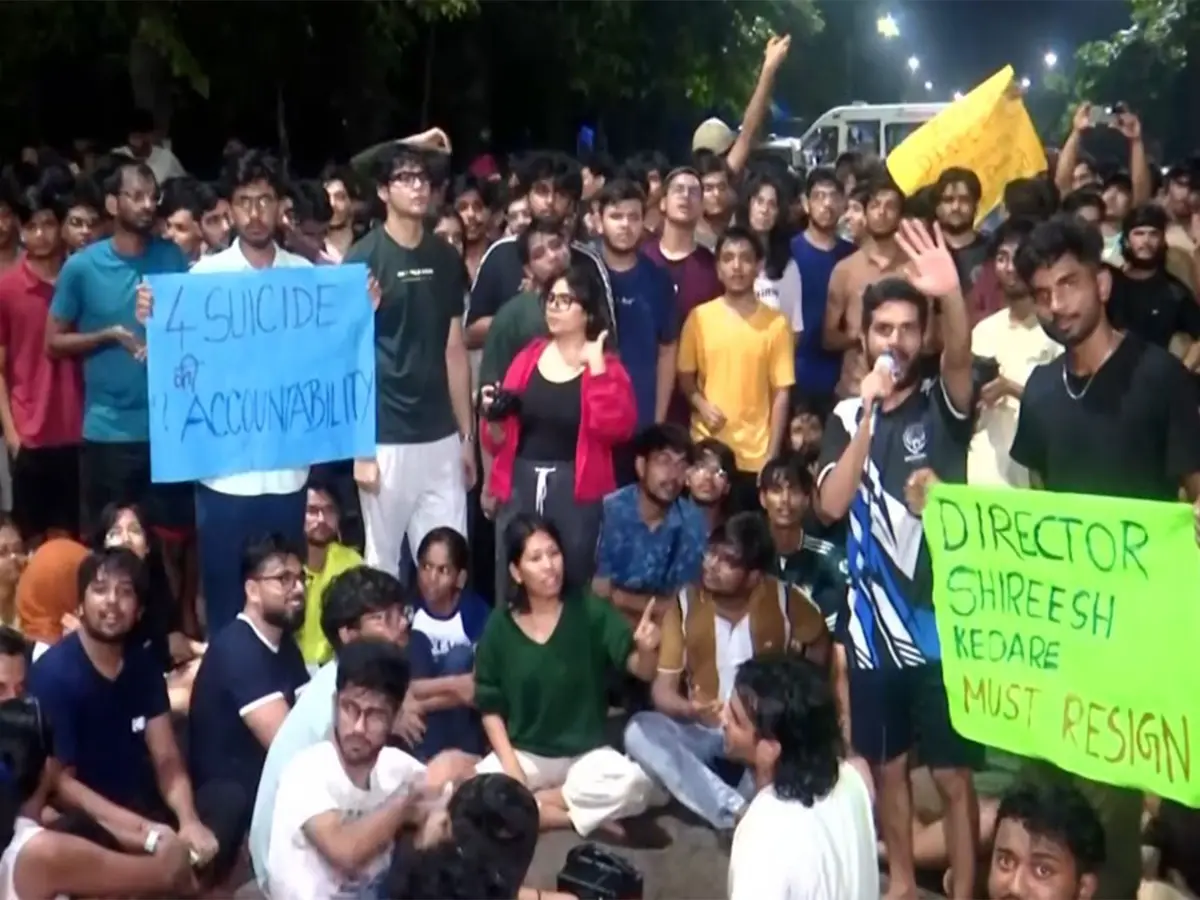)
IIT Bombay student dies by suicide, was caught seeking AI help during exams
&im=FitAndFill=(700,400))
Meet top 5 bowlers in latest ICC T20I rankings
)
Indian Cinema bets big on mythology, brings ancient stories to modern audiences
)
Ukraine plans record $109 bn defence spending, nearly two thirds of budget amid Russia war
)
Russia holds first parliamentary elections since the beginning of the Ukraine war
&im=FitAndFill=(700,400))
Meet top 5 Indian batters with fastest T20I centuries
Some of the significant interim guidelines issued by the Madras High Court include measures to create awareness about the community by conducting sensitisation programmes by respective governments, to eliminate prejudices against the community and channelise them into the mainstream.
According to Manuraj Sundaram, who represented the Petitioners (Lesbian couple), this order by the Madras High Court stands out for its unprecedented width and scope. "Such a detailed order for the LGBTQIA+ community is unheard of from any court, including the Supreme Court of India. No high court has issued such extensive guidelines, but of course, this development builds upon the SC judgement to annul Section 377 of the IPC," Manuraj told WION.
The court has said that in missing complaints pertaining to the LGBTQIA+ community (in case of consenting adults) —based on statements of the involved persons —the complaint must be closed without harassing the couple. Persons belonging to the community can approach the enlisted NGOs for protecting their rights. Such a list of NGOs and their contact details must be furnished by the Ministry of Social Justice and Empowerment (MSJE) on their official website and will be updated regularly. Such NGOs are required to maintain data of the individuals approaching them in a confidential manner and share the records to the Ministry twice a year.
In terms of addressing the issues, the court said that it should be viacounselling, monetary support, legal assistance with the support of the District Legal Services Authority, or by co-ordinating with the law enforcement agencies about offenses committed against any person belonging to the LGBTQIA+ community.
The court said, regarding the issue of accommodation, suitable changes are to be made in existing short stay homes, Anganwadi shelters, and "garima greh" (a shelter home for transgender persons, that offers basic amenities like shelter, food, medical care and recreational facilities and skill development for dignified life).
Parents have been advised that they must be understanding and accept children of diverse gender expressions, sexual orientation, gender identities and gender presentation while providing peer support for parents of such children.
Most importantly, the court has called for a change in curricula of schools and universities to educate students on understanding the LGBTQIA+ community. This includes conducting outreach programs involving the community and NGOs and sensitising parents via PTA meetings to be supportive of gender nonconforming students. Some additional steps include adding third gender in application forms, change of gender and name for transgender persons, ensure availability of gender-neutral restrooms.
For workplaces, the court has said that suitable changes must be made in hiring policies for inclusivity, provide support in case of grievances, extend benefits such as insurance, ensure policies to prevent discrimination etc.
