India's newly-enacted laws for criminal justice system overhaul to come into effect from July 1

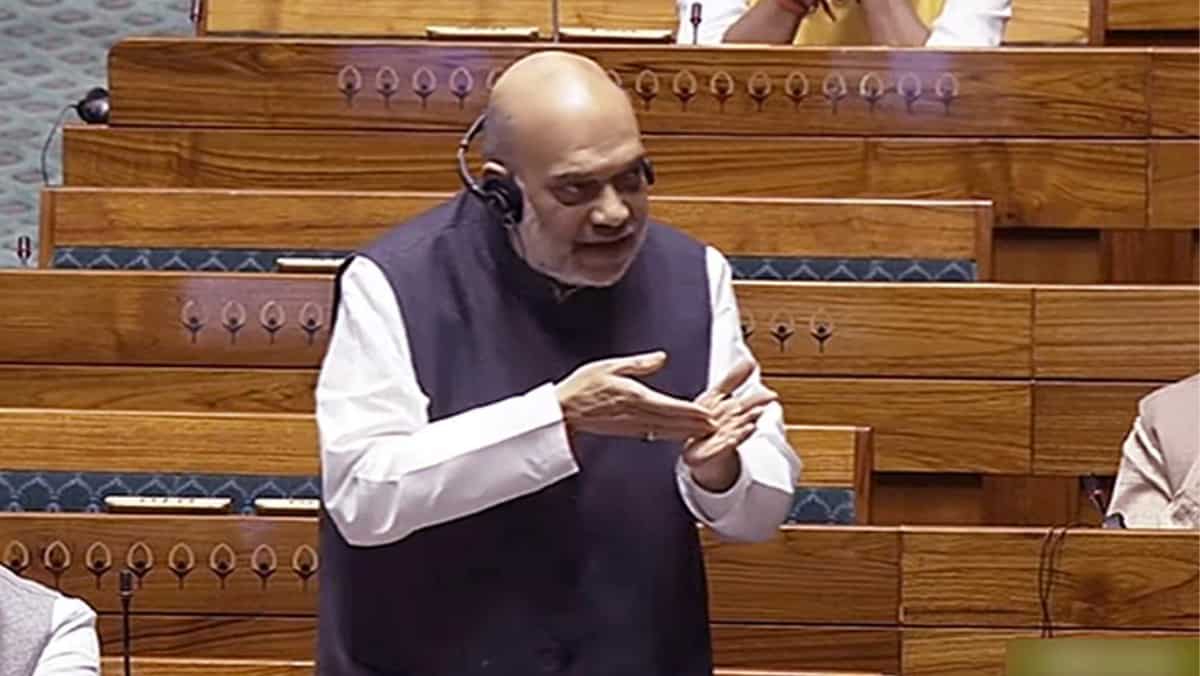
Home Minister Amit Shah
The overhaul of India's criminal justice systemis scheduled to take effect from July 1, 2024, a government release said on Saturday (Feb 22). The changes will take placewith the implementation of three new laws – Bharatiya Nyaya Sanhita, Bharatiya Nagarik Suraksha Sanhita, and Bharatiya Sakshya Act, which will replace the existing Indian Penal Act,the Code of Criminal Procedure, and the Indian Evidence Act of 1872.
Approved by the Indian Parliament on December 21 last year, the bills became acts after receiving assent from President Droupadi Murmu on December 25. Aimed at redefining various offenses and their corresponding punishments, these legislations mark a significant departure from the traditional legal framework.
Also read |Lower house of Indian parliament passes 3 criminal law bills, replacing IPC, CrPC, Evidence Act

However, a notable exception to the immediate enforcement lies in the provision related to hit-and-run cases by vehicle drivers.
New legal code won't be enforced for this offence
Prime Minister Narendra Modi's administration, for now, has opted not to implement this specific provision right away to immediate redressalto the concerns raised by truckers who staged protests against it.
)
No Pandya as Auqib Nabi earns maiden ODI call-up; Mayank returns for WI T20Is| check full squads
)
Chiefs tight end Travis Kelce named one of the victims in $35 million ponzi scheme
)
Trump praises India’s Opium crackdown, hails anti-drug efforts
)
Former India player Diana Edulji wants Smriti Mandhana to replace Harman as skipper at the earliest
)
Trump calls Canada-EU associate membership plan ‘laughable’ and threatens 'very serious tariffs'
)
Protests erupt over migrant housing plan in Piddington
)
Shahzad Bhatti Network declared terrorist organisation under UAPA: Govt order
)
Europe wants a common playbook for security threats, seeks security beyond NATO
)
240-million-year-old bizarre 'pig with a tusk' creature creates new dilemma over origin of dinosaurs
)
Formula One reveals the 2027 race calendar; Monaco to host sprint race for the first time
)
All Indian goods to get duty-free access to New Zealand
)
Bigg Boss 20: Mahhi Vij reveals she lost Yuva role to Kareena Kapoor; 'didn’t work out in my favour'
)
Lionel Messi for 2026 Ballon d’Or over Mbappe and Yamal, says Diego Simeone
)
US House votes 417-3 to pass Ratepayer Protection Act targeting AI data center electricity costs
)
Hong Kong unveils 11 new measures to boost birth rates, offers higher cash bonuses and housing perks
)
Former OpenAI researcher warns of growing risks from Artificial Intelligence
)
Veteran actor Anant Nag honoured with Indian cinema’s highest award
)
Wildfire tears through forests in Spain's Valencia
)
AUS vs SA: Steve Smith still gets 'little flashbacks' from sandpaper gate
)
PM Modi’s 76th birthday: From Akshay Kumar to Shilpa Shetty, Bollywood celebs extend warm wishes
)
Pakistan naval vessel returns to harbour with 'severe damage' after collision with Indian warship in Arabian Sea
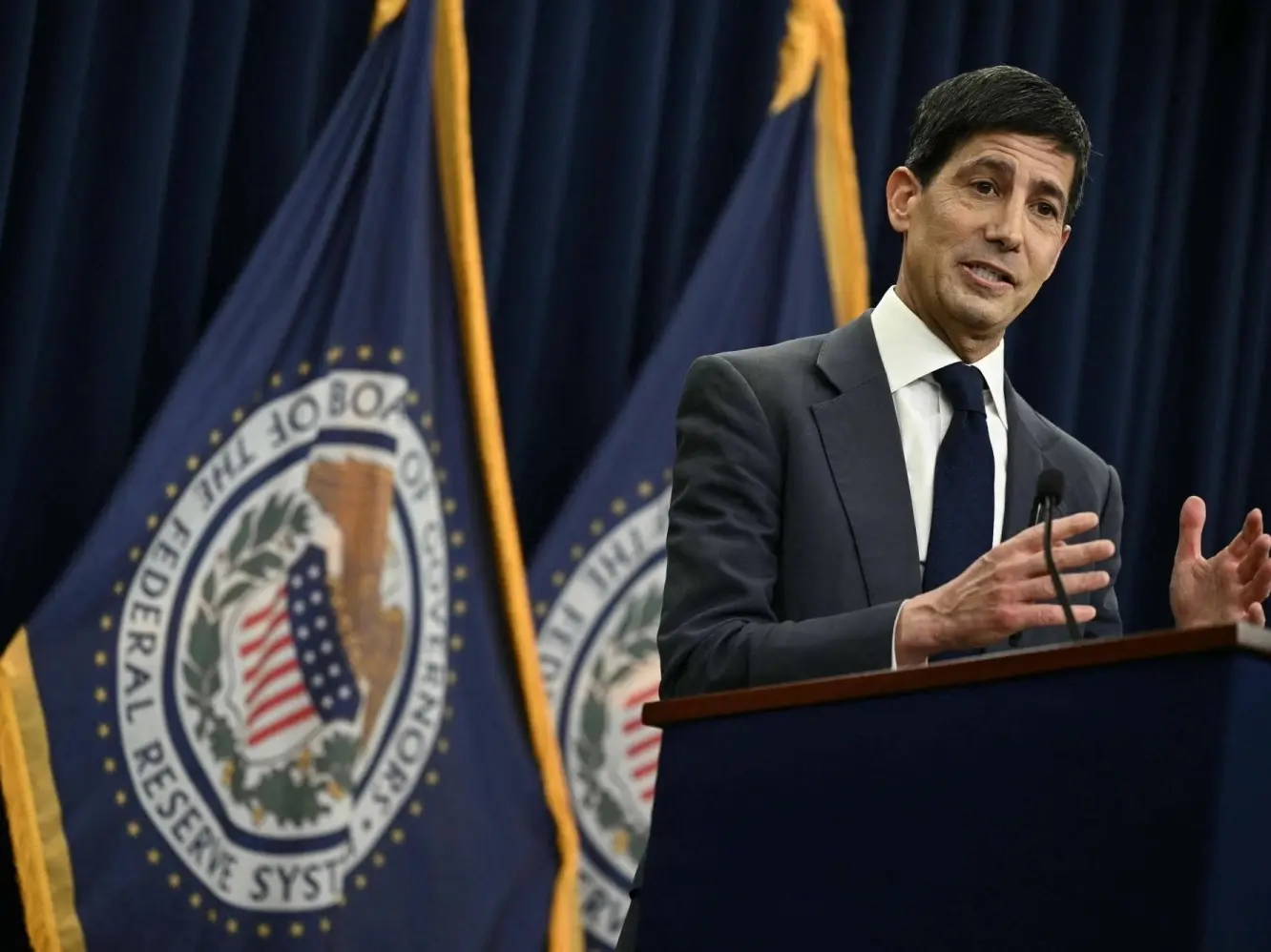)
Fed raises rates for first time in 3 years, Kevin Warsh defies Trump as inflation mounts
)
Katrina Kaif’s postpartum weight is not the problem; your gaze is
)
Taiwan seeks deeper India ties as direct flights restart soon and chip projects advance
)
Daayra movie review: Kareena Kapoor, Prithviraj Sukumaran shine in Meghna Gulzar’s cop-versus-cop crime thriller
)
Saudi Vs Houthis: Yemeni military rebels clash with Houthis
)
Pak batter Rizwan's petition against being questioned by cyber crime agency rejected by court
)
US trade tariff: 100% tariff targets Russian buyers amid trade tensions
)
Pakistan: Imran Khan's sons Kasim & Sulaiman claim their father is 'tortured' in jail
&im=FitAndFill=(700,400))
New OTT releases this week (September 14-20, 2026): Lust Stories 3, Waiting Hai, Irumudi- 5 new titles coming on Netflix, Prime Video and more
)
Ebola outbreak: WHO sees encouraging signs in fight against Ebola outbreak
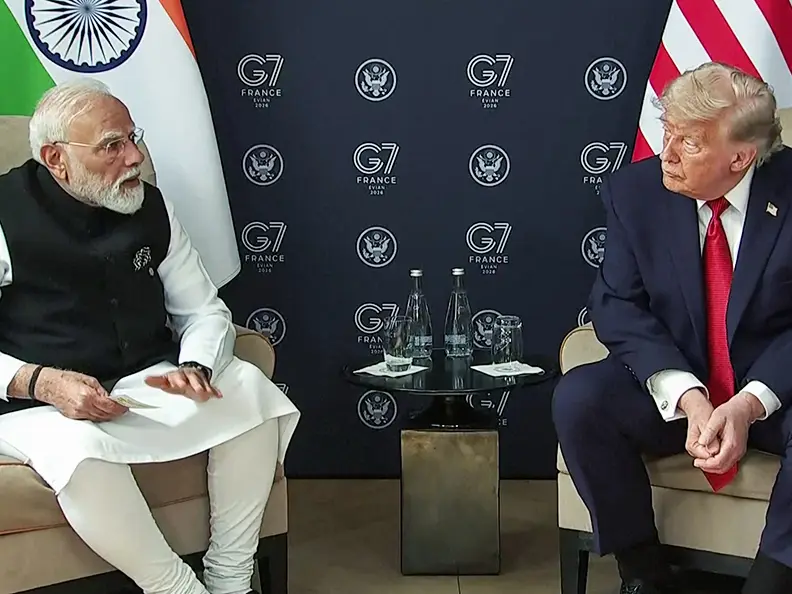)
Trump gets new power to hit India, China with up to 100% tariffs as US Senate clears Russia sanctions bill
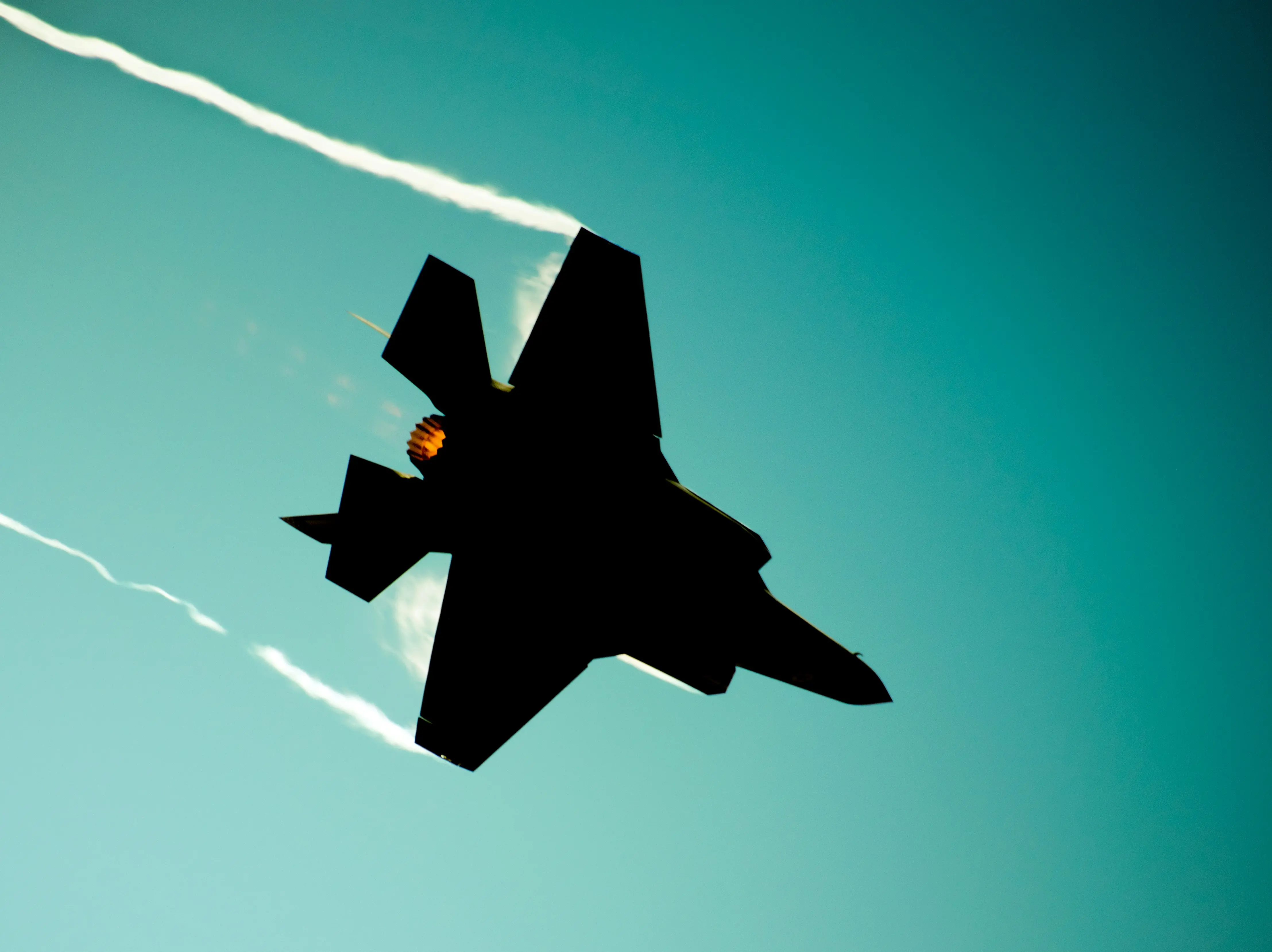)
‘Imagine 50 AI fighters cornering one manned jet’: India’s mobbing doctrine eyes a new era of air warm
)
Saudi vs Houthis: Riyadh claims to have shot Houthi drone targeting Mecca
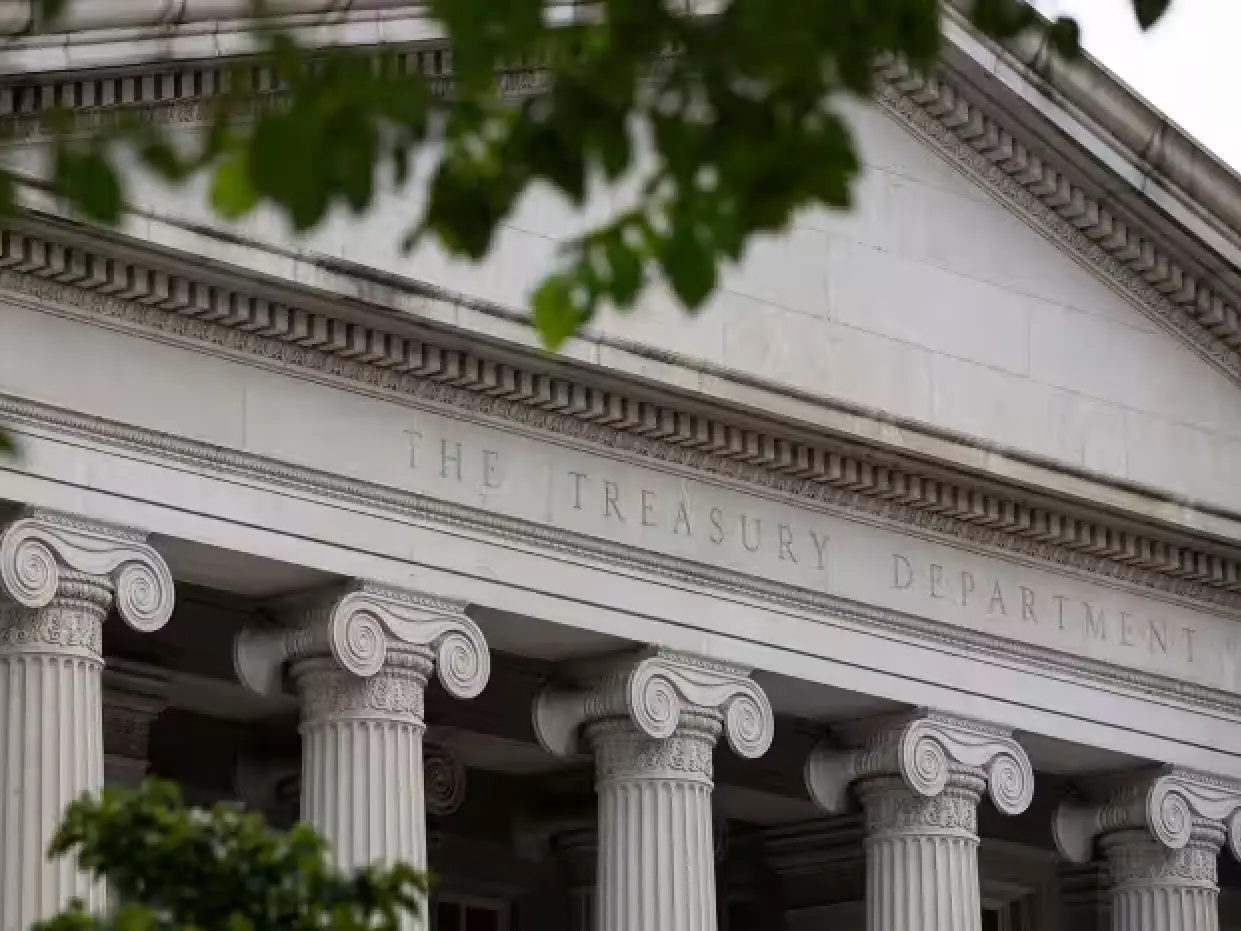)
US Treasury rallies global financial institutions for Op Economic Outcast to isolate Iran
)
India breaks silence on US Russia sanctions bill, 100% tariff threat: ‘Committed to energy security’ for 1.4 billion
)
Want to get married within a year? Why 18 lakh people rush to Jaipur for ‘sacred henna’
)
Pakistan boycotts chess match against Israel at Olympiad
)
UN General Assembly 2026: What is veto power. Which countries have it and how does it work?
&im=FitAndFill=(700,400))
Suriya and Jyothika say ‘I do’ again after 20 years! See their dreamy wedding pics
)
Abhishek Sharma rises to No. 2 in T20Is; ENG’s Robinson 3rd after record Pakistan Tests
)
The Early Spring season 2 is happening, but fans have one request - 'don't change the actors'
"In exercise of the powers conferred by sub-section (2) of section 1 of the Bharatiya Nyaya Sanhita, 2023 (45 of 2023), the central government hereby appoints the 1st day of July, 2024 as the date on which the provisions of the said Sanhita, except the provision of sub-section (2) of section 106, shall come into force," stated one of the notifications issued by India's Union home ministry.
Also watch |Decoding India's new Criminal Law Bills | World DNA | WION
Particularly contentious was Section 106 (2), which proposes a 10-year imprisonment and fines for individuals causing death by rash and negligent driving and escaping without reporting it to authorities. The government has assured further consultation with the All India Motor Transport Congress before invoking this section.
Terrorism as offence well-defined in new legal code
Unique to the Bharatiya Nyaya Sanhita is the explicit definition of terrorism, a term absent in the preceding Indian Penal Code. The legislation abolishes sedition as a crime and introduces a new section titled "offences against the state." Acts such as secession, armed rebellion, subversive activities, and separatist endeavors are clearly outlined, emphasizing the focus on justice rather than punitive measures.
Under the new laws, the term 'Deshdroh' replaces 'Rajdroh,' reflecting a departure from colonial-era terminology. Furthermore, the legislation extends its jurisdiction to offences committed by Indian citizens globally, on Indian-registered ships or aircraft, and those targeting computer resources located in India.
(With inputs from agencies)