‘Rickroll’ QR code claim goes viral after CBSE Maths exam, board says no security breach

&imwidth=600&imheight=450&format=webp&quality=medium "‘Rickroll’ QR code claim goes viral after CBSE Maths exam, board says no security breach")
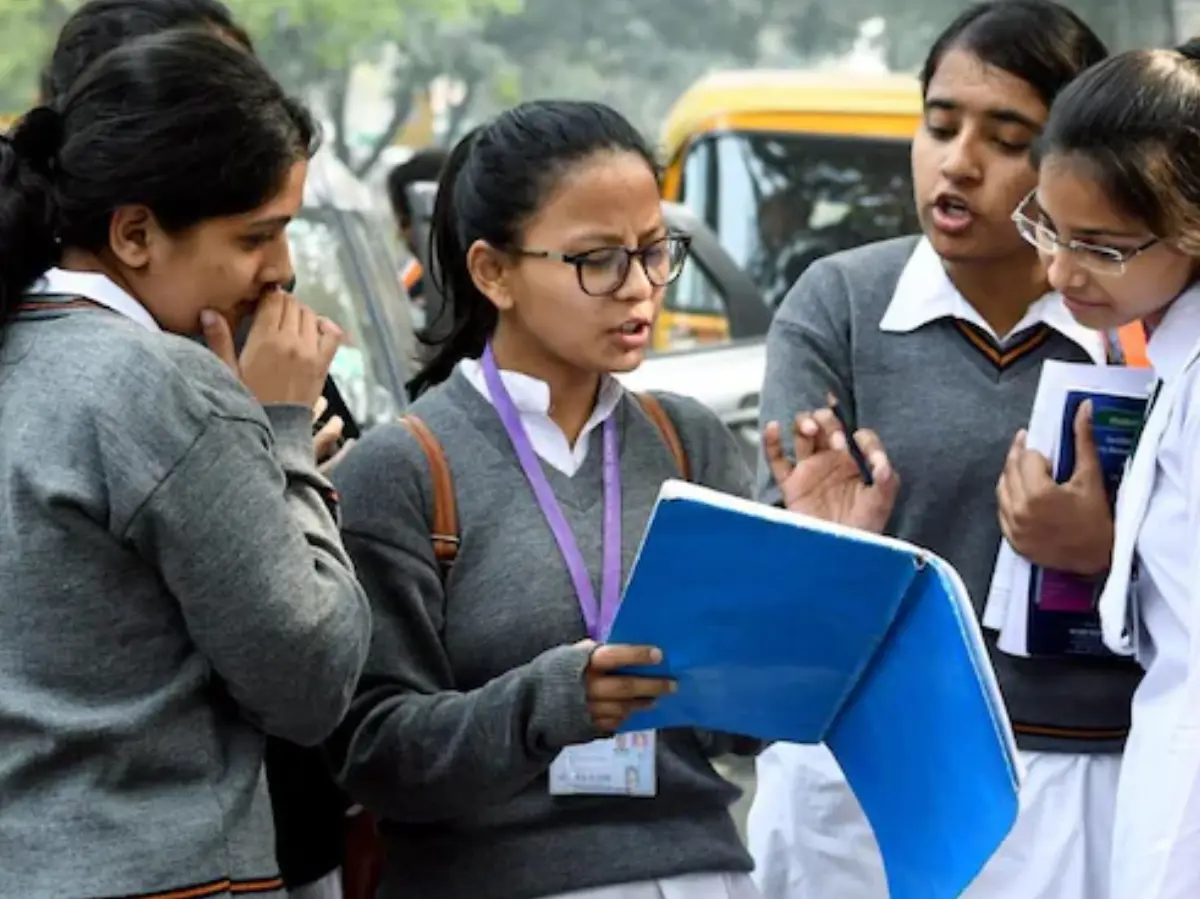
Old image for representation Photograph: (ANI)
CBSE clarified that Class 12 Mathematics exam papers remain genuine after viral claims that a QR code led to a “Rickroll” video. The board said the codes are part of security features and no breach occurred, though preventive measures will be taken.
The Central Board of Secondary Education (CBSE) has clarified that the Class 12 Mathematics board examination papers are genuine and their security has not been compromised, following confusion over a QR code printed on some question papers.
The clarification came after several social media posts claimed that scanning a QR code on the exam paper redirected users to a YouTube video of “Never Gonna Give You Up” by Rick Astley, a well-known internet prank commonly referred to as “rickrolling”.
Viral claims spark confusion
The Class 12 Mathematics examination was conducted on March 9 across thousands of centres in India. Shortly after the exam concluded, screenshots of the question paper began circulating on social media platforms, with students claiming that scanning a QR code printed on the paper opened the popular music video.
The claim quickly gained traction online, particularly on platforms such as Reddit, where students shared screenshots and joked about encountering the unexpected link during a crucial board exam.
Also read: IndiGo CEO Pieter Elbers resigns with immediate effect, months after flight disruption crisis
Trending Stories
&im=FitAndFill=(700,400))
)
)
)
)
&im=FitAndFill=(700,400))
)
)
)
)
)
)
)
)
)
)
)
&im=FitAndFill=(700,400))
)
)
)
)
)
&im=FitAndFill=(700,400))
)
)
)
)
)
&im=FitAndFill=(700,400))
)
)
)
However, accounts from students varied. While some said the QR code redirected them to the YouTube video, others reported that scanning the code only displayed simple alphabet markers such as “A” or “Q”, rather than linking to any external website or video. The conflicting experiences led to uncertainty among students and parents about whether the viral screenshots were genuine, the result of a technical glitch, or simply a misleading image circulating online.
CBSE says papers are genuine
In a notification issued after the examination, CBSE stated that board exam question papers include multiple security features designed to maintain confidentiality and verify authenticity. According to the board, QR codes printed on question papers are part of these built-in security mechanisms and can be used to confirm the authenticity of the document in case of suspected leaks or breaches.
The board acknowledged that in a few question paper sets, scanning one of the QR codes appeared to open a YouTube video link. However, CBSE emphasised that this does not affect the legitimacy or security of the examination papers.
“The question papers are genuine. The security of the question papers remains uncompromised,” the board said in its statement.
Preventive steps planned
CBSE added that the concerns raised by students and parents regarding the QR code have been taken seriously. While reiterating that the authenticity of the question papers remains intact, the board said it will take necessary preventive measures to ensure that such issues do not occur in future examinations.

