SpaceX after IPO: Musk became a trillionaire, but who all own what percentage of the company? Why we may never know

&imwidth=600&imheight=450&format=webp&quality=medium "SpaceX after IPO: Musk became a trillionaire, but who all own what percentage of the company? Why we may never know")
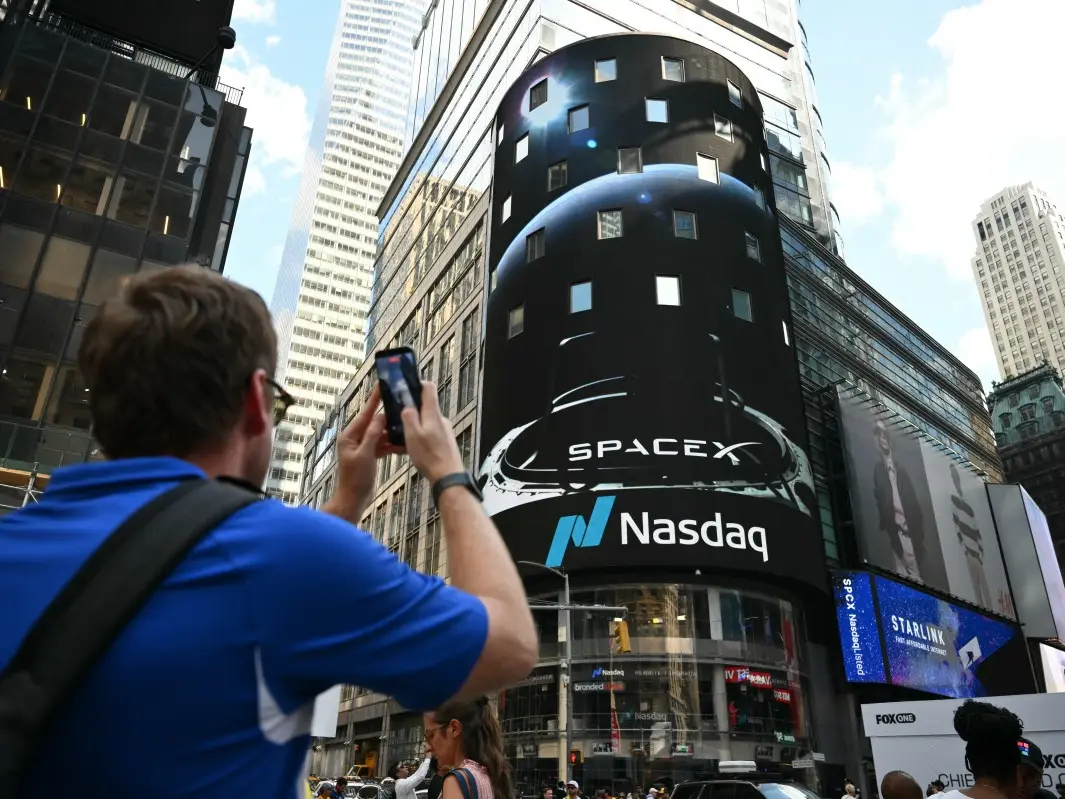
SpaceX debut at Nasdaq made a lot of people richer Photograph: (AFP)
SpaceX's IPO floated 4.3 per cent of the company, but Musk retained roughly 42 per cent ownership and 82.4 per cent voting control. Who owns the rest, including major pre-IPO investors and employees?
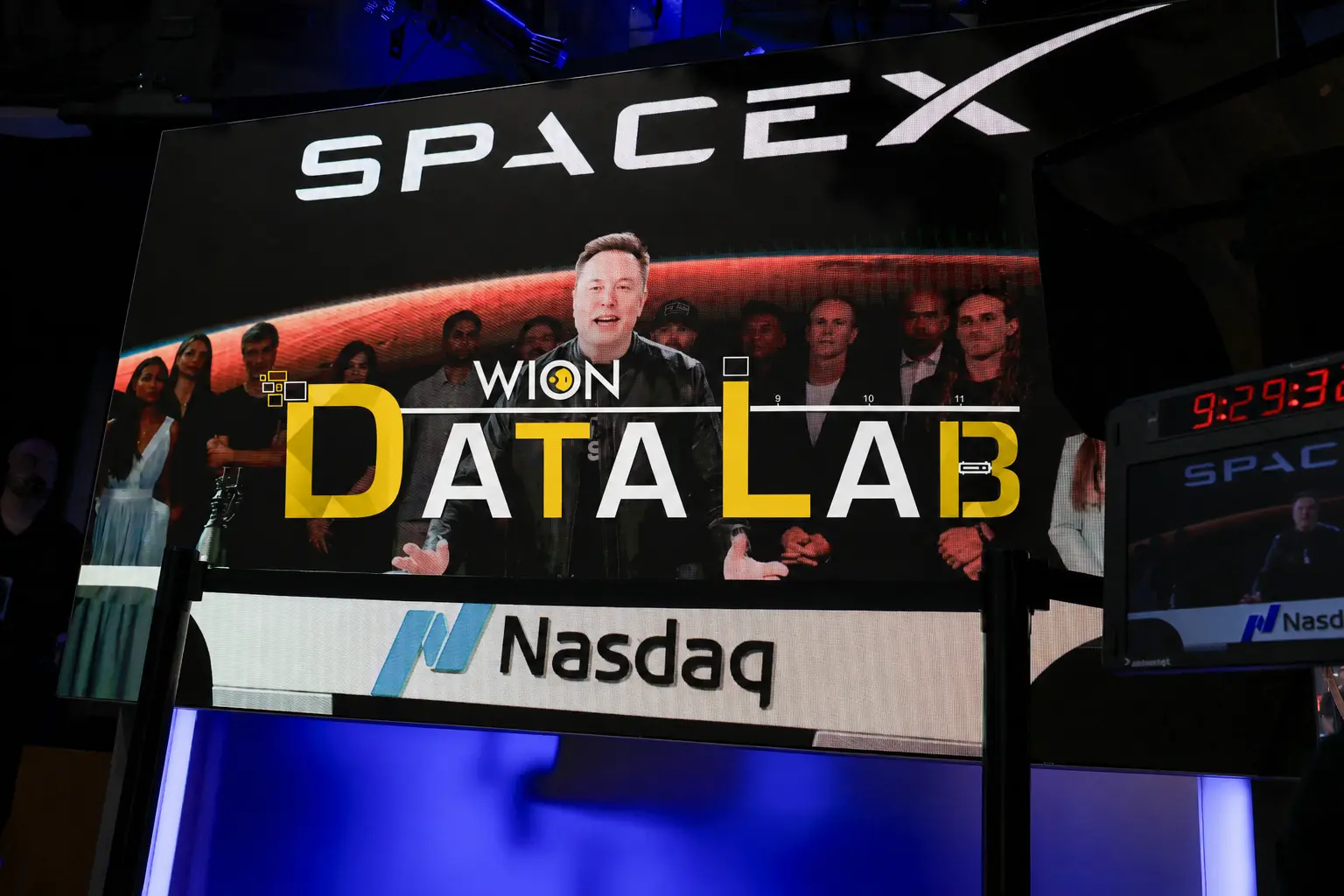
In its blockbuster IPO on Friday (Jun 12), SpaceX sold roughly 555.6 million new Class A common shares at $135 apiece at a valuation of roughly $1.75 trillion, turning founder Elon Musk into a trillionaire. The IPO floated 4.3 per cent of SpaceX's equity. Musk's nearly 42 per cent stake and voting control were essentially untouched by the listing, as the IPO consisted mostly of newly issued shares rather than insiders cashing out. IPO sales came mainly from these newly issued shares, plus a roughly $3.75 billion friends-and-family tranche.
How SpaceX IPO was lapped up by institutional and retail investors
Out of the 4.3 per cent of the company that was offered in the IPO, SpaceX initially targeted roughly 30 per cent retail participation. However, demand reshaped the allocation, and up to 80 per cent of the offered shares eventually went to institutional investors. So, out of the $75 billion offered, a little over 20 per cent went to retail investors, worth an estimated $16-17 billion, while up to 80 per cent went to institutional investors, estimated about $59 billion, according to reports.
The offering was oversubscribed by 3.5 to 4 times the $75 billion sought. Retail orders reportedly exceeded $100 billion, making it the biggest IPO debut for retail investors in recent memory.
The institutional investors included pension funds, mutual funds, sovereign wealth funds, hedge funds, asset managers and strategic investors. Retail investors used platforms such as Robinhood, Fidelity, Charles Schwab, SoFi and E-Trade.
Priced at $135, the stock opened at $150, up 11 per cent, briefly rose more than 30 per cent, and closed its first day at $160.95, up about 19.2 per cent.
Trending Stories
)
)
)
)
)
)
)
)
)
&im=FitAndFill=(700,400))
)
)
&im=FitAndFill=(700,400))
)
&im=FitAndFill=(700,400))
)
)
)
)
)
&im=FitAndFill=(700,400))
)
)
)
)
)
)
)
)
)
)
)
)
)
)
)
)
What percentage does Musk own now in SpaceX?
Musk's SpaceX stake, worth around $1 trillion, remained up to five times more valuable than all the shares sold to the public in the IPO combined. Even after becoming a public company, he likely retained near-effective control because of his large equity stake and super-voting shares.
According to SpaceX's S-1 filing, submitted publicly on May 20 after a confidential April 1 draft, Musk will control 82.4 per cent of the voting power after the IPO, as confirmed in the S-1/A amendment filed on June 3. Some post-IPO reports put that voting power at 85 per cent. Either way, it means Musk has unassailable majority vote.
It is important to note that the listed SpaceX entity is no longer just the rocket company. After absorbing xAI and X in February 2026, the filing consolidated all three businesses. Therefore, the 42 per cent Musk ownership figure refers to the combined entity.
His voting control is significantly higher because of the dual-class share structure, with Class B shares carrying super-voting rights, typically 10 votes per share compared with one vote for Class A shares.
Also read: Failed 3 times before success: What can founders learn from SpaceX's first three failures?
If Elon Musk still owns 42 per cent of SpaceX, who owns the rest?
It is important to note that the US Securities and Exchange Commission (SEC) requires companies to disclose only beneficial owners holding 5 per cent or more of a share class.
Every investor below that threshold, in this case most funds and all employees, is aggregated rather than itemised. The only other holders named in the filing with more than 5 per cent ownership are as follows:
Antonio Gracias, a board member since 2010, is the largest individual shareholder after Musk. He holds more than 503 million Class A shares, representing about a 7.3 per cent stake according to the S-1 filing.
Class B super-voting holders are strikingly few. Apart from Musk, they include SpaceX President and COO Gwynne Shotwell and Ira Ehrenpreis of DBL Partners. Ehrenpreis holds 564,650 Class B shares and 809,050 Class A shares. This structure keeps voting control firmly concentrated regardless of equity dilution.
Everyone else, including institutional and employee shareholders pre-IPO, are not individually broken out in the SEC filing.
Either way, all SpaceX shareholders are richer now
Major pre-IPO institutional investors of SpaceX include Andreessen Horowitz, DFJ Growth, Founders Fund of Peter Theil, Sequoia Capital, Valor Equity Partners, Thrive Capital, Alphabet, Baillie Gifford, D1 Capital Partners, Fidelity, Baron Capital, T. Rowe Price and 137 Ventures.
However, there is no uniformity in reporting regarding the percentage stakes these firms hold.
Alphabet, Google's parent company, is estimated to hold around 6-7.5 per cent, based on a $900 million investment made during the 2015 Series F round.
Founders Fund has been invested in SpaceX since 2008 and is estimated to hold about 1.5 per cent. However, some reports suggest that Fidelity, Founders Fund, Sequoia, Alphabet and Valor each hold stakes of 2 per cent or less.
SpaceX employees collectively hold an undisclosed share of the company. Notably, Donald Trump Jr., son of the US president, is among the shareholders through venture firm 1789 Capital.
All non-Musk shareholders combined may now own more than $1 trillion worth of SpaceX stock.
While there are discrepancies in the reporting, one thing is clear: the IPO created or expanded wealth for thousands of employees and investors simultaneously.