
&imwidth=800&imheight=600&format=webp&quality=medium "SpaceX just made history! $1.8 trillion IPO is the biggest listing ever")
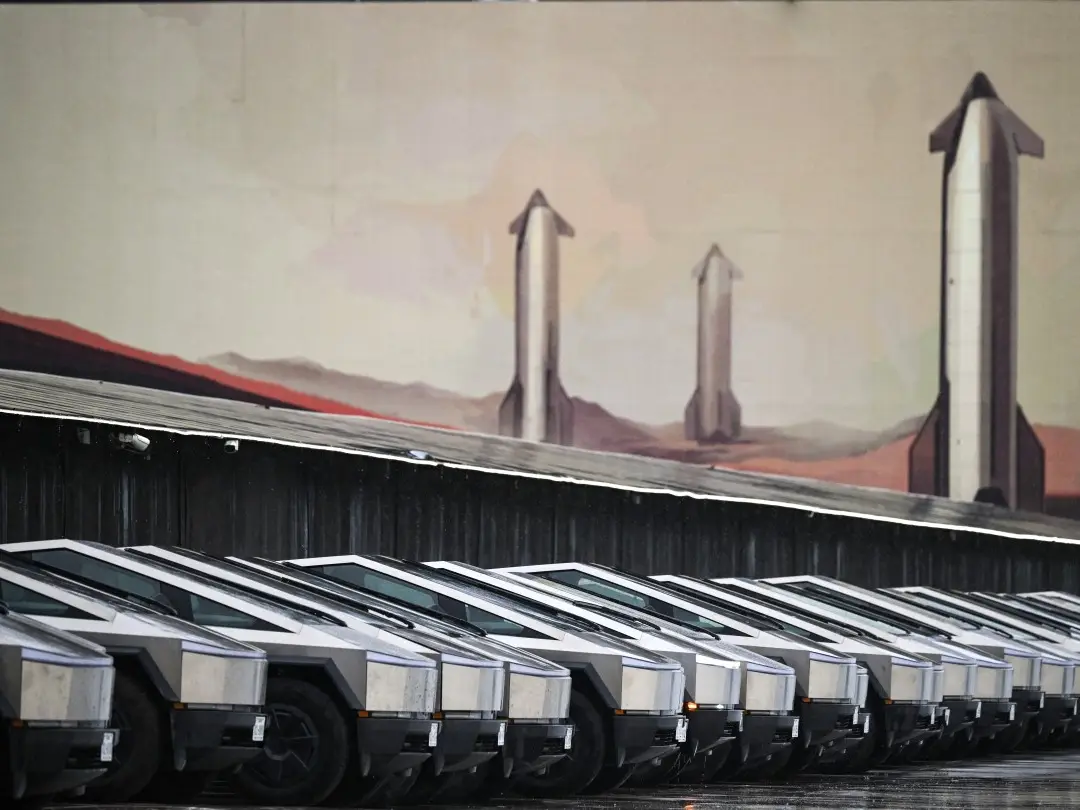
Elon Musk's SpaceX has officially gone public, and it has done so on a scale Wall Street has never witnessed before. On June 12, 2026, shares of Space Exploration Technologies Corp began trading on the Nasdaq under the ticker SPCX, priced at $135 apiece. At that price, SpaceX's market valuation sits at approximately $1.8 trillion — instantly placing it among the most valuable companies on the planet, ahead of household names like Walmart, ExxonMobil, and most global banks.
A Record-Breaking Raise
The IPO raised more than $30 billion by selling roughly 555.6 million shares, making it the largest public offering in financial history, easily surpassing previous record-holders such as Saudi Aramco and Alibaba. Bloomberg had reported as early as December 2025 that SpaceX was pursuing a raise far above $30 billion, and by April 2026 some reports suggested the company was seeking a valuation north of $2 trillion before settling closer to $1.8 trillion at pricing.

Demand from institutional investors was overwhelming. Order books were oversubscribed with more than $10 billion in bids from large funds, while retail investors — a group typically given only 5 to 10 percent of shares in major IPOs — were offered an unusually large 30 percent allocation, reflecting just how badly Wall Street wanted ordinary people to have a piece of the Musk empire.
What SpaceX Actually Sells
Behind the ticker symbol is a company with three distinct businesses. Its core rocket launch operations, including the Falcon 9 and Starship programs, generated about $4 billion in revenue in 2025. Its satellite internet division, Starlink, brought in $11.4 billion, by far the largest contributor. And a newer AI infrastructure business, leveraging SpaceX's data centers and computing capacity, added roughly $3 billion. Combined, SpaceX's total 2025 revenue came in at $18.7 billion, a 33 percent jump from the year before.
Trending Stories
)
Why asking questions could be more important than memorising answers
)
Did India risk its US trade deal despite softer stance at BRICS?
&im=FitAndFill=(700,400))
How 2nm technology improves iPhone performance
&im=FitAndFill=(700,400))
Shahid Kapoor to Rajkummar Rao: Actors who rule both theatres and OTT
)
BRICS Summit 2026: Trump wants to weaken BRICS, but maybe doing the opposite
&im=FitAndFill=(700,400))
Meet top 5 batters fastest to 3000 runs in T20Is
)
Did BRICS Summit 2026 prove that an 11-member bloc with India and China in it can still agree on key issues?
)
Top 5 places to visit in Goa beyond its famous beaches
)
Delhi’s balancing act: BRICS serves as a stage for West Asia diplomacy
&im=FitAndFill=(700,400))
Why European Meteor missiles use ramjet engines compared to standard US solid rockets
)
'He is popular...': Malaysian PM Anwar Ibrahim's praise for PM Modi during bilateral meeting | WATCH
)
Iran, India agree to deepen humanitarian and political ties, President Pezeshkian says
)
‘Want to reset ties with India, have engagement based on mutual interests,’ says Bangladesh minister
)
BRICS Summit 2026: PM Modi, Xi reach key consensus on ties, China to assume BRICS chairmanship in 2027
)
UK breakup on the cards? Scotland, Wales and Northern Ireland push for independence
)
Russia-Ukraine-US talks in October? Kremlin says not ruling out possibility of trilateral
)
Trump says Canada eager to reach a deal, it could come ‘fairly soon’ if Ottawa treats US farmers better
)
The Verdict | Africa is too big to remain a guest at the BRICS table
)
‘Partners, not rivals’: Xi outlines four point plan for stronger India-China ties
&im=FitAndFill=(700,400))
Why Chinese PL-15 air-to-air missiles use dual-pulse motors compared to European interceptors
)
NATO under Russian threat? Drone strikes just 2 km from Poland, narrow escape for former UK PM, CIA chief
)
Who is the smiling man beside Modi, Putin and Xi at BRICS Summit 2026?
)
BRICS Summit: New Delhi declaration adopted with full consensus, big diplomatic win for India
)
800 million years old - Scientists discover 'fingerprints' of supercontinent Gondwana in ancient rocks
)
Russian drone hits Warsaw-bound train near Polish border, Zelensky accuses Moscow of ‘deliberate’ targeting
)
War is making Russia stronger? How Ukraine is shaping Moscow’s next generation of weapons
)
9-year-old Chennai prodigy clears Cambridge IGCSE grade 10 exams
)
Indian importers urge Bangladesh to lift export ban on 'Hilsa' fish ahead of Durga Puja
)
Humans may lose control of AI: Anthropic CEO calls for slowdown, Altman, Musk back him
)
US diplomat accused of possessing child abuse images secretly flown out of UK by US Marines
)
BRICS Summit 2026: Modi-Xi moment highlights India-China thaw at BRICS
)
Why does your skin need protection from UV rays?
&im=FitAndFill=(700,400))
From Rinku Singh to Mayank Yadav, 5 players dropped from India’s squad for Afghanistan T20Is
)
PM Modi and China's Xi offered to help resolve Russia-Ukraine war: Kremlin
)
Akram, Afridi, Mushtaq tear into PCB after Pakistan’s Test series collapse in UK
Why This Listing Matters
For decades, SpaceX remained one of the most valuable private companies on Earth, raising capital exclusively from venture funds, sovereign wealth funds, and employee share sales — all while avoiding the scrutiny that comes with public markets. That era is now over. As a public company, SpaceX must file quarterly earnings, disclose financial risks, and answer to shareholders in a way it never has before.
The listing also arrives amid what analysts are calling a 2026 IPO boom, with other major private tech companies, including OpenAI and Anthropic, reportedly eyeing similar public listings. SpaceX's debut sets the benchmark — and the bar — for how the market will price the next generation of frontier technology companies, from rockets and satellites to artificial intelligence.
Whether SpaceX can justify its trillion-dollar price tag over the long run is a question that will now play out in full public view, every quarter, for the first time in the company's 24-year history.
