
&imwidth=800&imheight=600&format=webp&quality=medium "Trump loses Supreme Court battle over mail ballots ahead of US midterms: What happened?")
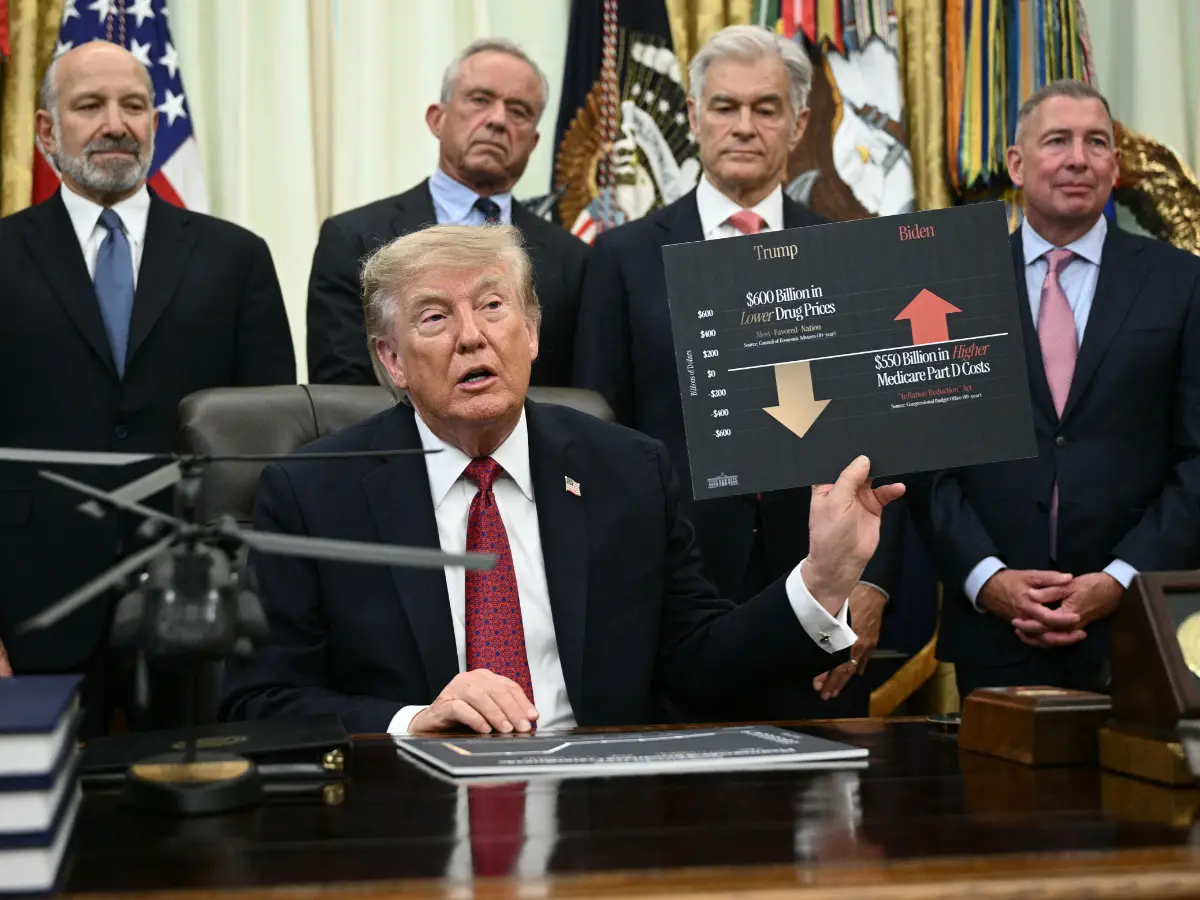
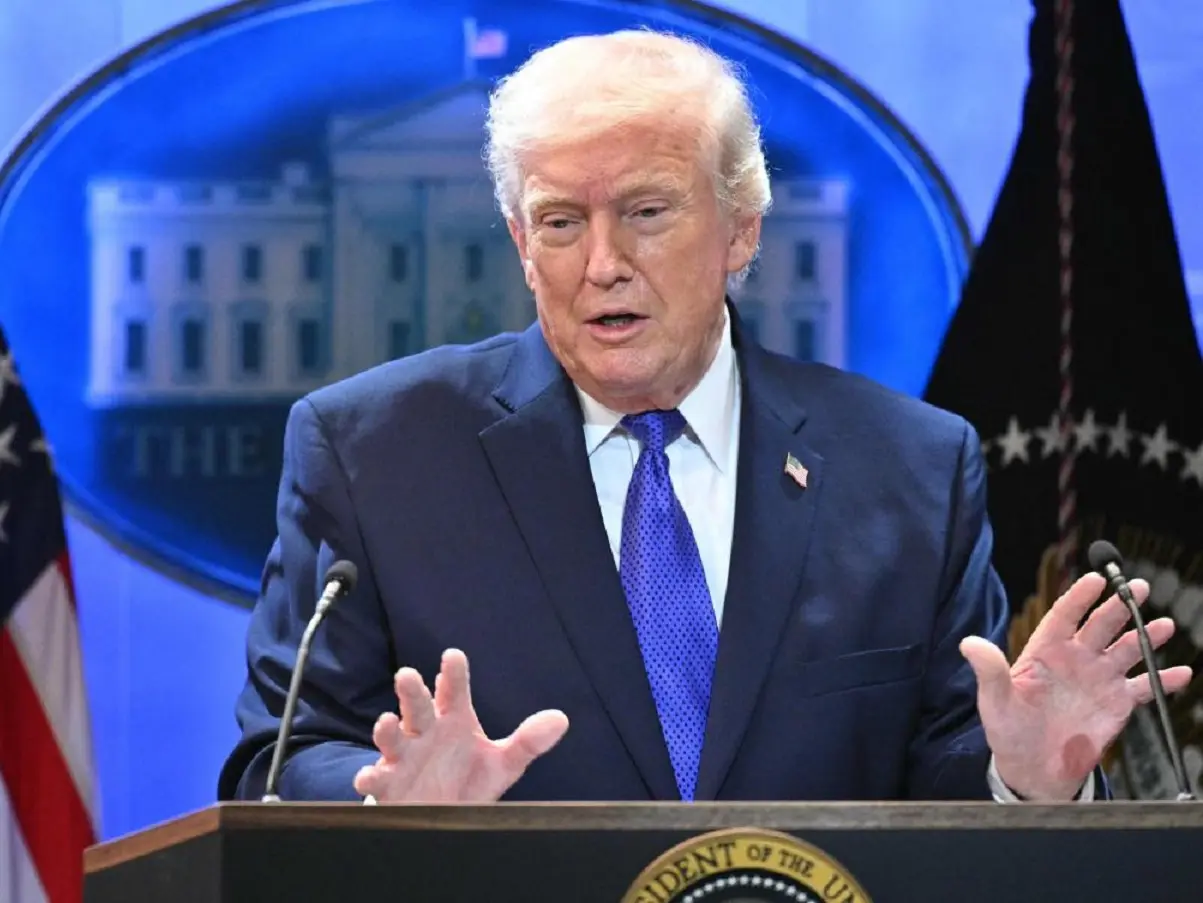
The US Supreme Court on Monday (Sep 14) rejected President Donald Trump's bid to restrict mail ballots for the midterm elections. The decision allows states to continue sending out mail ballots under the same processes that is being used for years. Mail ballots account for nearly a third of votes cast. The Supreme Court majority did not detail its reasoning but two justices, Samuel Alito and Clarence Thomas, publicly dissented from the brief order. The Trump administration had asked the court to clear the way for restrictions before the November midterms.
Alito wrote in his dissent that the Postal Service "has broad authority to regulate the mail" and likely does have the power to enforce Trump's restrictions. Justice Brett Kavanaugh agreed that the restrictions should not go into effect for the midterms but indicated he might rule in favour of the Trump administration if the issue comes back before the court at a later time.

Earlier in August, US Supreme Court gave a temporary victory to Trump in his effort to restrict mail-in voting ahead of the November midterm by allowing key parts of his executive order to move forward. The court's 6-3 decision lifted a lower court's injunction that had blocked parts of Trump's March 31 executive order, which seeks to impose new federal requirements on mail-in ballots. The justices did not rule that the order is ultimately constitutional.
Why is Trump against it?
Trending Stories
)
Did India risk its US trade deal despite softer stance at BRICS?
)
Trump rejects AI guardrails, says he stopped AI firms from doing ‘bad things’
)
Pakistan puts Pak Rs 70 lakh bounty on UN terrorist Masood Azhar; move draws skepticism in Delhi
)
‘US ensuring global energy supplies’: Trump demands reimbursement for securing Strait of Hormuz
)
'Huge destructive power': North Korea calls its latest missile launches 'live-fire drill' even as US dismisses 'immediate threat'
)
Historic first: ‘Ganga aarti’ performed on River Thames in London
)
‘Let’s go’: Newly declassified videos show dramatic rescue of US Air Force officers downed in Iran
&im=FitAndFill=(700,400))
Why European Meteor missiles use ramjet engines compared to standard US solid rockets
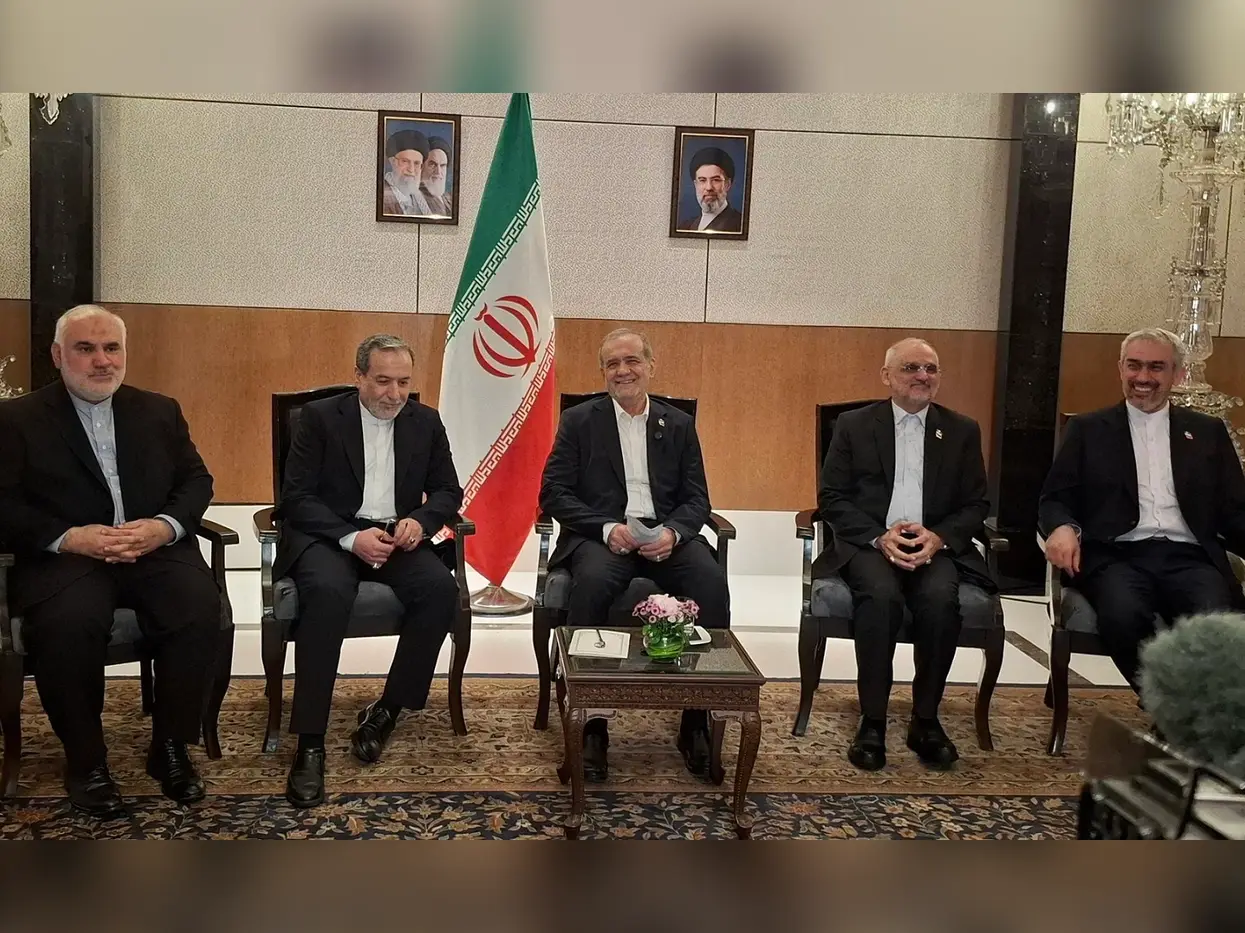)
Iran, India agree to deepen humanitarian and political ties, President Pezeshkian says
)
‘Want to reset ties with India, have engagement based on mutual interests,’ says Bangladesh minister
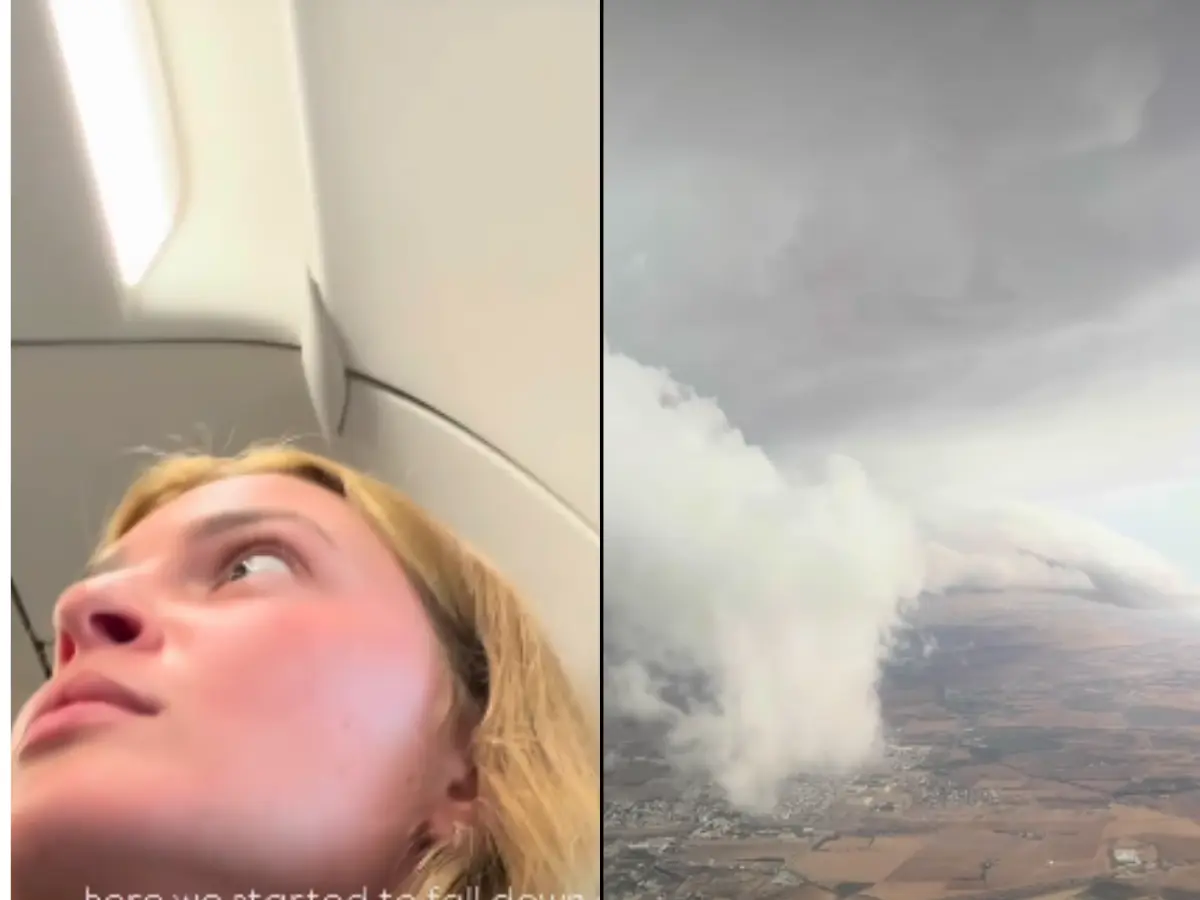)
Turkish Airlines plane flies through a storm three times, triggering severe turbulence
&im=FitAndFill=(700,400))
Why Chinese PL-15 air-to-air missiles use dual-pulse motors compared to European interceptors
)
BRICS set of guidelines for disaster management
)
800 million years old - Scientists discover 'fingerprints' of supercontinent Gondwana in ancient rocks
)
Russia proposes to build 360 kmph Ivolga FG trains in India: What happened on sidelines of BRICS
)
China discovers vast gold and silver 'mine' in the Pacific with unheard-of deposits
)
Who really benefits from the BRICS bank? Inside the New Development Bank's $43 billion portfolio
)
Plane carrying prominent figure crashes at Libya’s Misrata airport: Report
)
Woman removes all her clothes on American Airlines flight, performs 'indecent acts'; arrested
&im=FitAndFill=(700,400))
New OTT releases this week (September 14-20, 2026): Lust Stories 3, Waiting Hai, Irumudi- 5 new titles coming on Netflix, Prime Video and more
)
Liam Neeson sparks romance rumours after holding hands with Stella Stocker at TIFF 2026
)
Sent home midway from UK tour, Pakistan's Salman Agha hits 300* in domestic return
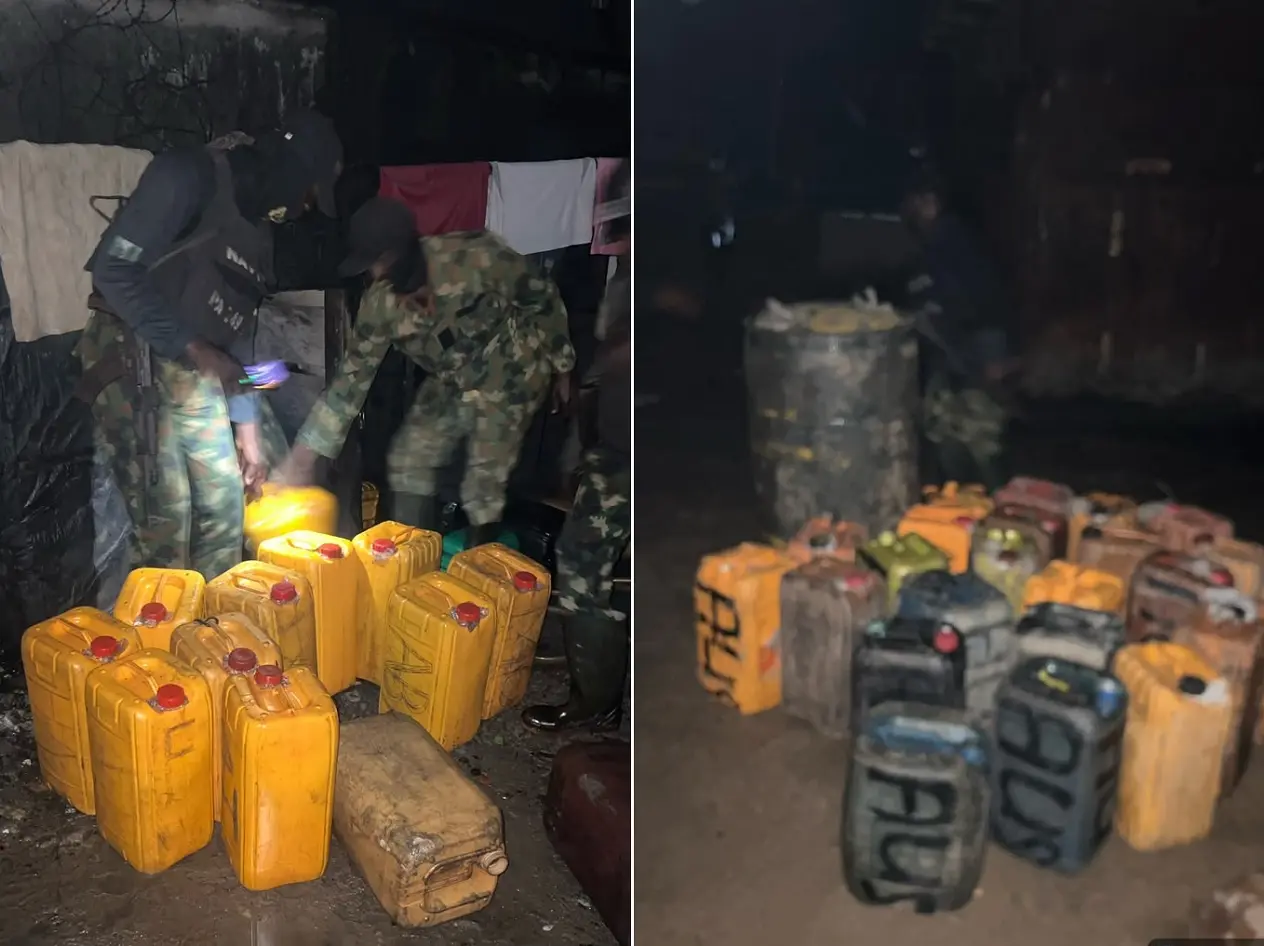)
Nigerian Navy seizes 10,000 litres of suspected illegal fuel in Rivers State crackdown
)
Saudi Arabia discovers 110 million tonnes of Uranium-rich ore in Madinah region
)
Ecstasy tablets are rage in 'drug haven' Libya | Gravitas
)
'Now Trump is copying us': Shivakumar links US $5,000 plan to Congress guarantees
)
Video of Pakistani lawmaker struggling to read English tribute to Jinnah goes viral - WATCH
)
Trump downplays China's alleged 'help' to Iran in strike on Jordan base | Gravitas
)
Meghan Markle shares first glimpse of family life with Prince Harry and children in UK
)
Baba Vanga's first prophecy for 2027 is out, and straight out of science fiction
)
Photographs, LeT labels vanish from two 2008 Mumbai attack entries in Pakistan’s most wanted list
)
US court blocks Trump administration move ending automatic H-4 EAD extensions for seven spouses
)
Indian Americans, fellow Republicans react sharply to Bo French’s post targeting 'foreigner' students in Texas
)
UK man admits drugging, raping wife for 20 years in shocking abuse case
)
Extreme warming in Indian Ocean added 695 billion tons of ice to Antarctica ice sheet
)
Scotland, Wales & Northern Ireland push for exit from UK | Race To Power
Trump falsely attributed his loss in the 2020 presidential election to Joe Biden to mailed ballots. In 2020, due to COVID-19 pandemic, mailed ballots were expanded but, Trump, his officials and supporters argued that changes made in voting in Georgia, Michigan, Wisconsin, Arizona, Nevada and Pennsylvania were unlawful. Trump called it “the greatest scam in the history of politics.” In March 2026, when he is the President, Trump issued an executive order requiring the US Postal Service maintain a list of eligible voters and block mailed ballots to anyone not on that list. He wants to transform the change into law via the Save America Act in the US Congress.

