
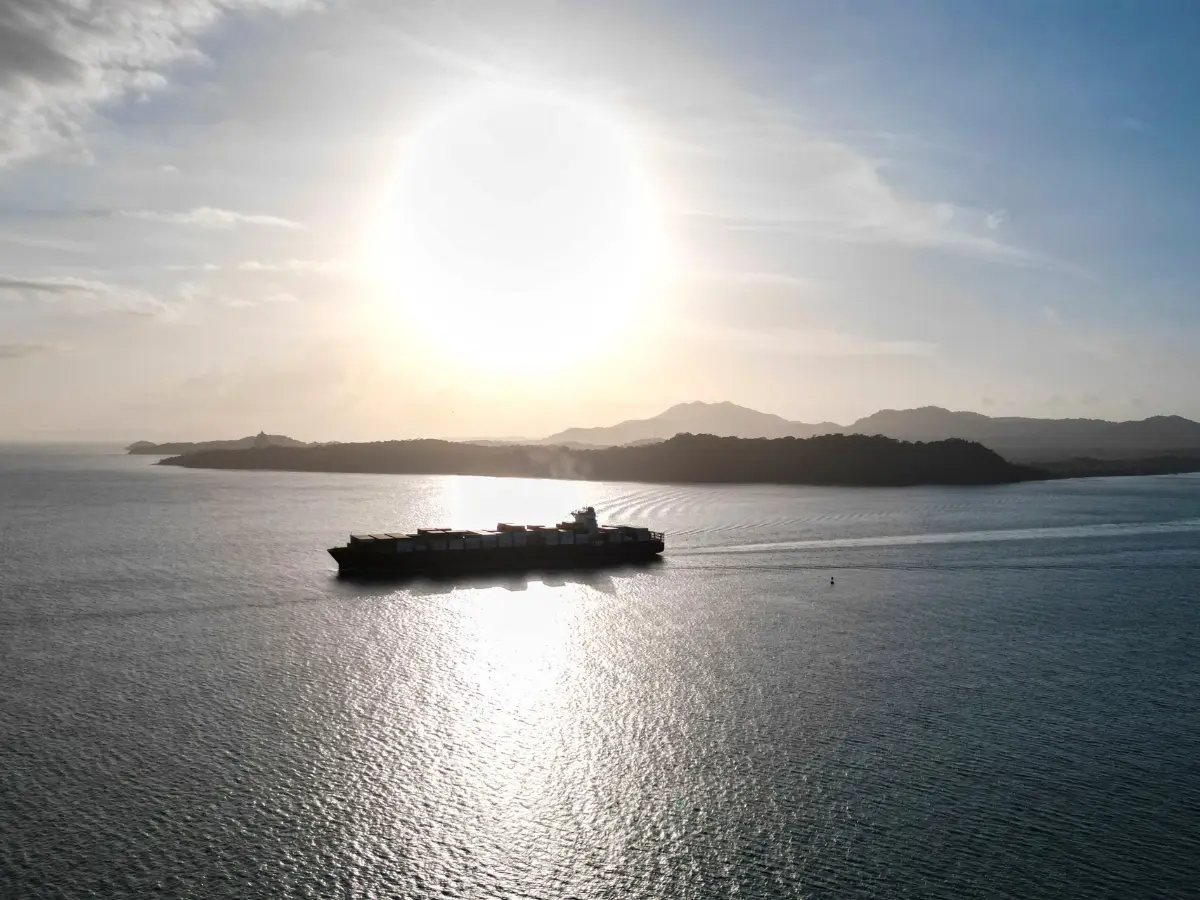
&imwidth=800&imheight=600&format=webp&quality=medium "China discovers vast gold and silver 'mine' in the Pacific with unheard-of deposits")
Chinese scientists have discovered a mineral deposit containing a large amount of gold and silver in the Pacific Ocean. The high concentration of the two metals is an extremely unusual find. The researchers said that the region has huge economic value and mining potential, CCTCV News reported. However, mining the ocean floor remains a contentious topic.
A joint scientific expedition carried out by researchers from Tsinghua University, the Qingdao Institute of Marine Geology and Shanghai Jiao Tong University made the discovery. The gold and silver deposits were found in a hydrothermal field, an area on the ocean floor where extremely hot fluids rich in minerals seep upwards through the cracks.
Sulfide cones with huge amounts of gold and silver

The team found three large, cone-shaped seafloor massive sulfides (SMS) or hydrothermal sulfide deposits. Most of the time, they contain copper, zinc and lead, and smaller quantities of gold and silver. In this case, they found that the precious metals surpassed the rest. CCTV News reported that the gold and silver deposits in some of the ore samples exceed those found on land.
How much gold and silver was discovered by China?
According to preliminary analysis, gold concentrations reach up to 0.45 troy ounces (0.4937 ounces) per US short ton of ore, while silver grades reached 36.3 troy ounces (39.83 ounces) per US short ton. The potential polymetallic sulfide resources in the area could be equal to world-class seafloor deposits. "The [large seabed mining area] has extremely high exploitation value," said Song Shiji, one of the lead scientists on the project.
Trending Stories
)
Did India risk its US trade deal despite softer stance at BRICS?
&im=FitAndFill=(700,400))
How 2nm technology improves iPhone performance
&im=FitAndFill=(700,400))
Shahid Kapoor to Rajkummar Rao: Actors who rule both theatres and OTT
)
First naval drone battle? Ukraine says Sargan 3000 sank Russian unmanned boat
)
BRICS Summit 2026: Trump wants to weaken BRICS, but maybe doing the opposite
&im=FitAndFill=(700,400))
Meet top 5 batters fastest to 3000 runs in T20Is
)
Delhi’s balancing act: BRICS serves as a stage for West Asia diplomacy
&im=FitAndFill=(700,400))
Why European Meteor missiles use ramjet engines compared to standard US solid rockets
)
'He is popular...': Malaysian PM Anwar Ibrahim's praise for PM Modi during bilateral meeting | WATCH
)
Iran, India agree to deepen humanitarian and political ties, President Pezeshkian says
)
‘Want to reset ties with India, have engagement based on mutual interests,’ says Bangladesh minister
)
BRICS Summit 2026: PM Modi, Xi reach key consensus on ties, China to assume BRICS chairmanship in 2027
)
UK breakup on the cards? Scotland, Wales and Northern Ireland push for independence
)
Russia-Ukraine-US talks in October? Kremlin says not ruling out possibility of trilateral
)
Trump says Canada eager to reach a deal, it could come ‘fairly soon’ if Ottawa treats US farmers better
)
‘Partners, not rivals’: Xi outlines four point plan for stronger India-China ties
&im=FitAndFill=(700,400))
Why Chinese PL-15 air-to-air missiles use dual-pulse motors compared to European interceptors
)
NATO under Russian threat? Drone strikes just 2 km from Poland, narrow escape for former UK PM, CIA chief
)
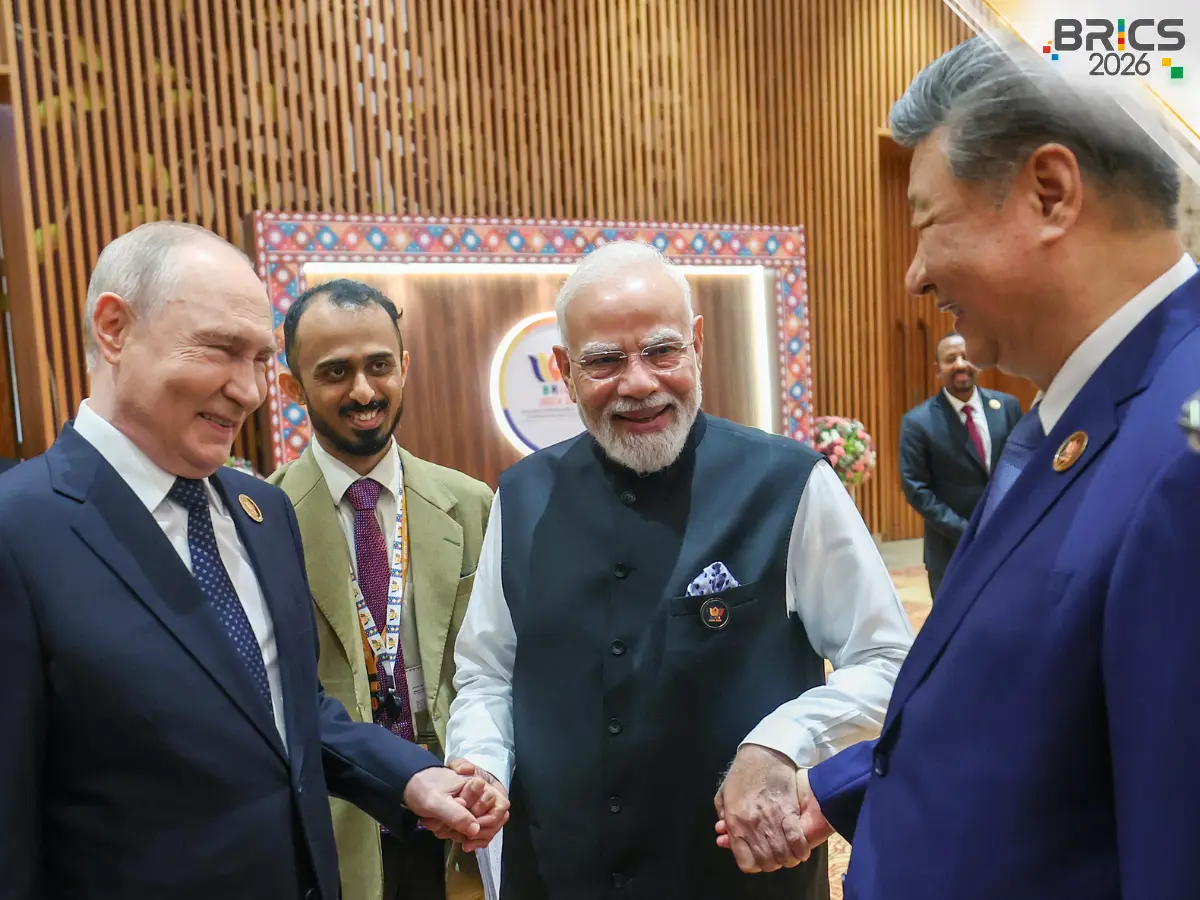
Who is the smiling man beside Modi, Putin and Xi at BRICS Summit 2026?
)
BRICS Summit: New Delhi declaration adopted with full consensus, big diplomatic win for India
)
800 million years old - Scientists discover 'fingerprints' of supercontinent Gondwana in ancient rocks
)
Russian drone hits Warsaw-bound train near Polish border, Zelensky accuses Moscow of ‘deliberate’ targeting
)
War is making Russia stronger? How Ukraine is shaping Moscow’s next generation of weapons
)
Why Xi skipped PM Modi's gala dinner hosted for BRICS leaders
)
NEET-UG to move to computer-based test soon, NTA DG says ‘CBT is the future’
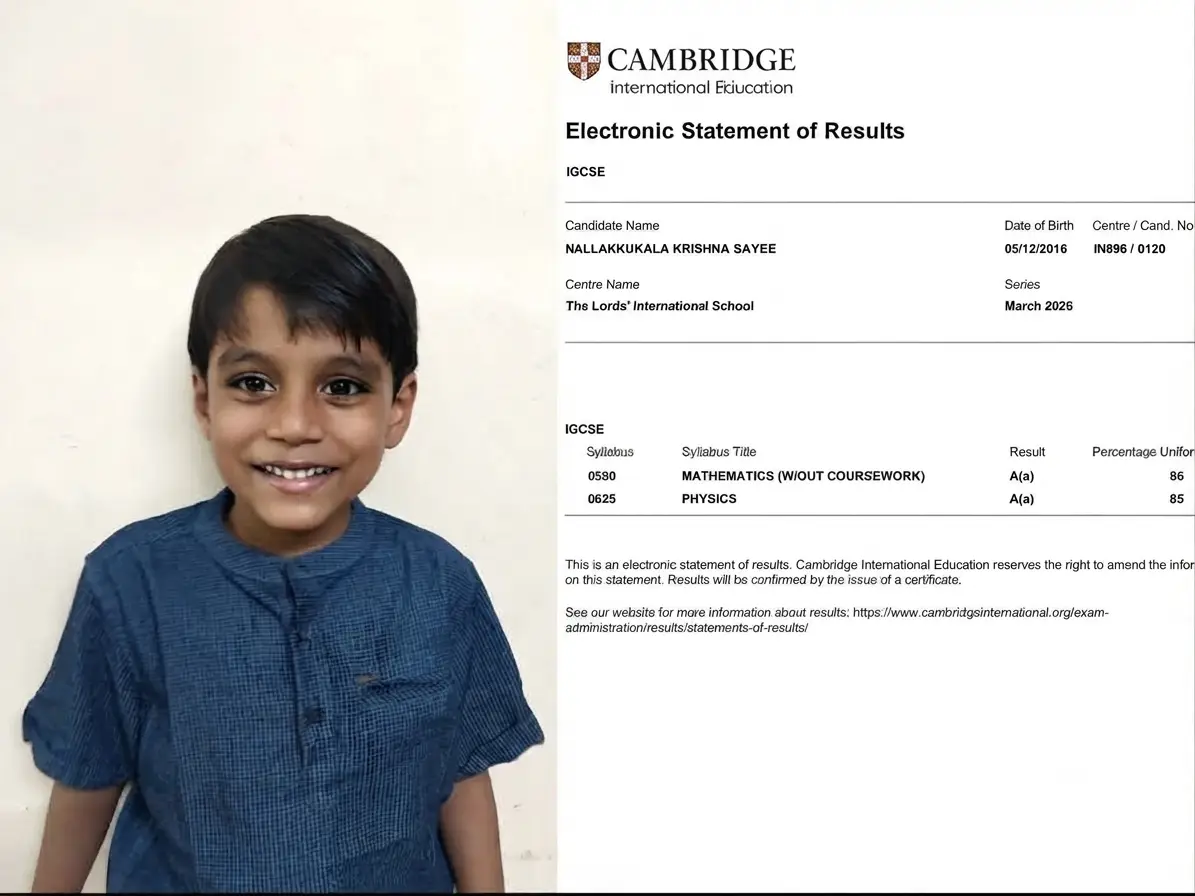)
9-year-old Chennai prodigy clears Cambridge IGCSE grade 10 exams
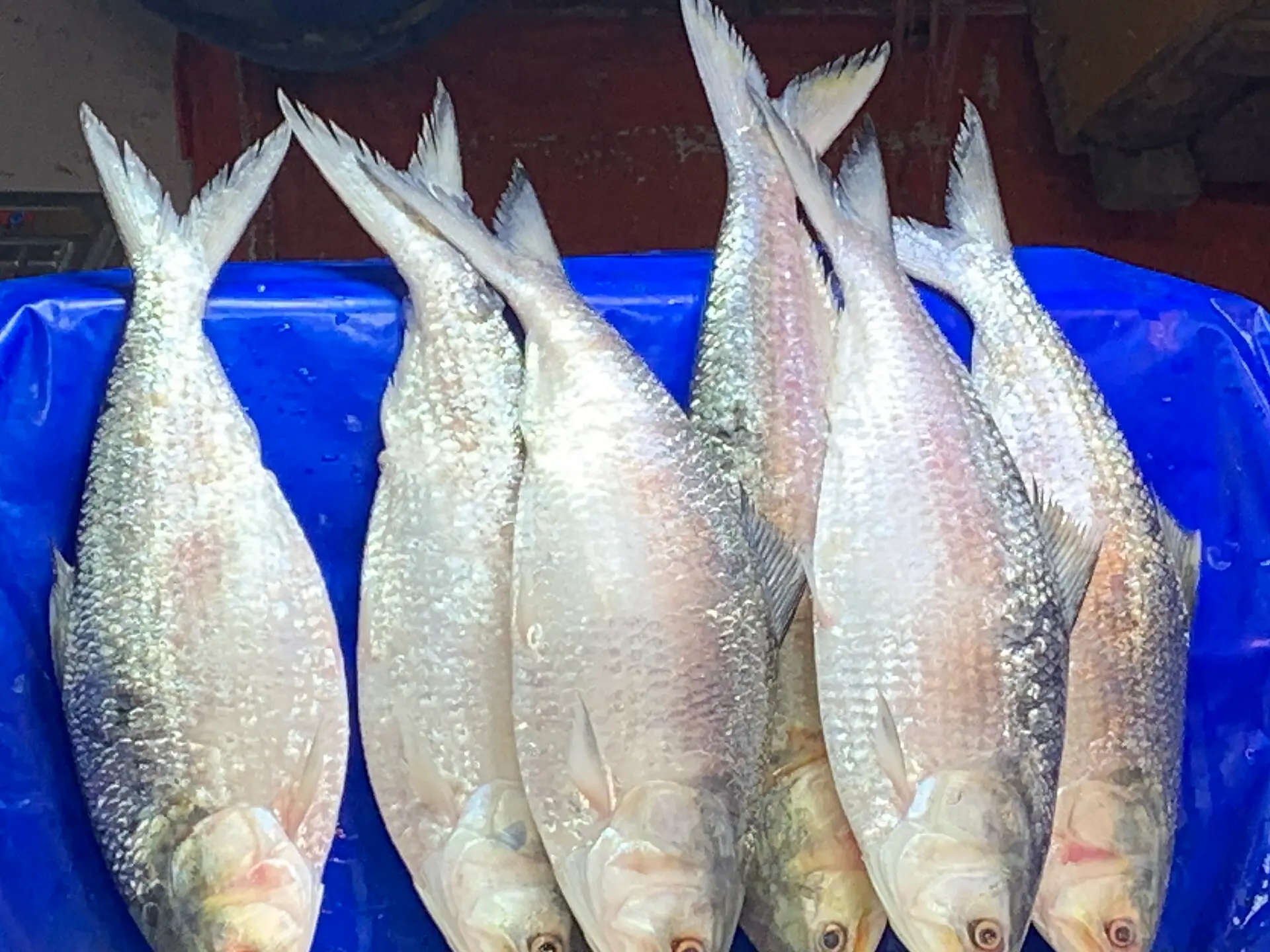)
Indian importers urge Bangladesh to lift export ban on 'Hilsa' fish ahead of Durga Puja
)
Baba Vanga's first prophecy for 2027 is out, and straight out of science fiction
)
Humans may lose control of AI: Anthropic CEO calls for slowdown, Altman, Musk back him
)
US diplomat accused of possessing child abuse images secretly flown out of UK by US Marines
)
BRICS Summit 2026: Modi-Xi moment highlights India-China thaw at BRICS
&im=FitAndFill=(700,400))
From Rinku Singh to Mayank Yadav, 5 players dropped from India’s squad for Afghanistan T20Is
)
PM Modi and China's Xi offered to help resolve Russia-Ukraine war: Kremlin
)
Akram, Afridi, Mushtaq tear into PCB after Pakistan’s Test series collapse in UK
The expedition and research
The 18-day voyage started from Shenzhen on August 10 on the Chinese oceanographic research ship Xiang Yang Hong 10. The researchers conducted seven dives with submersibles during this time, which led them to a back-arc basin in the western Pacific. Previous expeditions had already identified dozens of hydrothermal vents at depths between 2,300 and 4,920 feet, with temperatures reaching more than 315 degrees Celsius. Later, they came across a very large hydrothermal mining area within the basin.
After they came across the mounds, the ore bodies were analysed in the laboratory on the ship, which showed that they are mainly composed of chalcopyrite, pyrite and sphalerite, minerals with high economic value. Some of the samples contained 15.4 parts per million (ppm), equivalent to 15.4g of gold per ton of ore, while silver content reached as high as 1,271 ppm, or 1,271g per ton.
Location of gold and silver deposits
According to maritime tracking data, Xiang Yang Hong 10 travelled through waters north and east of Taiwan and north of the Philippines during the expedition. Chinese state media reported that the basin is located within China’s exclusive economic zone, although the exact coordinates have not been shared.

