How 2nm technology improves iPhone performance

The iPhone 18 Pro's 2nm A20 Pro uses Gate-All-Around transistors for massive efficiency gains. With a 7-core GPU and 12GB RAM, it delivers 30 per cent better battery life and 40 per cent better sustained performance.

The 2-Nanometre Revolution
The iPhone 18 Pro debuts the Apple A20 Pro, the first smartphone chip built on TSMC's cutting-edge 2-nanometre process. This historic silicon leap fundamentally redefines mobile computing power and battery efficiency.

A New Transistor Design
Moving to two nanometres allows Apple to abandon older FinFET technology. The A20 Pro introduces a Gate-All-Around (GAA) nanosheet architecture, drastically reducing electrical leakage and packing in billions more transistors.
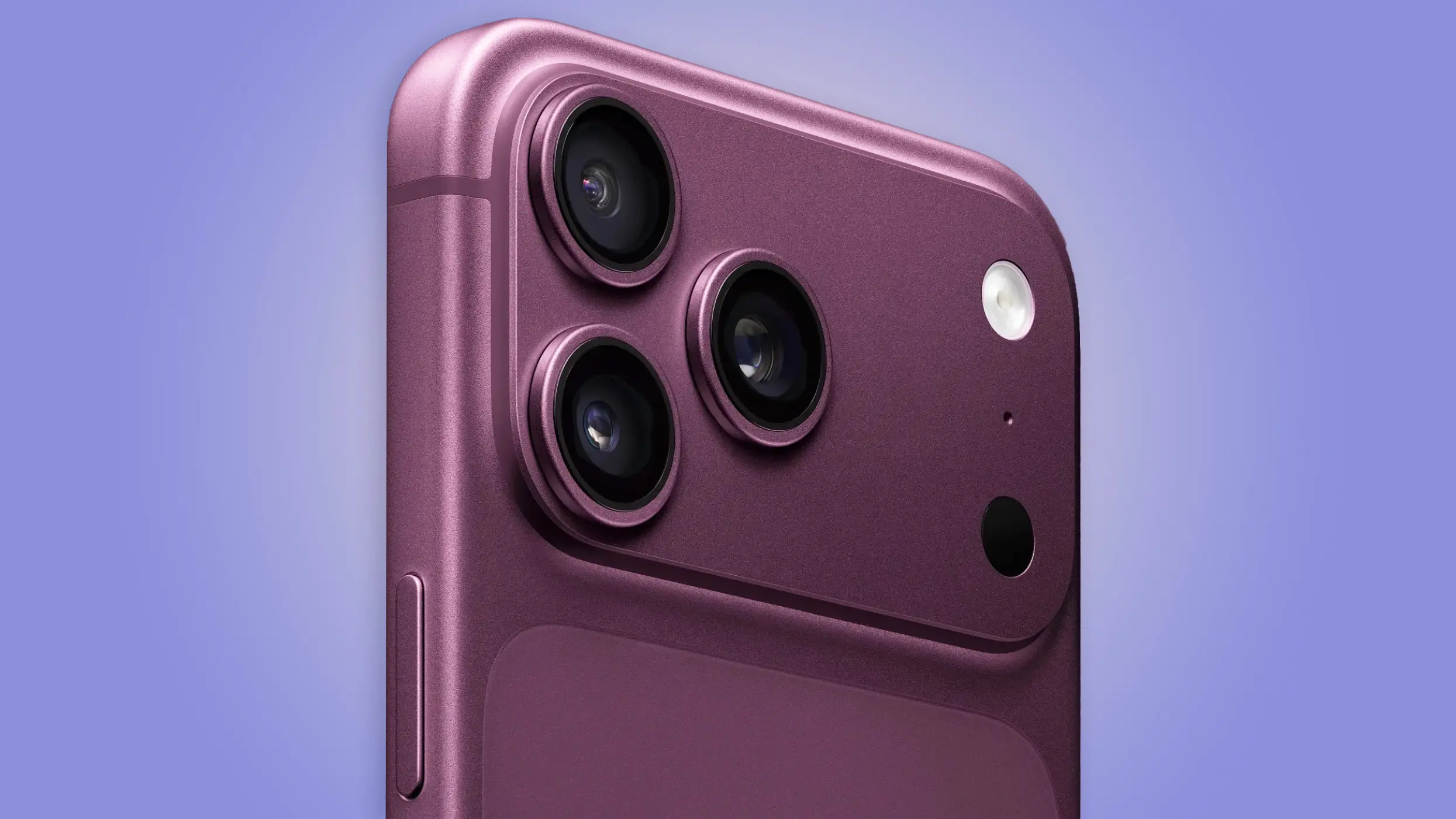
Massive Efficiency Gains
The biggest real-world impact of the 2-nanometre node is extreme energy efficiency. The A20 Pro consumes up to 30 per cent less power than its 3-nanometre predecessor, delivering significantly longer battery endurance.

Desktop-Class Processing
The 6-core CPU features two brand-new super cores that deliver up to 20 per cent faster single-thread speeds. This advanced architecture ensures the iPhone 18 Pro rivals top-tier desktop processors in raw computational tasks.

Unprecedented Graphics
Apple has radically overhauled its graphics architecture, upgrading to a massive 7-core GPU. The 2-nanometre density allows this new cluster to deliver up to 40 per cent faster graphics performance for console-level gaming.

Sustained Peak Power
Raw speed rapidly drops if a device overheats during heavy usage. Thanks to the 2-nanometre chip's thermal efficiency and a redesigned vapour chamber, the iPhone 18 Pro delivers 40 per cent better sustained performance.

The AI Powerhouse
To support on-device Apple Intelligence, the chip pairs a massive 32-core Neural Engine with a 96-bit memory bus and 12GB of RAM. This extreme 50 per cent memory bandwidth increase handles complex local AI instantly.
)
)
)
)