The iPhone 18 Pro camera just learned a DSLR trick: Know more below

The iPhone 18 Pro features a mechanical variable aperture on its 48MP main camera. By shifting between four physical stops (f/1.48 to f/4.0), the lens delivers real optical bokeh, sharp group photos, and massive low-light improvements.
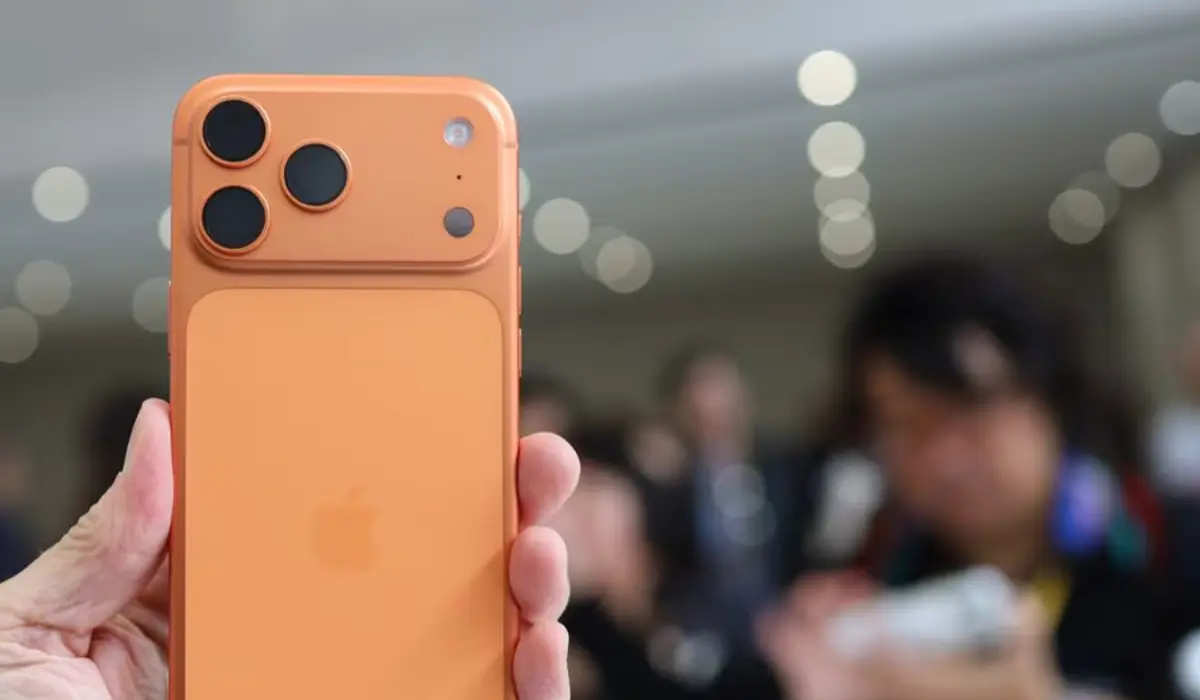
A True Physical Upgrade
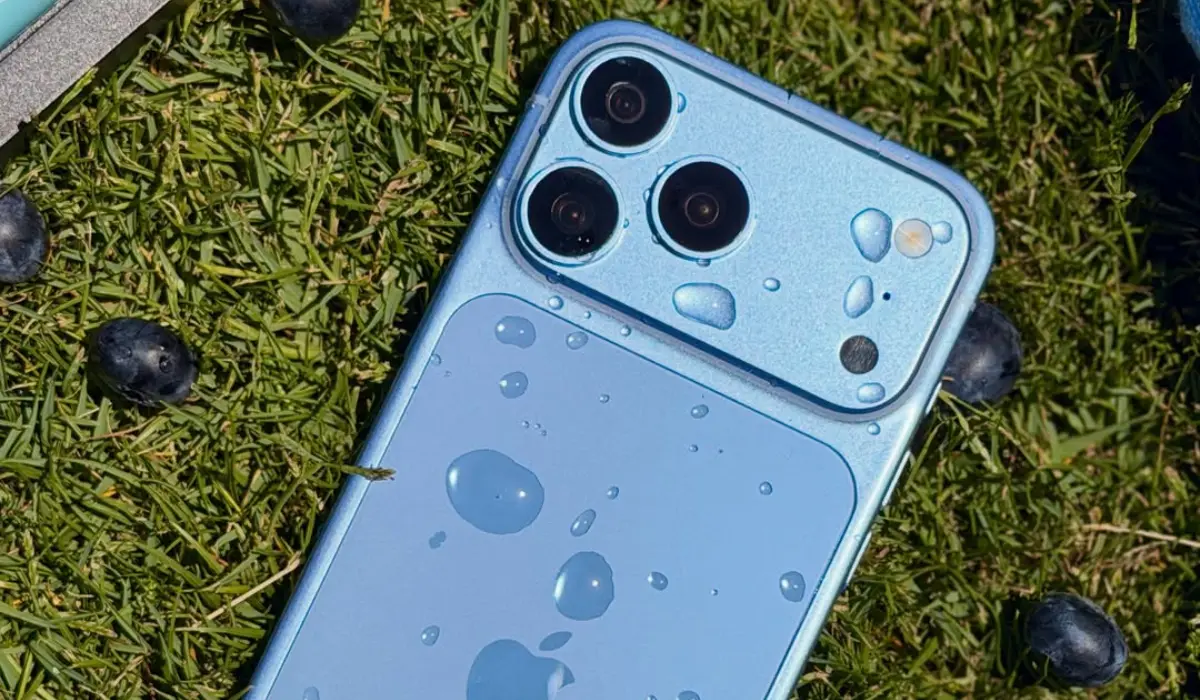
Apple has equipped the iPhone 18 Pro with a mechanical variable aperture on its primary 48-megapixel Fusion Main camera. Unlike previous generations that used a fixed lens, this flagship now features moving internal blades that physically open and close.
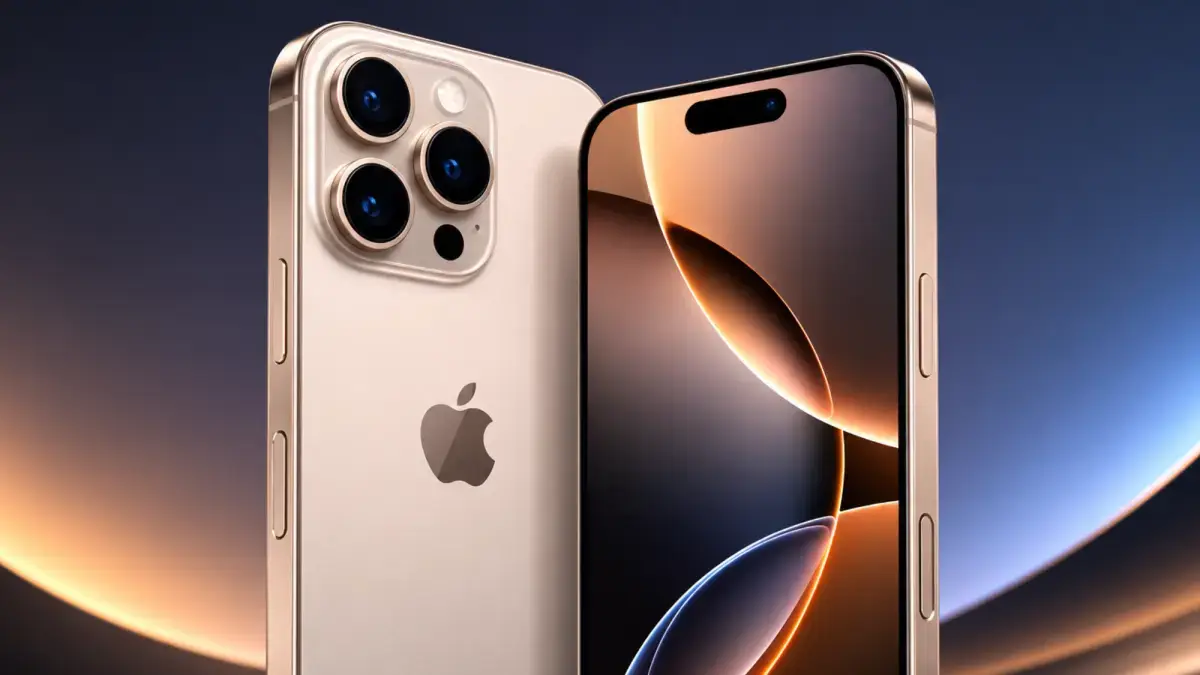
Four Mechanical Stops
The sophisticated mechanism allows the main 24mm lens to shift between four exact physical stops: f/1.48, f/1.8, f/2.8, and f/4.0. This grants users manual control over how much light reaches the sensor, replicating a fundamental feature found on professional DSLR cameras.
Real Optical Depth
For years, Apple relied on heavy software processing to blur the background in Portrait Mode. By physically opening the lens to f/1.48, the iPhone 18 Pro naturally creates a creamy optical bokeh effect without artificial edge-detection errors.
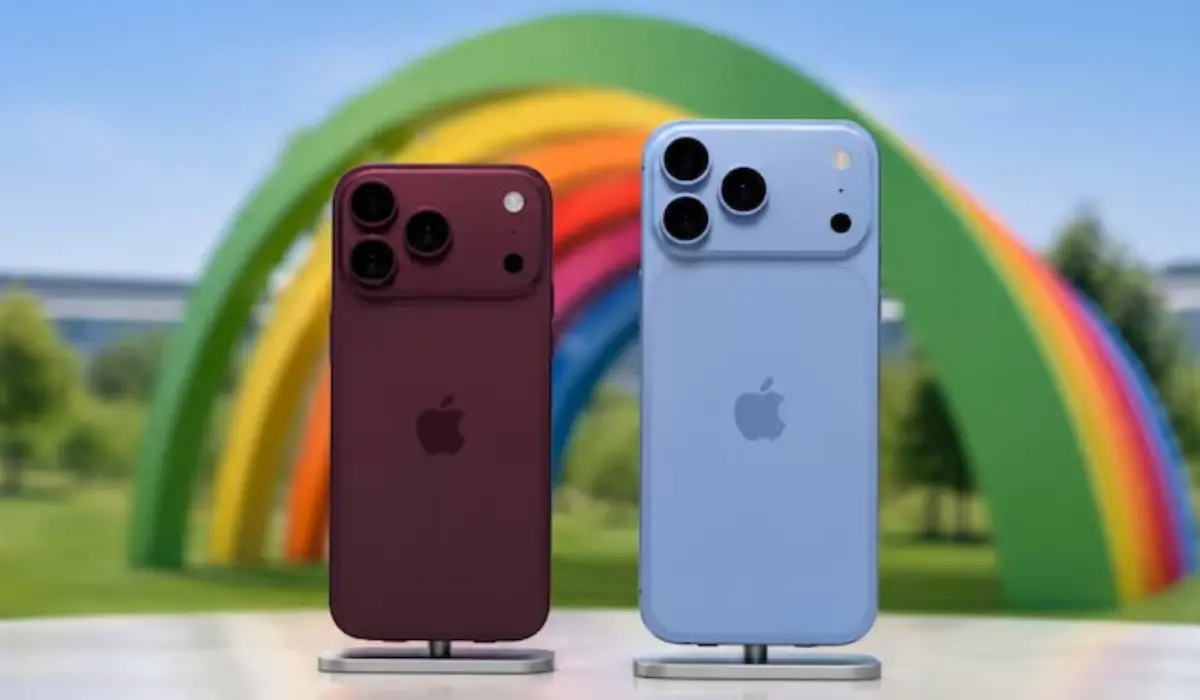
Mastering Bright Daylight
Shooting in harsh afternoon sunlight often forces fixed-aperture smartphone cameras to increase shutter speeds excessively, which can crush dynamic range. By physically stopping down to f/4.0, the iPhone safely reduces light intake, preserving rich colours and sky details.
Perfecting Low Light
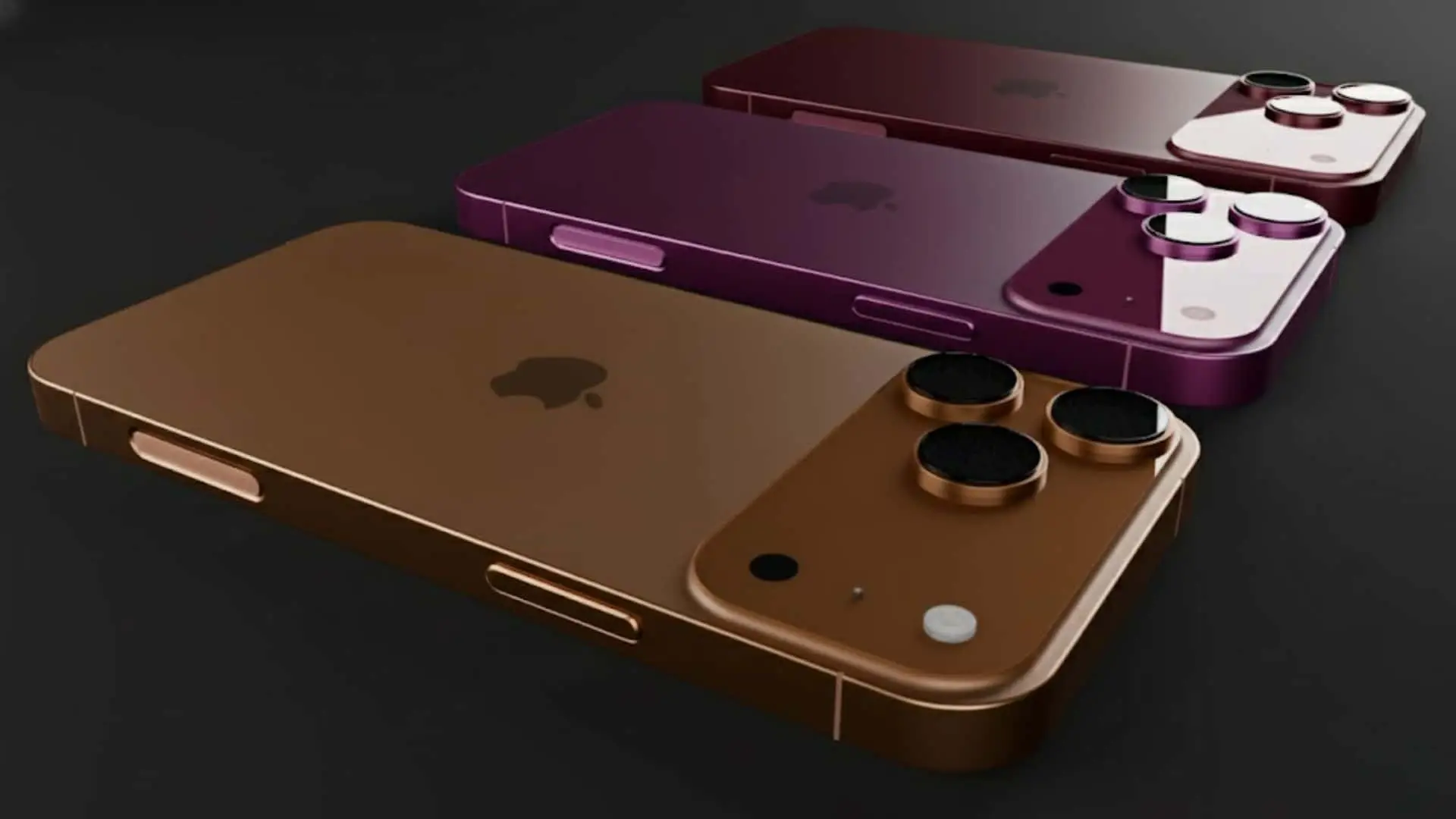
When shooting night scenes, the camera automatically forces the mechanical iris wide open to its maximum f/1.48 setting. This physically floods the new second-generation sensor-shift system with light, producing clean images in environments where older iPhones struggled.
Group Focus Precision
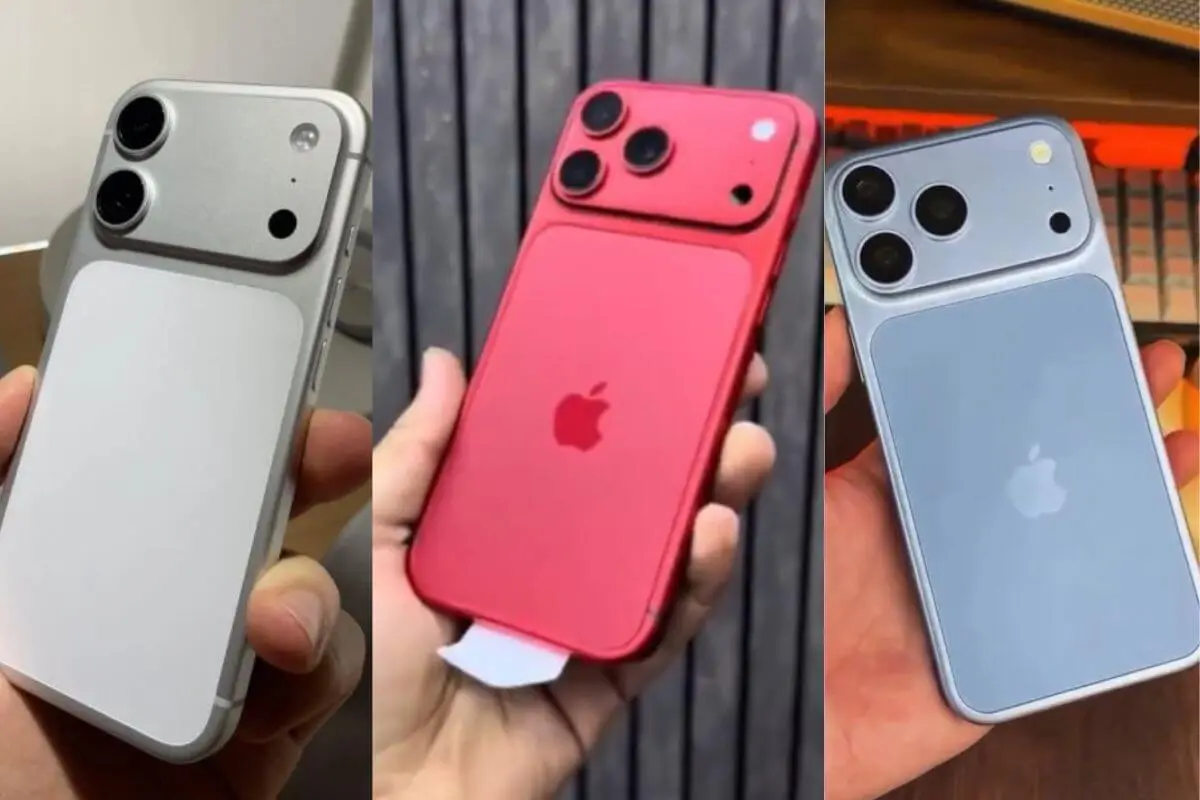
A wide aperture creates a shallow depth of field, which easily blurs people standing in the back row of a group photo. Stopping the lens down to f/4.0 drastically widens the focal plane, ensuring every face in a large group shot remains razor-sharp.
A Costly Engineering Feat
Squeezing moving mechanical blades into an 8-millimetre-thick smartphone chassis is an incredibly complex engineering triumph. This expensive optical hardware is a primary reason the iPhone 18 Pro commands a steep starting price of USD 1,299, or Rs 1,64,900 in India.
)

)
)
)