How Apple's neural engine has changed

Apple's Neural Engine has evolved from a 2-core chip in the A11 to a 32-core powerhouse in the A20 Pro. The iPhone 18 Pro delivers a measured leap in machine learning, handling 8-bit floating-point operations for on-device Apple Intelligence.
The A11 Bionic Beginning
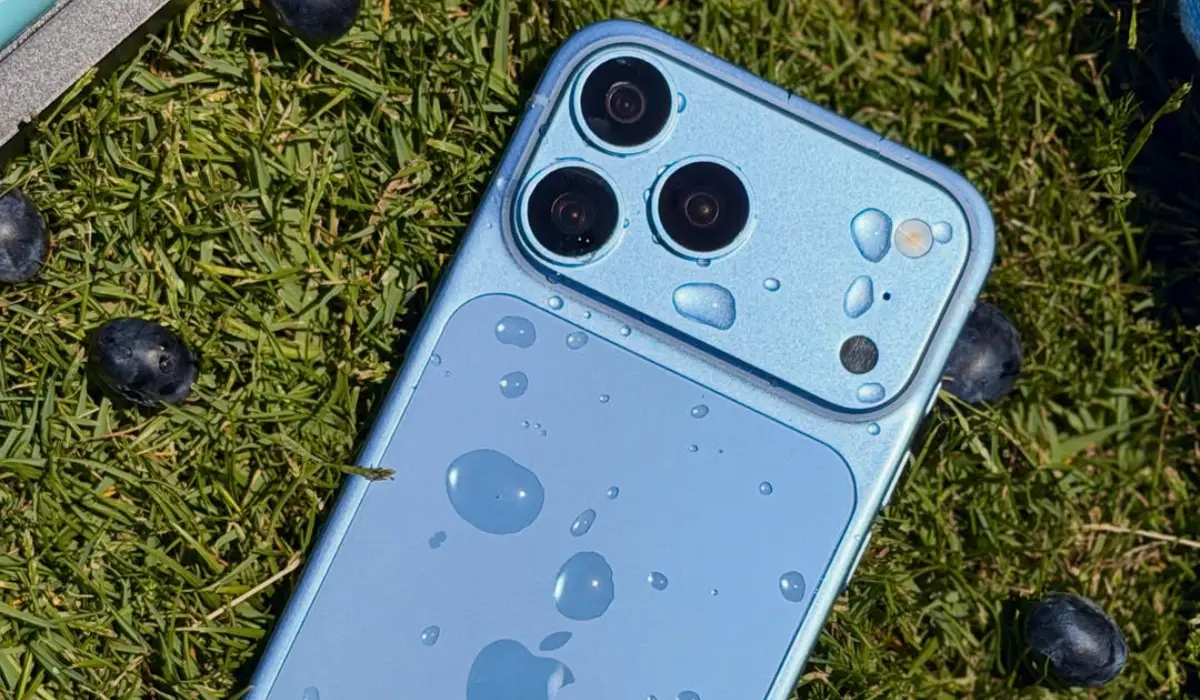
In 2017, Apple introduced its very first Neural Engine inside the iPhone X's A11 Bionic chip. This rudimentary 2-core processor executed 600 billion operations per second, primarily powering early visual features like Face ID and Animoji.
Expanding to Eight Cores
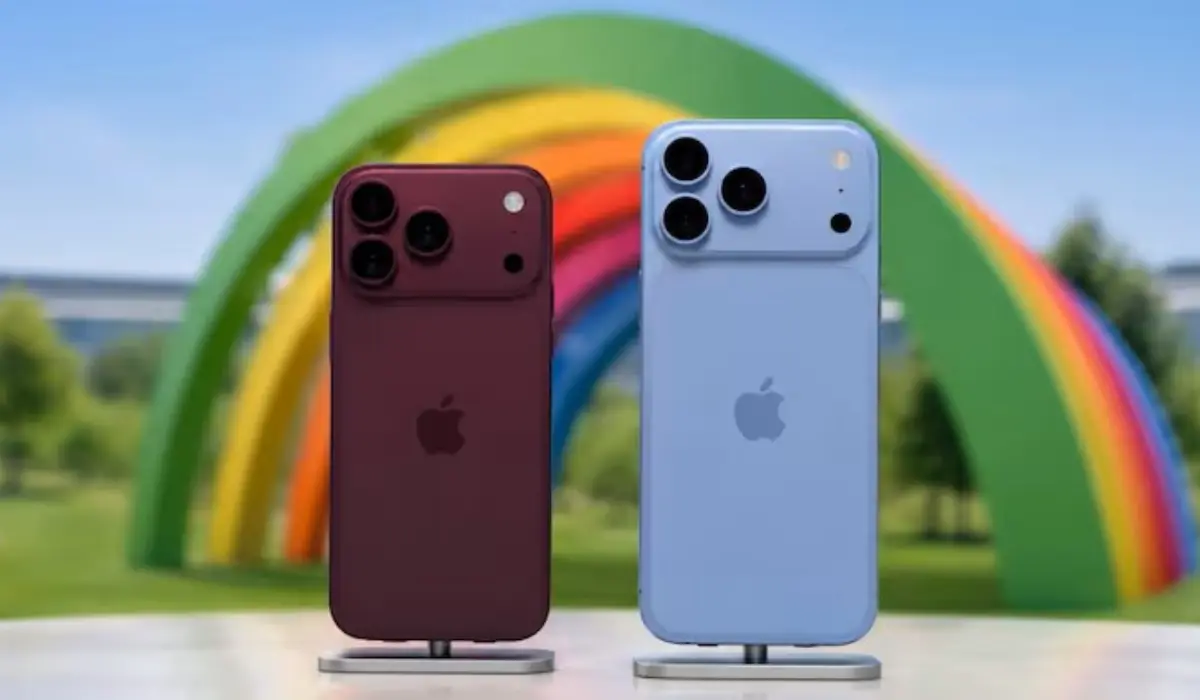
Apple quickly scaled up its local machine learning hardware. The A12 Bionic expanded the architecture to an 8-core design, pushing performance to 5 trillion operations per second while consuming 90 per cent less power.
The 16-Core Standard
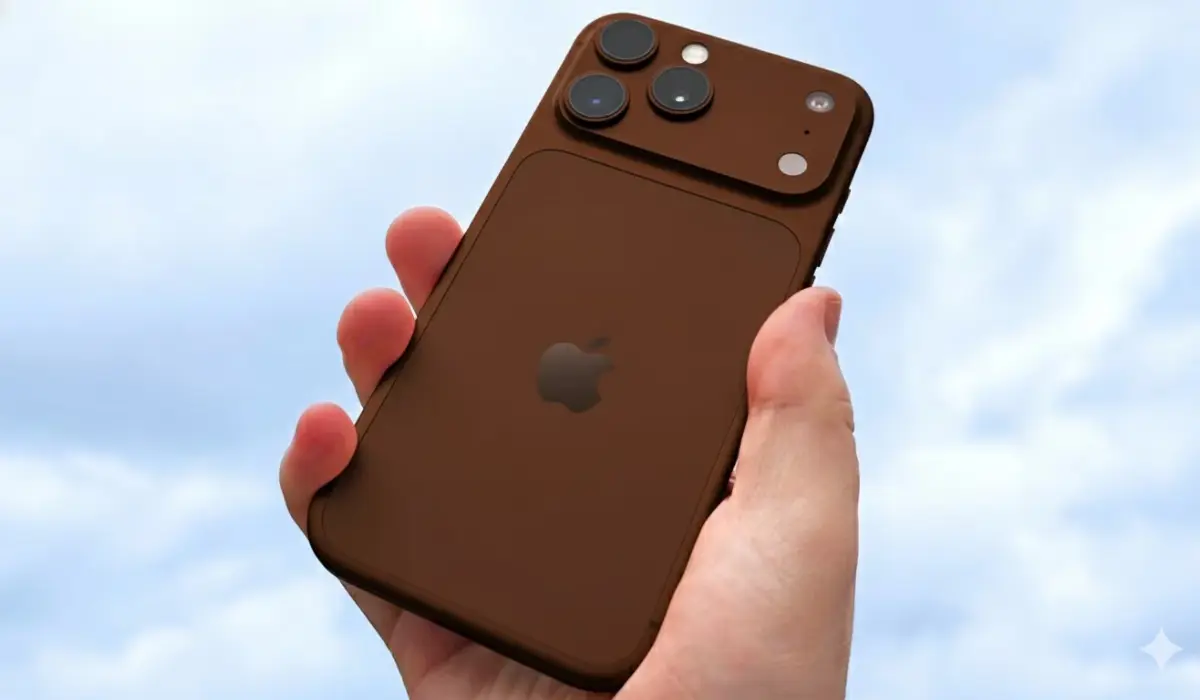
The 5-nanometre A14 Bionic marked a major leap, doubling the engine to 16 cores. This 16-core configuration became Apple's standard architecture for years, evolving from 11 trillion operations per second up to 35 trillion in the A18 Pro.
The Ultra Mac Blueprint
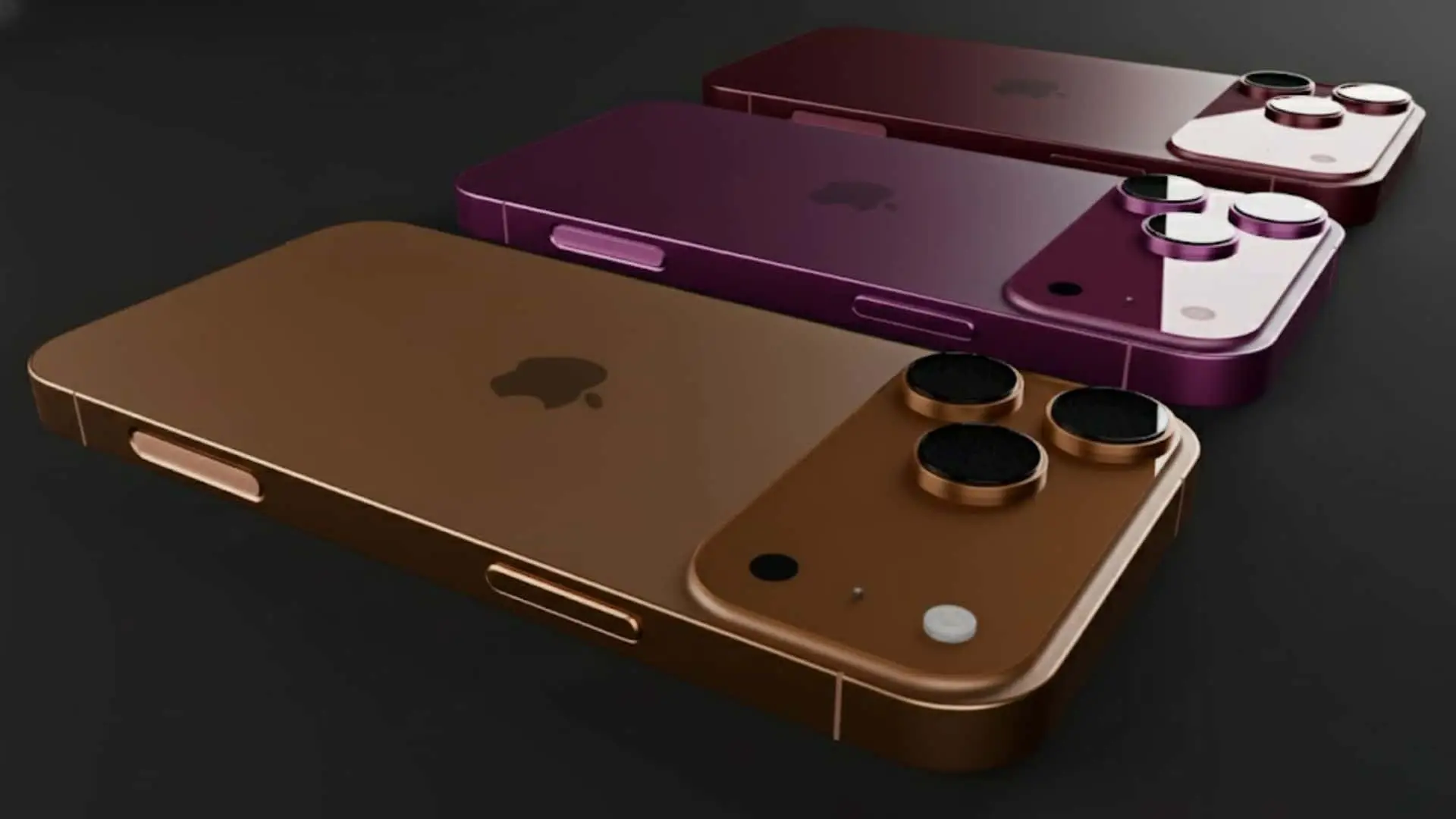
While iPhones remained capped at 16 cores, Apple's Mac division pushed the physical limits. Elite desktop processors like the M1 Ultra successfully demonstrated the immense computational power of massive 32-core Neural Engine arrays.
The A20 Pro Breakthrough
With the iPhone 18 Pro, Apple is finally bringing desktop-class machine learning hardware to its smartphones. The 2-nanometre A20 Pro chip abandons the old layout, introducing a massive dual 16-core Neural Engine that totals 32 active cores.

Double the Throughput
This 32-core array delivers a measured leap in capability, offering twice the raw machine learning computational power of the A19 Pro. Supported by a 50 per cent increase in memory bandwidth, the engine natively handles complex 8-bit floating-point operations.
Powering Apple Intelligence
This hardware evolution is specifically engineered for on-device generative AI. Instead of relying on cloud servers, the massive Neural Engine instantly executes Apple's heavy Foundation models locally to power the new Siri AI.
)
)
)
)