&imwidth=800&imheight=600&format=webp&quality=medium "Delhi’s balancing act: BRICS serves as a stage for West Asia diplomacy")
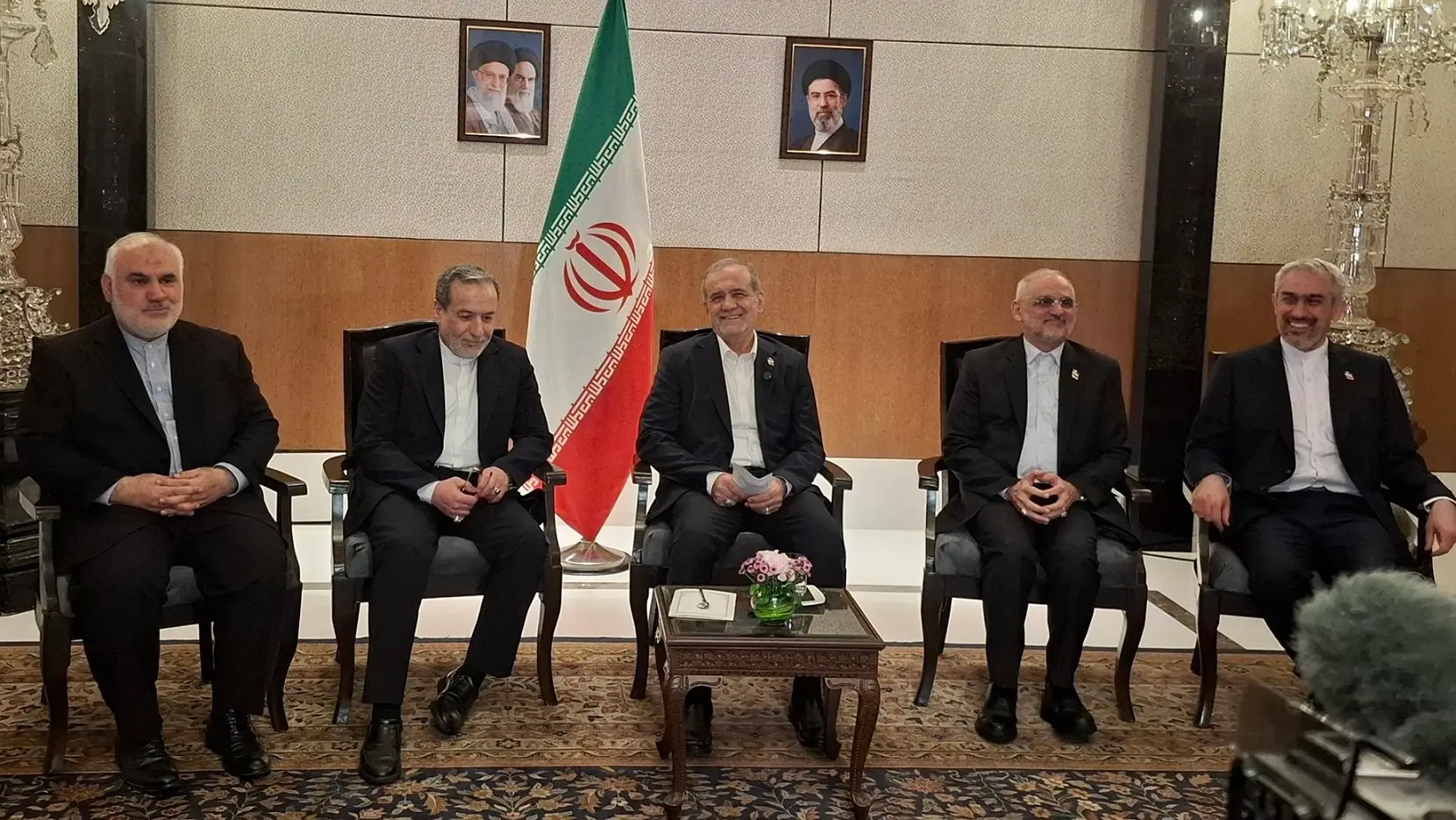
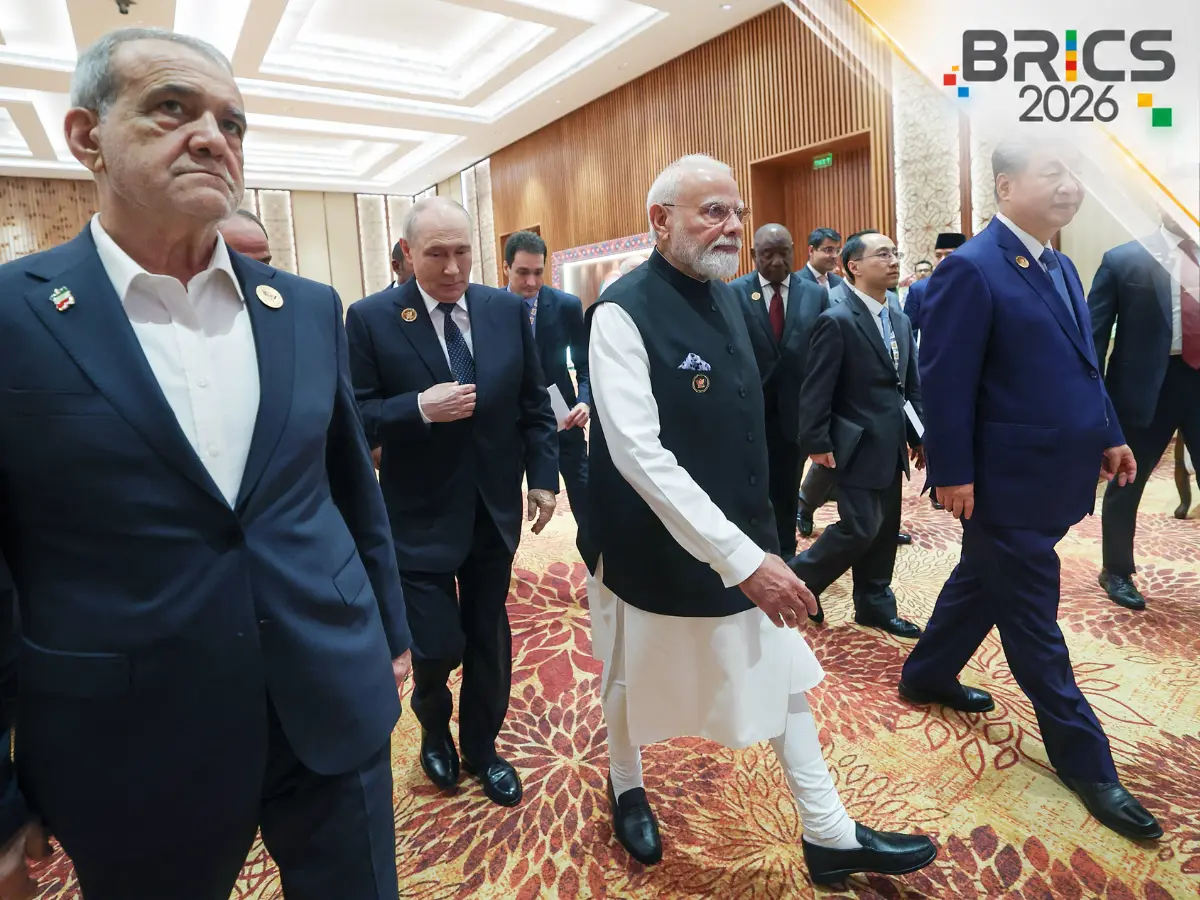
The ongoing conflict in West Asia, the closure of key maritime trade routes and the resulting supply disruption put the BRICS Summit in highlight as Iran’s President Masoud Pezeshkian’s attended the summit along with other players from the Middle East.
It was a tough diplomatic test for Delhi, but the hosts overcame all the challenges and managed a carefully negotiated language on the West Asia conflict. Moreover, an unanticipated Iran-UAE engagement placed India at the centre of a wider regional diplomatic effort.
The net result has enhanced Delhi’s increasingly important role as a diplomatic bridge in a fractured region.

The challenge for New Delhi was to prevent divisions over the West Asia conflict from spilling at the forum. While Iran sought stronger condemnation of Israeli and US actions, the Gulf countries had their own security concerns.
Also Read: Trump tells Ukraine to stop targeting Russian refineries, says attacks causing shortage of diesel
The New Delhi Declaration proved the diplomatic prowess, as instead of sharp rhetoric by either side, BRICS settled on language centred on the deteriorating situation in West Asia, civilian protection, sovereignty, restraint and the need for dialogue and diplomacy.
Trending Stories
)
Did Iran President Pezeshkian touch feet of Hindu spiritual leader at Delhi event as shown in viral video?
&im=FitAndFill=(700,400))
Why do air defence missiles explode near their target instead of hitting it?
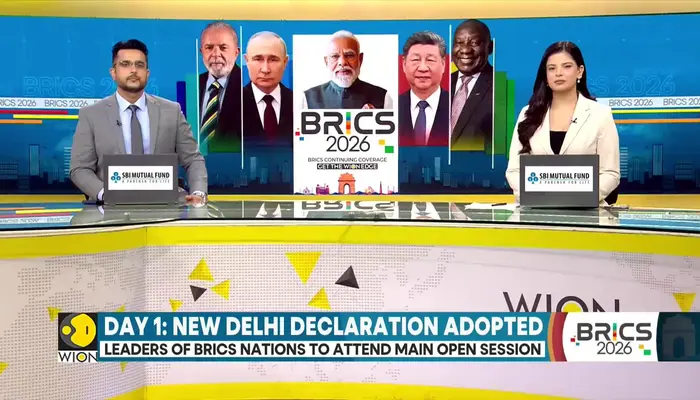)
BRICS Summit 2026: PM Modi to hold bilateral with leaders of seven countries
)
Could staying indoors all day affect your health?
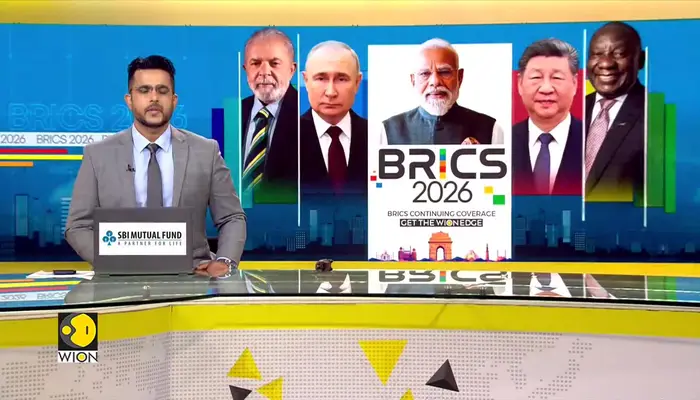)
BRICS Summit 2026: Consensus on joint declaration, diplomatic win for India
)
Bigg Boss 20: Qazi Touqeer gets a special ‘rockstar’ moment from Salman Khan
)
800 million years old - Scientists discover 'fingerprints' of supercontinent Gondwana in ancient rocks
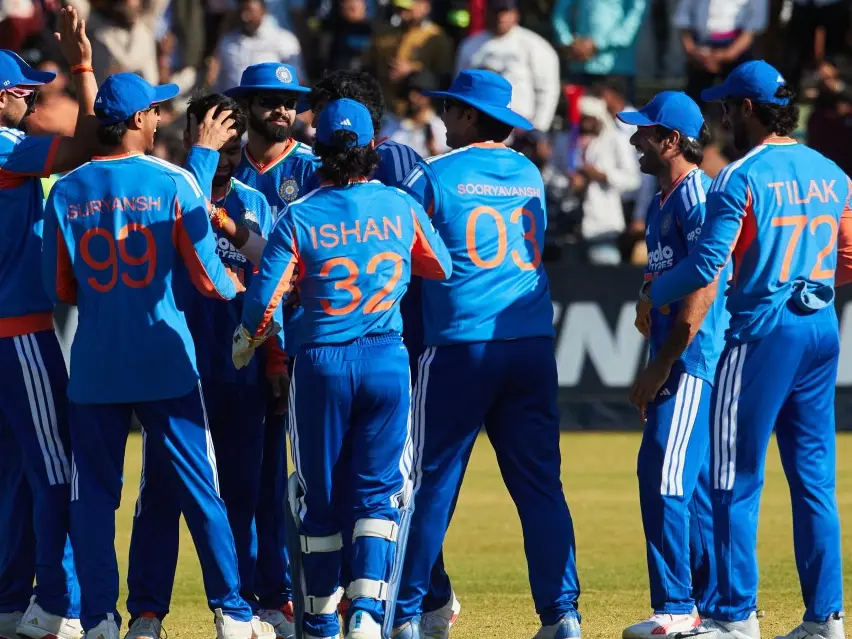)
IND vs AFG, 1st T20I: When and where to watch live streaming in India?
)
Russian drone hits Warsaw-bound train near Polish border, Zelensky accuses Moscow of ‘deliberate’ targeting
&im=FitAndFill=(700,400))
Why Chinese PL-15 air-to-air missiles use dual-pulse motors compared to European interceptors
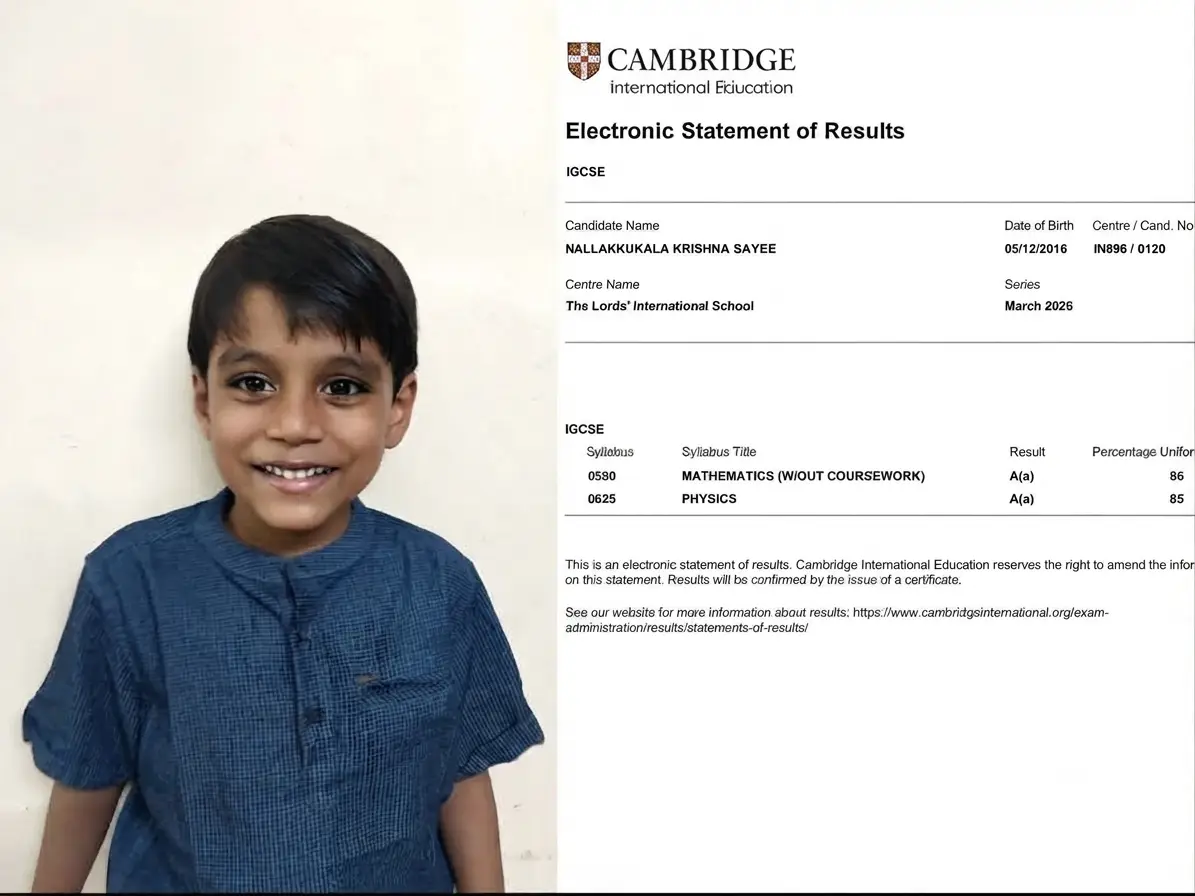)
9-year-old Chennai prodigy clears Cambridge IGCSE grade 10 exams
&im=FitAndFill=(700,400))
Meet top 5 batters fastest to 3000 runs in T20Is
)
Celine Dion makes emotional stage comeback after six years: 'I'm so delighted to see you'
)
Why going digital does not always mean becoming more efficient
)
Why does your body need time to adjust after a long journey?
)
Why dehydration is the hidden cause of travel fatigue on long flights
)
BRICS Summit 2026: PM Modi, Xi reach key consensus on ties, China to assume BRICS chairmanship in 2027
)
Humans may lose control of AI: Anthropic CEO calls for slowdown, Altman, Musk back him
)
PM Modi and China's Xi offered to help resolve Russia-Ukraine war: Kremlin
)
Houthis launch cross-border strike on Saudi Arabia as Yemen war escalates
)
War is making Russia stronger? How Ukraine is shaping Moscow’s next generation of weapons
)
‘Partners, not rivals’: Xi outlines four point plan for stronger India-China ties
)
BRICS Summit day 1: New Delhi declaration adopted with full consensus, big diplomatic win for India
)
'Iran won't surrender': Pezeshkian sends blunt message to US while attending BRICS Summit in India
)
Migration protests return to Portsmouth as rival demonstrations face off
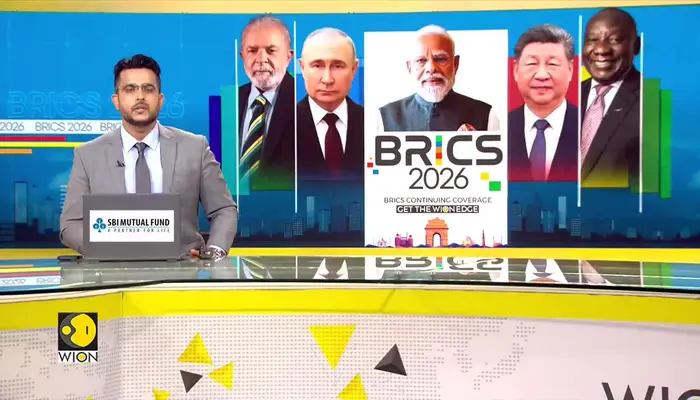)
BRICS Summit 2026: PM Modi addresses Day 2 of 18th BRICS summit
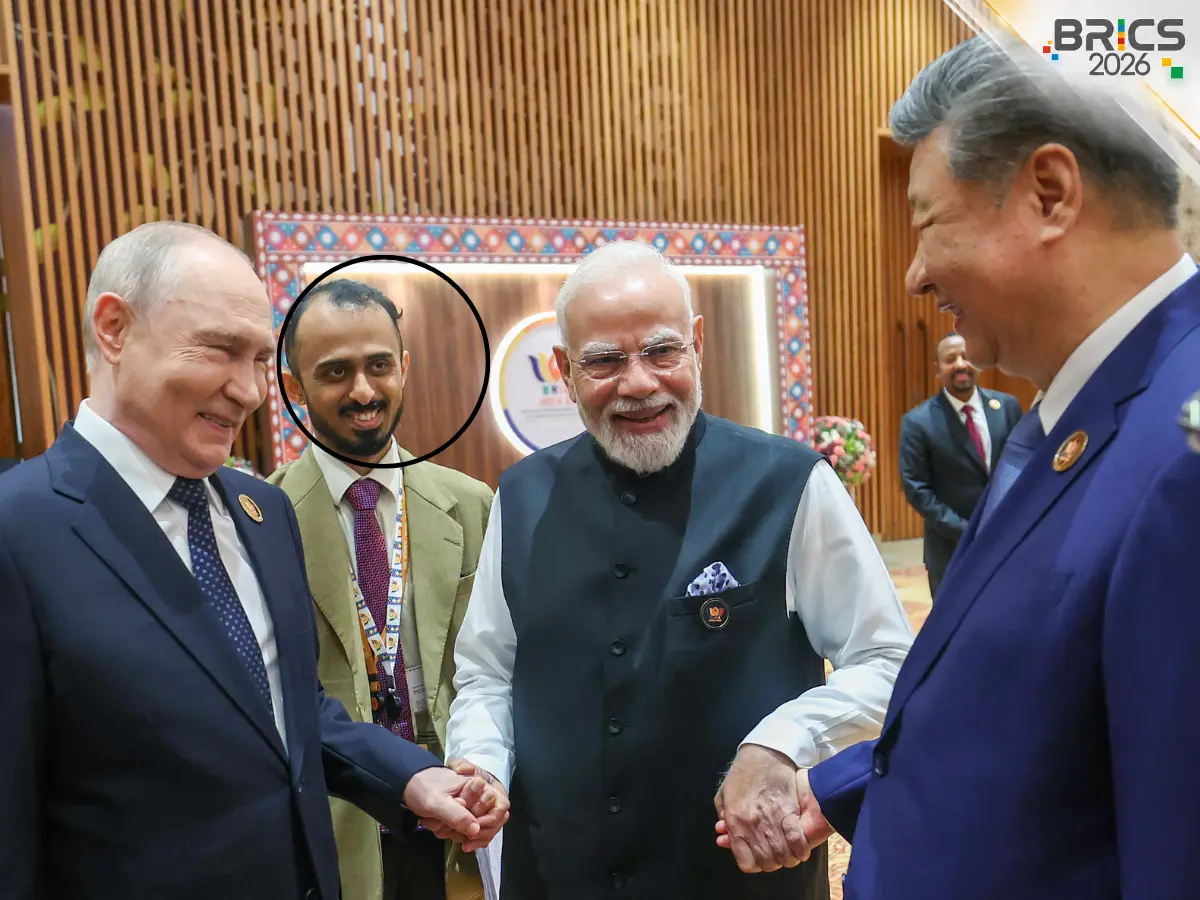)
Who is the smiling man beside Modi, Putin and Xi at BRICS Summit 2026?
)
Why asking questions could be more important than memorising answers
)
BRICS Summit 2026: Chinese president Xi Jinping departs from New Delhi after attending BRICS summit
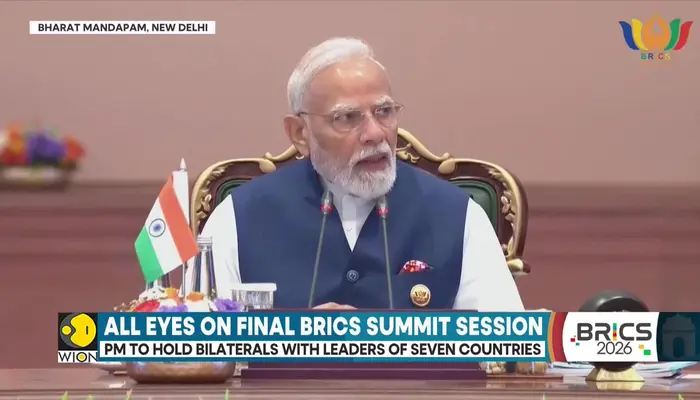)
BRICS Summit 2026: Global leaders of BRICS nations attend main open session
)
How does the loss of forests affect the way wildlife lives and moves?
)
Top 5 places to visit in Goa beyond its famous beaches
)
Why do wild animals need quiet places to survive?
)
From severe mobility problems to recovery: Madhuri the elephant’s journey of wildlife care
)
Ramanathaswamy temple takes centre stage as PM Modi welcomes world leaders at BRICS
)
Osama Bin Laden ‘planned’ to target India, CIA reveals dozens of declassified documents
)
Why does your skin need protection from UV rays?
)
Trump says Canada eager to reach a deal, it could come ‘fairly soon’ if Ottawa treats US farmers better
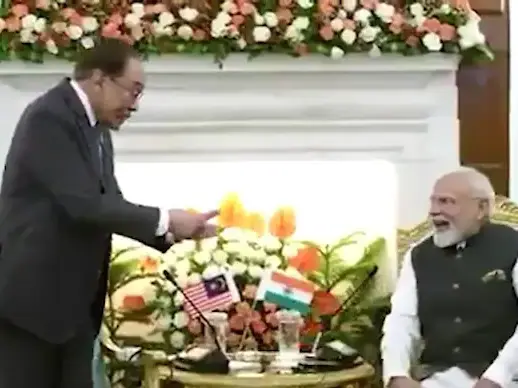)
'He is popular...': Malaysian PM Anwar Ibrahim's praise for PM Modi during bilateral meeting | WATCH
The result was significant as it allowed Iran to remain within the consensus without forcing other BRICS members to endorse its position on the conflict.
But the most revealing moment came outside the formal summit proceedings.
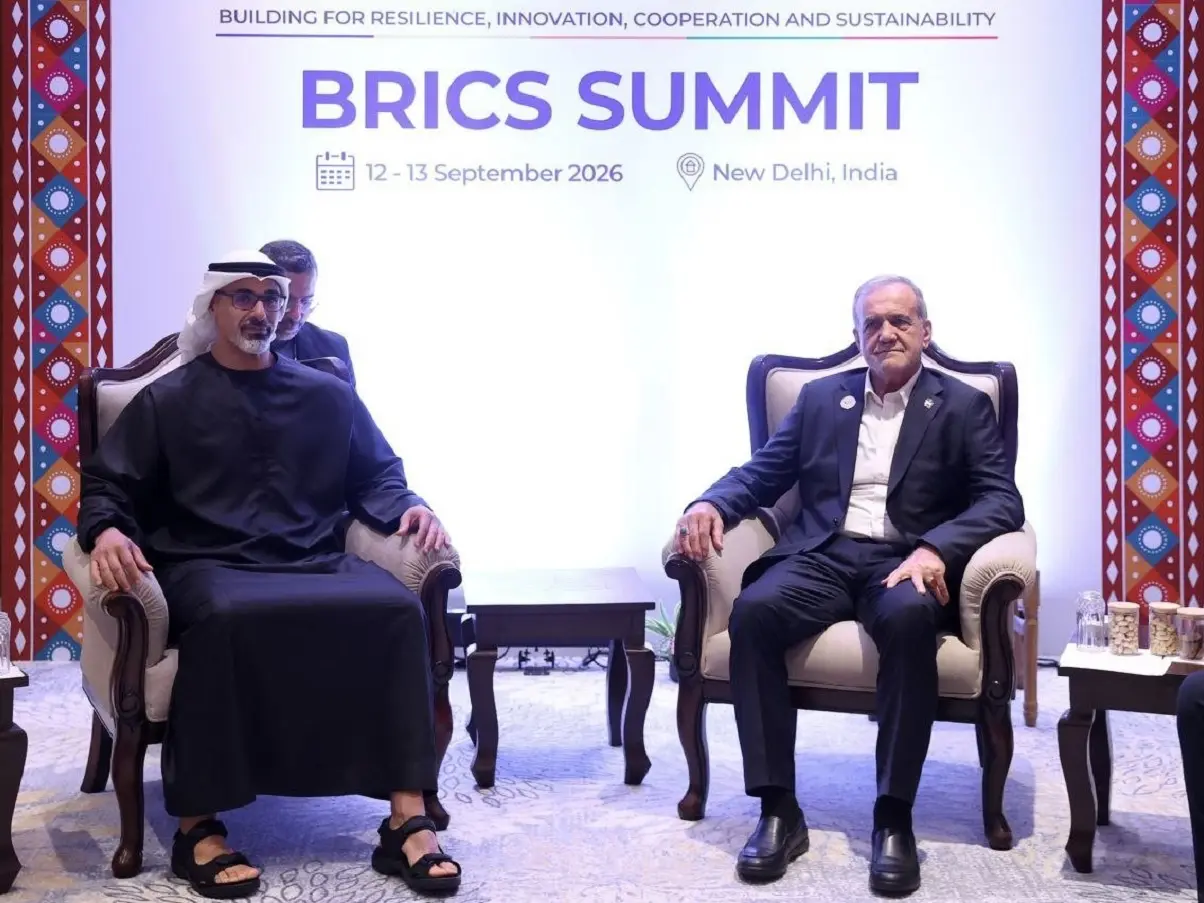
Pezeshkian’s meeting with UAE Crown Prince Sheikh Khaled bin Mohamed bin Zayed Al Nahyan brought two regional actors into direct conversation at a time when their interests differ and have been affected by the conflict.
Also Read: India condemns attack on merchant vessel off Oman coast; 13 Indian crew rescued, one missing
The meeting was the highest-level engagement between Tehran and Abu Dhabi since the outbreak of the conflict.
BRICS provided a diplomatic platform and cover for an engagement that was considerably more difficult amid the raging tensions.
The summit fully demonstrated India’s balancing act. It became a platform where rivals could talk, while the grouping focused on a common diplomatic vocabulary.
Pezeshkian’s visit was significant as it was his first trip to India as president and the first visit by an Iranian president to the country in more than eight years.
India reiterated its position that disputes must be addressed through dialogue and diplomacy, while stressing the importance of protecting freedom of navigation, commercial shipping and seafarers.
Also Read: ‘Want to reset ties with India, have engagement based on mutual interests,’ says Bangladesh minister
Earlier BRICS meetings hosted by India had struggled to produce consensus on the Iran conflict, with Tehran seeking stronger criticism of US and Israeli actions while the UAE pushed for language reflecting concerns over Iranian attacks on Gulf targets.
The final declaration avoided assigning blame to either side. It expressed serious concern over the deteriorating situation in West Asia and called for maximum restraint, dialogue, diplomacy, respect for sovereignty, protection of civilians and the safeguarding of maritime stability.
The summit served as a test of the group’s cohesion and influence, with PM Narendra Modi advocating for global institutional reform and enhanced cooperation.