
&imwidth=800&imheight=600&format=webp&quality=medium "Why does your body need time to adjust after a long journey?")
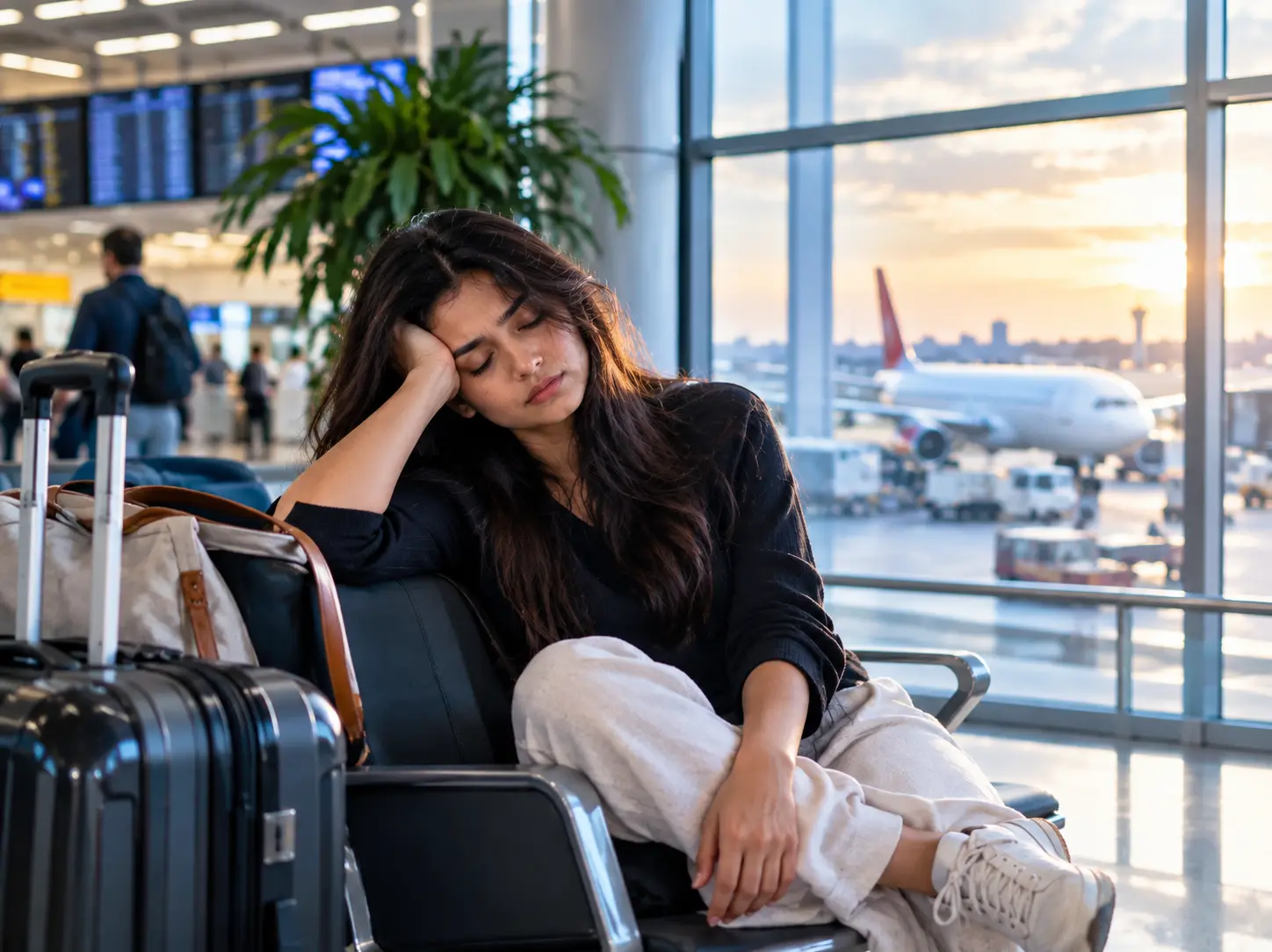
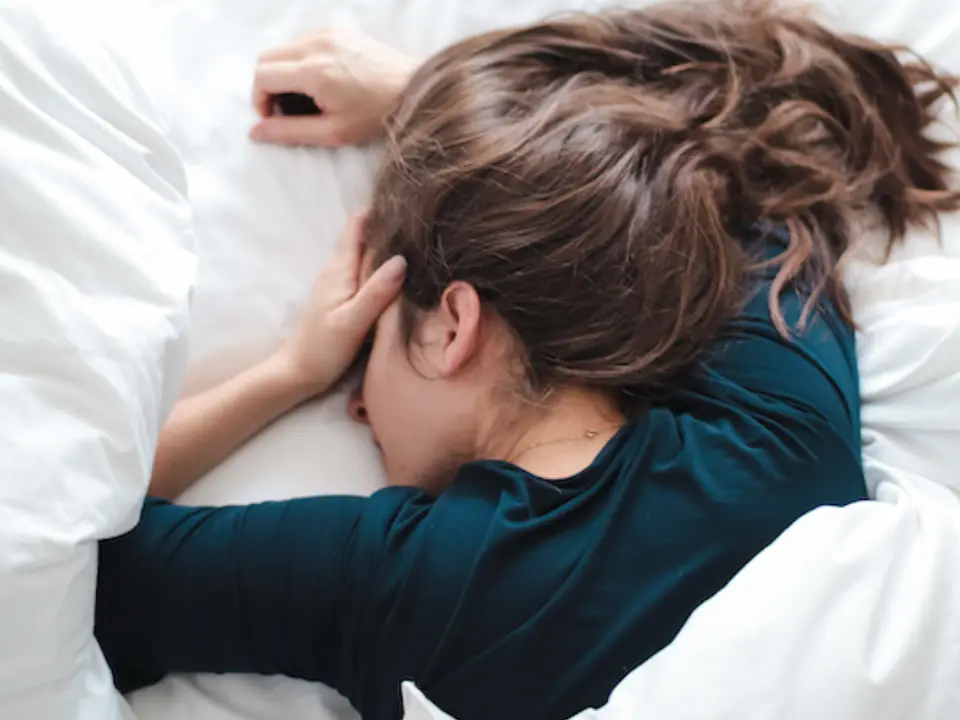
Stepping off a long-haul flight often leaves travellers feeling exhausted, disoriented, and physically drained. While many attribute this simply to a lack of sleep, the reality involves complex physiological changes. Crossing time zones, sitting in pressurised cabins, and prolonged immobility severely disrupt the internal systems of the human body. Understanding the science behind travel fatigue is essential for planning a faster recovery and maintaining optimal health.
The biology of jet lag and circadian rhythms
The human body operates on a 24-hour cycle known as the circadian rhythm, which regulates sleep patterns, hormone secretion, and body temperature. When you cross multiple time zones rapidly, this internal clock becomes misaligned with the local time at your destination.

According to guidelines from the United States Centers for Disease Control and Prevention, the body generally requires one full day of recovery for every time zone crossed. Furthermore, flying eastward is physically harder to adapt to than flying westward. This is because advancing the biological clock requires more effort than delaying it, leading to prolonged insomnia and daytime fatigue.
Severe dehydration and mild hypoxia
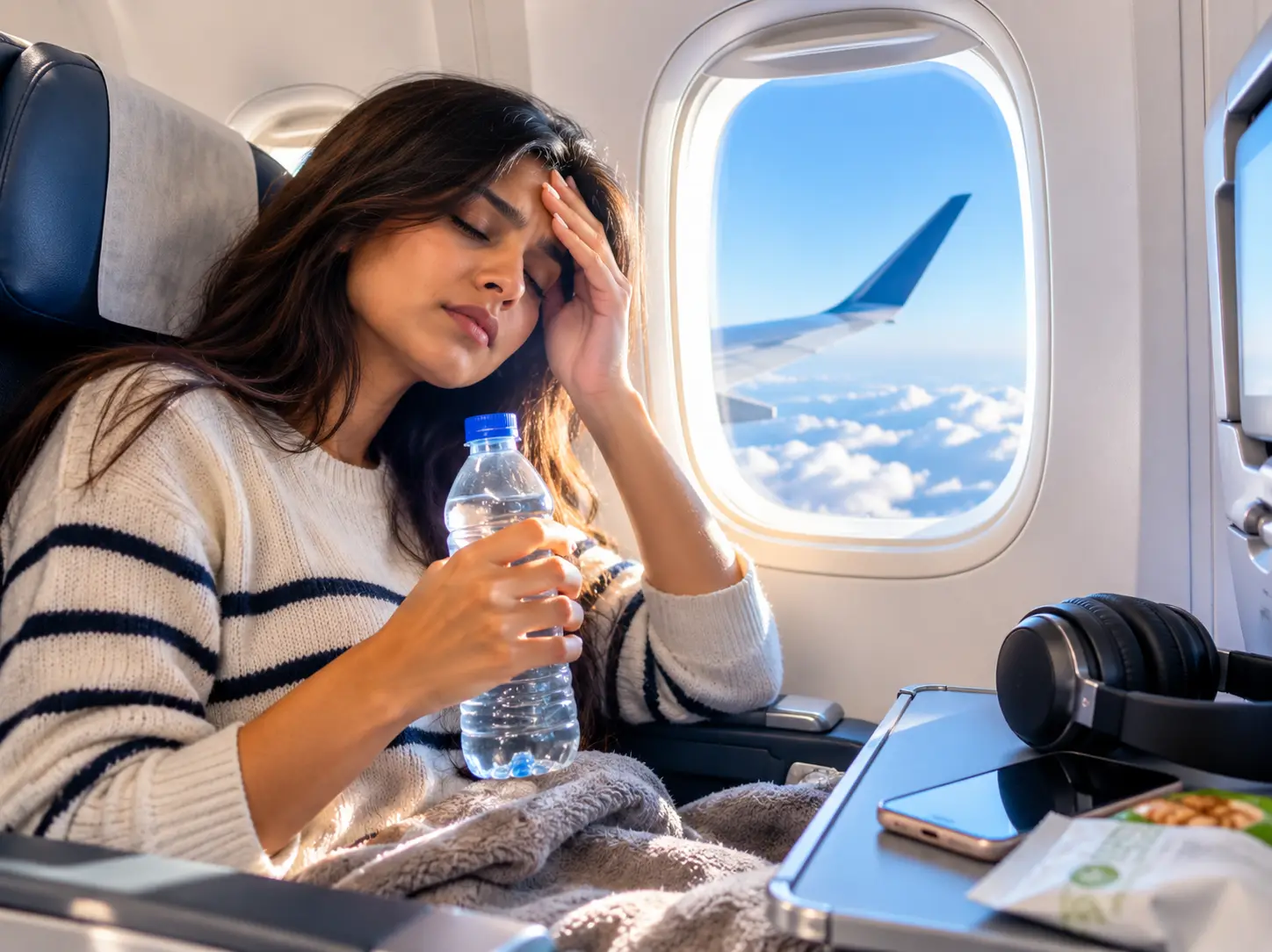
The physical environment inside an aeroplane cabin significantly alters normal bodily functions. The aerospace environment typically causes cabin humidity to drop to between 10 and 20 per cent, which is substantially lower than the average desert environment. This extreme lack of moisture causes rapid dehydration, leading to headaches, dry skin, and a weakened immune system.
Trending Stories
&im=FitAndFill=(700,400))
Why Chinese PL-15 air-to-air missiles use dual-pulse motors compared to European interceptors
)
Why does your skin need protection from UV rays?
)
'He is popular...': Malaysian PM Anwar Ibrahim's praise for PM Modi during bilateral meeting | WATCH
)
From severe mobility problems to recovery: Madhuri the elephant’s journey of wildlife care
)
Ramanathaswamy temple takes centre stage as PM Modi welcomes world leaders at BRICS
)
Why dehydration is the hidden cause of travel fatigue on long flights
)
Why does your body need time to adjust after a long journey?
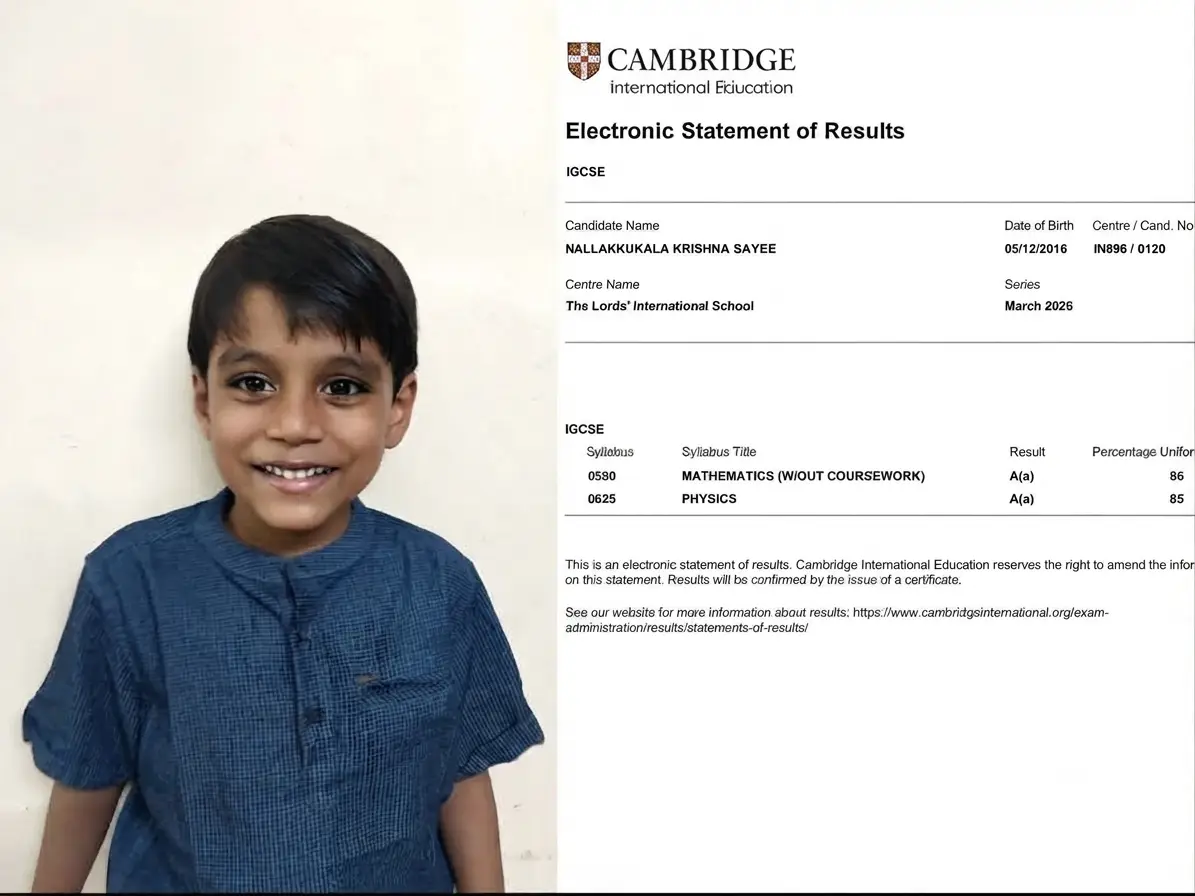)
9-year-old Chennai prodigy clears Cambridge IGCSE grade 10 exams
)
How does the loss of forests affect the way wildlife lives and moves?
)
800 million years old - Scientists discover 'fingerprints' of supercontinent Gondwana in ancient rocks
)
War is making Russia stronger? How Ukraine is shaping Moscow’s next generation of weapons
)
BRICS Summit 2026: Consensus on joint declaration, diplomatic win for India
)
Top 5 places to visit in Goa beyond its famous beaches
)
Humans may lose control of AI: Anthropic CEO calls for slowdown, Altman, Musk back him
)
BRICS Summit 2026: Chinese president Xi Jinping departs from New Delhi after attending BRICS summit
&im=FitAndFill=(700,400))
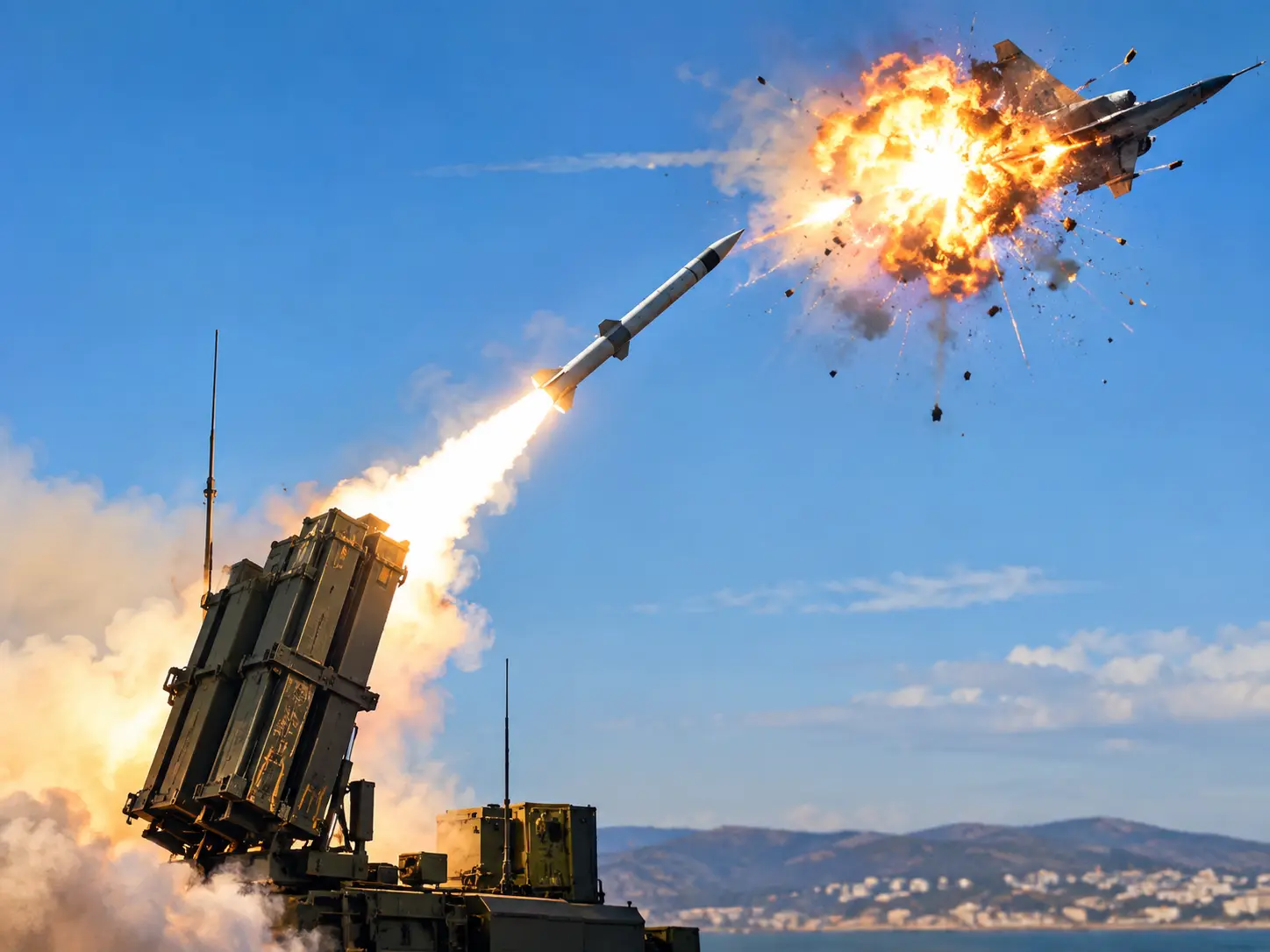
Why do air defence missiles explode near their target instead of hitting it?
)
Houthis launch cross-border strike on Saudi Arabia as Yemen war escalates
)
Why going digital does not always mean becoming more efficient
)
Russian drone hits Warsaw-bound train near Polish border, Zelensky accuses Moscow of ‘deliberate’ targeting
)
'Iran won't surrender': Pezeshkian sends blunt message to US while attending BRICS Summit in India
)
Did Iran President Pezeshkian touch feet of Hindu spiritual leader at Delhi event as shown in viral video?
)
BRICS Summit 2026: PM Modi to hold bilateral with leaders of seven countries
)
IND vs AFG, 1st T20I: When and where to watch live streaming in India?
)
BRICS Summit 2026: Global leaders of BRICS nations attend main open session
)
Trump says Canada eager to reach a deal, it could come ‘fairly soon’ if Ottawa treats US farmers better
)
PM Modi and China's Xi offered to help resolve Russia-Ukraine war: Kremlin
)
BRICS Summit 2026: PM Modi, Xi reach key consensus on ties, China to assume BRICS chairmanship in 2027
)
Why do wild animals need quiet places to survive?
)
Celine Dion makes emotional stage comeback after six years: 'I'm so delighted to see you'
)
Could staying indoors all day affect your health?
)
Migration protests return to Portsmouth as rival demonstrations face off
)
Why asking questions could be more important than memorising answers
)
‘Partners, not rivals’: Xi outlines four point plan for stronger India-China ties
&im=FitAndFill=(700,400))
Meet top 5 batters fastest to 3000 runs in T20Is
)
Bigg Boss 20: Qazi Touqeer gets a special ‘rockstar’ moment from Salman Khan
)
BRICS Summit day 1: New Delhi declaration adopted with full consensus, big diplomatic win for India
)
BRICS Summit 2026: PM Modi addresses Day 2 of 18th BRICS summit
)
Osama Bin Laden ‘planned’ to target India, CIA reveals dozens of declassified documents
)
Who is the smiling man beside Modi, Putin and Xi at BRICS Summit 2026?
Additionally, aircraft cabins are pressurised to simulate higher altitudes. This results in slightly lower oxygen levels in the blood, a condition known as mild hypoxia. Over a period of several hours, this contributes directly to physical exhaustion, lethargy, and cognitive brain fog.
Impaired blood circulation and gut health
Sitting in a cramped position for extended periods drastically reduces blood circulation. Prolonged immobility causes blood and fluid to pool in the lower extremities, resulting in swollen ankles and stiff muscles. In severe cases, this lack of movement increases the risk of deep vein thrombosis, a serious condition where blood clots form in the legs.
Travel also disrupts the digestive system. The human gut follows its own circadian rhythm, and altering meal times confuses the digestive process. Eating at irregular hours during transit frequently leads to bloating, indigestion, and altered bowel movements.
Recovering from a long journey requires active hydration, light physical movement, and timed exposure to natural sunlight. Rather than immediately rushing into a busy work schedule, give your body adequate time to rehydrate and naturally synchronise with the new time zone.
