Why Chinese PL-15 air-to-air missiles use dual-pulse motors compared to European interceptors

China's PL-15 missile uses a dual-pulse motor to reach Mach 5.0 and fit inside stealth fighters. It achieves a 300 km range and a lower infrared signature than European ramjets.

Mach 5.0 Peak Speed
The Chinese PL-15 uses a dual-pulse solid rocket motor to achieve speeds up to Mach 5.0. In contrast, the European Meteor missile relies on a ramjet engine that sustains a maximum speed of Mach 4.0. A solid rocket provides higher peak velocity, which reduces the reaction time for enemy targets.
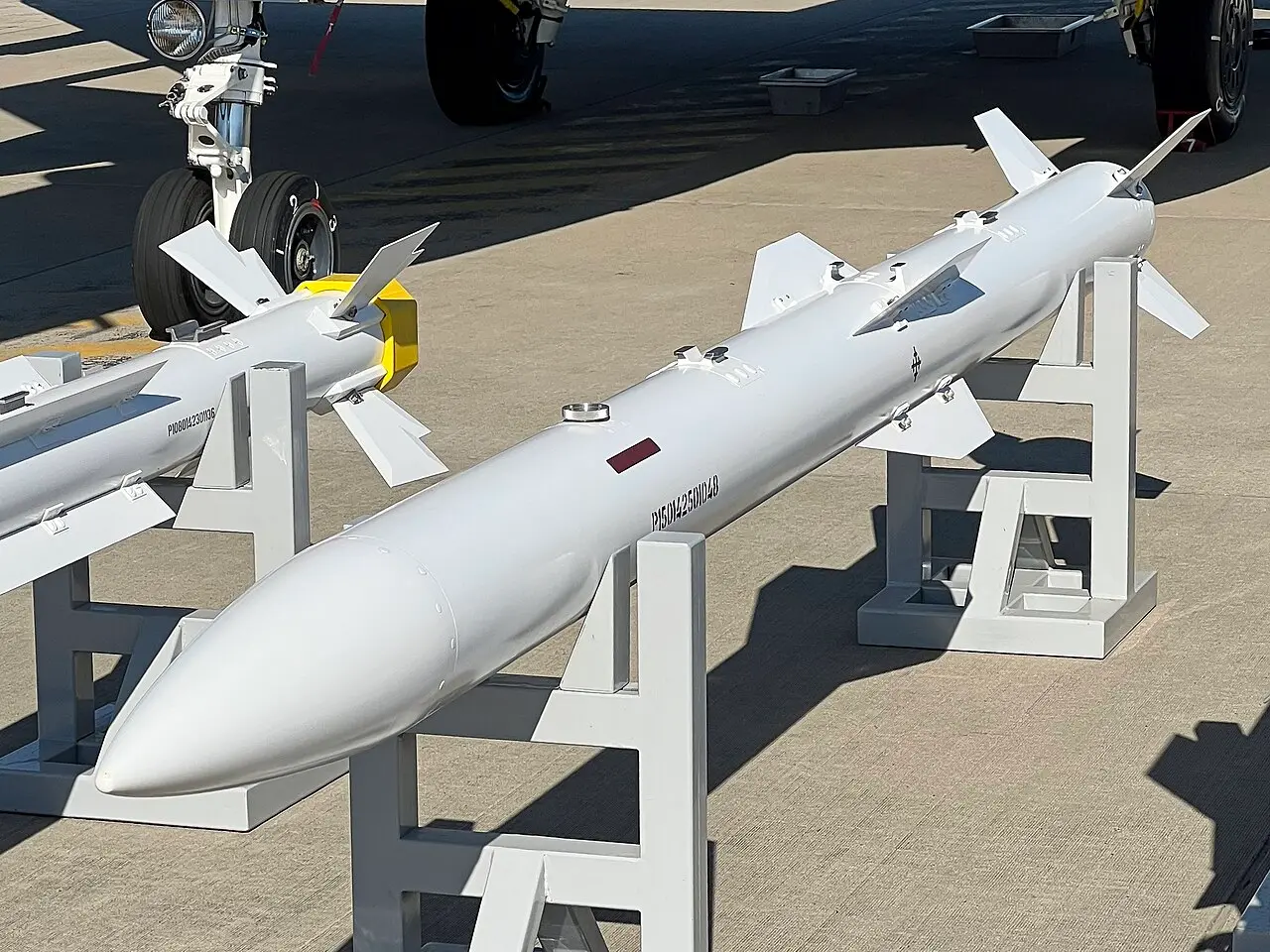
Fits Inside Stealth Bays
The PL-15 was designed with a 203 millimetre diameter to fit internally within fifth-generation stealth fighters like the J-20. Ramjet engines require external air intakes, which present physical clearance limitations for internal weapon bays. The dual-pulse solid rocket design avoids these bulky intakes entirely.
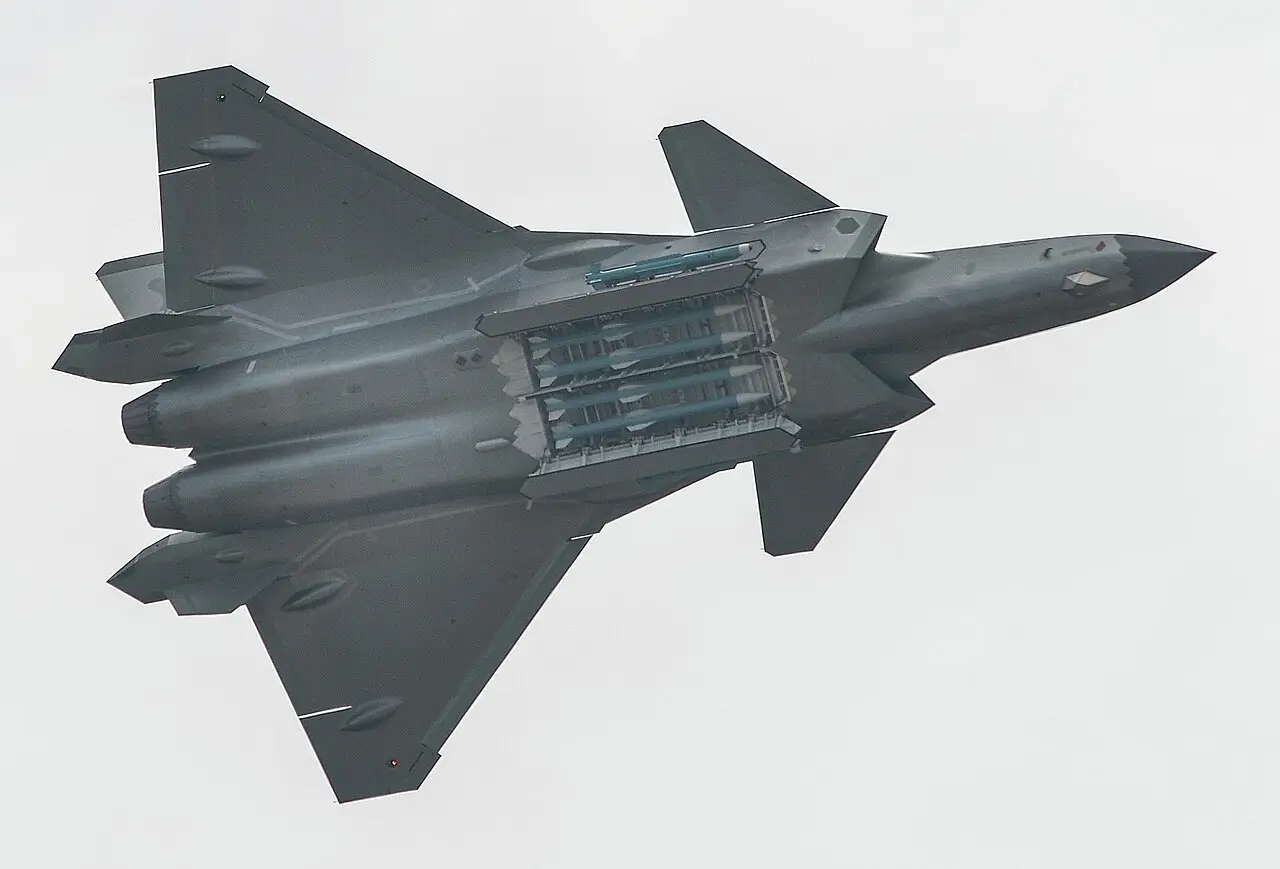
High-Altitude Parabolic Arcs
A dual-pulse rocket motor allows the PL-15 to fly in a high-altitude parabolic arc to maximise its range. Ramjet engines must breathe air and operate below a maximum ceiling of 100,000 feet. Flying at extreme altitudes enables the missile to strike with greater kinetic energy during its final descent.
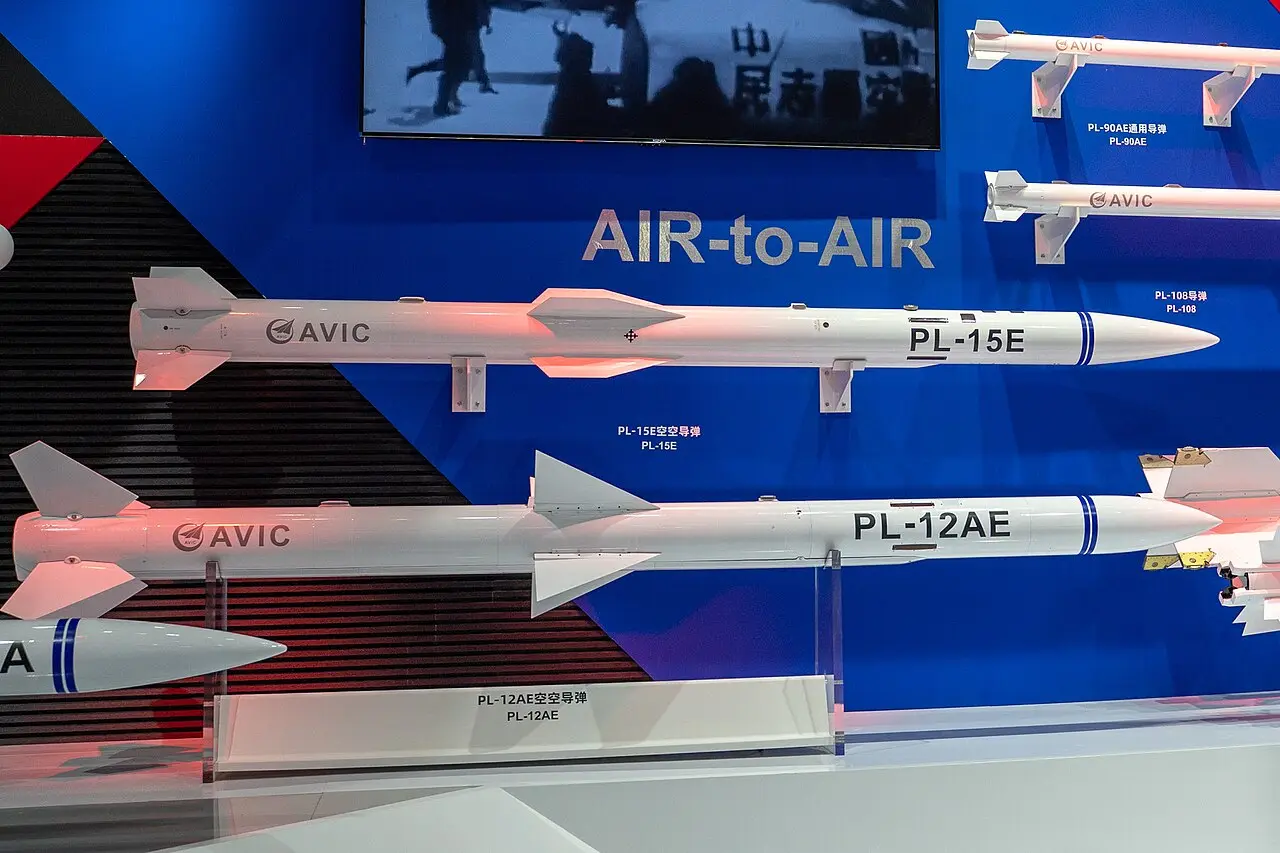
Lower Infrared Heat Signature
Ramjet engines burn continuously for up to 60 seconds, which creates a large and prolonged infrared signature. The PL-15's dual-pulse motor goes completely dark between its first and second ignitions. This makes the Chinese missile significantly harder for enemy aircraft to detect using thermal sensors.
Reaching 300 Kilometre Range
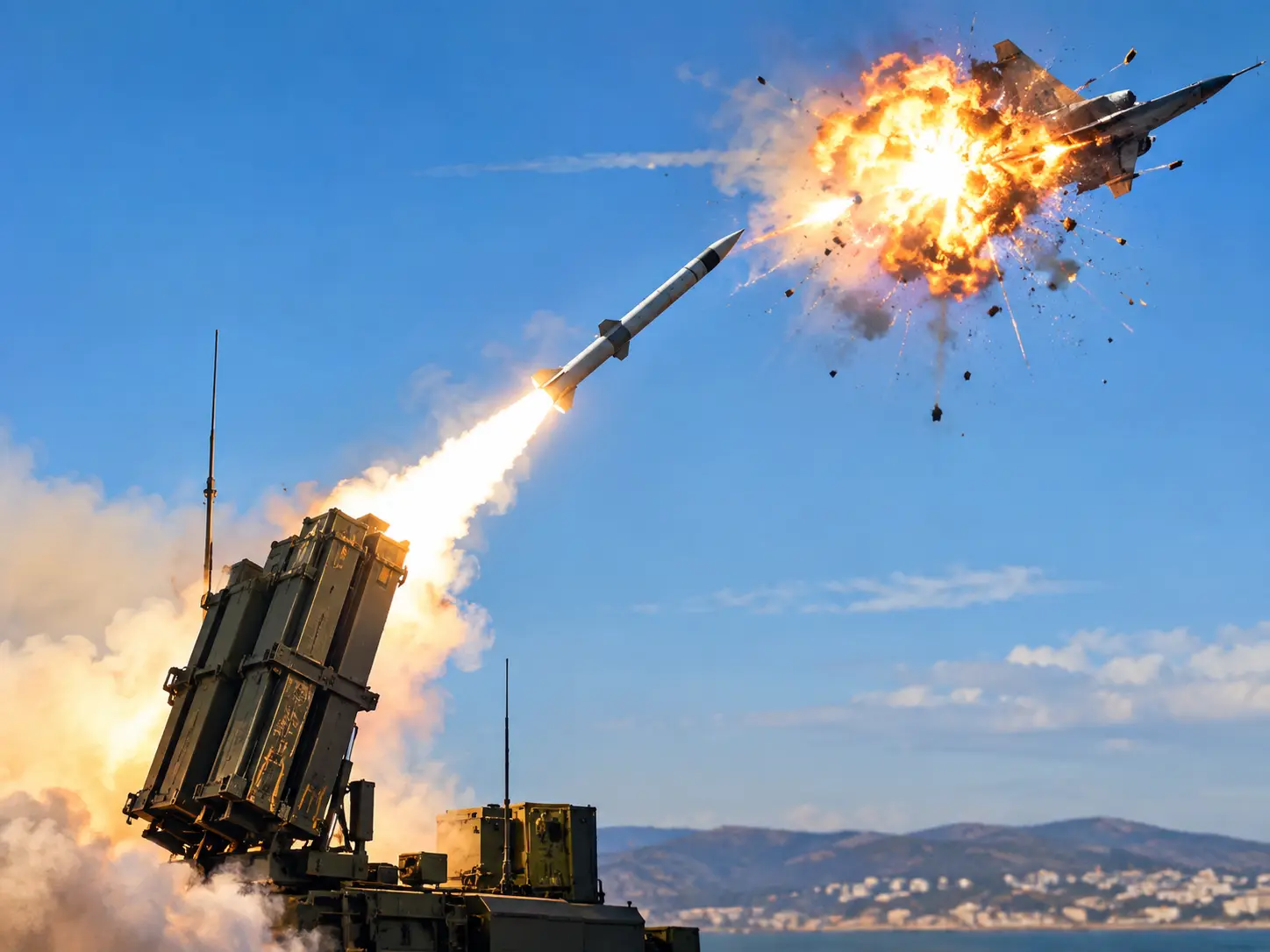
The PL-15 saves its second rocket ignition to regain kinetic energy during the final terminal phase. This delayed pulse allows it to intercept targets up to 300 kilometres away, compared to the Meteor's 200-kilometre range. This ensures the missile retains enough energy to strike evasive aircraft.
)
)
)
)
)