Why do air defence missiles explode near their target instead of hitting it?

Air defence missiles use proximity fuzes to detonate metres away from incoming threats. This creates a massive cloud of high-velocity shrapnel, destroying fast-moving targets without a direct hit.

Speeds Over Mach 2
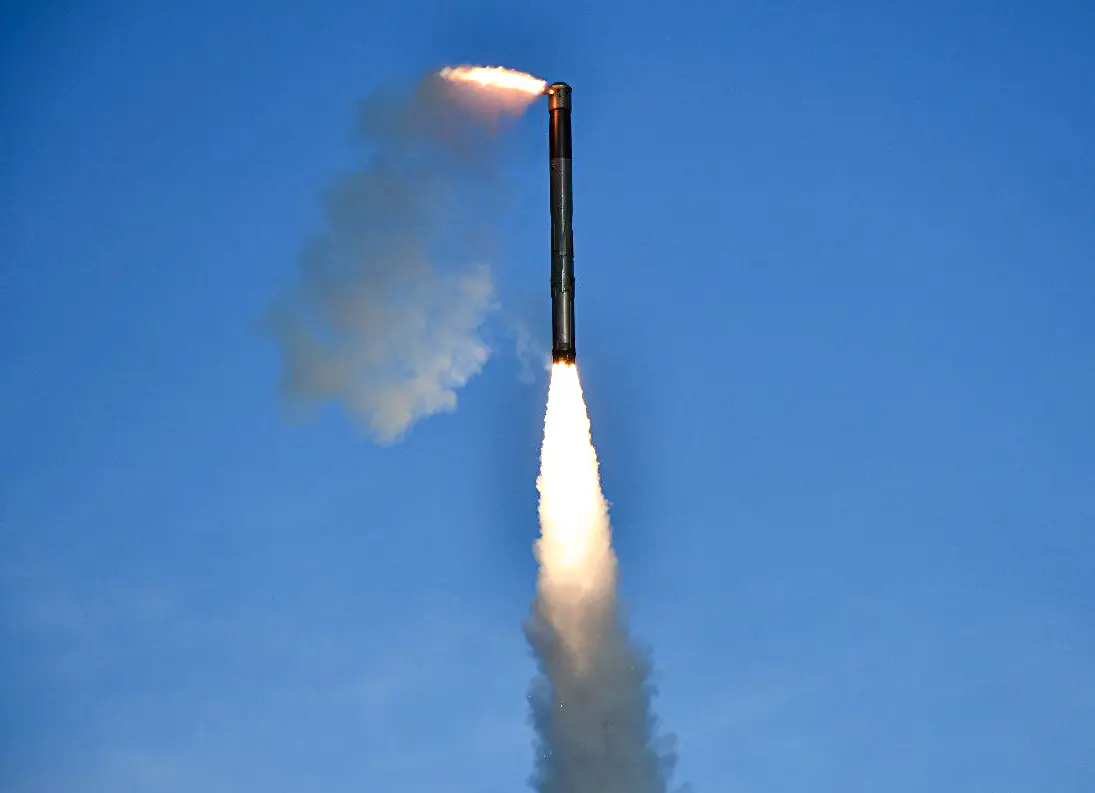
Modern fighter jets and ballistic missiles travel at extreme supersonic speeds, making a direct collision incredibly difficult. Trying to strike these fast-moving threats head-on is often compared to shooting a bullet with another bullet. To solve this, interceptors are designed to detonate close to the target rather than striking it directly.
15 Metre Blast Radius
Instead of a direct impact, interceptors use advanced proximity fuzes that trigger a detonation when they detect the target is within a few metres. This creates a massive, unavoidable destruction zone in the sky. The sheer explosive force and heat immediately disable the incoming threat's flight capabilities.
Over 1,000 Metal Fragments
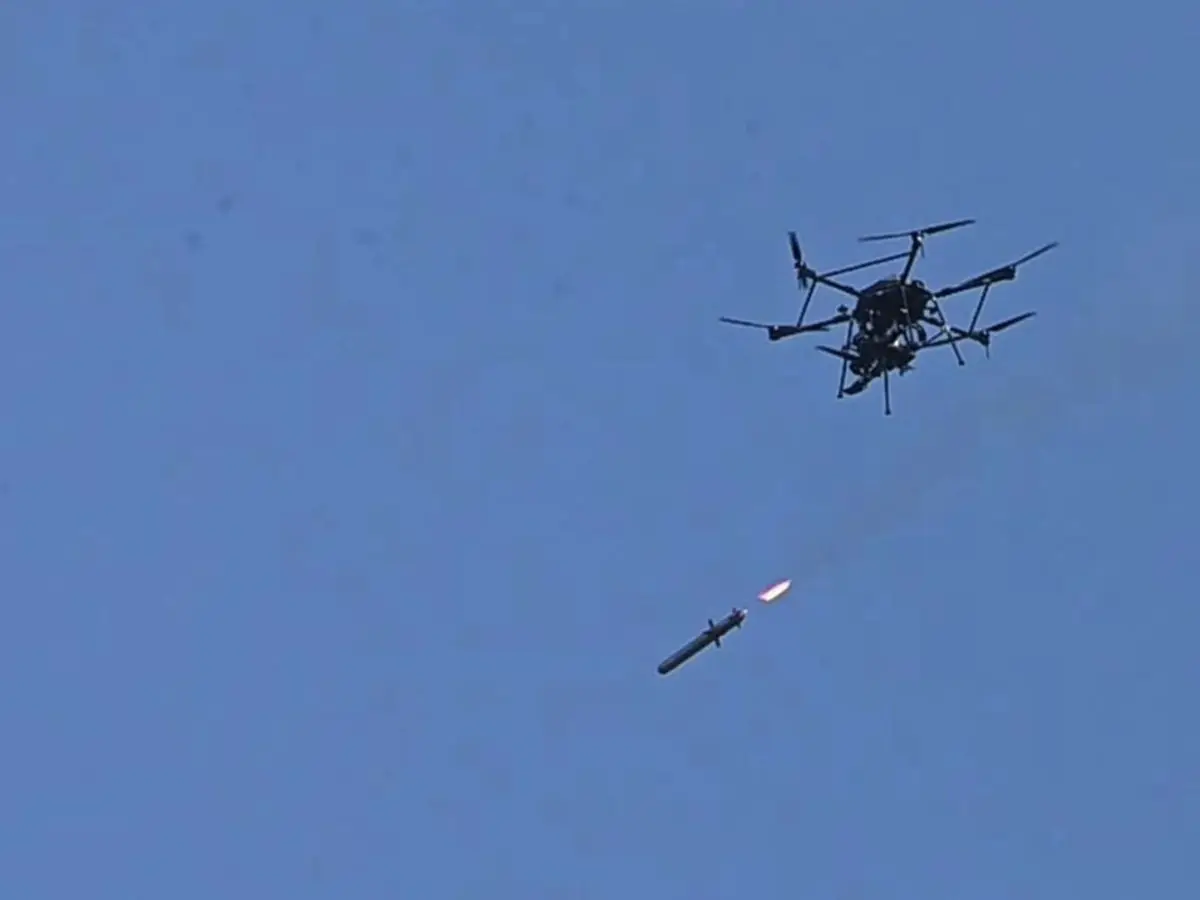
When the missile explodes, its blast-fragmentation warhead shatters into thousands of high-velocity metal fragments. This expanding cloud of shrapnel acts like a giant shotgun blast in the air, piercing the thin metal skin of the enemy aircraft. It guarantees critical damage even if the main missile body misses by several metres.
90 Per Cent Success
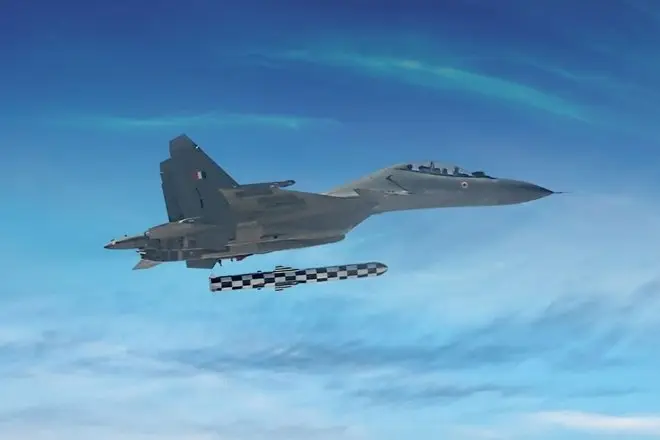
Relying on this blast fragmentation method significantly increases the overall interception success rate of modern defence systems. They achieve high reliability because they do not need pinpoint accuracy to neutralise erratic, manoeuvring threats. The wide damage spread easily compensates for any sudden changes in the target's flight path.

Under 1 Second Reaction
Radar systems and onboard computers calculate the exact millisecond to detonate the warhead for maximum destructive effect. The internal proximity fuze detects the target's electromagnetic reflection and triggers the explosive charge instantly. This precise timing ensures the high-speed debris cloud intersects the target exactly.
)
)
)
)
)