Why European Meteor missiles use ramjet engines compared to standard US solid rockets

Europe's Meteor missile uses an air-breathing ramjet to sustain Mach 4 speeds over 100 kilometres. Unlike standard solid rockets that burn out quickly, it creates a three times larger no-escape zone.
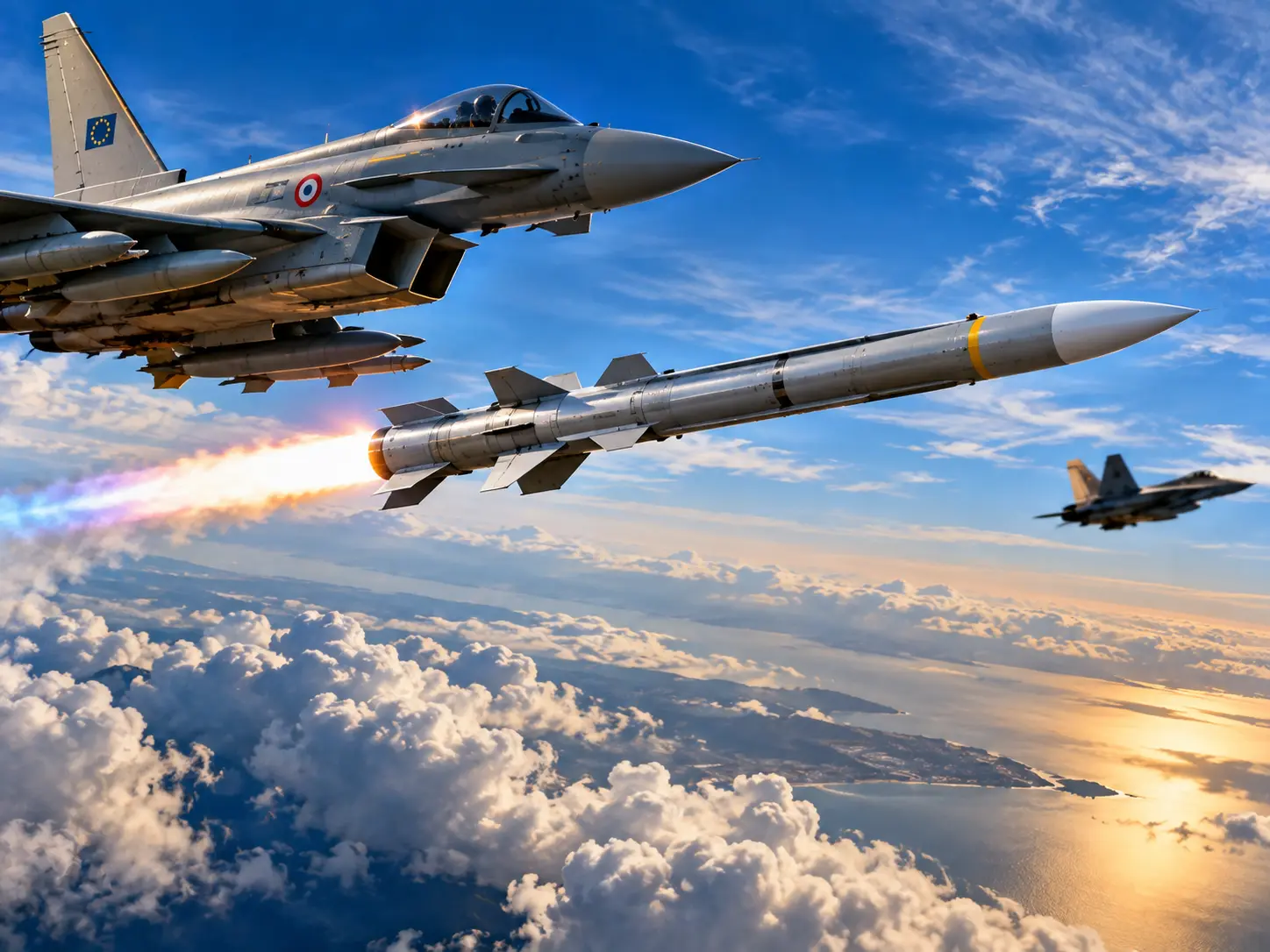
10 Second Rocket Burn
Standard American missiles like the AIM-120 AMRAAM use conventional solid-propellant rockets. These engines burn all their internal explosive fuel within roughly 10 seconds, forcing the missile to coast and slowly lose speed as it glides toward distant targets.
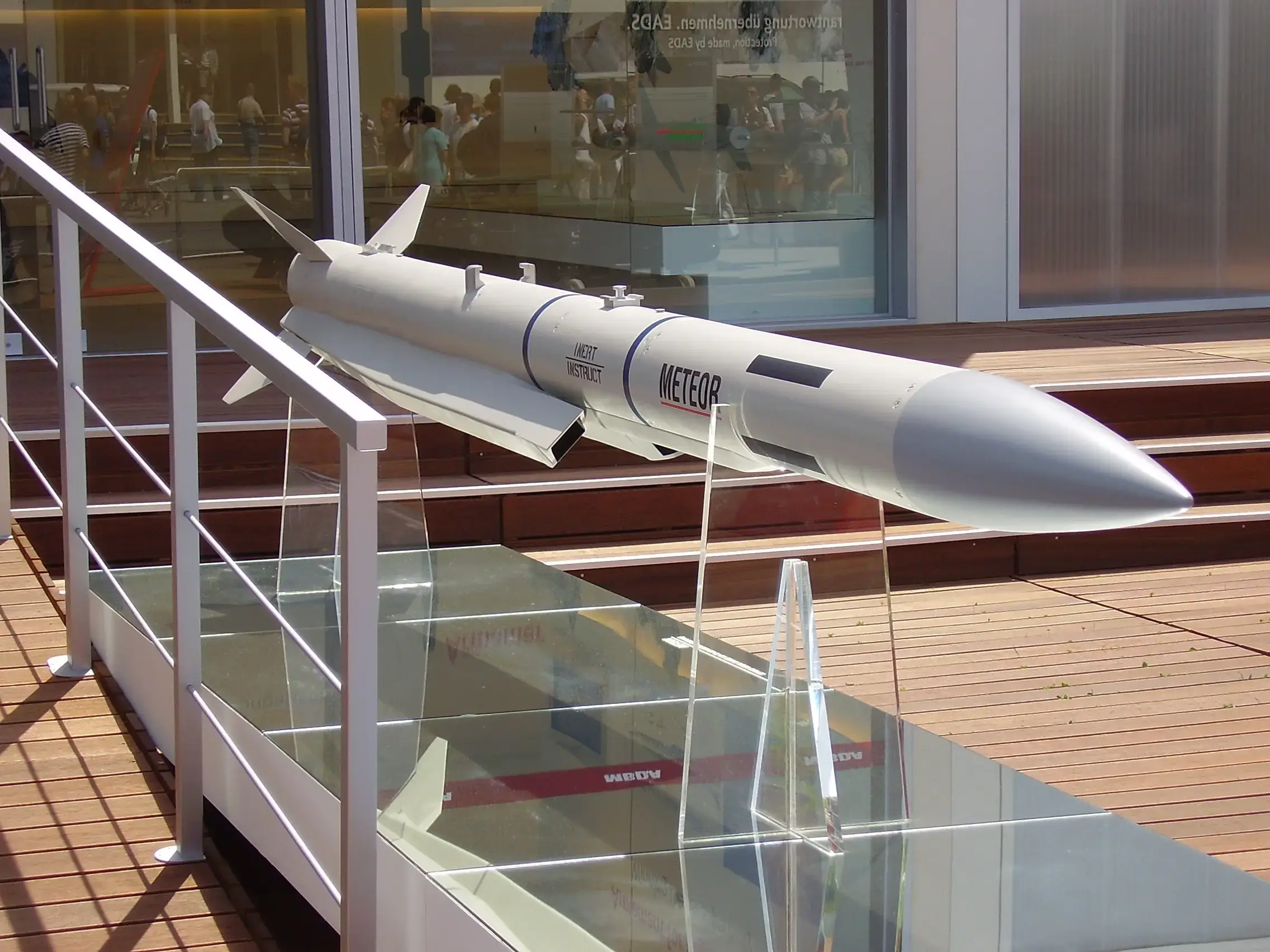
Mach 4 Sustained Speed
Europe's MBDA Meteor relies on a highly advanced throttleable solid-fuel ramjet engine developed by Bayern-Chemie. Unlike standard rockets, this engine provides continuous thrust throughout the flight, maintaining speeds of over Mach 4 right up to the point of impact.
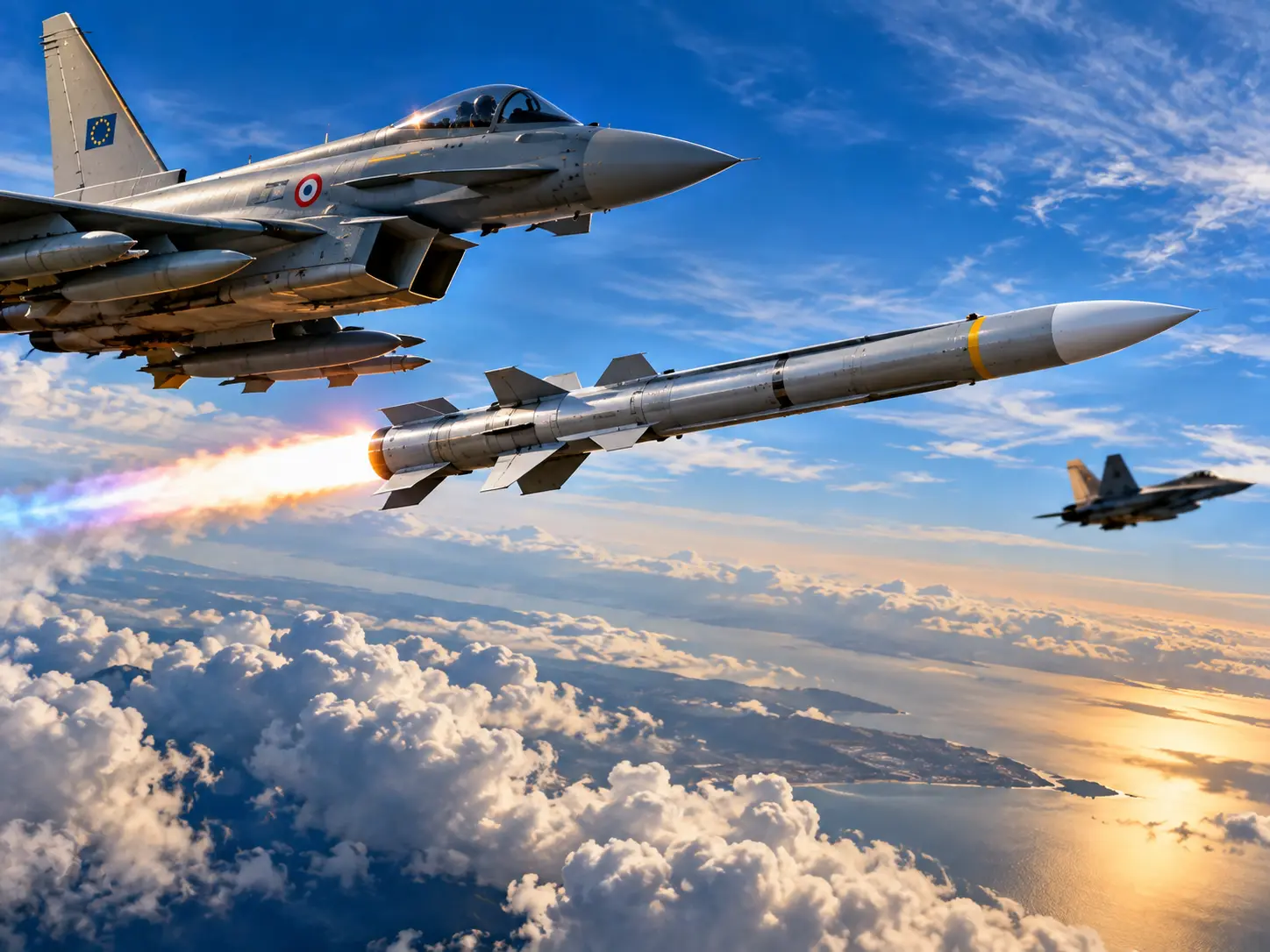
Zero Internal Oxidiser
Traditional solid rocket motors must carry heavy internal oxidisers to burn their fuel in the air. The Meteor’s ramjet breathes atmospheric oxygen through intakes to ignite its fuel, freeing up critical internal space to pack significantly more propellant for extended flights.

Over 100 Kilometre Thrust
Because the Meteor’s ramjet engine can be throttled, it adjusts its speed to save fuel during the cruise phase and accelerates during the final attack. This allows it to maintain powered flight for distances exceeding 100 kilometres, unlike conventional gliding solid rockets.
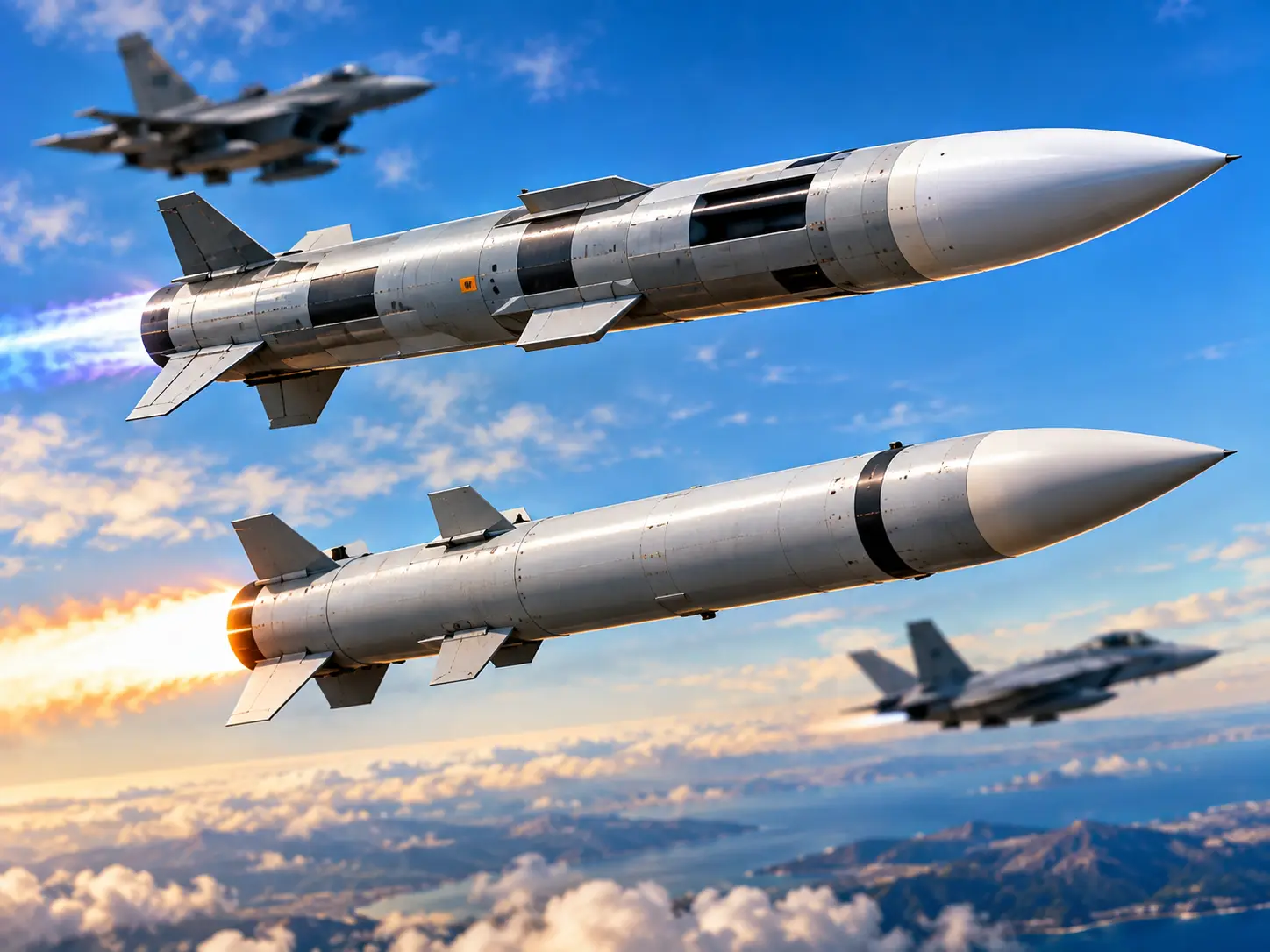
3 Times Larger Zone
Sustaining kinetic energy into the terminal endgame prevents enemy aircraft from simply outmanoeuvring the weapon by turning away. Thanks to its continuous ramjet propulsion, the Meteor boasts a no-escape zone that is three to six times larger than conventional solid-fuel missiles.
)
)
)
)
)