&imwidth=800&imheight=600&format=webp&quality=medium "What does Musk's trillionaire status after SpaceX IPO tell us about global wealth gaps? The Big Question")
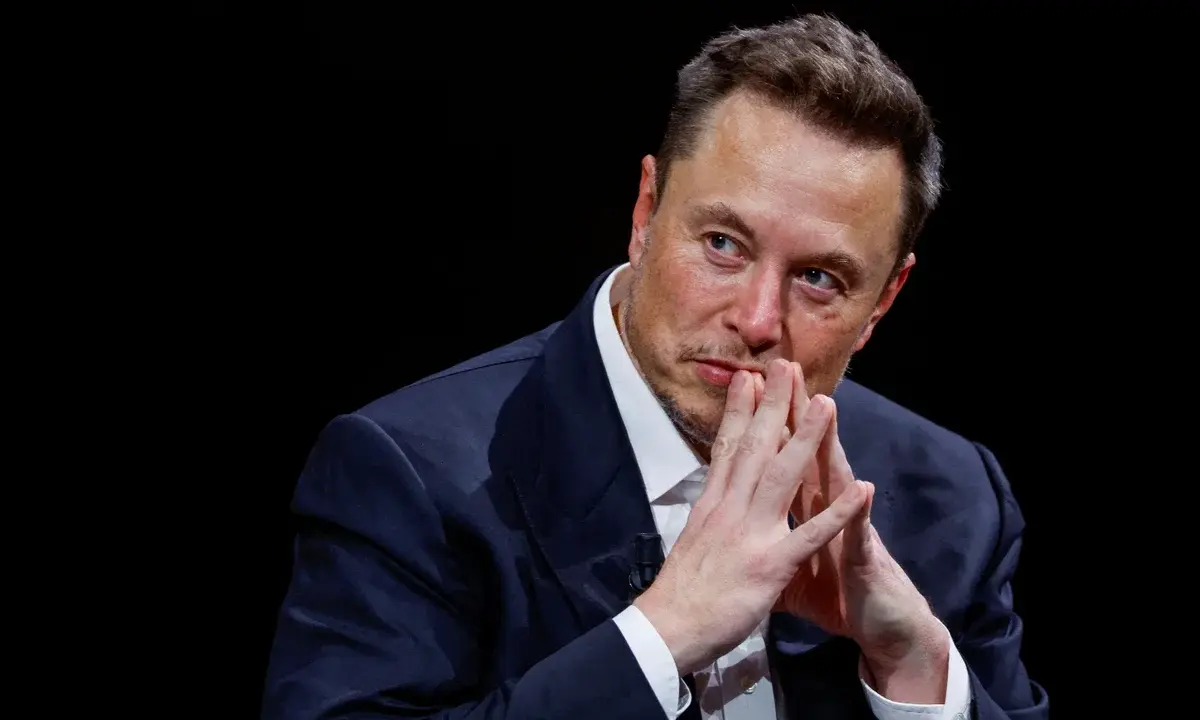
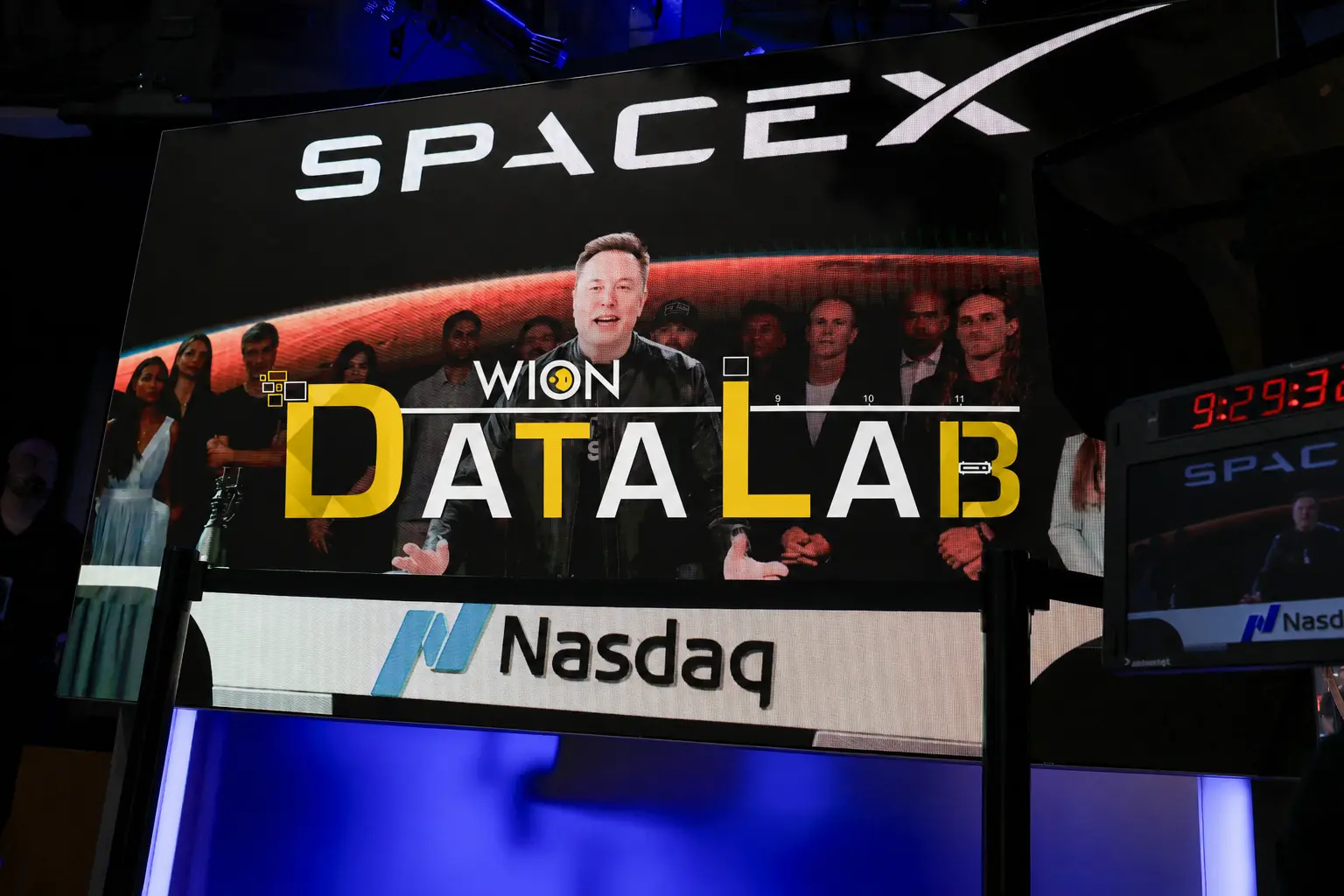
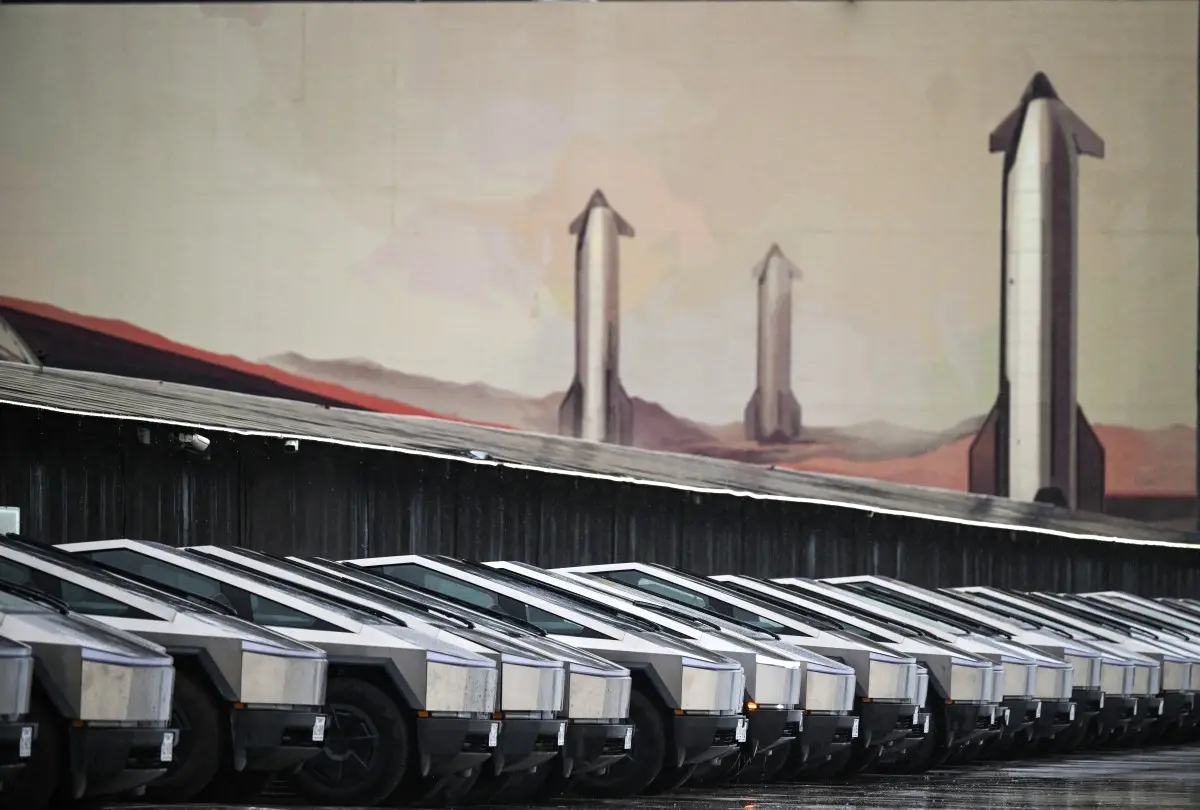
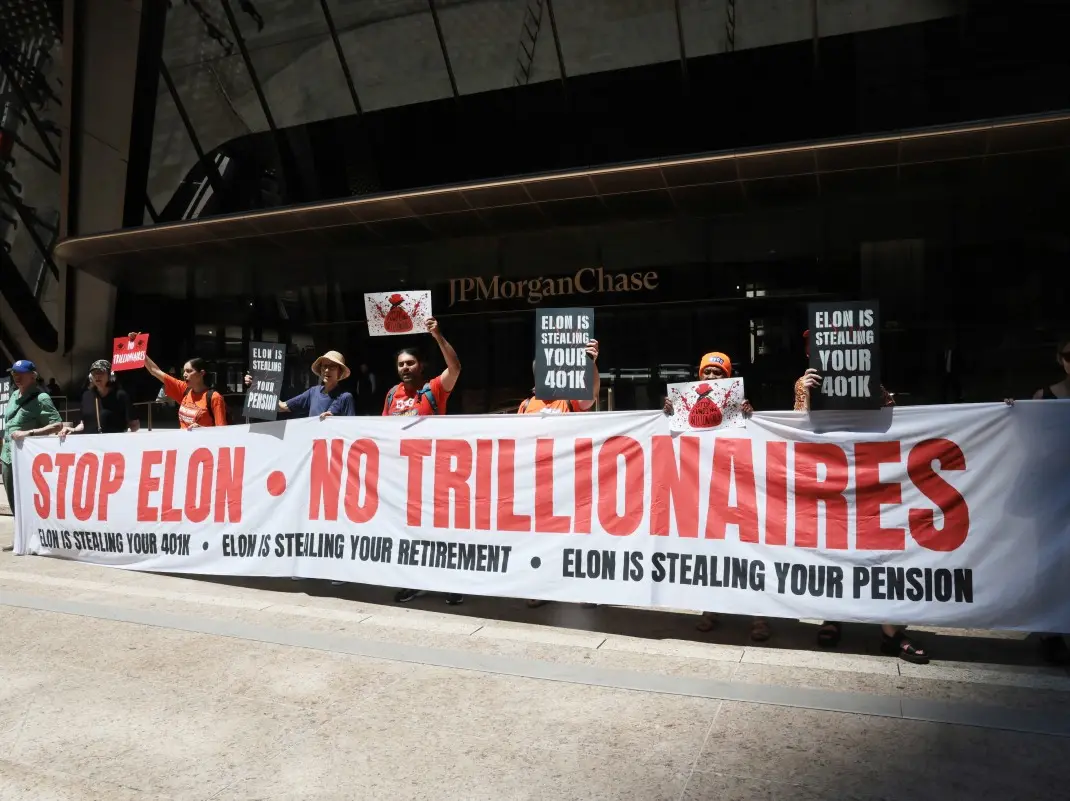
Elon Musk's rise to a trillionaire worth around $1.05 trillion following SpaceX's blockbuster IPO on Friday (Jun 12) is more than a personal fortune milestone. It shows how wealth is concentrated in the hands of a few individuals. In a world of wars, famine, climate crisis, and natural disasters, all of which cause the high cost of living, the rich are getting richer much faster than average incomes are rising. Musk's wealth exceeds the combined economic output (GDP) or wealth of vast populations and even entire nations.
Warnings on inequality becoming true: Musk's wealth and per-capita incomes
As per figures from IMF and World Bank, the world's nominal GDP per capita is nearly $15,223.

Based on purchasing power parity (PPP), adjusted for cost of living, it is around $27,003. This is not spread evenly for obvious reasons: advanced economies have a much higher per capita nominal GDP of $66,000, while emerging and developing economies are at $7,560. The average American economic output per person is about $94,430 per year. In India, it is around $3,051, and in Nigeria, about $1,378. Poorest nation South Sudan's GDP per capita is roughly $369 a year.
Meanwhile, the collective wealth of the world's billionaires grew by $2.5 trillion in one year, nearly matching the total wealth of the bottom half of humanity, or around 4.1 billion people. The 12 richest billionaires hold more wealth than the poorest half, many times over.
Putting the trillion-dollar wealth of a single person in context
Trending Stories
)
Emmys 2026: Matthew Rhys wins Best Actor twice, sets historic 78-year record
)
3 Italians fly from Delhi to Munich without immigration clearance; Air India gets notice on major security lapse
)
Did India risk its US trade deal despite softer stance at BRICS?
)
Pakistan puts Pak Rs 70 lakh bounty on UN terrorist Masood Azhar; move draws skepticism in Delhi
)
‘US ensuring global energy supplies’: Trump demands reimbursement for securing Strait of Hormuz
)
'Huge destructive power': North Korea calls its latest missile launches 'live-fire drill' even as US dismisses 'immediate threat'
)
‘Let’s go’: Newly declassified videos show dramatic rescue of US Air Force officers downed in Iran
)
Historic first: ‘Ganga aarti’ performed on River Thames in London
)
Emmy Awards 2026: Widow's Bay and The Pitt win in lead categories- check out the complete list of winners
&im=FitAndFill=(700,400))
Why European Meteor missiles use ramjet engines compared to standard US solid rockets
)
Iran, India agree to deepen humanitarian and political ties, President Pezeshkian says
)
‘Want to reset ties with India, have engagement based on mutual interests,’ says Bangladesh minister
&im=FitAndFill=(700,400))
Emmys 2026 Red Carpet: Zendaya, Nicole Kidman and Julia Garner lead the glamour peak
)
Turkish Airlines plane flies through a storm three times, triggering severe turbulence
&im=FitAndFill=(700,400))
Why Chinese PL-15 air-to-air missiles use dual-pulse motors compared to European interceptors
)
What is Hyrox, in news for athlete who soiled herself, but kept running and using common equipment?
)
Russia proposes to build 360 kmph Ivolga FG trains in India: What happened on sidelines of BRICS
)
800 million years old - Scientists discover 'fingerprints' of supercontinent Gondwana in ancient rocks
)
China discovers vast gold and silver 'mine' in the Pacific with unheard-of deposits
)
Plane carrying prominent figure crashes at Libya’s Misrata airport: Report
&im=FitAndFill=(700,400))
New OTT releases this week (September 14-20, 2026): Lust Stories 3, Waiting Hai, Irumudi- 5 new titles coming on Netflix, Prime Video and more
)
Sent home midway from UK tour, Pakistan's Salman Agha hits 300* in domestic return
)
Nigerian Navy seizes 10,000 litres of suspected illegal fuel in Rivers State crackdown
)
Saudi Arabia discovers 110 million tonnes of Uranium-rich ore in Madinah region
)
Dodgers beat Reds for playoff berth in bid for third consecutive World Series
)
Ecstasy tablets are rage in 'drug haven' Libya | Gravitas
)
'Now Trump is copying us': Shivakumar links US $5,000 plan to Congress guarantees
)
Video of Pakistani lawmaker struggling to read English tribute to Jinnah goes viral - WATCH
)
Trump downplays China's alleged 'help' to Iran in strike on Jordan base | Gravitas
)
Baba Vanga's first prophecy for 2027 is out, and straight out of science fiction
)
Trump loses Supreme Court battle over mail ballots ahead of US midterms: What happened?
)
Photographs, LeT labels vanish from two 2008 Mumbai attack entries in Pakistan’s most wanted list
)
Delhi govt to roll out ₹13,820 crore development projects under Seva Sankalp Abhiyan: CM Rekha Gupta
)
UK man admits drugging, raping wife for 20 years in shocking abuse case
)
Extreme warming in Indian Ocean added 695 billion tons of ice to Antarctica ice sheet
)
Scotland, Wales & Northern Ireland push for exit from UK | Race To Power
)
China thinned Himalayan troop presence in 2025, India defence report says; terms border situation 'stable'
Musk's wealth reportedly grew more than $1 million per minute at some points. At $1 trillion, one person could exceed the combined net wealth of billions. Spread across all 8.2 billion people on Earth, it would come to roughly $128 each. Measured against South Sudan, Musk's net worth equalled about 174 times that nation's entire annual GDP of around $6 billion. This would equal nearly three billion person-years of average South Sudanese economic output held by one man.
Against India's per-capita figure, Musk's wealth corresponds to the yearly output of around 340 million people.
The World Inequality Report 2026 data reinforces this wealth gap. The top 1 per cent capture a massive share of global income and nearly 37 per cent of wealth. The top 10 per cent hold 75 per cent of global wealth, while the bottom half holds just 2 per cent of wealth and 8 per cent of income.
Billionaire wealth is at a historic high: A per capita comparison
Oxfam and similar organisations have repeatedly warned about this extreme wealth concentration. Even as nearly half the world's population still lives in poverty, billionaire wealth has risen 81 per cent since 2020. According to Oxfam's analysis, billionaire wealth reached a record $18.3 trillion in 2025, up 16 per cent that year. That was three times the prior five-year average, and up 81 per cent since 2020.
According to IMF, world GDP in 2026 is about $124 trillion. Musk's fortune alone therefore amounts to roughly 0.8 per cent of all annual economic output produced on Earth.
How does it work out in per-capita income terms? The IMF estimates global GDP per capita at roughly $15,000 in 2026. At that level, Musk's $1.05 trillion fortune equals the annual economic output of around 70 million average world citizens.
Even compared with high-income economies, the numbers are staggering. As mentioned earlier, the average American produces less than $100,000 of economic output per year, meaning Musk's fortune is equivalent to the annual output of more than 10 million Americans.
In many African and South Asian nations, annual per-capita GDP remains below $5,000. Musk's wealth represents the equivalent of hundreds of millions of person-years of economic output when compared to them.
Winner takes most: Poverty has reduced across the world, but…
Data from institutions such as the World Bank show that global extreme poverty has fallen substantially in the past decades. It is, therefore, incorrect to say that the poor are universally becoming poorer. But the gap between the richest individuals and the ordinary people continues to be enormous and growing.
The World Bank now estimates about 831 million people live in extreme poverty under its updated $3.00-a-day poverty line, as of June 2025. South Sudan's GDP per capita has fallen more than 50 per cent since independence in 2011. Oxfam said that while Nigerians endured their worst cost-of-living crisis in a generation, African billionaire wealth jumped 36.5 per cent in 2025, more than twice the global average.
Musk becoming a trillionaire does not alone cause the global wealth gap in isolation, but it reemphasises the winner-takes-most dynamics in tech and capital markets, where innovation and scaling create enormous notional wealth for founders and investors.
Oxfam argued that this reflects policy choices favouring capital over labour and weak taxation of extreme wealth. Billionaires are roughly 4,000 times more likely to hold political office than ordinary citizens, so extreme wealth converts into outsized power over the rules themselves.
12 richest individuals now hold more wealth than the poor half of humanity
In this context, it is interesting to recall Oxfam's January 2026 Davos report, Resisting the Rule of the Rich. The report said that billionaire wealth hit a record $18.3 trillion, rising more than 16 per cent in 2025. This is three times faster than the average of the previous five years, with the number of billionaires passing 3,000 for the first time. The concentration is shocking: 12 richest billionaires now hold more wealth than the poorest half of humanity or over four billion people. The richest 1 per cent own about 43.8 per cent of wealth while the bottom half holds just 0.52 per cent. This means a top-1 per cent person owns on average 8,251 times more than someone in the bottom 50 per cent. The wealth billionaires gained in a single year could hand every person on Earth $250 and still leave the billionaires more than $500 billion richer, it noted.