
&imwidth=800&imheight=600&format=webp&quality=medium "Musk controls 85% of SpaceX's votes! Why that should worry every new investor")
When SpaceX rang the opening bell on Nasdaq, thousands of new shareholders became part-owners of one of the most ambitious companies on the planet. But buried in the company's regulatory filings is a detail that should give every one of those investors pause: Elon Musk alone controls approximately 85 percent of SpaceX's voting power.
How the Dual-Class Structure Works
SpaceX's share structure splits ownership into different classes of stock, one class for the public markets, carrying ordinary voting rights, and another class held overwhelmingly by Musk and SpaceX insiders, carrying outsized voting power per share. The result is a company where outside investors can buy economic exposure to SpaceX's growth, but have almost no say in how it is run. Musk will continue to serve simultaneously as SpaceX's Chief Executive Officer, Chief Technical Officer, and Chairman of the Board and will control the election of the very directors meant to provide oversight.

Why This Matters for Shareholders
In a normal public company, if a CEO makes a string of bad decisions, loses investor confidence, or pursues projects that destroy shareholder value, the board, accountable to shareholders, can replace them. Under SpaceX's structure, that check effectively does not exist. Analysts reviewing the filings have described the arrangement bluntly: it will be very difficult for the board to remove Musk if necessary, meaning shareholders will be unable to remove him if he fails to deliver on promises.
This is not a hypothetical concern. SpaceX's business plan rests partly on extremely ambitious, long-horizon goals, including Mars colonization and space-based data centers, that are notoriously difficult to value and have historically seen repeated delays. A shareholder base with no ability to course-correct leadership is betting entirely on Musk's judgment, indefinitely.
Trending Stories
)
Why asking questions could be more important than memorising answers
)
Did India risk its US trade deal despite softer stance at BRICS?
&im=FitAndFill=(700,400))
How 2nm technology improves iPhone performance
&im=FitAndFill=(700,400))
Shahid Kapoor to Rajkummar Rao: Actors who rule both theatres and OTT
)
BRICS Summit 2026: Trump wants to weaken BRICS, but maybe doing the opposite
&im=FitAndFill=(700,400))
Meet top 5 batters fastest to 3000 runs in T20Is
)
Did BRICS Summit 2026 prove that an 11-member bloc with India and China in it can still agree on key issues?
)
Top 5 places to visit in Goa beyond its famous beaches
)
Delhi’s balancing act: BRICS serves as a stage for West Asia diplomacy
&im=FitAndFill=(700,400))
Why European Meteor missiles use ramjet engines compared to standard US solid rockets
)
'He is popular...': Malaysian PM Anwar Ibrahim's praise for PM Modi during bilateral meeting | WATCH
)
Iran, India agree to deepen humanitarian and political ties, President Pezeshkian says
)
‘Want to reset ties with India, have engagement based on mutual interests,’ says Bangladesh minister
)
BRICS Summit 2026: PM Modi, Xi reach key consensus on ties, China to assume BRICS chairmanship in 2027
)
UK breakup on the cards? Scotland, Wales and Northern Ireland push for independence
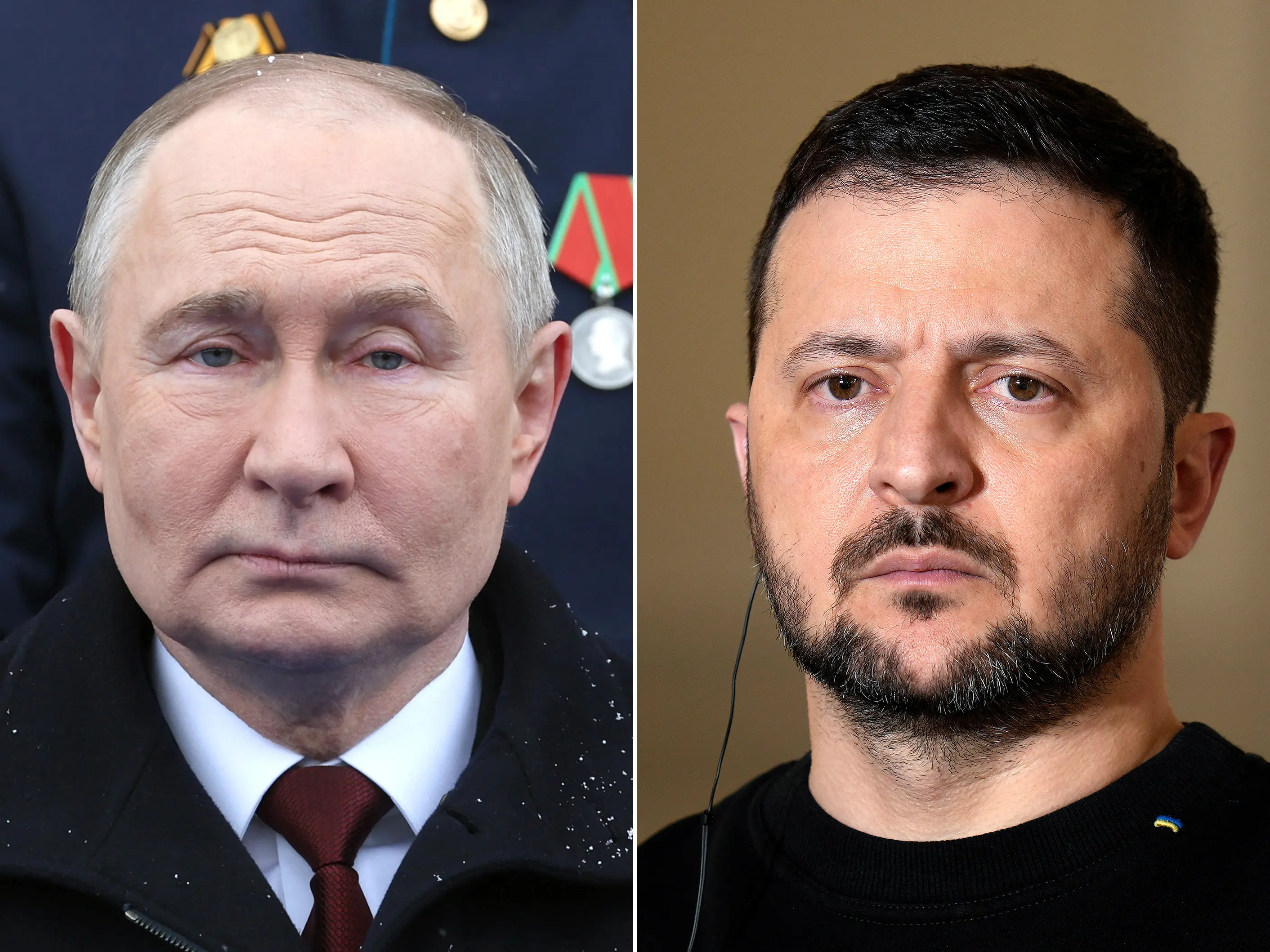)
Russia-Ukraine-US talks in October? Kremlin says not ruling out possibility of trilateral
)
Trump says Canada eager to reach a deal, it could come ‘fairly soon’ if Ottawa treats US farmers better
)
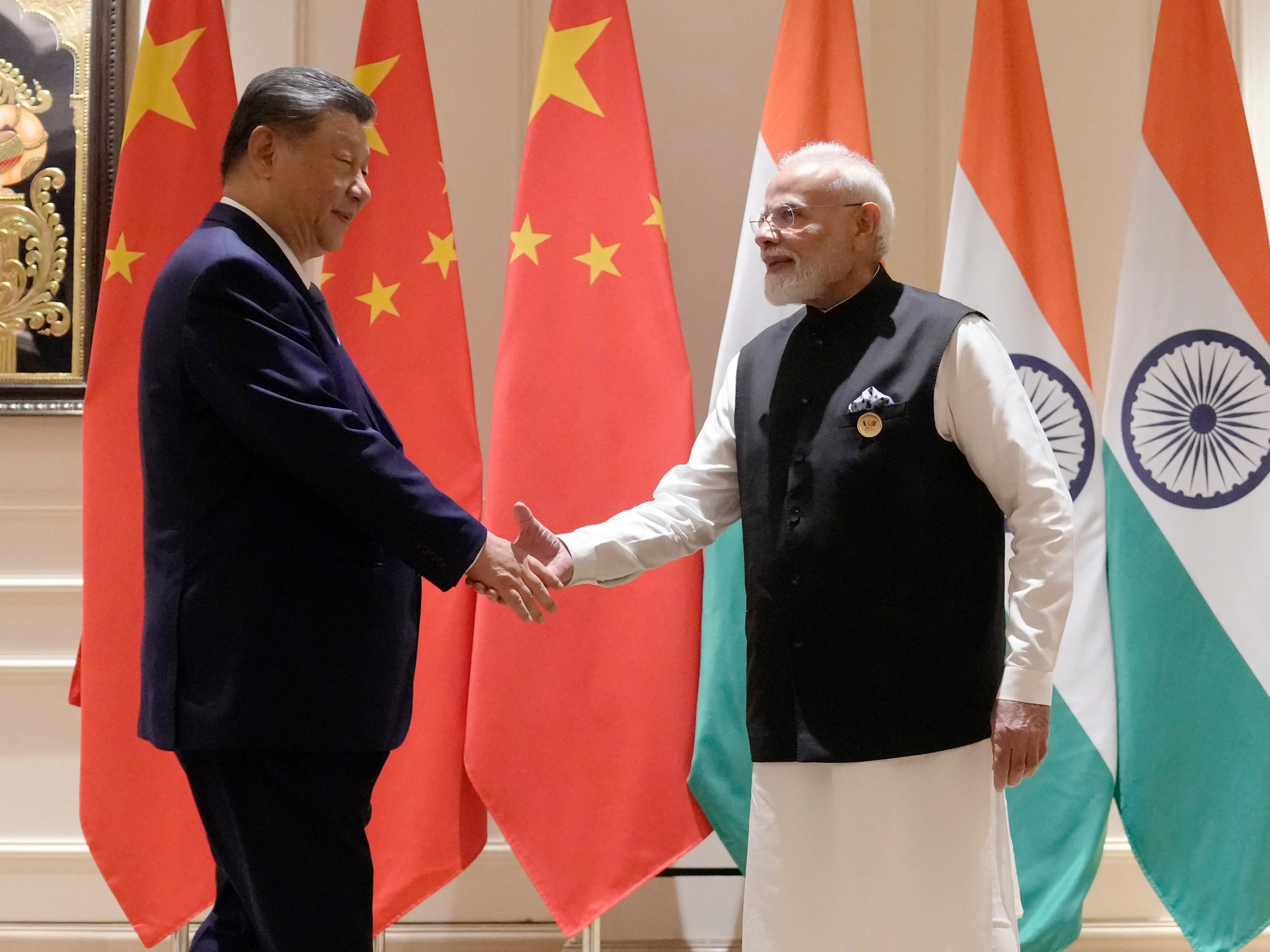
The Verdict | Africa is too big to remain a guest at the BRICS table
)
‘Partners, not rivals’: Xi outlines four point plan for stronger India-China ties
&im=FitAndFill=(700,400))
Why Chinese PL-15 air-to-air missiles use dual-pulse motors compared to European interceptors
)
NATO under Russian threat? Drone strikes just 2 km from Poland, narrow escape for former UK PM, CIA chief
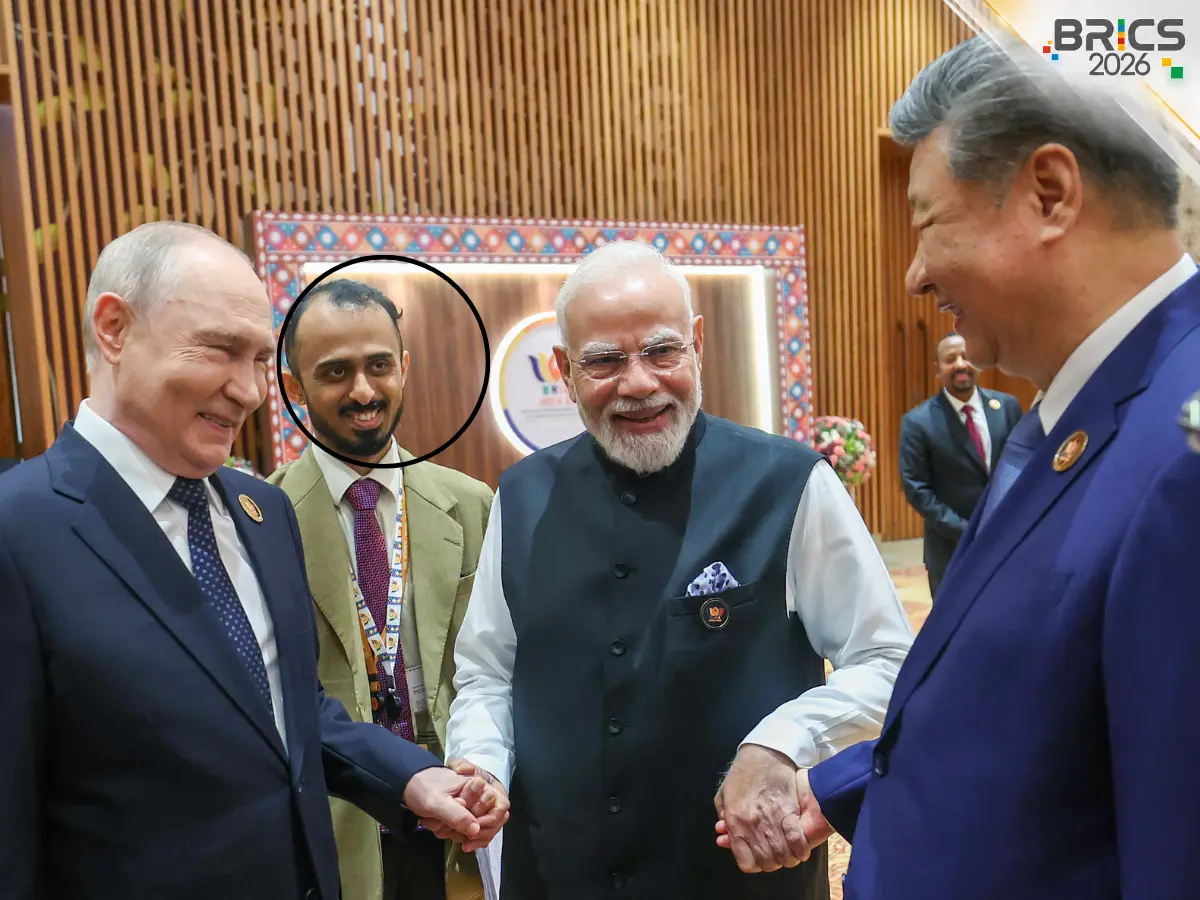)
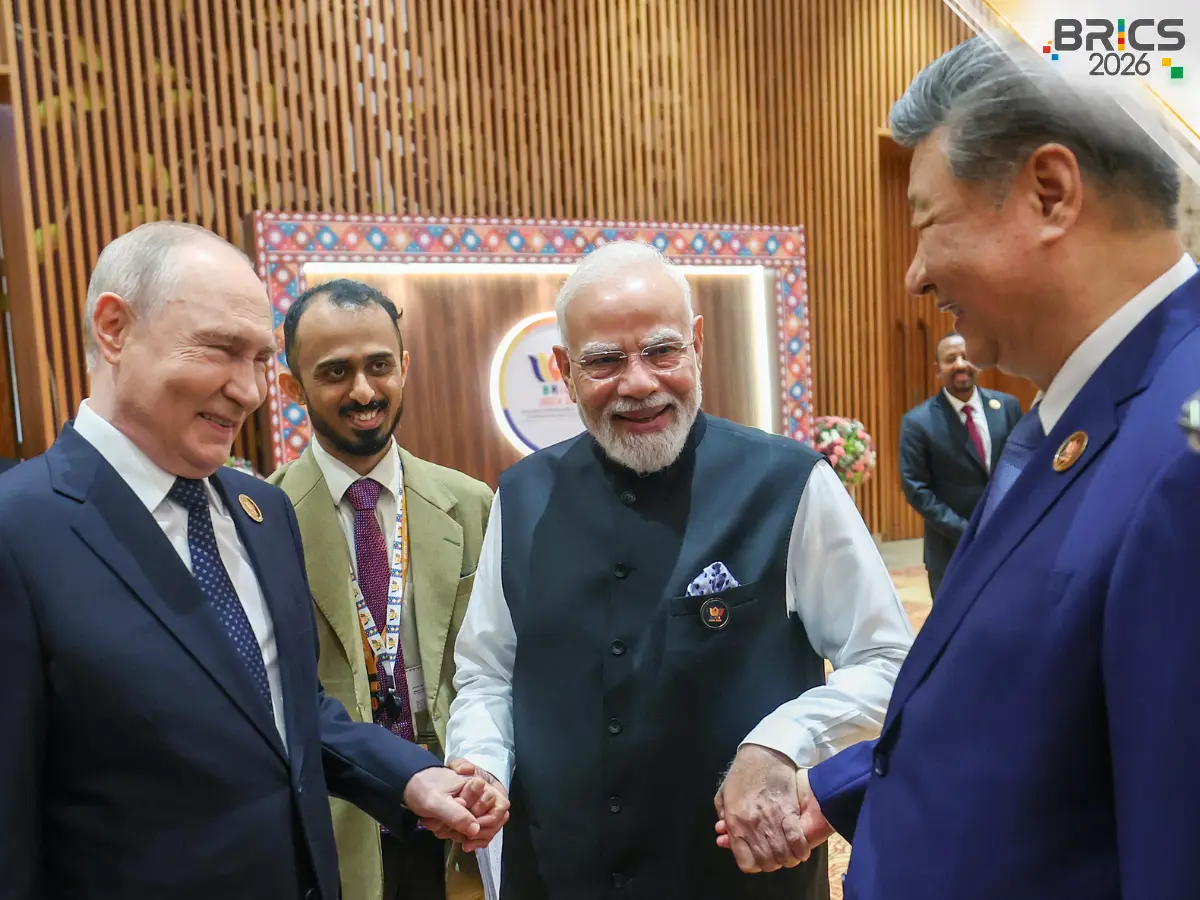
Who is the smiling man beside Modi, Putin and Xi at BRICS Summit 2026?
)
BRICS Summit: New Delhi declaration adopted with full consensus, big diplomatic win for India
)
800 million years old - Scientists discover 'fingerprints' of supercontinent Gondwana in ancient rocks
)
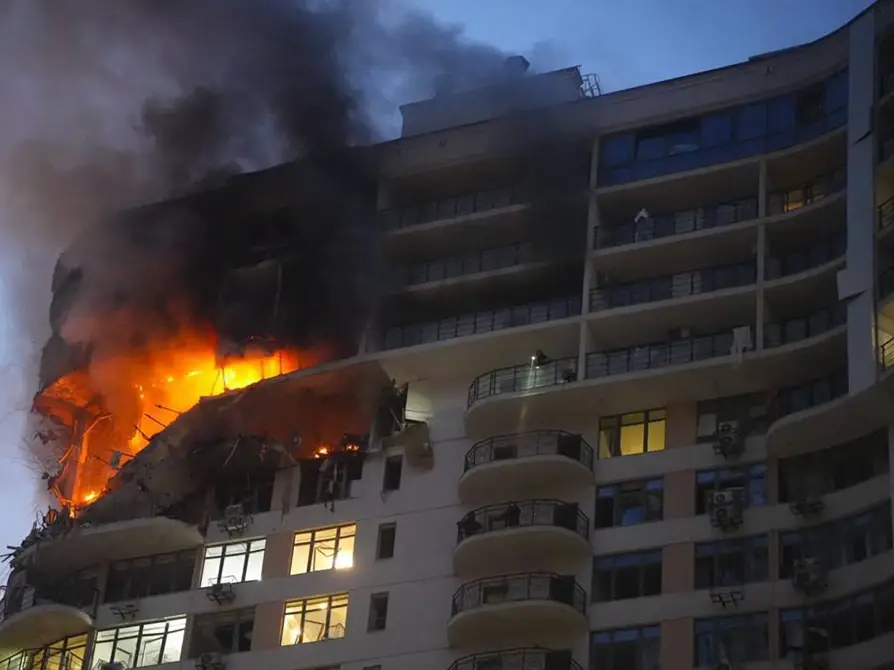
Russian drone hits Warsaw-bound train near Polish border, Zelensky accuses Moscow of ‘deliberate’ targeting
)
War is making Russia stronger? How Ukraine is shaping Moscow’s next generation of weapons
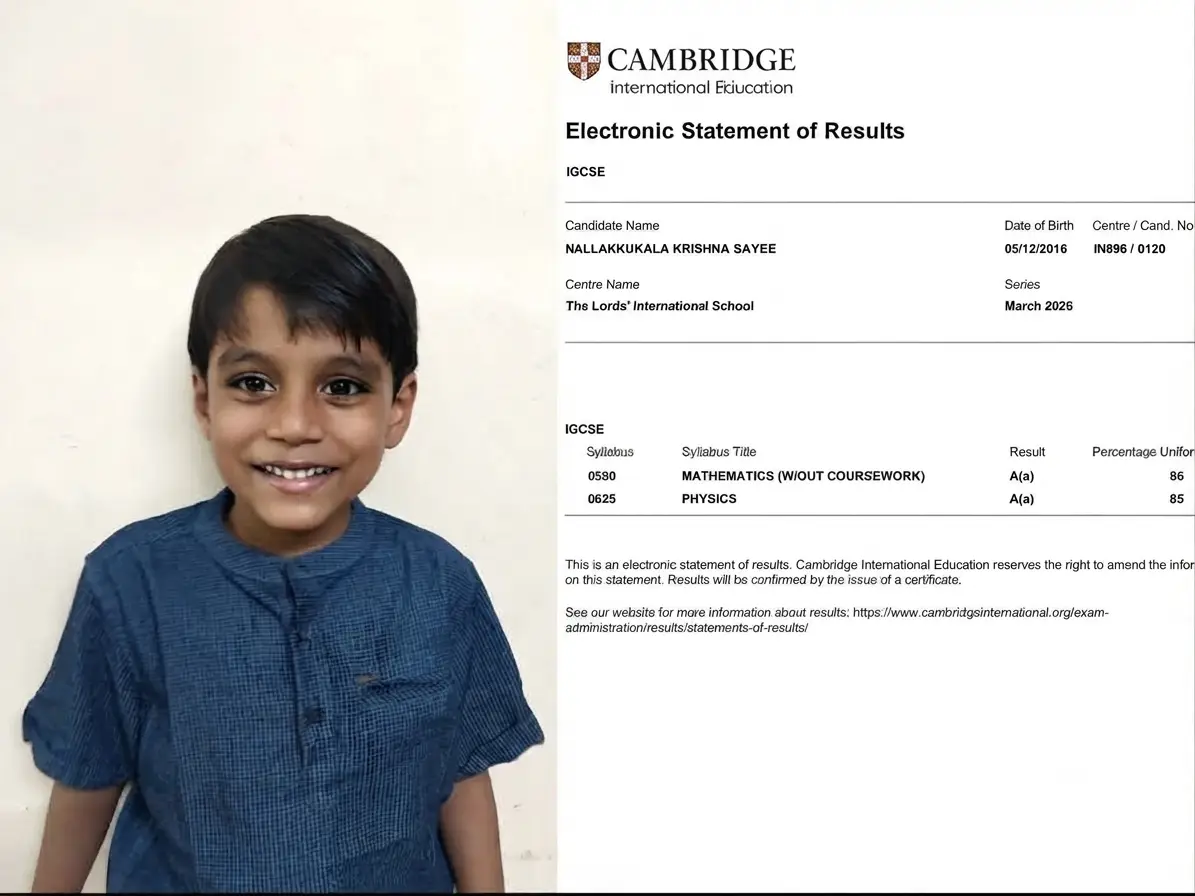)
9-year-old Chennai prodigy clears Cambridge IGCSE grade 10 exams
)
Indian importers urge Bangladesh to lift export ban on 'Hilsa' fish ahead of Durga Puja
)
Humans may lose control of AI: Anthropic CEO calls for slowdown, Altman, Musk back him
)
US diplomat accused of possessing child abuse images secretly flown out of UK by US Marines
)
BRICS Summit 2026: Modi-Xi moment highlights India-China thaw at BRICS
)
Why does your skin need protection from UV rays?
&im=FitAndFill=(700,400))
From Rinku Singh to Mayank Yadav, 5 players dropped from India’s squad for Afghanistan T20Is
)
PM Modi and China's Xi offered to help resolve Russia-Ukraine war: Kremlin
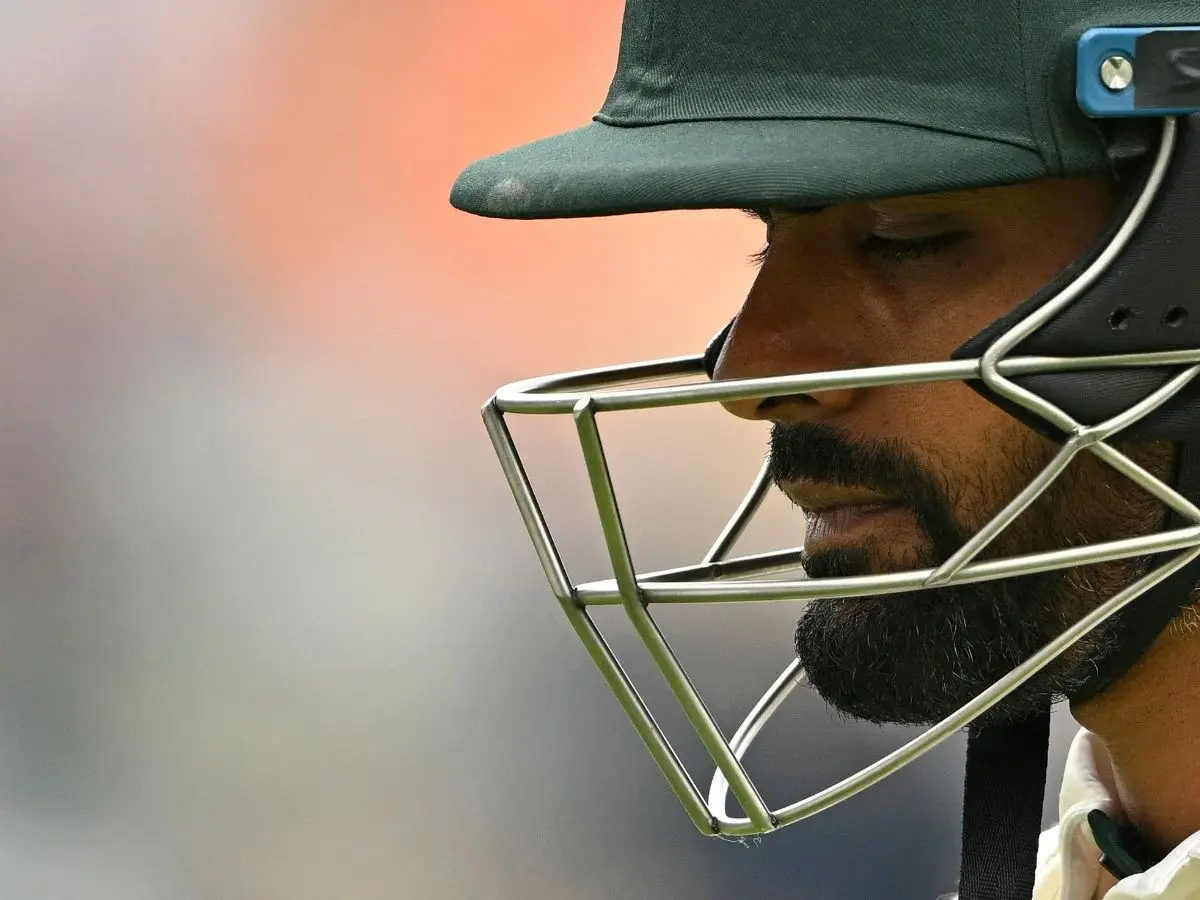)
Akram, Afridi, Mushtaq tear into PCB after Pakistan’s Test series collapse in UK
A Pattern Investors Already Know
This is not the first time Musk has structured a company to maximize his personal control. Tesla shareholders have spent years debating Musk's compensation packages and his attention being split across Tesla, X, xAI, Neuralink, The Boring Company, and now a publicly traded SpaceX. SpaceX's filings explicitly acknowledge the risk of related-party transactions between Musk's various companies, deals where the same person sits on both sides of the negotiating table.
The Bottom Line
None of this means SpaceX cannot succeed, its rocket and Starlink businesses are real, profitable, and growing. But for the millions of retail investors who placed orders hoping to own a piece of the space economy, the fine print matters. Buying SPCX stock means buying into Musk's vision with no meaningful mechanism to challenge it if that vision goes wrong. Governance experts call this a textbook example of weak corporate governance and it is now baked into one of the largest public companies in the world.
