Mind the gap: The future of mobility

&imwidth=600&imheight=450&format=webp&quality=medium "Mind the gap: The future of mobility")
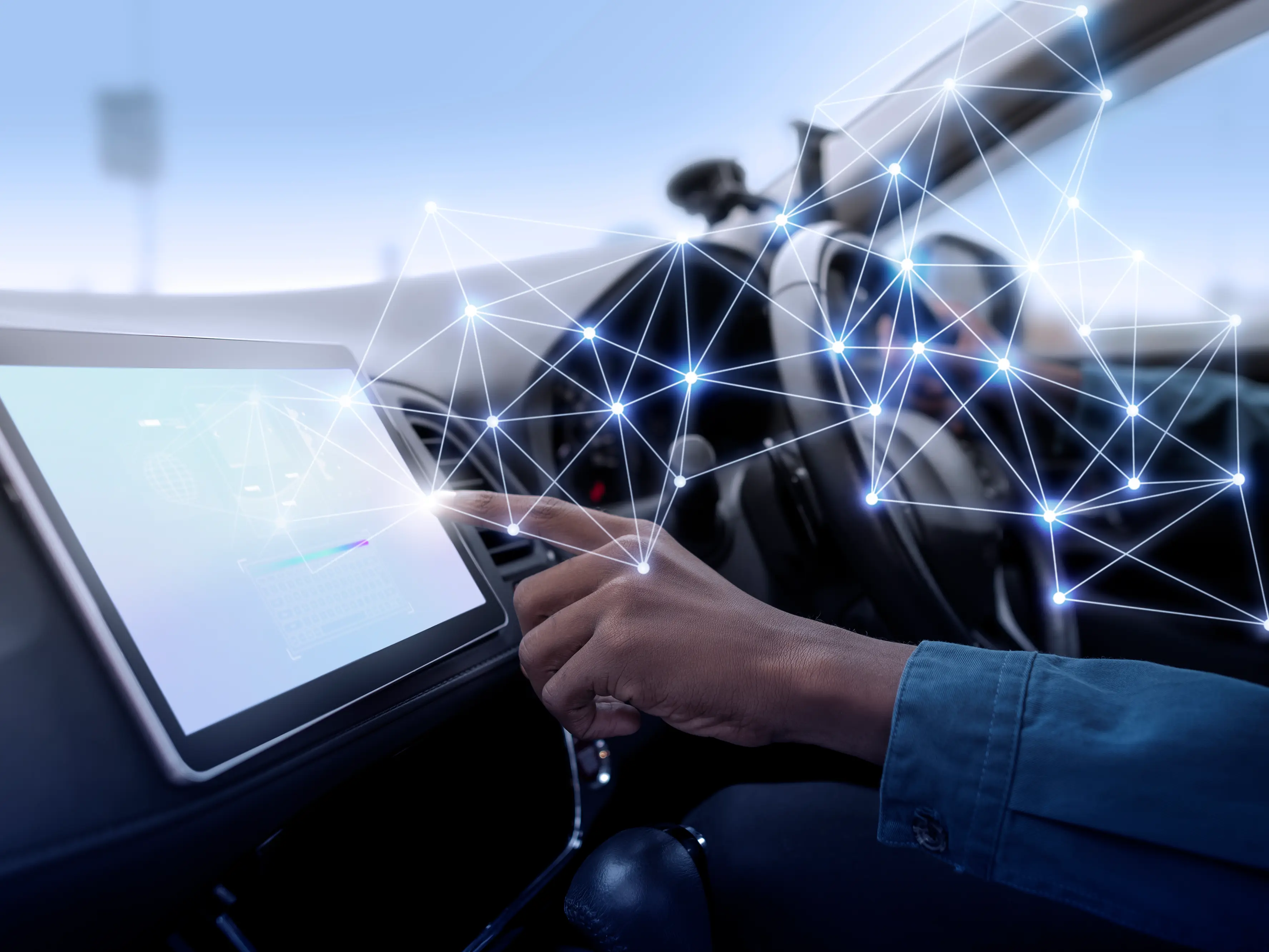
Representative image Photograph: (Image by rawpixel.com on Freepik)
The forthcoming session on the Future of Mobility at WION World PULSE will gather industry leaders expected from across the automotive spectrum. These are individuals steering billion-dollar transitions, navigating regulatory crosswinds, and recalibrating brands for an electric century.
Ask anyone what the future of mobility looks like, and the answers come fast: electric, autonomous, AI-led, connected. A choreography of sensors and software. Vehicles that talk to one another. Cities that breathe cleaner air. Highways humming with silent acceleration.
But that’s only part of the story.
WHO’S IN THE FAST LANE?
Mobility has always been more than machinery. The railways reorganised empires. The automobile redrew cities. The jet age shrank continents. Every leap in how we move has quietly rewritten who gets access to opportunity and who doesn’t.
Today, we stand at another moment of rupture.
Globally, transport accounts for nearly a quarter of energy-related CO₂ emissions. Governments from Brussels to Beijing are racing toward electrification targets. India alone has signalled an ambition for 30% EV penetration by 2030, with even higher aspirations for two- and three-wheelers. While the scale is equal parts staggering and exciting, so is the urgency.
Trending Stories
)
)
)
)
)
)
)
)
)
)
)
)
)
)
)
)
)
)
)
)
)
)
)
)
)
)
)
)
)
)
)
)
)
)
&im=FitAndFill=(700,400))
)
)
)
)
And yet, outside conference halls and concept launches, another question lingers: who is this future being built for?
ACCESS IS POWER
In some parts of the world, mobility is about optimisation– shaving seconds off delivery routes, integrating AI into traffic systems, building vehicles that update like smartphones. In others, it is about something more elemental– reliable buses, safe roads, affordable transport to work or school. One conversation revolves around autonomy, the other revolves around access.
If movement determines access to jobs, healthcare, education, culture, then mobility is not a sector. It is a gatekeeper.
Well, the tension is subtle but defining. When we electrify fleets, who can afford the switch?
When cities prioritise smart corridors, who lives beyond them?
When incentives flow toward premium EVs, what happens to informal economies that run on ageing engines and thin margins? Policy is only part of this story. Industry is, too. But so is imagination.
SCALE MEETS STAKES
For decades, the automobile symbolised freedom. Today, freedom looks, sounds and resonates differently. It may be breathable air in metro cities. It may be a shared electric scooter that shortens a commute. It may be a battery plant that anchors local manufacturing and jobs.
India’s mobility transition personifies this very complexity. Schemes like FAME and Production Linked Incentives aim to localise EV manufacturing and battery ecosystems. Start-ups are experimenting with shared mobility. Legacy automakers are recalibrating portfolios. Global brands see India not just as a market, but as a laboratory. While the ambition is unequivocal, so are the fault lines: charging infrastructure gaps, affordability concerns, and the glaring rural-urban divide.
DESIGNING TOMORROW
And perhaps that is why this conversation matters now. Not in five years, not once the infrastructure is fully laid. The architecture of mobility is being drafted in real time. Design choices made today will calcify into norms tomorrow. Subsidies, zoning laws, supply chains, mineral sourcing– these are not technicalities. They are political and ethical decisions disguised as logistics.
So, what does progress mean in this context? Is it faster vehicles? Cleaner metrics? Or a system where the benefits of innovation circulate beyond early adopters and urban elites?
The forthcoming session on the Future of Mobility at WION World PULSE will gather industry leaders expected from across the automotive spectrum. These are individuals steering billion-dollar transitions, navigating regulatory crosswinds, and recalibrating brands for an electric century.
At the session, power will sit at that table – corporate, industrial, symbolic. But so will responsibility.
Because mobility has always been about movement in the literal and the social sense, it shapes migration, labour patterns, urban sprawl, even romance and rebellion. It scripts how cities wake up and how economies wind down.
WHO MOVES FORWARD?
The question is no longer whether the future will be electric or connected. But rather…
Who gets to move forward?
Who sets the speed?
Who writes the map?
And it is happening now, before the future hardens into habit.
The road ahead is being paved in policy papers, boardrooms, battery labs and design studios. The direction, however, is still open. The conversation begins there.
Join us on 18th March 2026, at ITC Maurya, New Delhi, to make sure the future isn’t written without you.