India GST reforms can offset Trump tariffs, but only under these conditions

&imwidth=600&imheight=450&format=webp&quality=medium "India GST reforms can offset Trump tariffs, but only under these conditions")
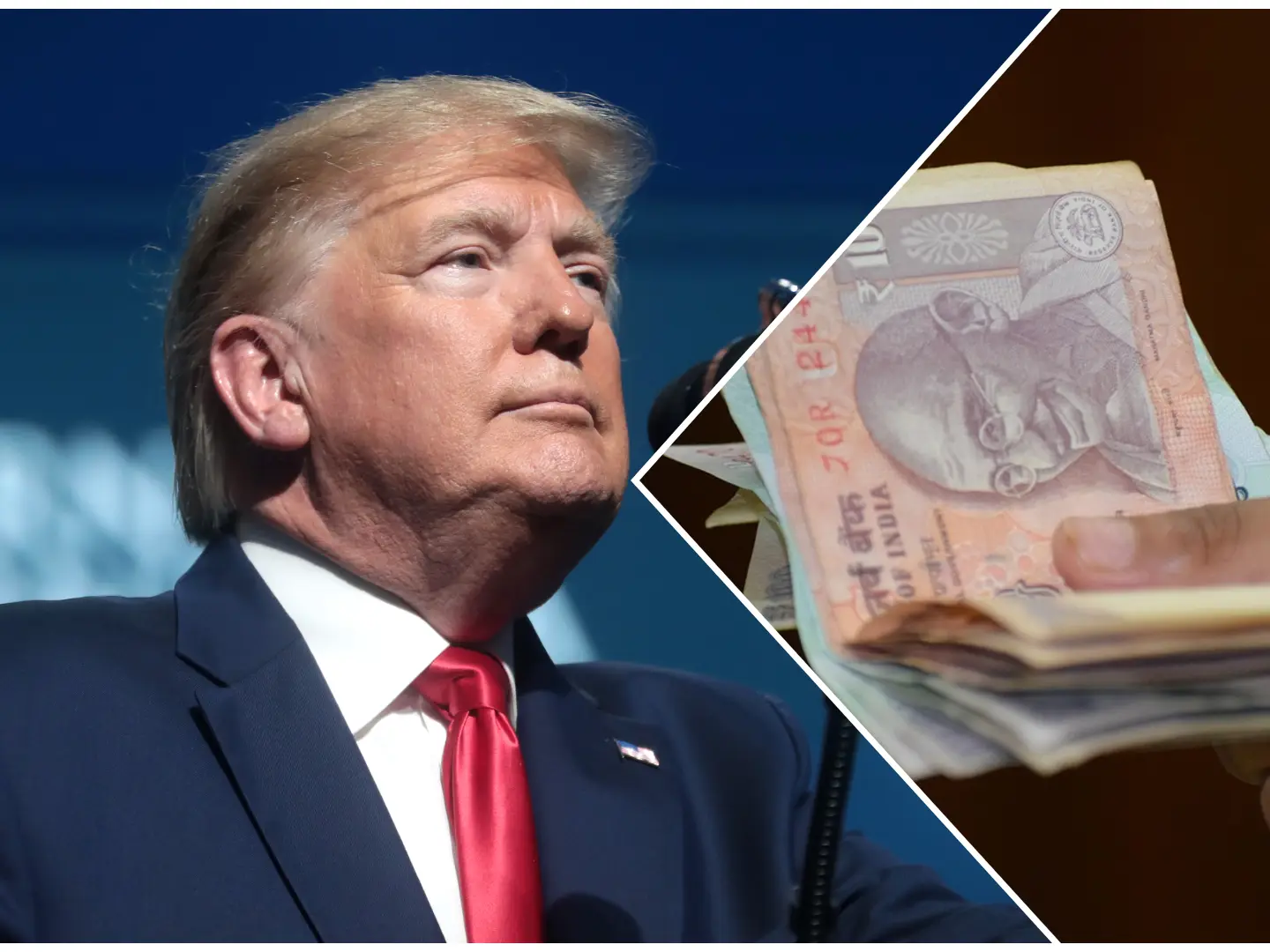
Can India's GST reforms, tax relief offset Trump tariffs? It's complicated Photograph: (Others)
India’s GST reforms could partially offset Trump’s tariffs by boosting consumption and easing taxes but they won’t fully counteract tariff impacts on exports, according to expert views
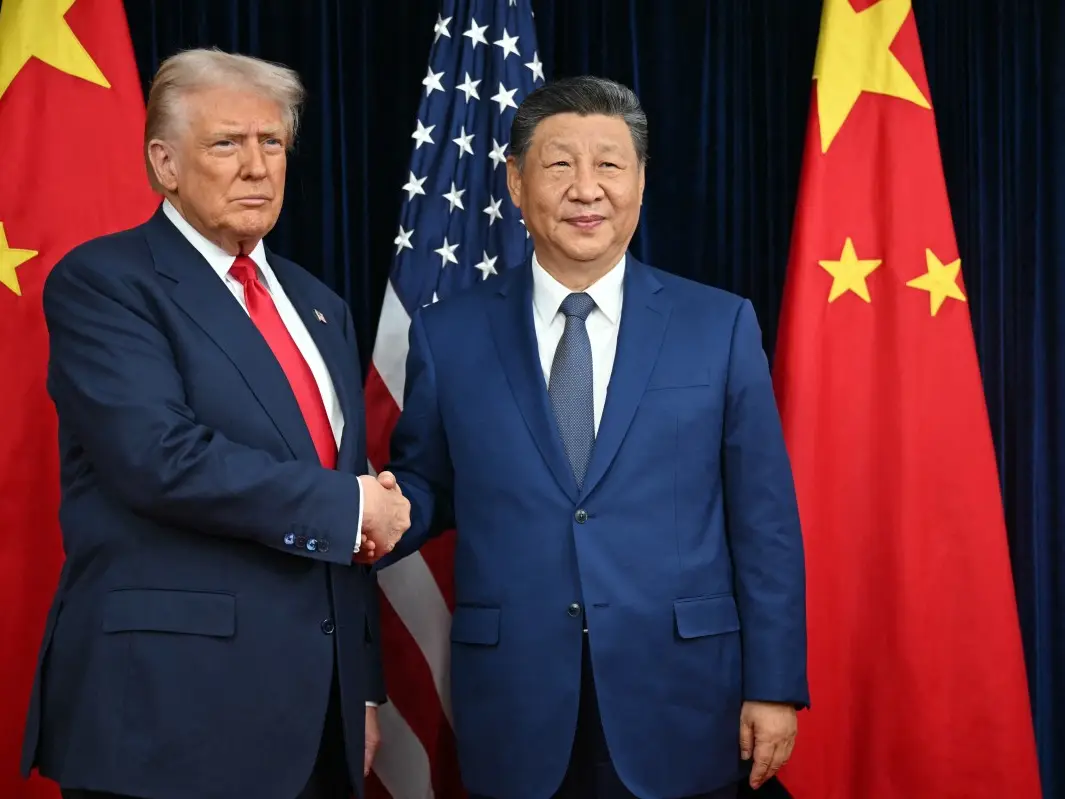
India's Goods and Services Tax (GST) reforms are expected to offset the Trump tariffs at least partially, but it depends on a number of factors. The GST reforms consolidated tax slabs and cut rates on hundreds of items, from cars and electronics to soaps and insurance premiums. The aim is to boost domestic consumption, improve tax collection, and create an investment-friendly business environment. The reforms came days after the 50 per cent tariffs imposed by US President Donald Trump over the trade gap and India's oil purchases from Russia. The tariffs could impact India's textiles, auto parts, and industrial machinery sectors, among others. This could hurt India's export competitiveness in the US, which is its largest trading partner.
What did India's GST reforms do to the taxpayer?
India's ‘GST 2.0’ reforms simplified it to two main slabs of 5 per cent and 18 per cent, while a 40 per cent slab was introduced for luxury/sin goods such as premium cars and tobacco products.
Tax rate for consumer durables was cut from 28 per cent to 18 per cent, and for processed foods from 12 per cent to 5 per cent, besides signficant reductions for textiles-linked products.
The GDP boost is estimated from 0.6 per cent to 1.2 per cent, as per analysts.
It would simplify tax filing for medium and small enterprises (MSMEs), enable faster refunds and improve ease of doing business.
Trending Stories
)
)
)
)
)
)
)
&im=FitAndFill=(700,400))
)
)
)
)
)
)
)
)
)
)
)
)
)
)
)
)
)
)
)
)
)
)
&im=FitAndFill=(700,400))
)
)
&im=FitAndFill=(700,400))
)
)
)
)
)
)
)
)
GST cuts also could ease inflation, which is already at an eight-year low.
How India's exports sectors are affected by Trump tariffs
India is estimated to have saved $17 billion by importing discounted Russian oil. The exports to US in 2024 were around $87 billion or around 2.5 per cent of India’s GDP. Up to 66 per cent of these exports are at risk of Trump tariff impact, with estimated loss ranging from 4 billion to 37 billion dollars depending on the value of the lost exports.
Textiles could take a hit of $10.3 billion, Gems & Jewellery could be hurt by $10 billion, while auto components, shrimp, chemicals and leather are some other areas that can be affected. Job losses are estimated at over 1 million, particularly in textiles, gems, machinery and fisheries sectors. GDP loss could range from 0.1 per cent to 1 per cent, according to analysts from HSBC, Nomura, Nirmal Bank, Cleartax and others.
How India is seeing GST reform amid Trump tariffs
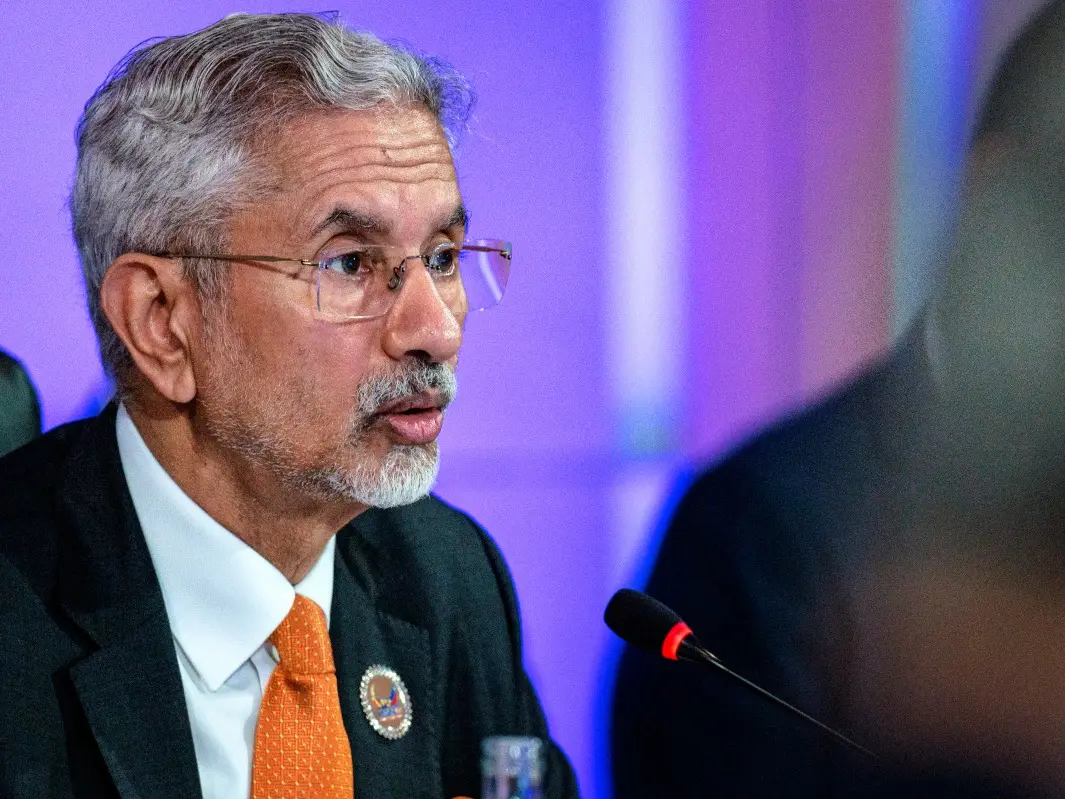
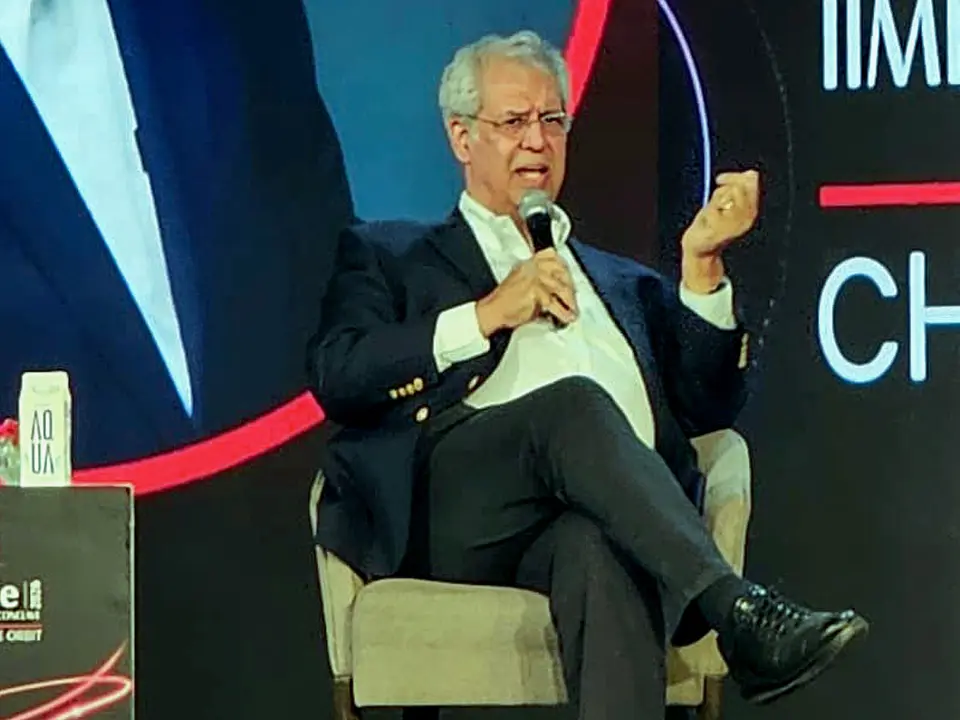
Commerce Minister Piyush Goyal hailed the GST reforms as “game-changing” and hinted that they could partially shield India from global trade disruptions—an indirect reference to the Trump tariffs. National Stock Exchange CEO Ashishkumar Chauhan and Kotak Mahindra’s Nilesh Shah expressed hope that the simplified tax regime would attract investment and spur growth.
State Bank of India noted that GST cuts and other recent income tax reliefs might inject some ₹5.31 trillion into the economy, roughly 1.6 per cent of India’s GDP. This is significant, as the impact from Trump tariffs on GDP was estimated at around 1 per cent.
Analysts such as Fitch Solutions projected GDP growth of 5.8 per cent in the financial year 2025–26 and 5.4 per cent in 2026–27 if domestic reforms continue and global trade conditions don’t worsen. Elara Capital and Geojit Financial Services estimated that increased consumption resulting from the GST reforms could lift GDP growth by up to 1.2 percentage points over the next 4 to 6 quarters.
A Moneycontrol portal survey found that 67 per cent of economists believe GST reforms and tax cuts will at least partially offset the damage from Trump tariffs.
GST reforms vs Trump tariffs: It is more complicated
Some experts, however, cautioned against overestimating the tax reform's capacity to offset the Trump tariffs. Even if consumption rises, export sectors directly hit by tariffs—such as apparel, auto parts, and engineering goods—rely heavily on international markets and could take years to recover from lost US revenue.
Economist Gaura Sen Gupta from IDFC First Bank estimated that GST-related growth gains will add 0.6 percentage points to GDP, but persistent tariffs at 50 per cent could neutralise these benefits.
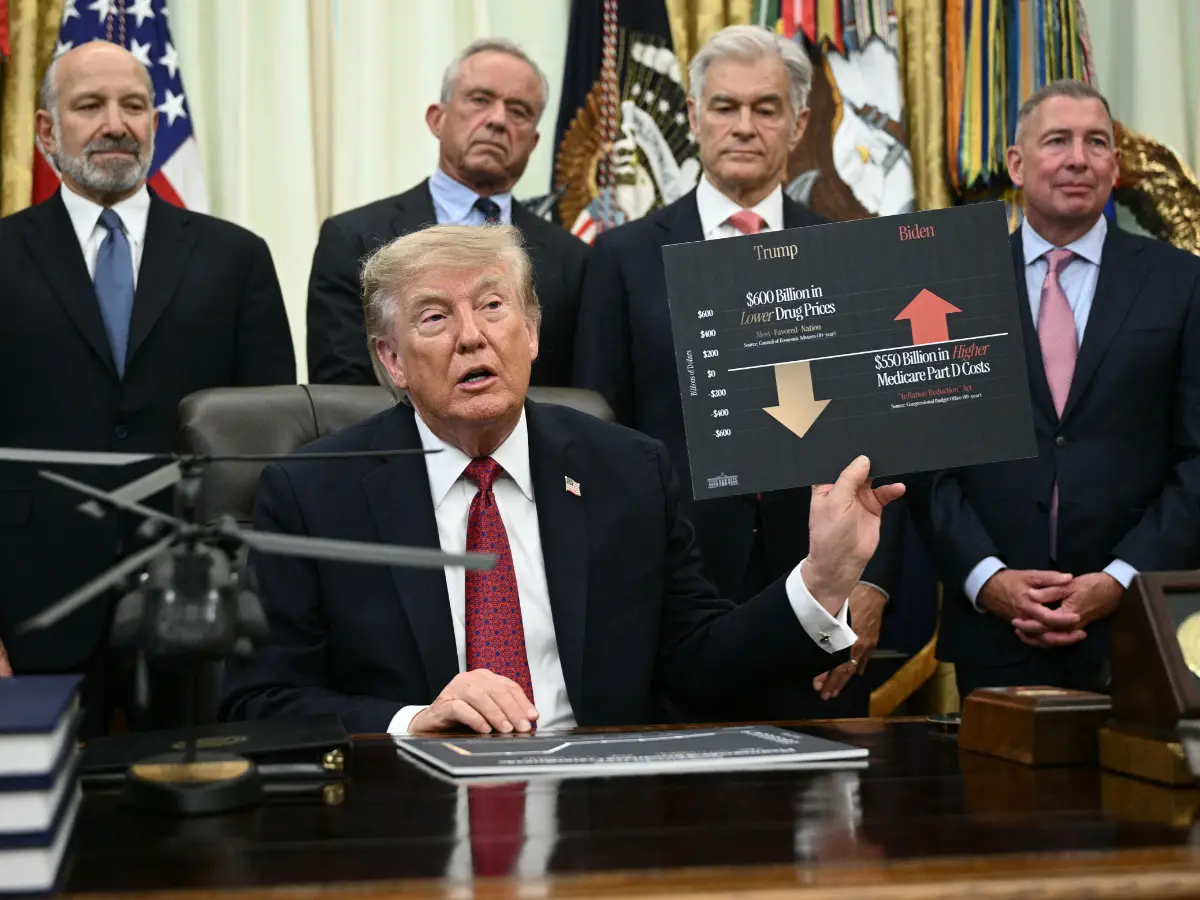
It all depends on if Trump tightens his tariff stance.
Trump has already hinted at a second and third phase of sanctions or tariffs on buyers of Russian oil, which could also affect India. Therefore, the future effectiveness of India's tax reforms in offsetting the Trump tariffs depends on whether Trump hardens or softens his stance. If tariffs ease to 25 per cent or below by the end of the year, India may still meet its growth targets, according to experts.
The government is taking a hit with GST, income tax reforms
After GST reforms, along with some $12 billion in income tax relief announced earlier this year, the exchequer will take a hit of $20 billion per year due to the reforms, according to analysts.
Reduction of GST rates could impact public finances, particularly the tax collection of state governments that rely on GST for their budgets. There is a risk of underfunding crucial infrastructure and social programmes due to reduced revenue.
GST reforms vs Trump tariffs: A buffer, not a cure
Many economists and industry observers feel the GST reforms, while long overdue, are a strategic response to external pressures. They will have only a limited impact in the long run, as they are not a full substitute for losses from US-bound exports. The future will depend on how long the Trump tariffs remain, how the global trade environment evolves, and whether India can diversify its export markets quickly enough.
The general consensus is that GST reforms are a strong buffer, but not a cure for the current pressures on the Indian economy due to tariffs. More diplomatic engagement and export diversification are required to fully safeguard the Indian economy.
As mentioned earlier, the GDP impact of US tariffs is between 0.2% to –1%, while the GST reform would benefit it by an estimated 0.6%.
But it will take time.
It should be noted that GST reforms take time to impact the economy, while tariffs are immediate. Then there is sectoral mismatch: The reforms support domestic demand, but not all the export-heavy sectors.
If US tariffs are imposed in the 'second or third phases' on IT services, or non-tariff barriers like visa restrictions, it could hit India again. It could add to urban unemployment, which is already at 7.1 per cent in some cities.
In short, tariffs have an immediate, export-driven negative impact, causing a potential GDP loss of up to 1 per cent and taking a hit of over $30 billion in trade.
GST reforms can be a partial yet significant mitigation by boosting internal demand, and adding up to 0.6 per cent to GDP.