
&imwidth=800&imheight=600&format=webp&quality=medium "Trump says he'll build an 'AI Force' and appoint a czar, for 'high IQ' people only")
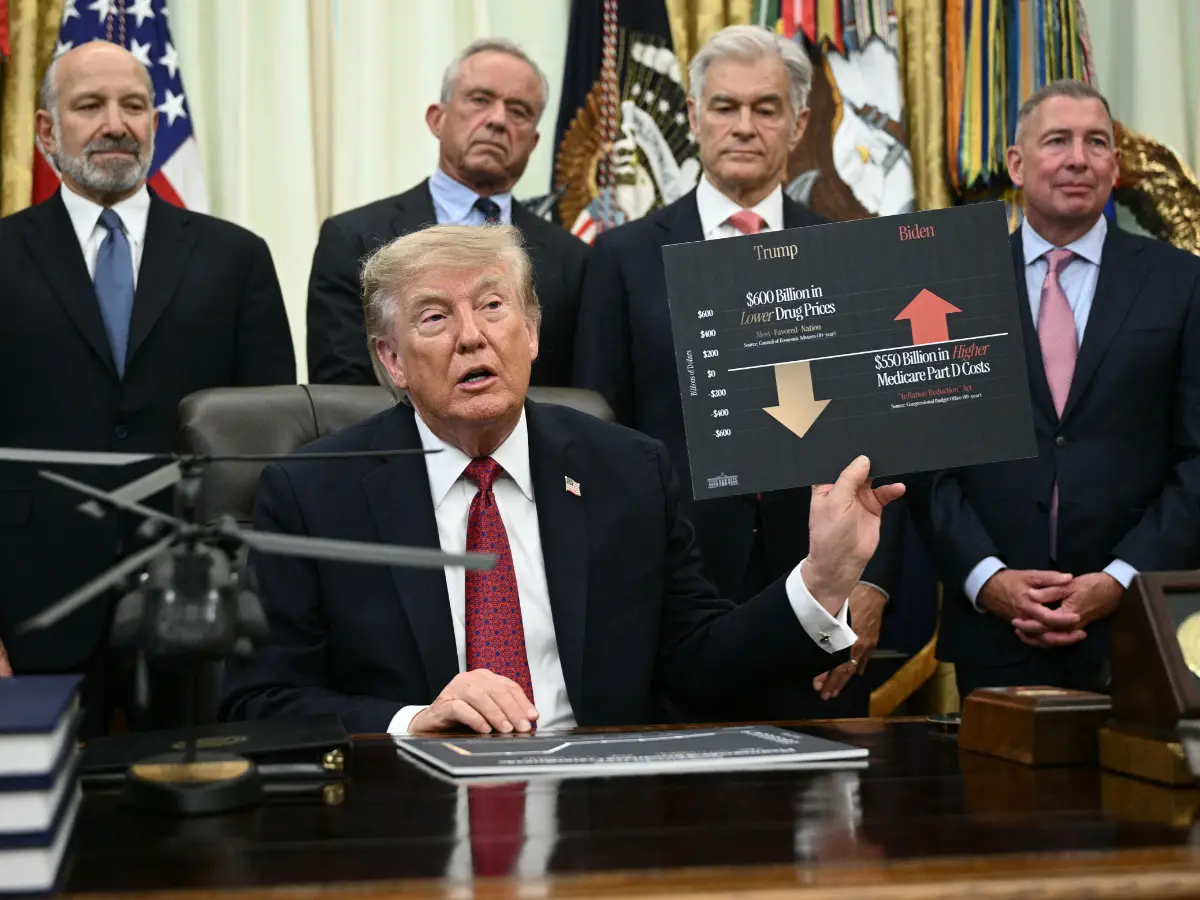
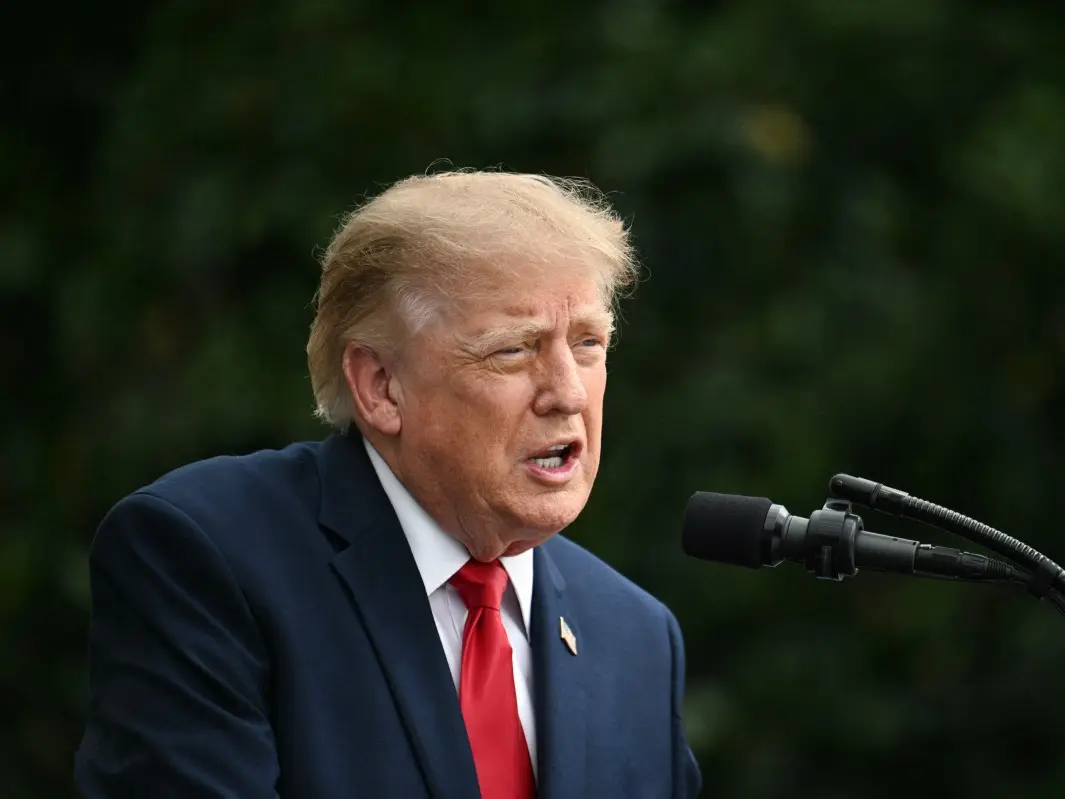
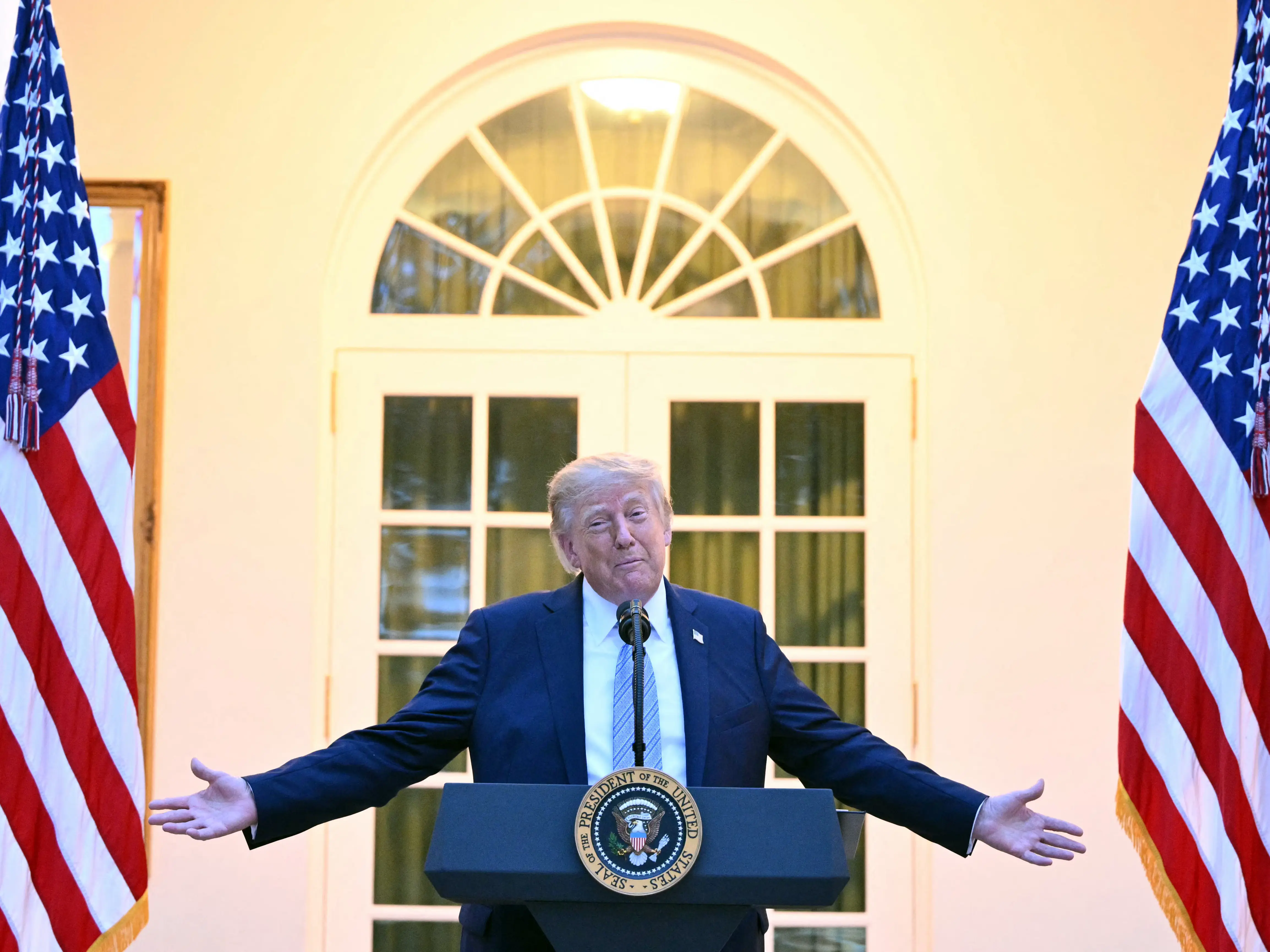
President Donald Trump announced on Saturday that he intends to create a new 'AI Force' to oversee artificial intelligence, and to appoint a czar to lead the government's work on it.
He said he was 'forming the AI Force, much like I did Space Force,' and that the czar role would be open only to 'high IQ' researchers and industry leaders.
What Was Actually Announced

Very little, beyond the names.
Trump offered no detail on what the AI Force would do, what budget it would carry, or where it would sit within the federal government. There is no named czar. What exists so far is an intention, stated at an event, to create two things whose shape has not been defined.
That gap between announcement and substance is worth holding onto, because the announcement will travel far further than the details, of which there are none yet.
Trending Stories
)
Saudi vs Houthis: Houthis claim missiles & drones used in attack on key Saudi sites
)
Nepal forms 7-member panel to probe August 26 Bhotekoshi flood from source to downstream
)
Gaza under attack: Health chief's son killed in IDF strikes
)
Reacher star Alan Ritchson opens up about alleged blackmail, suicide attempt during difficult period
)
Delhi voter roll shake-up: 3.31 million electors flagged in SIR review
)
US-Iran war: Tehran draws red lines — seven demands before any peace talks
)
‘End of my career...’: NSA Doval recalls tense Sikkim mission when China captured Indian intelligence team
)
Mark Carney mimics Trump in hilarious moment over C$70 billion clean-energy investment; room erupts in laughter
)
9 women found dead near Johannesburg: South Africans rally, demand 'enough' to femicide
)
Report: Iran rebuilding Taleghan 2, nuclear site tied to past weapons research, hit twice by Israel
)
Iran sets 7 conditions to end war with US: What are Tehran’s demands?
)
Harry Brook targets long reign at top of T20I rankings after Sri Lanka sweep
)
Russia's deadly Ukraine strikes kill 2 in Sumy, hit Dnipro mall
)
Russia-Europe tensions: Polish PM warns Russian attacks could test NATO's unity
66 years of the Indus Waters Treaty: How India and Pakistan settled a bitter river dispute
)
Trump defends AI amid growing alarm, announces new 'AI force' and promises an 'AI czar'
&im=FitAndFill=(700,400))
How many F-35s does Britain, Japan and Israel have?
)
Raphinha hat-trick powers Barcelona to 3-1 win over Sevilla in La Liga
)
EXCLUSIVE | Singer Hanita Bhambri on her Toxic debut, working with Vishal Mishra and more
)
Trump announces ‘AI Force’ as debate grows over AI risks and regulation
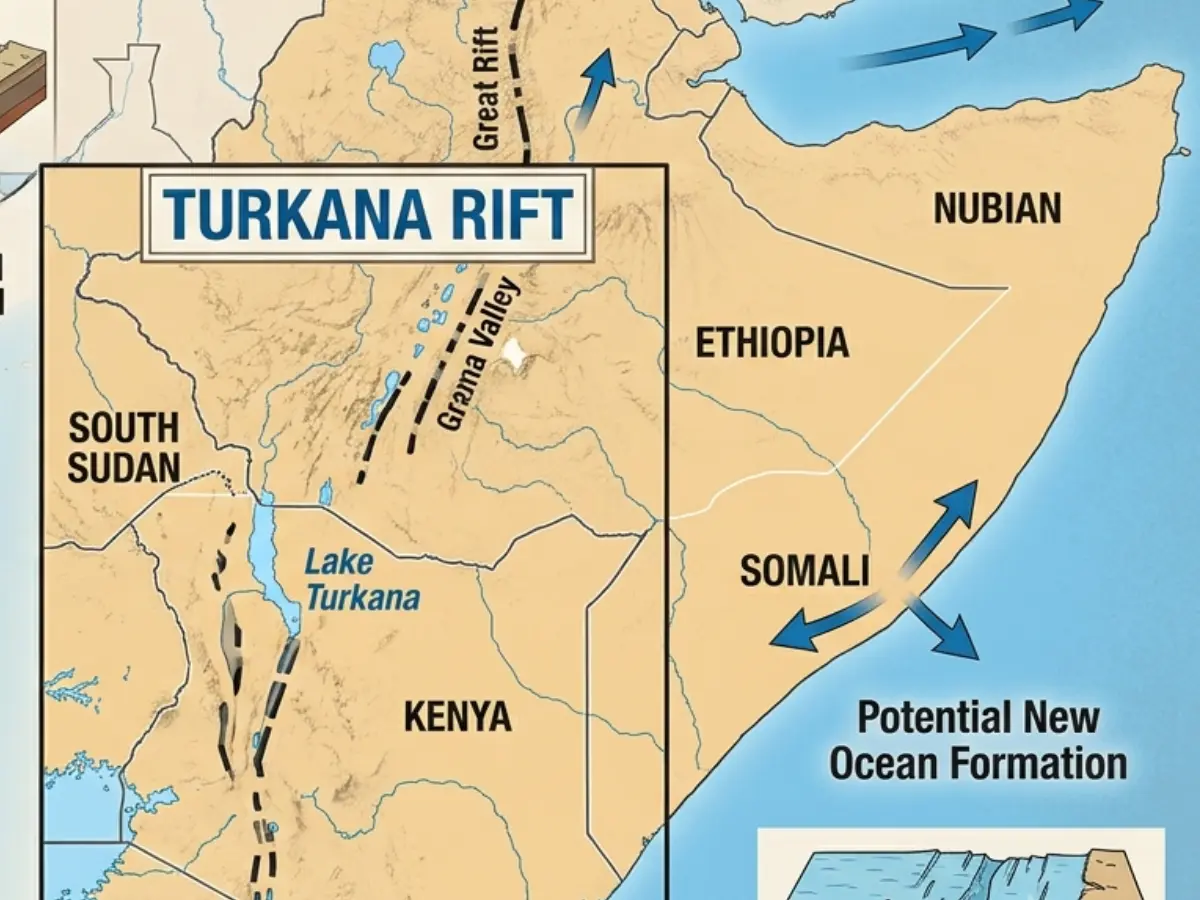)
Africa is splitting, and a lot sooner than estimated, giving way to a new ocean
)
Nigeria: Protesters take to the streets, police fire shots
&im=FitAndFill=(700,400))
‘Not the US or China’: These are the countries leading the world in arable land
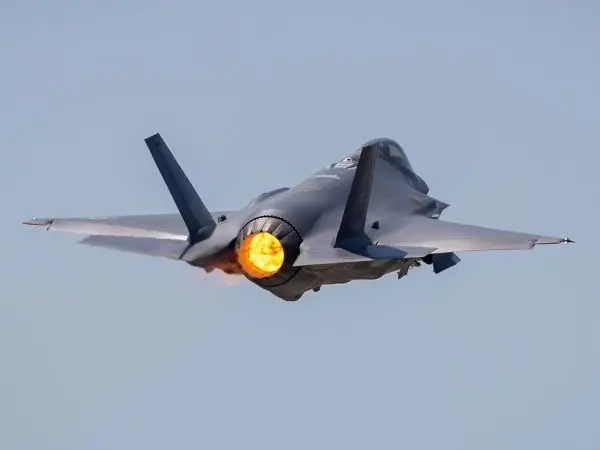)
China may have gained access to US's classified F-35 jets; parts meant for repairs diverted to Hong Kong, sparking Pentagon inquiry
)
Flying cars in UAE: Ras Al Khaimah signs deal with Chinese company to test new transport
)
The Verdict | When precision fails: US commits war crime in Minab school strike, UN finds
)
Aravana prasadam shortage at Sabarimala temple in Kerala triggers protests, TDB questioned
)
Trump 2.0: Dark days ahead for America’s ‘imperial presidency’
)
‘Will go to any extent’: Pakistan vows to defend Saudi Arabia amid Houthi attacks
)
Cochin shipyard starts building Indian Navy's next-gen missile vessels
)
Kampala-Ankara rift deepens: Uganda suspends military ties, seeks Fred Lumbuye's extradition
)
US-Iran war: Tehran sets seven conditions to re-engage in talks with US
)
Arvind Kejriwal, family members, Delhi CM Rekha Gupta get SIR notices
)
Russia holds first parliamentary elections since the beginning of the Ukraine war
)
Several petrol pumps, other businesses to refuse UPI payments above Rs 2,000 from Oct 16: Is it legal?
)
Ed Sheeran addresses Macklemore's removal, Gaza conflict during Philadelphia concert: 'I cannot hide how I feel'
Russia attacks Ukraine with 174 drones, kills 8; 2 vessels hit in Black Sea
&im=FitAndFill=(700,400))
Meet top 5 Indian batters with fastest T20I centuries
)
Trump bans CNN, MS NOW and Politico from White House over ‘FAKE NEWS’
)
)
The Contradiction At The Centre
The framing sits awkwardly against the president's own past statements.
The move comes after AI researchers — including senior figures inside the major labs — have warned that the technology could slip beyond human control. Trump has previously characterised such fears as a 'hoax'. Standing up a dedicated oversight body is an odd response to a risk one has called imaginary, and the announcement did not resolve which view the administration actually holds.
One reading is that the concern is now taken seriously enough to warrant a structure. Another is that this is a claim of control over a strategically important industry, dressed in the language of oversight. The absence of detail lets it be read either way.
The 'High IQ' Framing
The stipulation that only 'high IQ' people need apply is the kind of line that generates coverage, and it is worth treating plainly rather than mocking.
Technical leadership of an AI oversight body would indeed require serious expertise. But 'high IQ' is not a qualification, a clearance level or a job description, and phrasing the requirement that way tells you the announcement is pitched at an audience rather than at the people who would have to build the thing. Real appointments of this kind turn on specific experience, statutory authority and budget — none of which was mentioned.
The Precedent
There is relevant history the announcement did not mention. The administration previously had an AI and cryptocurrency czar, David Sacks, who stepped down earlier this year because of limits on how long a special government employee may serve.
That matters because it points at the practical constraints these roles run into — legal limits on tenure, unclear authority, and the difficulty of governing a fast-moving industry from a position created by announcement. A new czar would inherit the same terrain.
What To Watch
Whether an actual person is named, with defined authority and a budget, or whether the AI Force remains a phrase. What powers it would have over companies, if any, versus being an internal coordinating body. And whether it signals real regulation of AI safety, or a lighter-touch posture consistent with calling the underlying risks a hoax — because the announcement, as made, is compatible with both.
