‘Not the US or China’: These are the countries leading the world in arable land

Bangladesh leads the world with 60.6 per cent of its national territory classified as arable land, closely followed by Denmark and Ukraine. World Bank data reveals a stark global divide, highlighting severe water scarcity in the Middle East and massive fertile plains in South Asia.
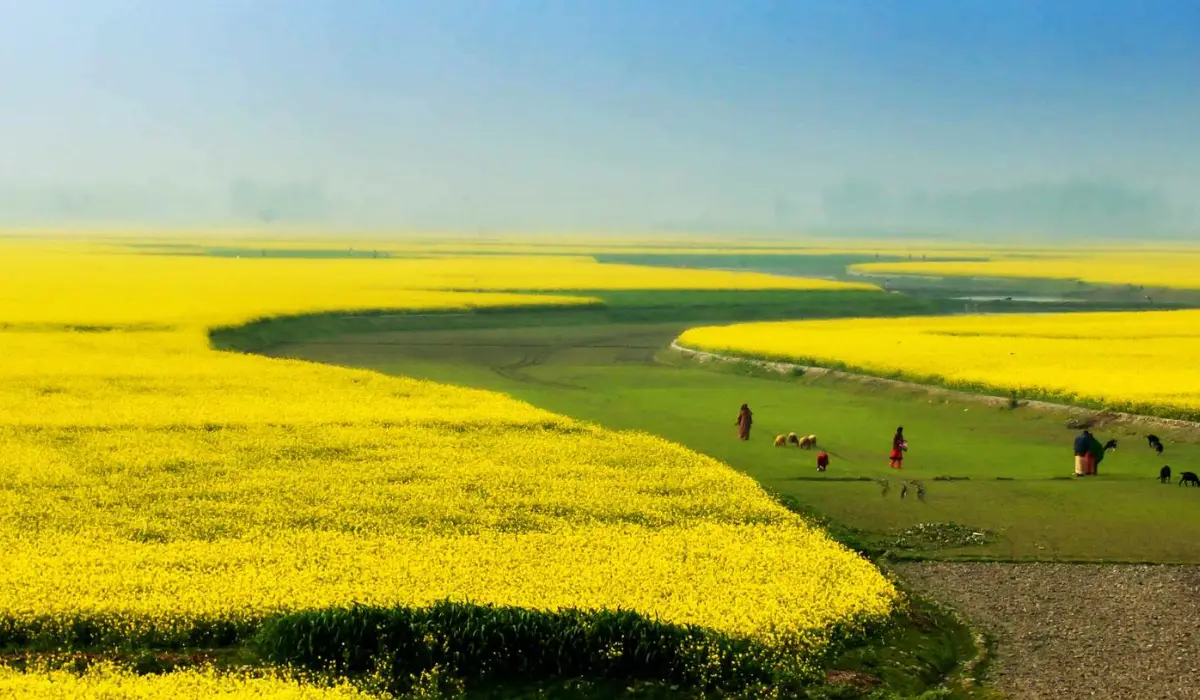
The Global Farming Leader
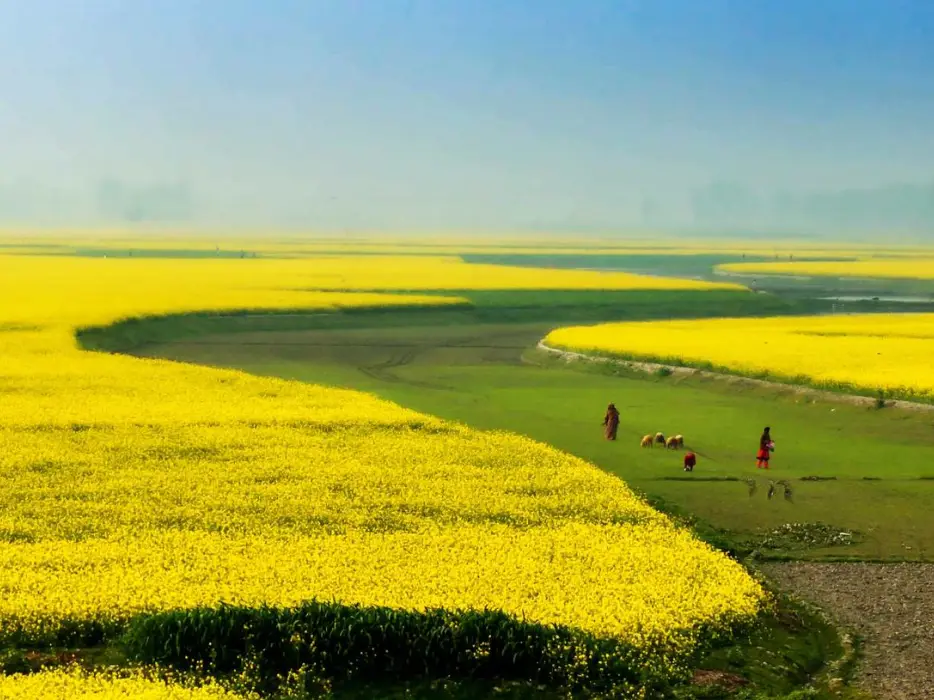
Bangladesh officially holds the world’s highest share of arable land at an impressive 60.6 per cent of its total territory. This massive agricultural footprint relies heavily on the highly fertile Ganges-Brahmaputra river basin to sustain crop production.
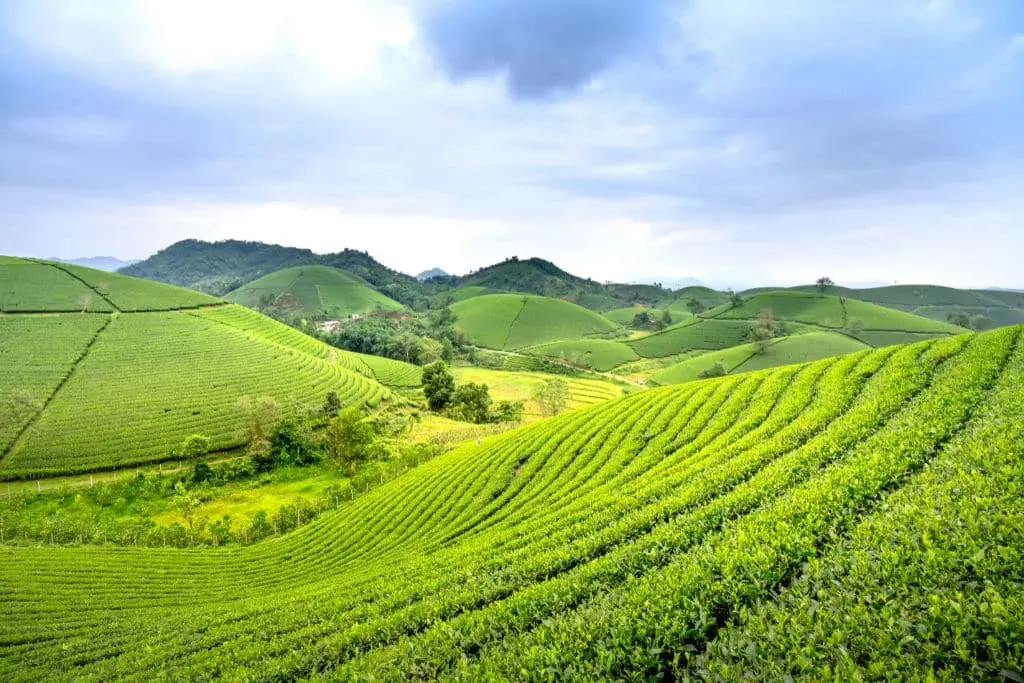
Europe’s Agricultural Heavyweights
Denmark claims the second spot globally with 59.1 per cent of its national land classified as arable. Ukraine and Moldova follow closely behind, with both Eastern European nations dedicating 56.8 per cent of their land to agriculture.
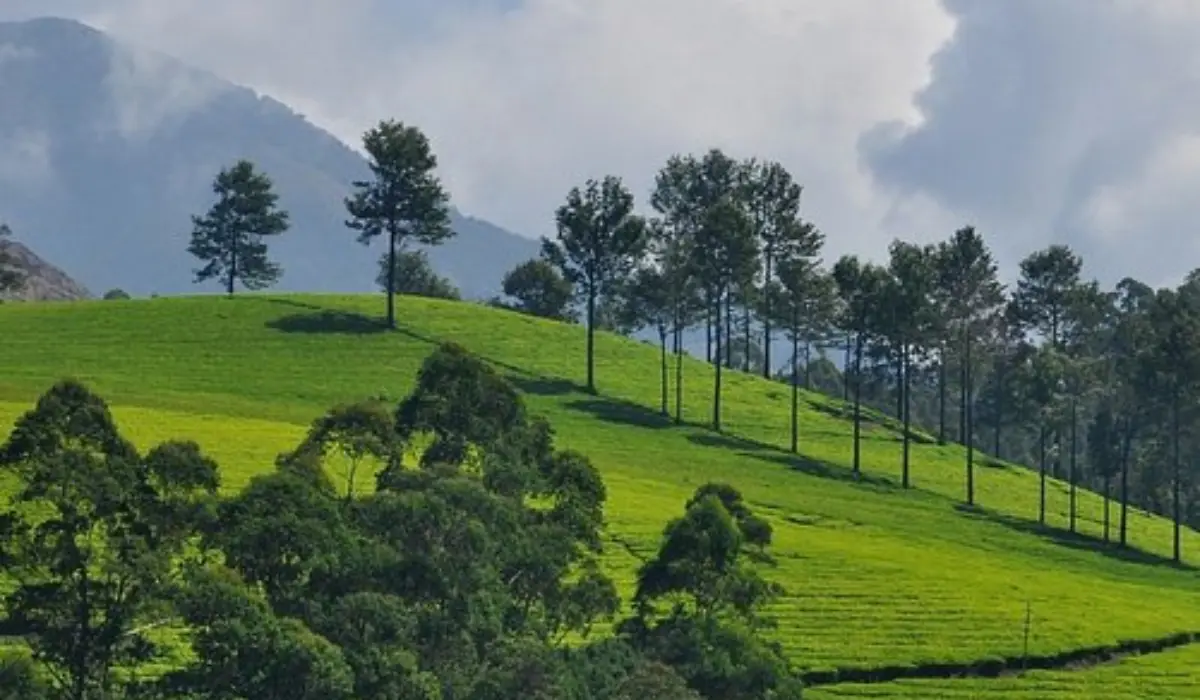
India’s Massive Scale
India ranks fifth globally, utilising exactly 51.8 per cent of its vast national territory for farming and temporary crops. Extensive irrigation networks and fertile river plains support millions of active small farms across the subcontinent.
The Measurement Catch
A high percentage of arable land does not automatically mean a country produces the most total food. Massive nations have lower percentage shares but still cultivate significantly larger absolute amounts of farmland than smaller, denser countries.
The Arid Middle East
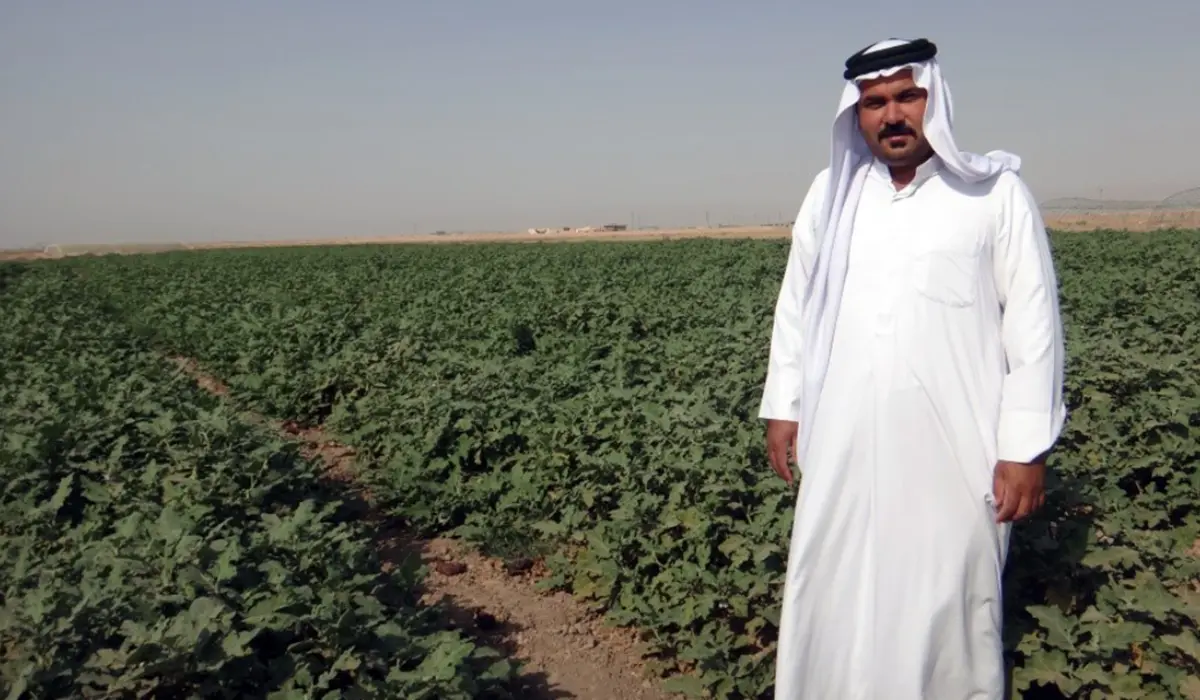
In stark contrast to South Asia, arable land remains severely scarce across the Middle East due to extreme weather conditions. Official reports confirm that 92 per cent of the Arab region is hyper-arid, forcing nations to rely heavily on food imports.
Africa’s Farming Share
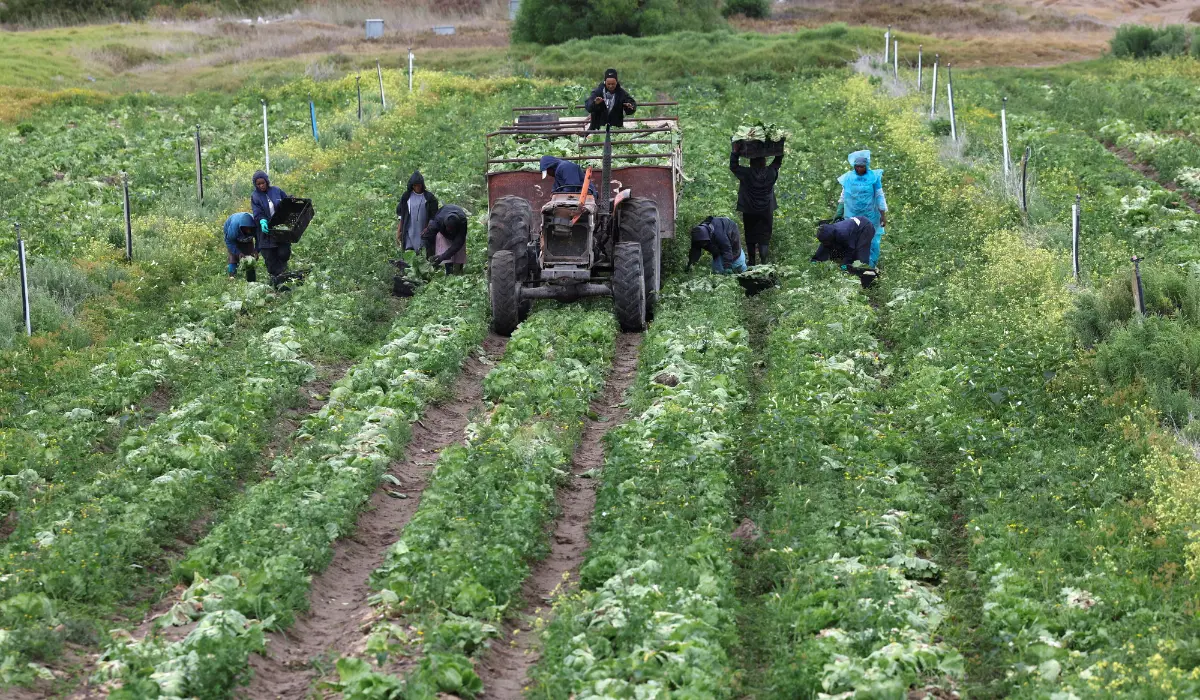
Several African nations rank surprisingly high on the global list for arable land density. Countries like Burundi, Togo, and Rwanda dedicate roughly half of their total national territory strictly to temporary crop cultivation.
Wealth Does Not Matter
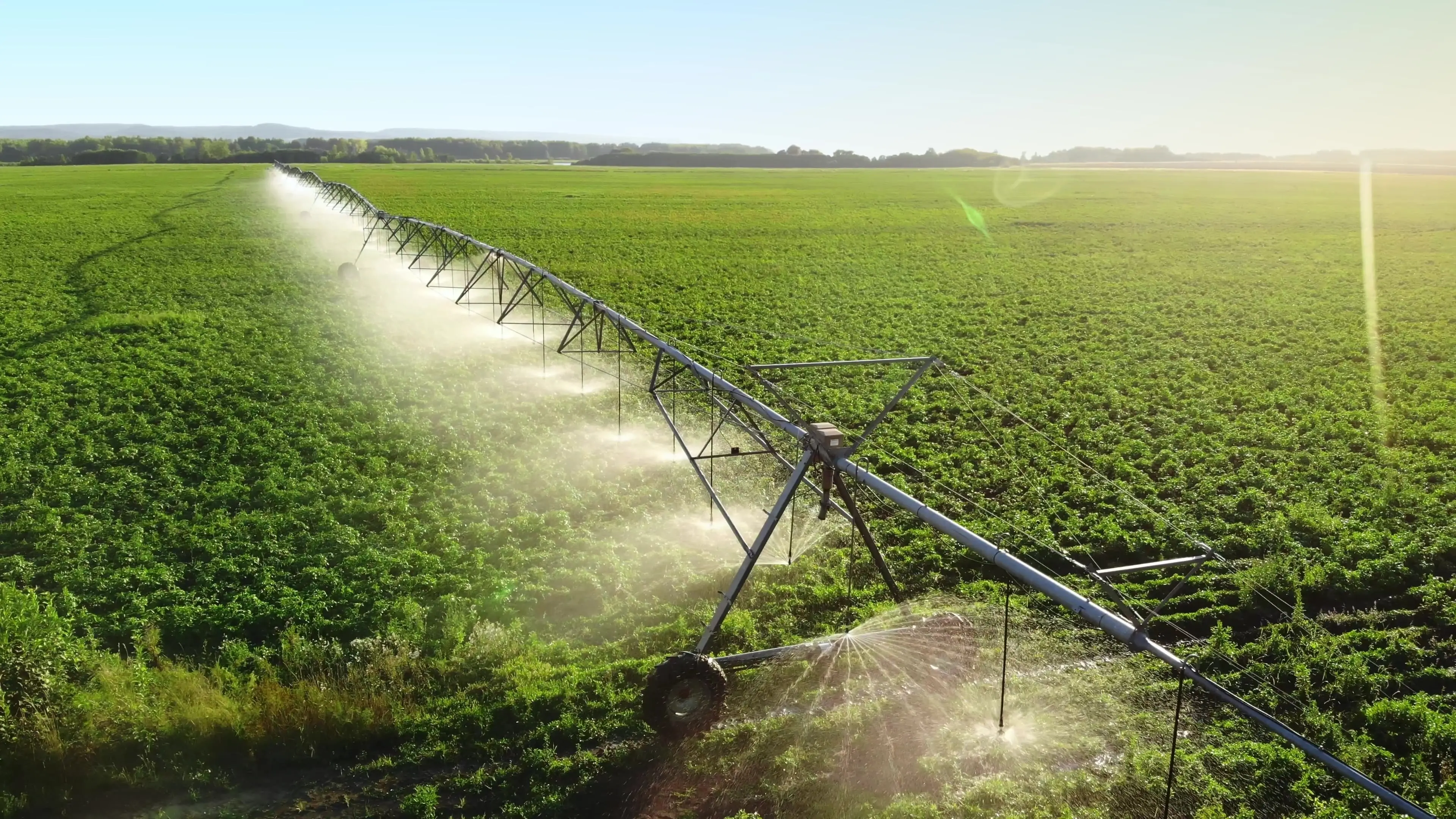
World Bank data proves there is absolutely no direct link between national wealth and available farming land. Lower-income economies like Malawi share the top tier directly alongside wealthy European nations like Hungary and Lithuania.
)
)
)
)
)