Why so many countries want the F-35 fighter jet

Over 19 nations are purchasing the F-35 Lightning II for its unmatched stealth and sensor fusion. With prices falling to USD 80 million, the fifth-generation jet offers allied air forces seamless interoperability and future-proof technology.
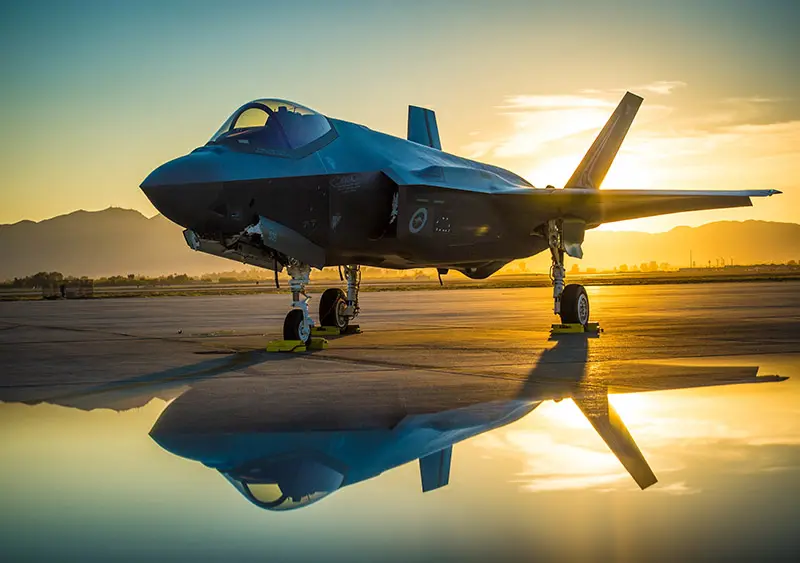
The Global Fighter Choice
More than 19 allied nations have selected the F-35 Lightning II to modernise their air forces. From Germany to Japan, this fifth-generation fighter has become the absolute standard for Western military aviation.
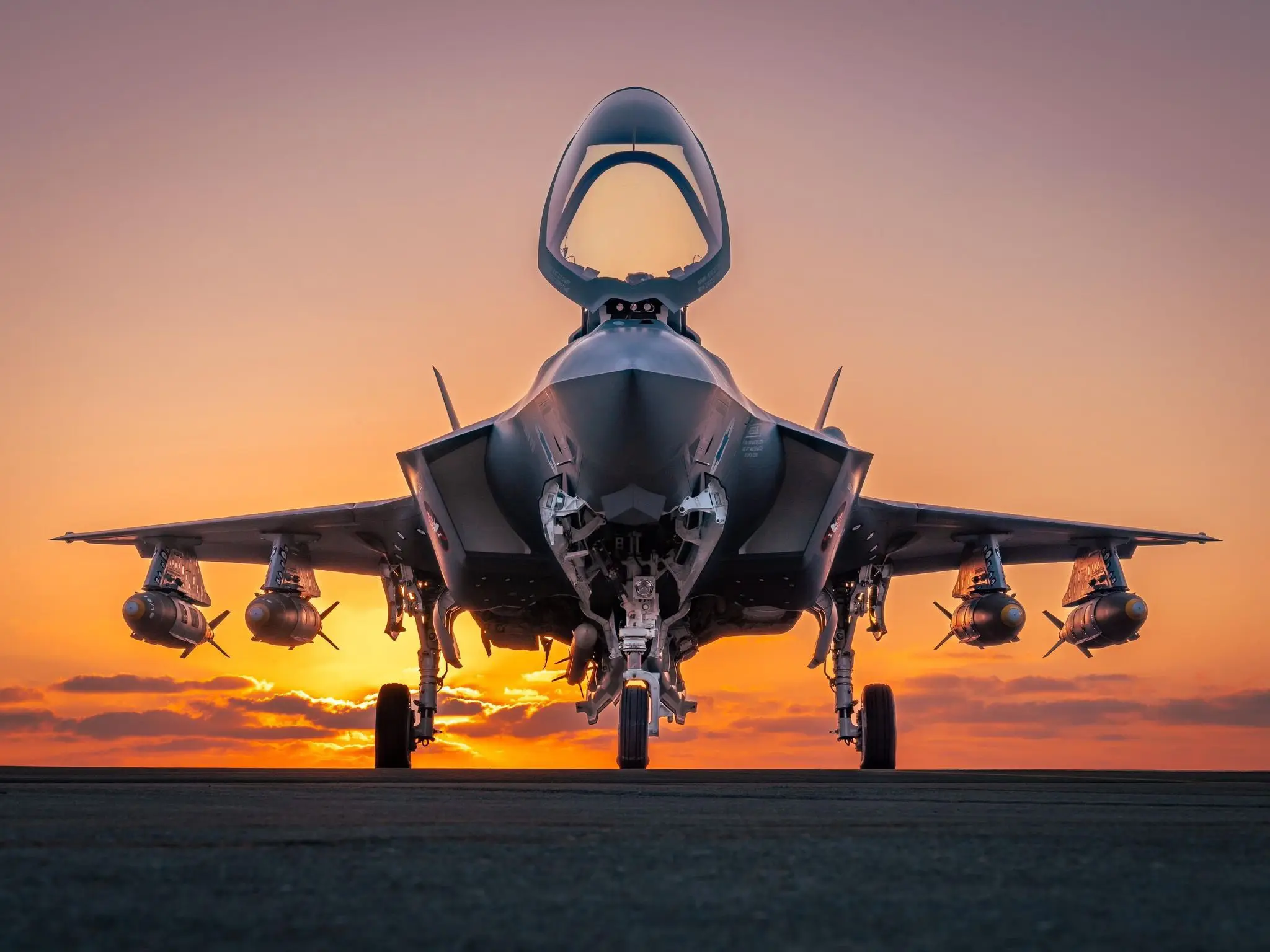
Unrivalled Stealth
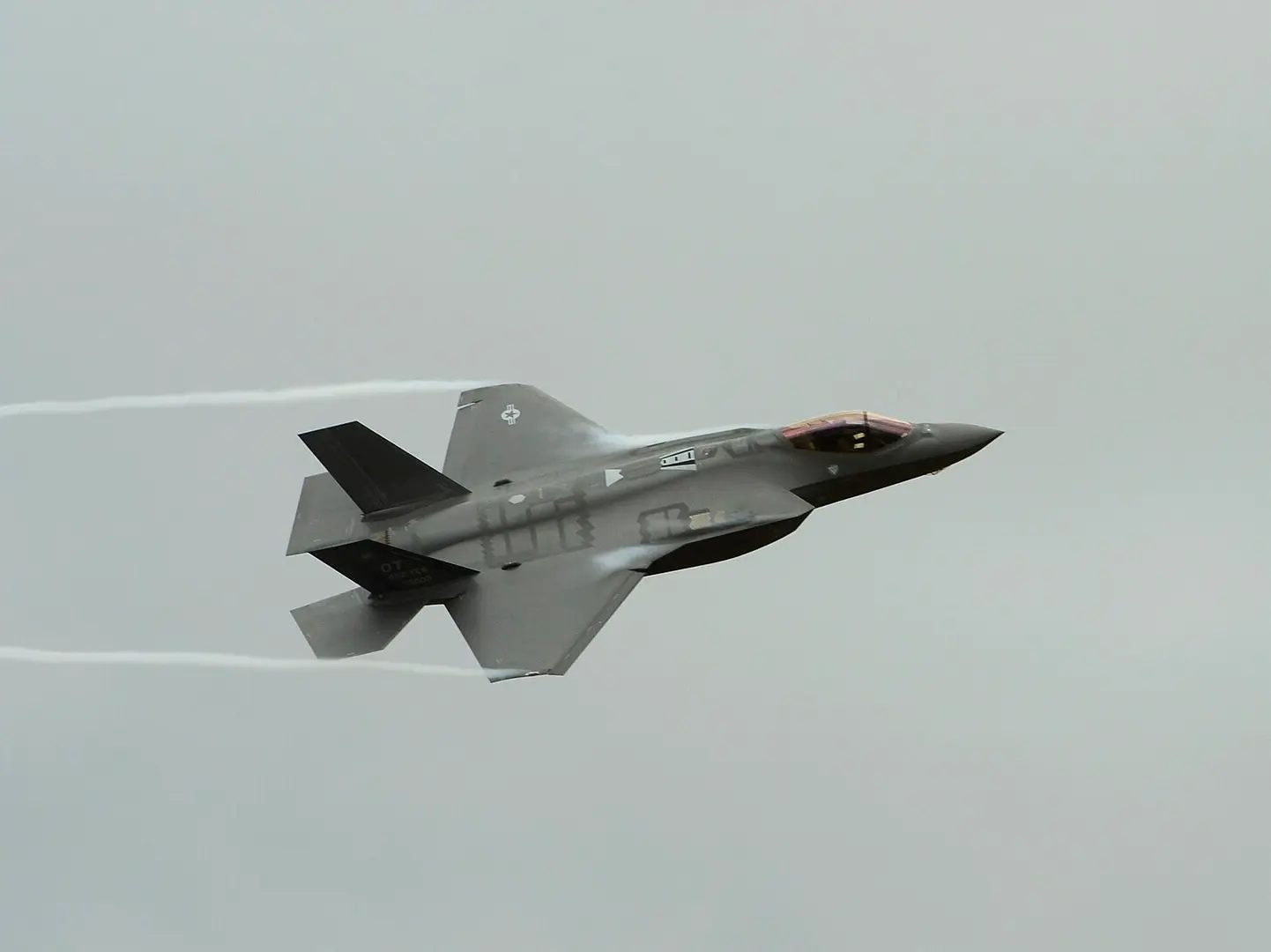
Unlike older jets, the F-35 is engineered from the ground up to operate deep inside hostile airspace. Its radar-evading stealth profile allows pilots to penetrate advanced enemy air defence systems undetected.
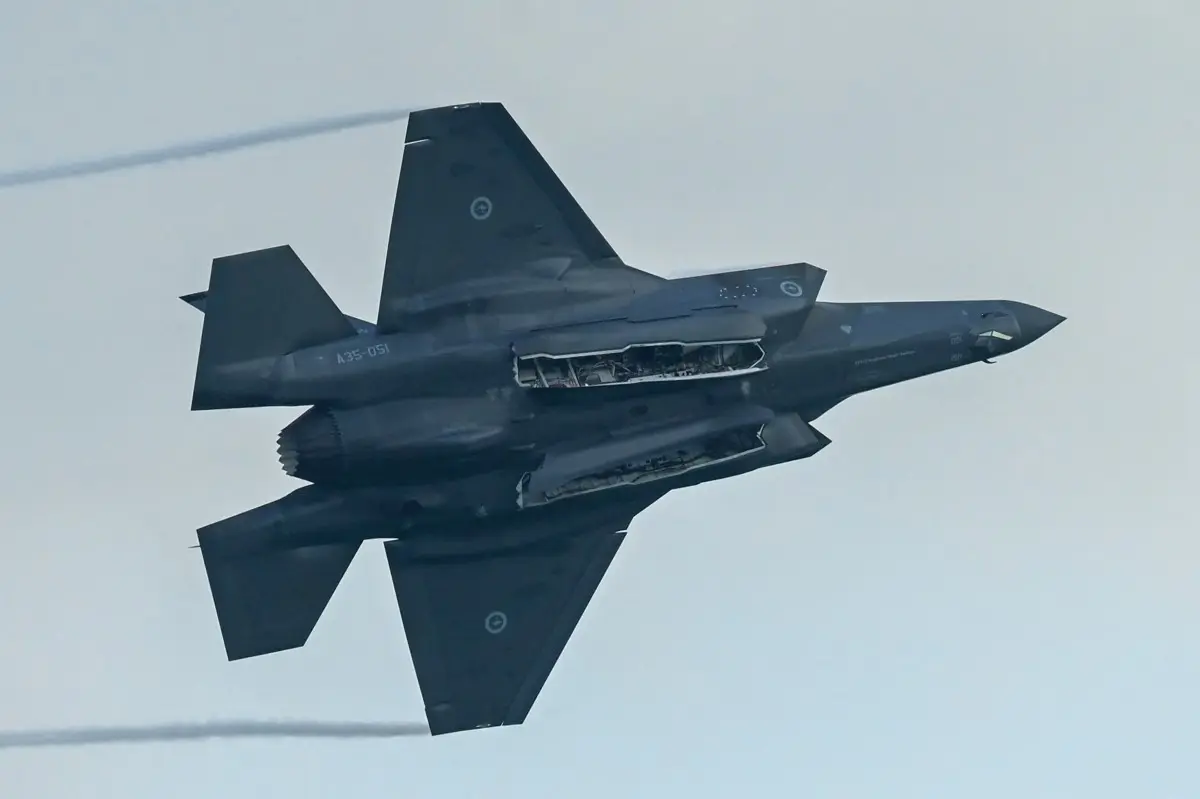
A Flying Supercomputer
The F-35 is much more than a traditional strike fighter. It operates as a flying data hub, using advanced sensor fusion to instantly process battlefield intelligence and share it across the allied network.
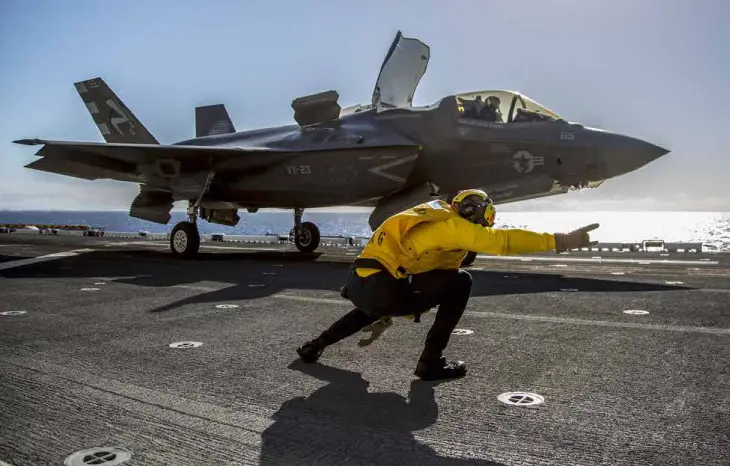
NATO Interoperability
Operating the exact same aircraft guarantees seamless coordination during multinational combat missions. Allied nations can easily share maintenance hubs, spare parts, and pilot training facilities across the globe.
Competitive Unit Costs
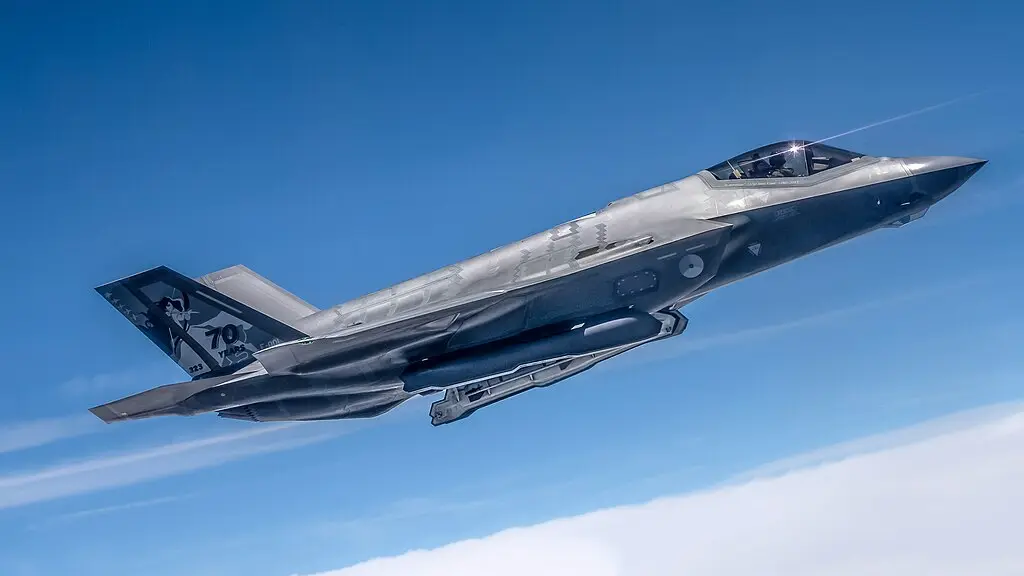
Despite initial development delays, economies of scale have drastically reduced the aircraft's price tag. An F-35A now costs roughly USD 80 million, making it financially competitive against less capable fourth-generation fighters.

Three Unique Variants
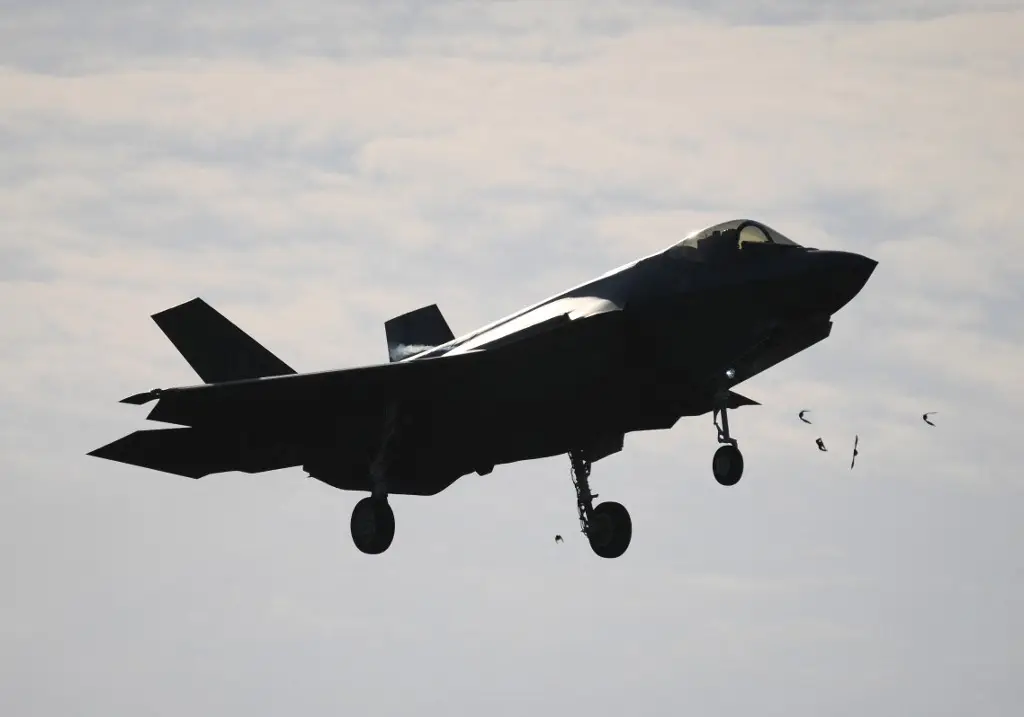
The Joint Strike Fighter programme offers three distinct versions to meet different military needs. Nations can choose the standard runway F-35A, the vertical-landing F-35B, or the heavy-duty carrier-based F-35C.
Future-Proof Technology
Lockheed Martin continuously upgrades the fighter's software and electronic warfare suites. Frequent Block 4 and Technology Refresh upgrades ensure the F-35 will remain capable of defeating emerging threats for decades.
)
)
)
)
)