Stocks march back to record highs as Middle East tensions ease


Global stock market
World stocks set new record highs on Friday and the prices of safe-haven assets such as gold pulled back as investors cheered an apparent de-escalation in US-Iran tensions and looked instead toward prospects of improved global growth.
Markets have swiftly reversed the sharp falls seen at the start of the week after the United States killed Iran's most senior general, as investors have concluded that a full-scale military confrontation is unlikely.
The MSCI world equity index, which tracks shares in 49 countries, has quickly resumed its rally and added another 0.12 percenton Friday to hit a new record high. It is almost 1.5 percentabove the lows seen on Monday.

European shares also rose, although not quite hitting new records. The pan-European Euro Stoxx 50 gained 0.1and the German DAX 0.23 percent, while Britain's FTSE 100 was unchanged.
The three major share indexes on Wall Street touched new record highs on Thursday, and S&P 500 futures were 0.28 percent higher, pointing to a stronger open ahead of all-important USnon-farm payrolls data due at 1330 GMT.
A Reuters poll of economists is forecasting the USeconomy will have added 164,000 jobs in December, down from 254,000 in November, typically a strong month for hiring. Investors will also be focusing on underlying wage growth data for a gauge of underlying labour market strength.
)
Oxford United's new clothing line featured 'United 93' phase
)
Pentagon revives mandatory testosterone testing for male troops aged 30 and above
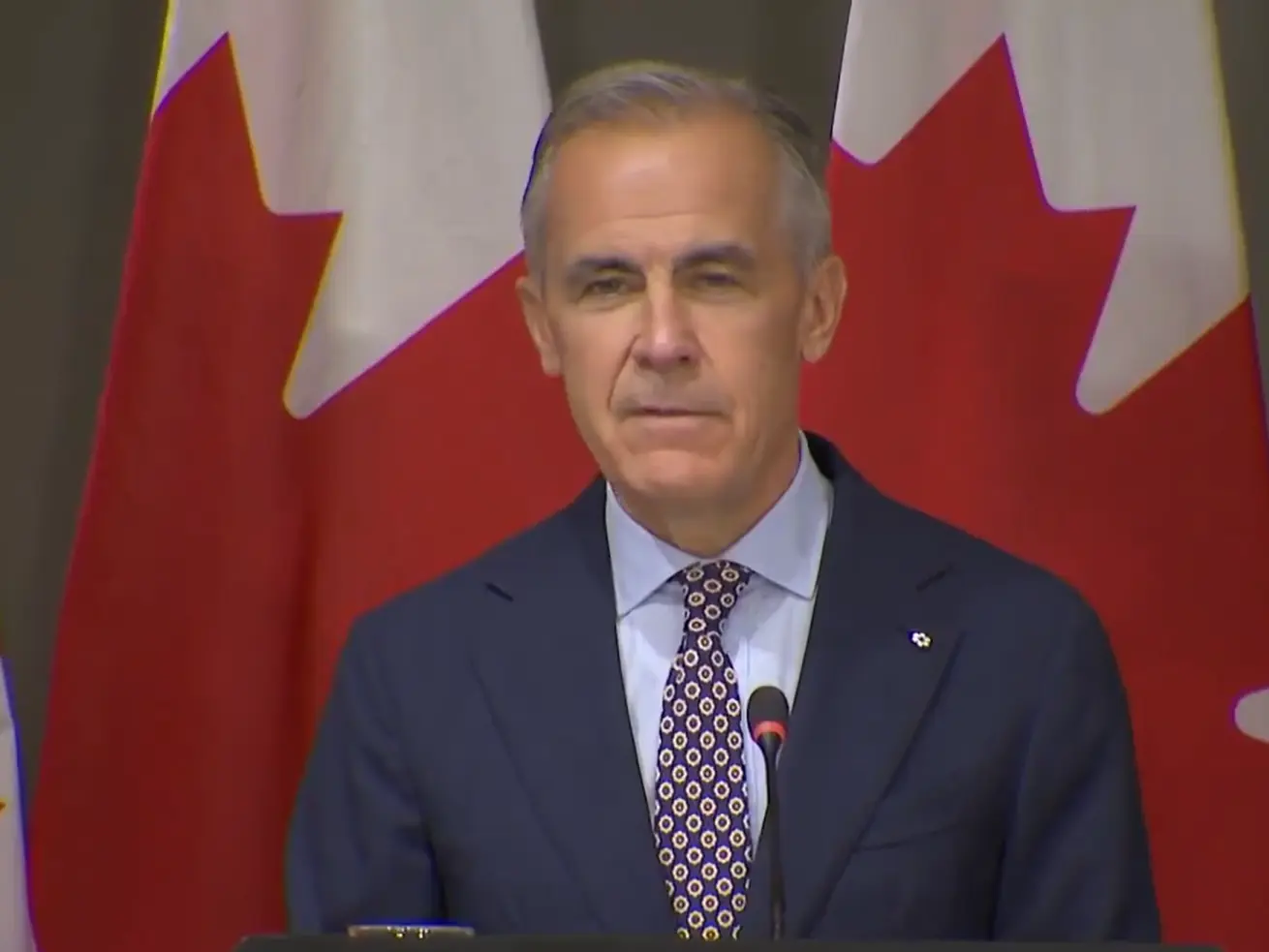)
Mark Carney mimics Trump in hilarious moment over C$70 billion clean-energy investment; room erupts in laughter
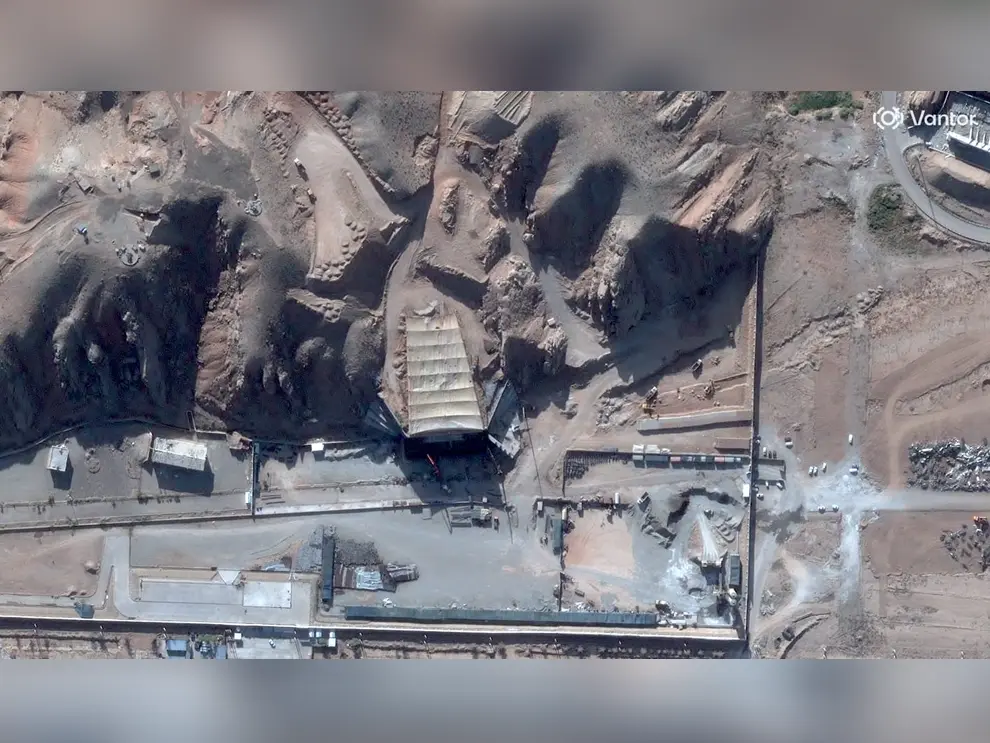)
Iran rebuilding nuclear facilities? New satellite images show Tehran may be rapidly restoring bombed Parchin base
)
It's a girl! Deepika Padukone and Ranveer Singh welcome their second child
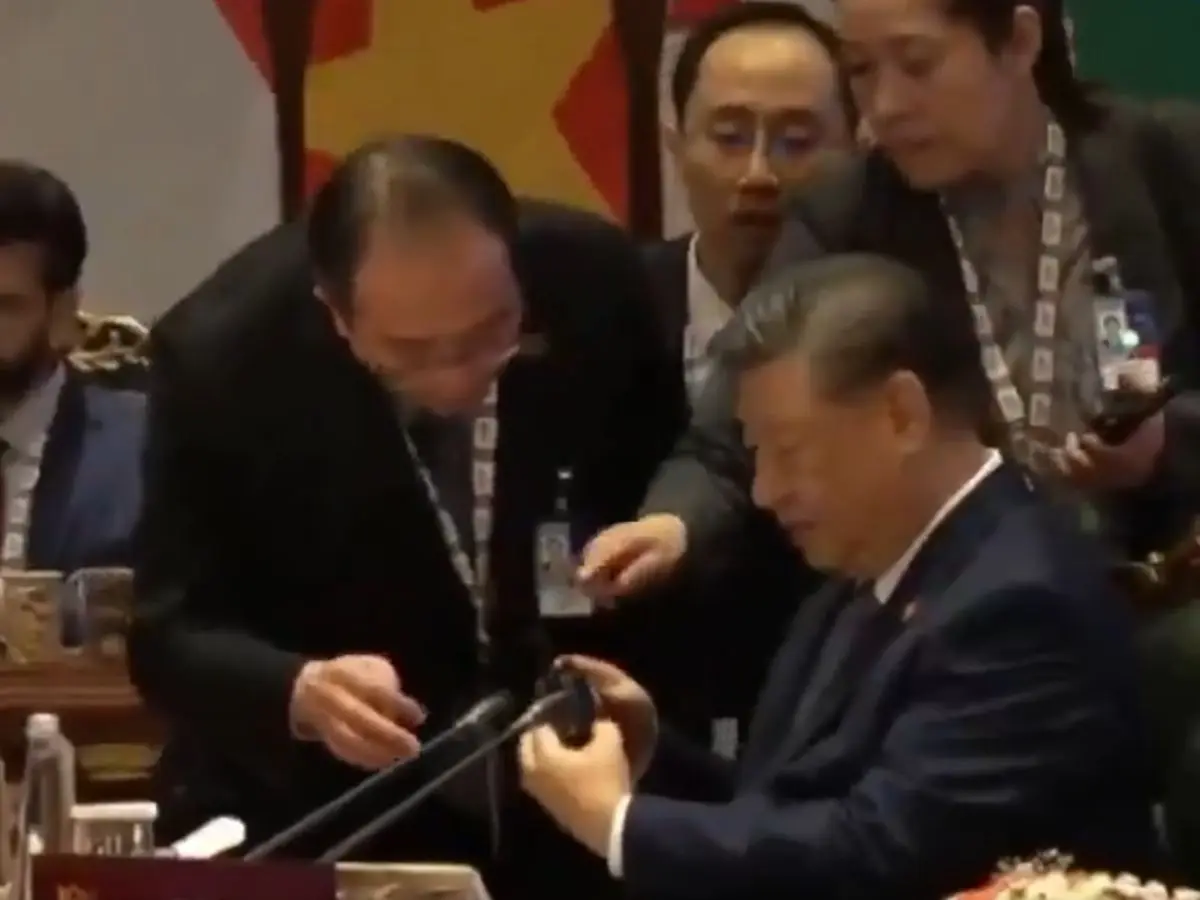)
FACT CHECK: Why did PM Modi ask Xi ‘is it okay’ at BRICS Summit? New video reveals...
)
Putin: European leaders using war rhetoric to save falling ratings
)
China may have gained access to US's classified F-35 jets; parts meant for repairs diverted to Hong Kong, sparking Pentagon inquiry
)
Arvind Kejriwal, family members, Delhi CM Rekha Gupta get SIR notices
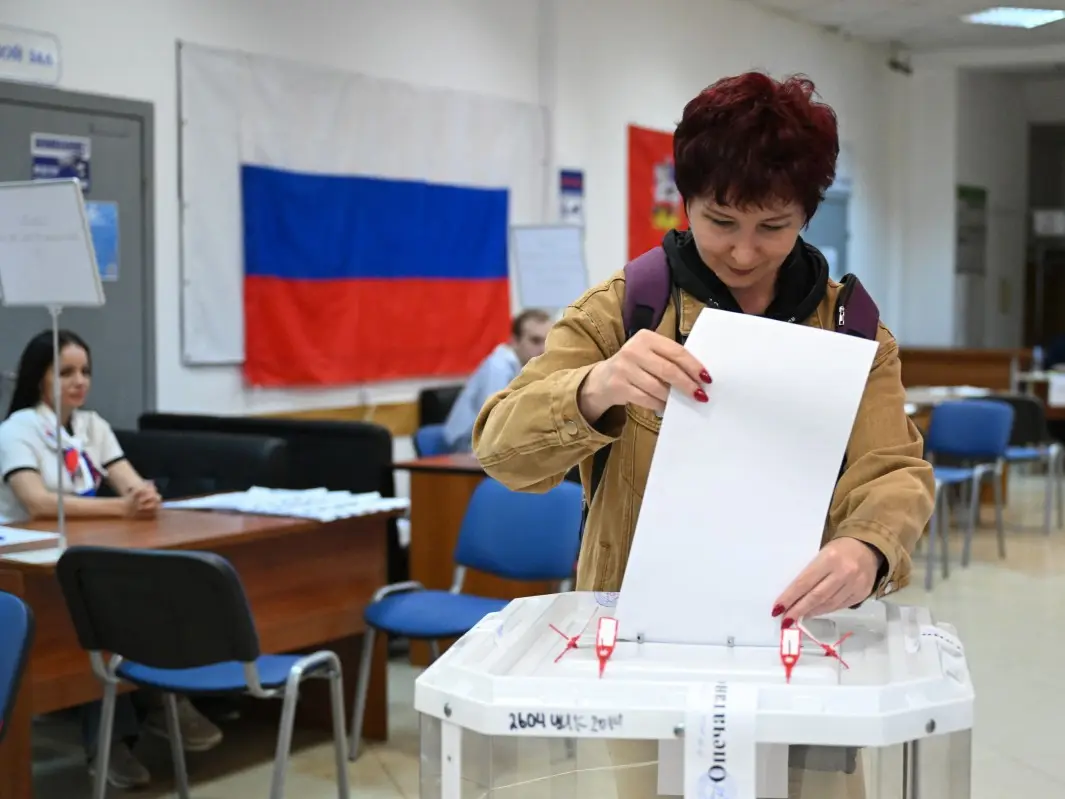)
Russia election: Moscow voting system hit by ‘powerful, continuous’ cyberattacks, says official
)
Cochin shipyard starts building Indian Navy's next-gen missile vessels
)
Claude led 26% of Anthropic's AI R&D work
)
Brigitte Bardot’s private collection set for Paris auction; key items and prices revealed
)
Why Ranveer Singh’s Dhurandhar missed India’s Oscar entry; FFI jury member reveals what happened
)
‘Will go to any extent’: Pakistan vows to defend Saudi Arabia amid Houthi attacks
&im=FitAndFill=(700,400))
Ananya Panday to Sharvari: 5 actresses serving major princess vibes
66 years of the Indus Waters Treaty: How India and Pakistan settled a bitter river dispute
)
The Verdict | When precision fails: US commits war crime in Minab school strike, UN finds
Russia attacks Ukraine with 174 drones, kills 8; 2 vessels hit in Black Sea
)
Trump signs Russia sanctions bill into law, targets Moscow’s energy sector
)
Pak: A series of counter terrorism operations in Khyber Pakhtunkhwa
)
Ajit Agarkar’s future as chief selector to be decided at right time, says BCCI secretary
)
Flying cars in UAE: Ras Al Khaimah signs deal with Chinese company to test new transport
)
Reacher star Alan Ritchson opens up about alleged blackmail, suicide attempt during difficult period
)
Africa is splitting, and a lot sooner than estimated, giving way to a new ocean
)
Trump bans CNN, MS NOW and Politico from White House over ‘FAKE NEWS’
)
Trump 2.0: Dark days ahead for America’s ‘imperial presidency’
)
New brain discovery could aid neurological disease studies
)
Drone strikes cooling tower at Russia's Kursk Nuclear Plant, IAEA confirms
&im=FitAndFill=(700,400))
How many F-35s does Britain, Japan and Israel have?
)
Tirupati Laddu ghee adulterated with chemicals, says ED, supplier arrested
)
IIT Bombay student dies by suicide, was caught seeking AI help during exams
)
Trump extends H-1B visa's $100,000 fee until September 2027: What it means for Indians?
)
Russia holds first parliamentary elections since the beginning of the Ukraine war
&im=FitAndFill=(700,400))
Meet top 5 Indian batters with fastest T20I centuries
)
Extreme warming in Indian Ocean added 695 billion tons of ice to Antarctica ice sheet
)
)
Stock markets have got off to a decent start in 2019 despite USPresident Donald Trump's decision to kill military commander Qassem Soleimani, the second most powerful figure in Iran, in a missile strike in Baghdad.
FULL CIRCLE
"In the space of a few days we appear to have swung full circle; with investors seem convinced that the problems in the Middle East appear to have settled down, at least for the time being," said Michael Hewson, chief markets analyst at CMC Markets.
"Investors now have the opportunity to focus on the signing of the new US-China phase one trade deal next week, as well as the health of the USeconomy today, and in particular the labour market which has continued to look resilient," he added.
Adding to the bullish mood, investors welcomed news that sales of Apple's iPhones in China in December jumped more than 18 percenton the year. They digested the report as a prelude to the upcoming visit by China's Vice Premier Liu He, head of the country's negotiation team in Sino-U.S. trade talks, to Washington next week to sign a trade deal.
MSCI's emerging market currency index, although little changed on Friday, hit 1-1/2-year highs on Thursday in what is likely to be its sixth straight week of gains. It has also benefited from three USrate cuts last year.
Safe haven assets extended their drop.
Gold eased 0.1percentto $1,550 per ounce from a seven-year high of $1,610.90 hit right after Iran's missile attack on Wednesday.
Against the Japanese yen, which investors often buy in times of uncertainty, the USdollar strengthened 0.2percentto a two-week high of 109.65 yen.
The dollar was slightly firmer. The euro dropped 0.1percentto $1.1085, its lowest in about two weeks.
Oil prices, which briefly spiked at the start of the week on worries that tensions with Iran would disrupt global supplies, recovered some of their subsequent losses.
Brent crude rose 0.3percentto $65.57 a barrel and was heading for its first decline in six weeks and its biggest since October, down around 4.5%.
UScrude oil rallied 0.22percentto $59.69 a barrel but was also on track for its first weekly drop in six, falling 5.3% from last Friday's close.
Government bond yields, which rose on Thursday as investors' nerves about the situation in the Middle East eased, edged lower on Friday.
The benchmark 10-year German bond yield fell marginally to -0.221 per cent but for the week remains up 6 basis points, in a strong signal of investors' willingness to pull back from safe-haven government debt for riskier assets.
The 10-year USTreasury yield slipped to 1.852 percentbut it too remains up more than 6 basis points on the week.
"With risk appetite showing little sign of abating following another resurgent 24 hours in markets, the next potential hurdle to jump is the first payrolls Friday of the new decade," said Deutsche Bank macro strategists.