World's riskiest job? Amid rumours on Imran Khan 'missing', a timeline of all Pakistani PMs who were ousted, convicted, jailed, killed

&imwidth=600&imheight=450&format=webp&quality=medium "World's riskiest job? Amid rumours on Imran Khan 'missing', a timeline of all Pakistani PMs who were ousted, convicted, jailed, killed")
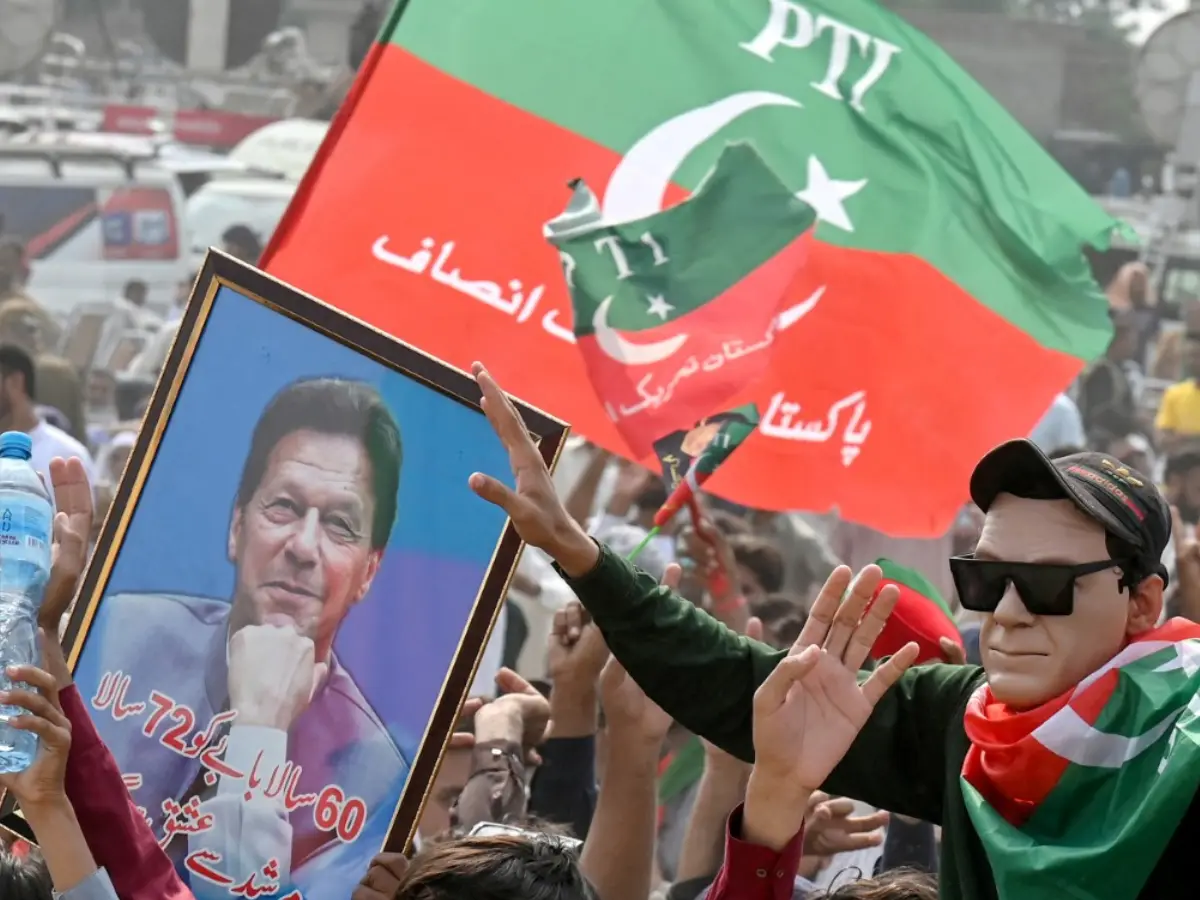
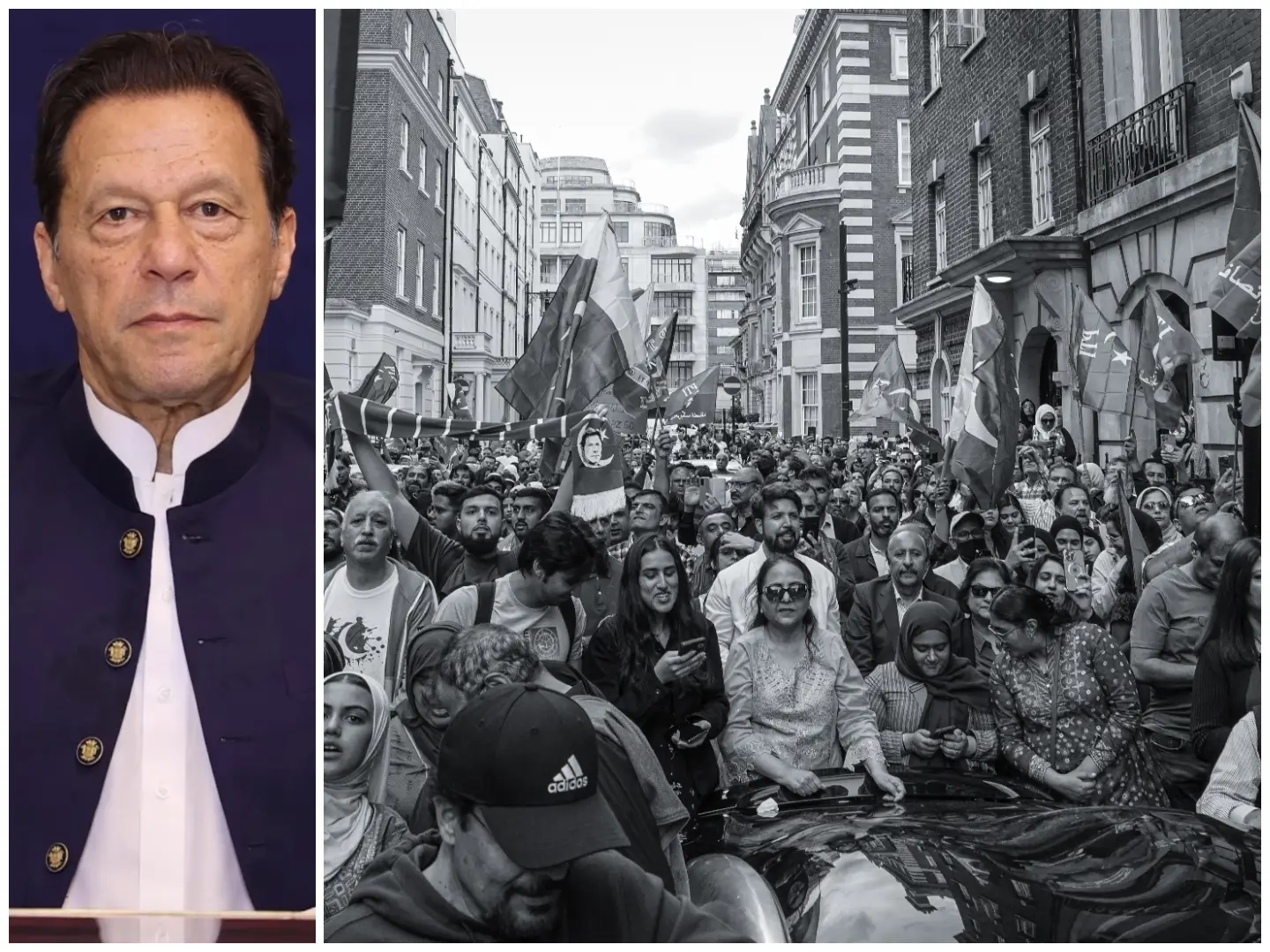
File combo of Imran Khan and his supporters at a rally in London Photograph: (File)
Imran Khan is not the first former PM to face Pakistan's revenge politics. The South Asian nation’s PMs have faced coups, dismissals, arrests, convictions, exile and even assassination. None could complete a full five-year term. Here is a timeline
Rumours are swirling, and being rejected, about the whereabouts of Imran Khan, the jailed former prime minister of Pakistan, including some fake news that he is dead. In Pakistan's vengeance-filled politics, democratically elected prime ministers have often faced the revolving door of power, exit, arrest, conviction, prison, exile and even death by hanging.
Riskiest job in the world? No Pak PM finished full five-year term
Since 1947, Pakistan has had around 30 prime ministers if one counts multiple-term PMs separately. In its 75-year history, no Pakistani PM has completed a full five-year term in office. On at least 18 occasions, PMs ended terms or quit due to reasons including dismissals by court, votes of no-confidence or assassination. They were removed through coups, dismissals or judicial and constitutional manoeuvres. Many PMs were dismissed by presidents or governors or forced to resign, and some served only for months. Most PMs, particularly since the 1970s, faced post-tenure legal action: arrests, corruption cases, convictions and exile.
As protests continue around Adiala jail, where Khan is lodged, and across Pakistan, here is a look at what happened to former PMs of Pakistan.
What happened to Pakistani PMs till 1973?
Liaquat Ali Khan (Aug 1947 – Oct 1951) was the first prime minister of independent Pakistan. His term ended with his assassination on October 16, 1951. Khwaja Nazimuddin (Oct 1951 – Apr 1953) was dismissed by the Governor-General in April 1953. Chaudhry Mohammad Ali (Aug 1955 – Sep 1956) resigned amid political rows and inner-party differences. Huseyn Shaheed Suhrawardy (Sep 1956 – Oct 1957) was dismissed by the president, and was reportedly arrested on anti-state charges under the military regime. Feroz Khan Noon (Dec 1957 – Oct 1958) was dismissed just before martial law was imposed in the 1958 military coup.
Trending Stories
)
)
)
)
)
)
)
&im=FitAndFill=(700,400))
)
)
)
)
)
)
&im=FitAndFill=(700,400))
)
)
)
)
)
&im=FitAndFill=(700,400))
)
)
)
)
)
)
)
)
)
)
)
)
)
)
)
)
)
Post-1973 PMs: Zulfikar Ali Bhutto (Aug 1973 – Jul 1977)
Perhaps the most tragic fate was that of Zulfikar Ali Bhutto. He was removed from power in July 1977 through a military coup led by General Zia-ul-Haq. Bhutto was arrested in September 1977 on charges of conspiracy to murder a political opponent. Over that 1974 case, Bhutto was tried under martial law, convicted and hanged to death on 4 April 1979.
Muhammad Khan Junejo (Mar 1985 – May 1988)
Muhammad Khan Junejo became prime minister after martial law ended, but his government was dismissed by the president in May 1988. He was reportedly placed under house arrest after dismissal.
Benazir Bhutto (Dec 1988 – Aug 1990 and Oct 1993 – Nov 1996)
The first term of Benazir Bhutto, the daughter of Zulfikar Ali Bhutto, ended with dismissal by the president in August 1990 over alleged corruption and misgovernance. In her second term, Benazir was dismissed by the president in 1996. She faced multiple legal cases after leaving office, leading to convictions in absentia while she lived in exile. She was assassinated on 27 December 2007, while campaigning for the election.
Nawaz Sharif (1990–1993; 1997–1999 and 2013–2017)
One of the longest-serving prime ministers, Nawaz Sharif, could still not complete a full term. His first term ended in 1993 after being dismissed by the president, and second term was cut short by the military coup led by General Pervez Musharraf in October 1999. He went into exile, mostly in London, for several years. His third term ended with disqualification by the Supreme Court due to allegations related to the Panama Papers disclosures. Sharif was arrested and convicted in several corruption cases and served multiple prison terms.
Yousaf Raza Gillani (Mar 2008 – 2012)
Yousaf Raza Gillani was disqualified by the Supreme Court in April 2012 for contempt of court after refusing to reopen corruption cases against the then-president.
Raja Pervez Ashraf (Jun 2012 – Mar 2013)
Raja Pervez Ashraf, who completed the parliamentary term, faced corruption and accountability investigations after leaving office, including over the allocation of government funds.
Shahid Khaqan Abbasi (Aug 2017 – May 2018)
After his term ended, Abbasi was arrested in July 2019 in an accountability probe related to an LNG contract.
Imran Khan (Aug 2018 – Apr 2022)
Imran Khan was removed from office in April 2022 through a vote of no-confidence, in which practically all of the opposition parties joined hands. He faced multiple arrests and numerous cases over alleged corruption, graft and accountability. He was sentenced or convicted in several of these cases, and sent to jail. His supporters allege these cases are politically motivated.