Will Japan directly get involved if China invades Taiwan? PM says its forces could be activated. Here's why this warning matters

&imwidth=600&imheight=450&format=webp&quality=medium "Will Japan directly get involved if China invades Taiwan? PM says its forces could be activated. Here's why this warning matters")
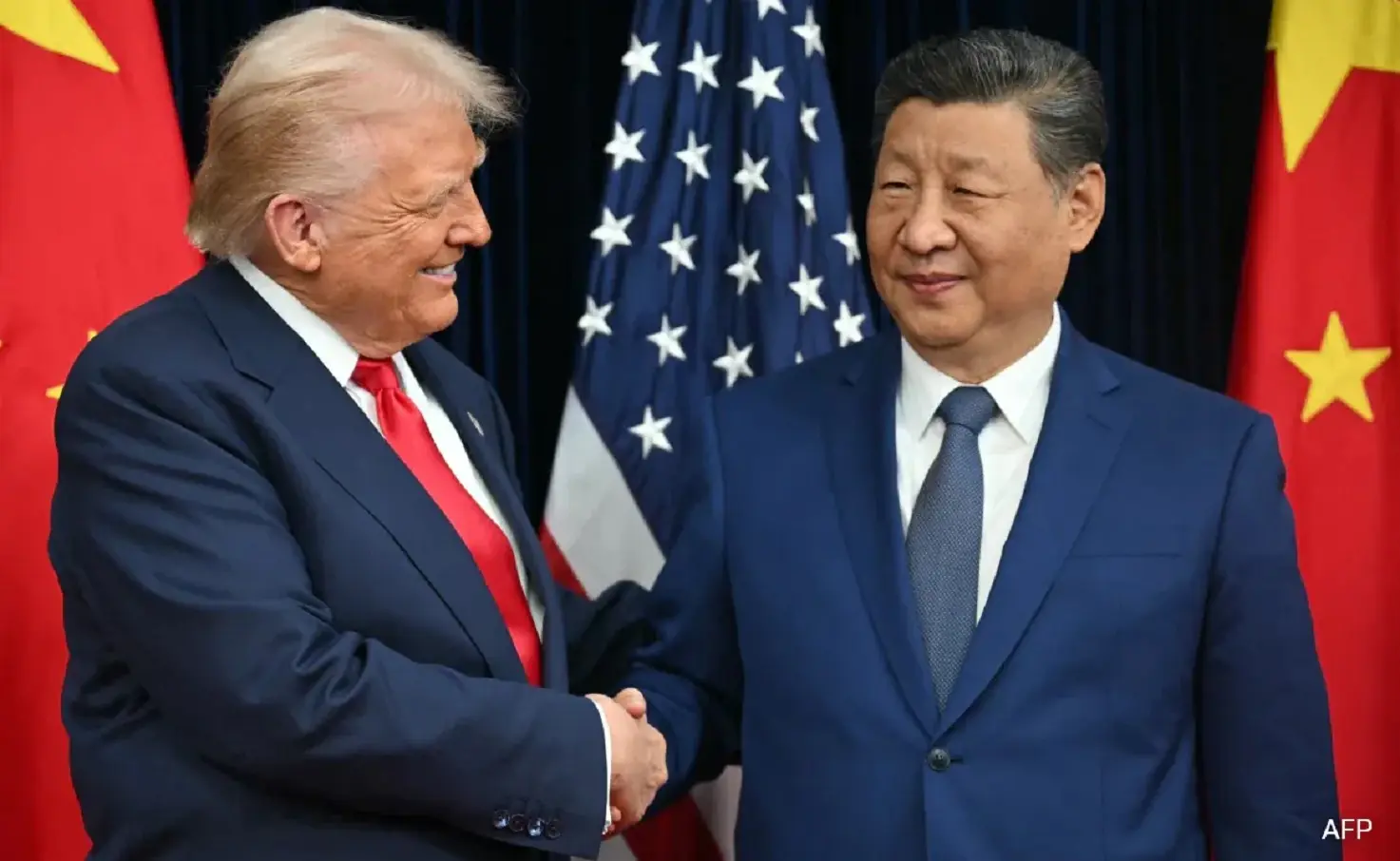
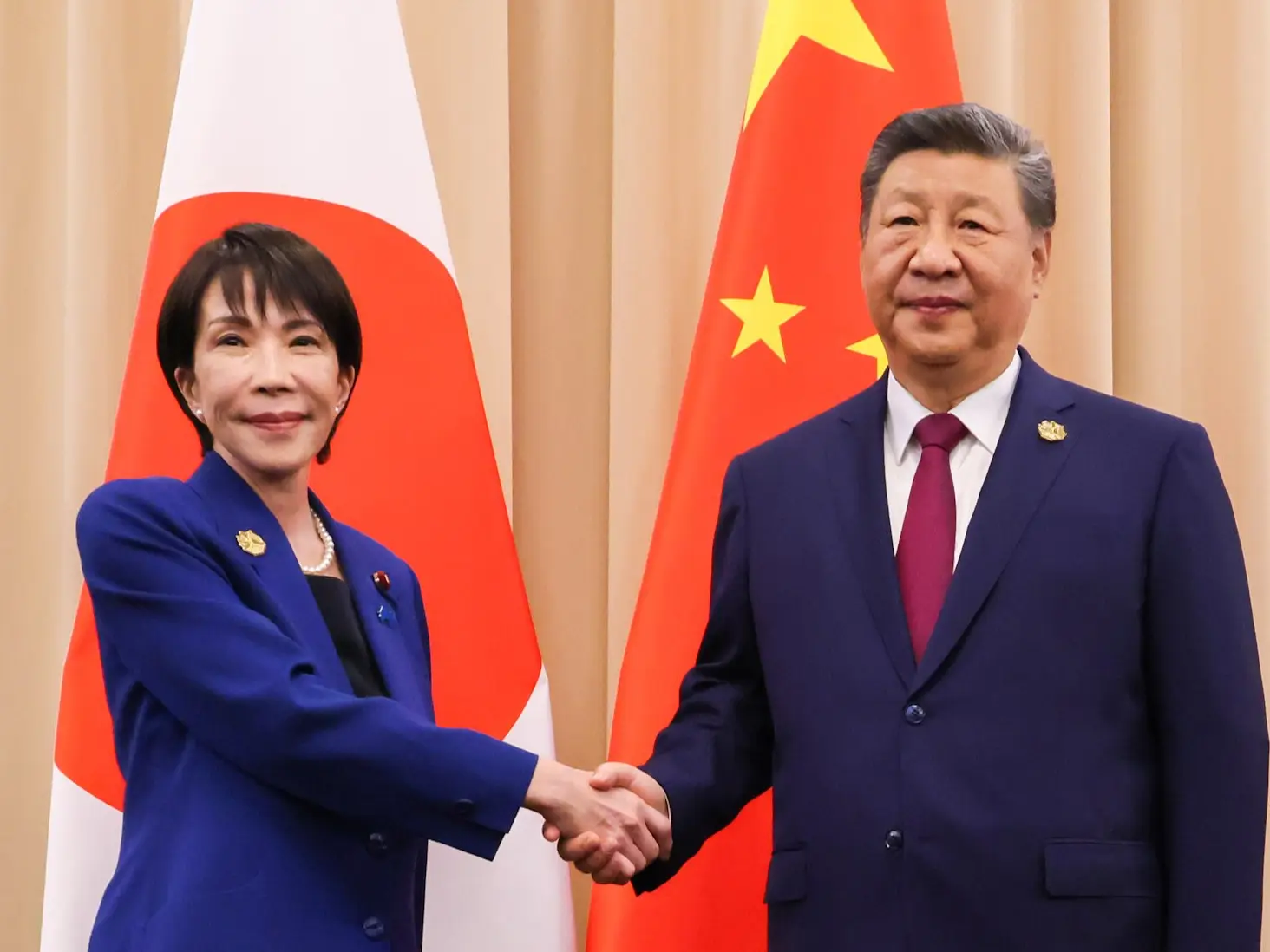
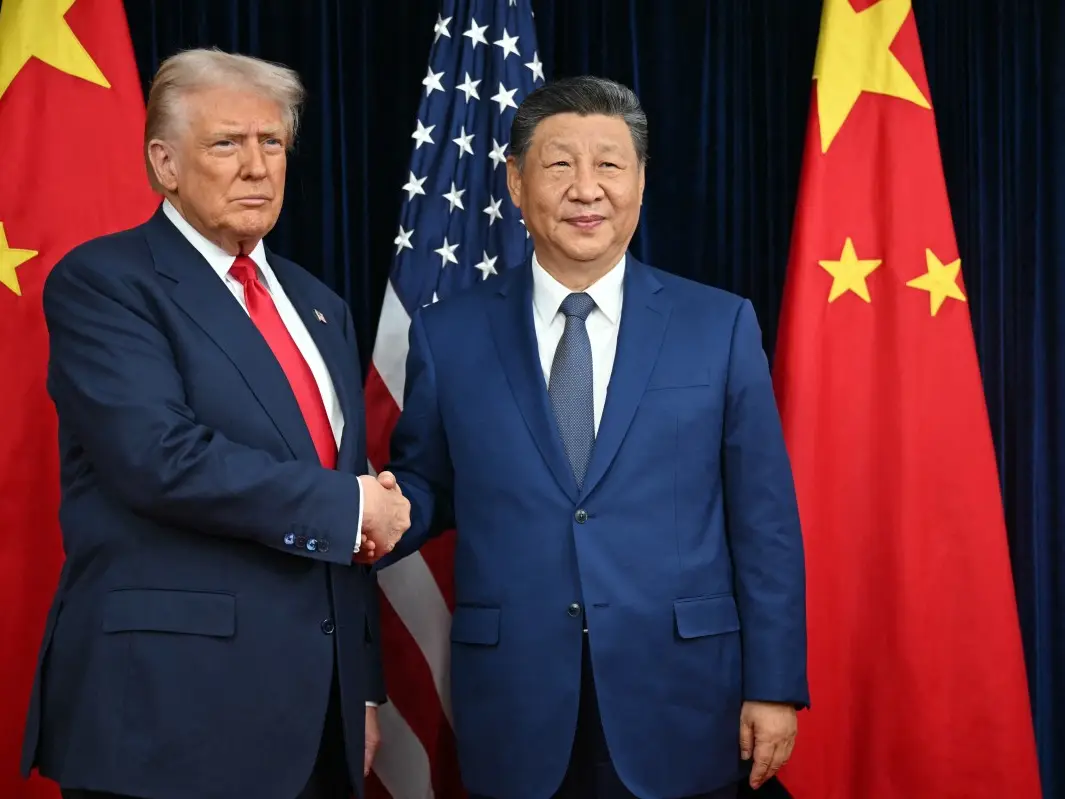
Japan’s new Prime Minister Sanae Takaichi with Chinese President Xi Jinping Photograph: (Others)
Japan PM Sanae Takaichi says a Chinese attack on Taiwan could trigger Japan’s self-defence response. This is a tougher stance than her predecessors. This could reshape East Asia’s security balance. Here is why her statements matter
Japan’s new Prime Minister Sanae Takaichi has declared that her country's self-defence forces could be activated if China invades Taiwan. She said recently that a Chinese military attack on Taiwan could be considered a “survival-threatening situation” for Japan. Under the country’s 2015 collective self-defence legislation, a survival-threatening situation is a legal classification allowing for the Japan Self-Defence Forces (JSDF) to deploy and operate.
What did Japan’s PM say on China-Taiwan?
In a November 7 speech, Takaichi said that if China were to use “warships or other armed force” against Taiwan, Japan could invoke its right to collective self-defence, mobilising the JSDF alongside allies such as the US. She repeated this stance days later, while dismissing Beijing's criticism that her remarks amounted to interference in China’s internal affairs.
The legal foundation for Japan’s self-defence
Since 2015, Japan has permitted limited military action in defence of allies if an attack on a foreign nation poses an existential threat to Japan’s survival. The new Japanese PM has given more clarity by explicitly identifying a Taiwan contingency as one such scenario. This is in contrast to the ambiguity maintained by previous prime ministers. Former prime ministers Fumio Kishida and Shinzo Abe both linked Taiwan to Japan’s security, but stopped short of committing to any automatic military response.
Trending Stories
)
)
)
)
)
)
)
&im=FitAndFill=(700,400))
)
)
)
)
)
)
)
)
)
)
)
)
)
)
)
)
)
)
)
)
)
)
)
)
&im=FitAndFill=(700,400))
&im=FitAndFill=(700,400))
)
&im=FitAndFill=(700,400))
)
)
)
)
)
)
Abe, who described a Taiwan crisis as a “Japanese emergency” in 2021, stressed deterrence rather than direct engagement.
Timing of Japan PM’s statement on Taiwan is significant
Takaichi went a step further, indicating that Japan may no longer view a Taiwan war as a distant possibility but as a direct national threat.
The timing is conspicuous. Takaichi had met both US President Donald Trump and Chinese President Xi Jinping recently at different forums.
Also read: ‘Dumba**’: Video shows Japan’s PM guiding Donald Trump around room, WH seems not happy about it
Japan is slowly moving away from its pacifist approach, and Takaichi is a vocal supporter of that shift
Japan has been deepening defence cooperation with the US under the 1960 Security Treaty. It has doubled defence spending to 2 per cent of GDP and acquired long-range strike missiles, slowly moving away from its pacifist stance since World War II.
Seen as a hardliner on Japanese foreign policy issues, Takaichi’s remarks reinforce Washington’s expectation that Japan will play an active role in any Taiwan conflict.
In future, Japan may not be just a US base
Takaichi's remarks are an indicator that, in a future conflict with China, Japan may not simply serve as a base to host US forces but as a potential combat participant under the banner of collective defence.
Strategically, this stance complicates Beijing’s calculations. Japan’s Okinawa Prefecture lies barely 100 kilometres from Taiwan, and Chinese missiles already overflew Japanese waters during drills in 2022.
By declaring that armed aggression against Taiwan could trigger Japan’s military involvement, Tokyo has increased the perceived cost of Chinese escalation against Taiwan.
At least for now, it is a move aimed at deterrence, but the PM's remarks could heighten regional tensions in the coming days.
While not new in law, Takaichi's remarks add teeth to Japan’s readiness to defend the regional status quo — and to act if that balance is upended by China.