10 countries with the lowest unemployment rates in 2025

Qatar, Cambodia, and Niger top the global employment chart in 2025 with the lowest unemployment rates. Taiwan, Singapore, Japan, and European nations follow with strong job markets supported by innovation and policies.

Qatar - Record Low 0.2% Unemployment
Qatar leads in job market strength with an unemployment rate of just 0.2 per cent. Its robust natural gas and oil economy plus high migrant workforce contribute to nearly no joblessness. Investments in infrastructure and diversification continue to create new jobs.

Cambodia - 0.3% Official Jobless Rate
Cambodia’s economy, heavily based on garment manufacturing and agriculture, keeps unemployment near 0.3 per cent, though many work in informal sectors. Government efforts focus on education and industrial growth to maintain employment opportunities for the youthful population.

Niger - 0.4% Unemployment Official Record
Niger shows very low official numbers at 0.4 per cent, largely due to reliance on subsistence farming and informal employment not counted in formal statistics. Development agencies emphasise better data collection to capture true employment status.

Thailand - 0.7% Unemployment Rate
Thailand’s job market remains tight, with unemployment at 0.7 per cent. Tourism, manufacturing, and service sectors provide sustained work. Government stimulus and rural industrial policy continue helping maintain low unemployment.

Taiwan - 1.0% Unemployment Rate
Taiwan combines a high-tech economy, advanced manufacturing, and strong education to keep unemployment at 1.0 per cent. The island’s focus on electronics and exports has proven resilient through global supply chain disruptions.

Singapore - 1.3% Unemployment
Singapore maintains a strong employment market with an official rate of around 1.3 per cent. Its diverse economy and pro-business policies attract multinational corporations. Workforce upskilling and technology adoption further strengthen job security.
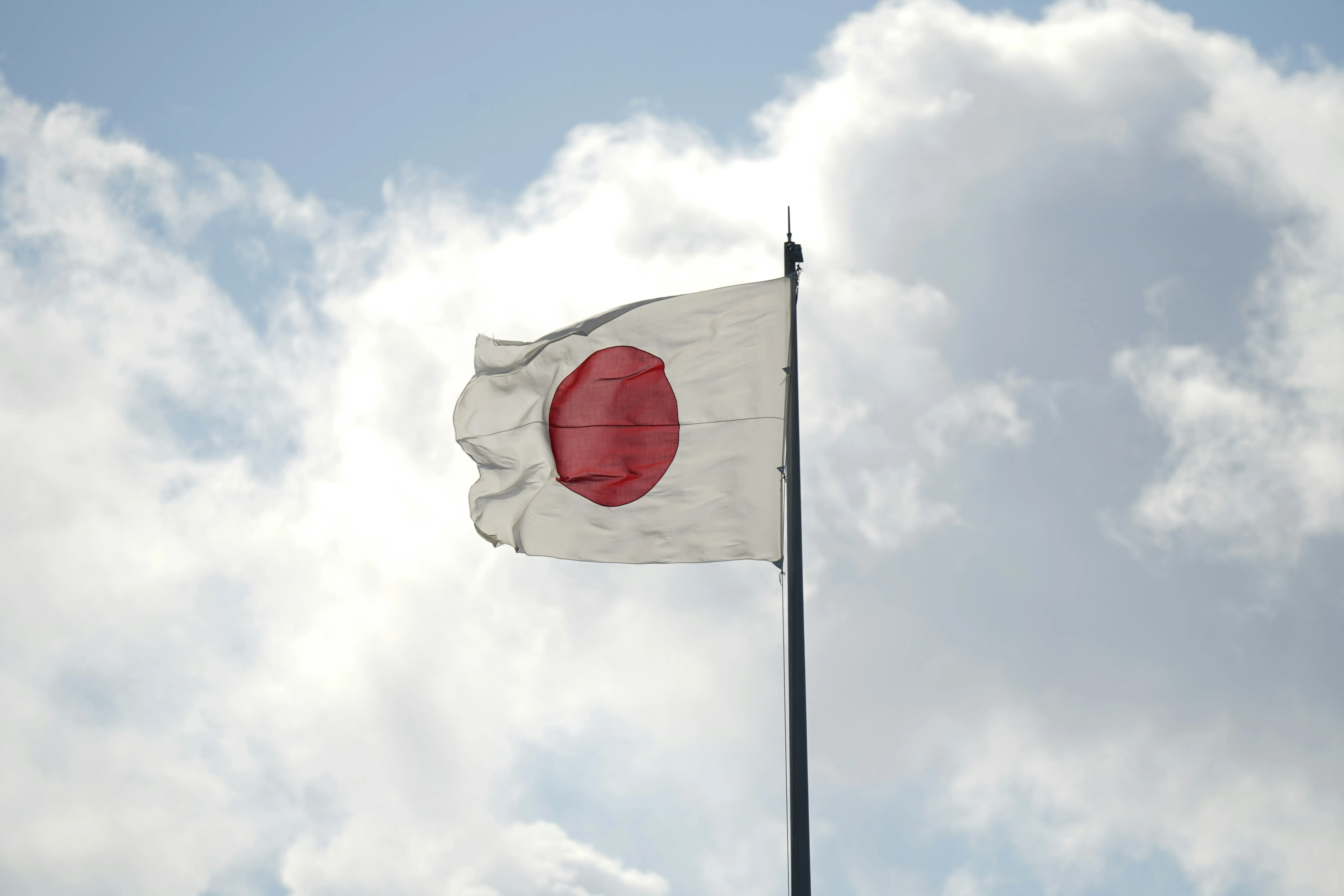
Japan - 2.5% Unemployment Rate
Japan’s mature economy enjoys one of the lowest unemployment rates worldwide at 2.5 per cent, as reported by the OECD (2025). The country balances a shrinking workforce with automation and work reforms, keeping joblessness low.

Switzerland - 2.77% Unemployed
Switzerland remains stable with low jobless rates near 2.77 per cent. Its strong finance, pharma, and manufacturing sectors provide broad employment opportunities. High living standards and vocational systems reduce unemployment risks.

Israel - 2.9% Unemployment
Israel’s tech-driven economy supports an unemployment rate under 3 per cent. Innovation hubs and a diverse industrial base contribute to steady job growth. Youth employment initiatives also reduce risks among younger populations.

Denmark - 2.97% Unemployment
Denmark combines welfare support and flexible labour laws to keep unemployment low at 2.97 per cent. Social dialogue between unions and employers helps adapt to market changes while maintaining job security and training programs.
)
)
)
)
)