‘Drones are older than you think’: When was the first drone invented?

Discover the history of drones, from the 1849 Austrian balloon bombs and the 1917 Aerial Target to the 1935 Queen Bee target aircraft.

The 1849 Balloon Bombers
The very first recorded use of an uncrewed aerial vehicle occurred long before the invention of powered flight. In 1849, Austrian forces launched a fleet of roughly 200 pilotless hot air balloons to bombard the besieged city of Venice.

A Gust of Misfortune
Conceived by artillery lieutenant Franz von Uchatius, each paper balloon carried exactly 33 pounds of explosives equipped with a half-hour time fuse. However, the attack largely failed when an unexpected wind shift blew many of the deadly balloons back over Austrian lines.
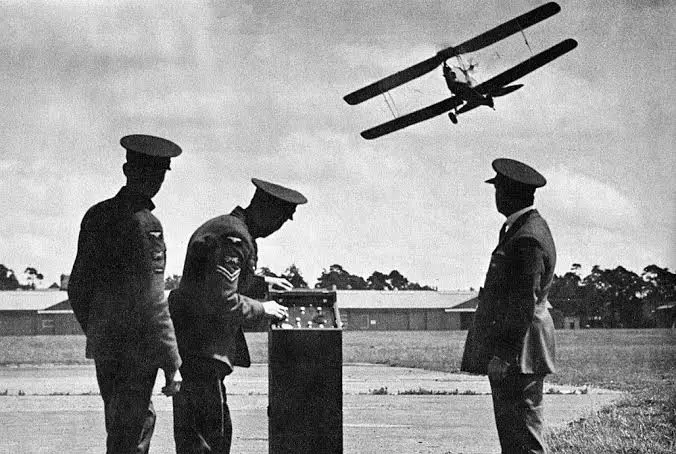
The Radio-Controlled Pioneer
True powered drones emerged during the First World War. In 1917, British engineer Archibald Low successfully tested the Ruston Proctor Aerial Target, a revolutionary remote-controlled aircraft designed specifically for anti-aircraft gunnery practice.
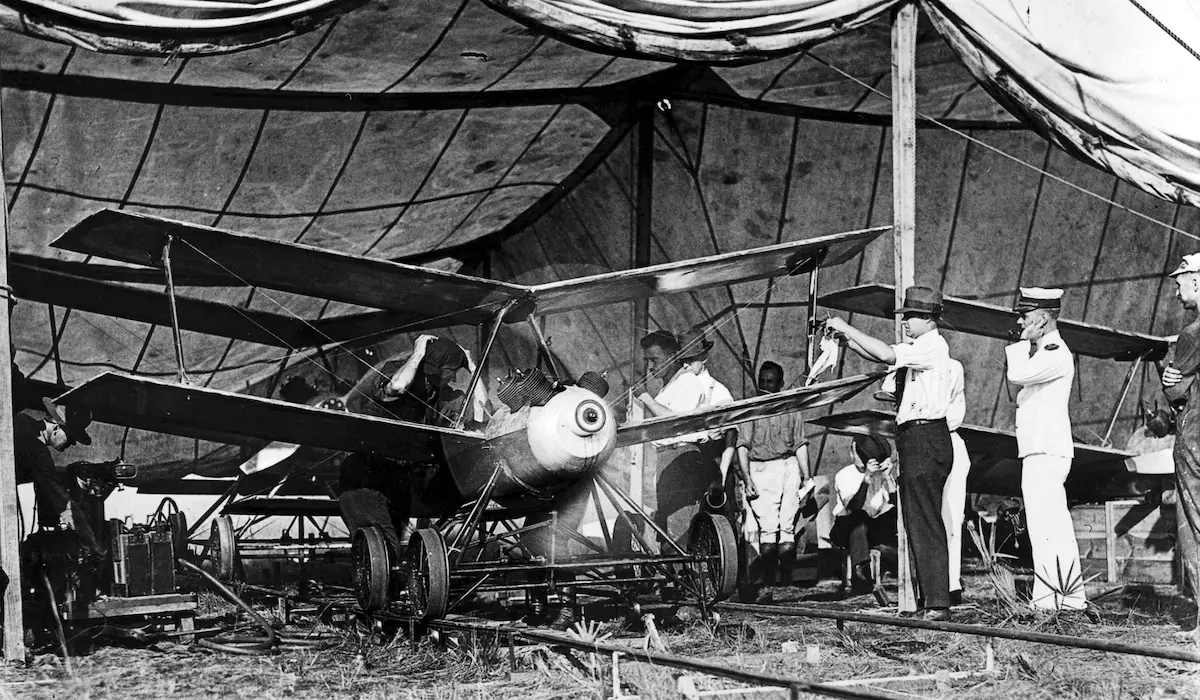
The Kettering Bug
Shortly after the British breakthrough, the United States military developed the Kettering Bug in October 1918. Often described as an early aerial torpedo, this unmanned biplane used advanced gyroscopic controls and pre-set instructions to autonomously fly toward enemy targets.
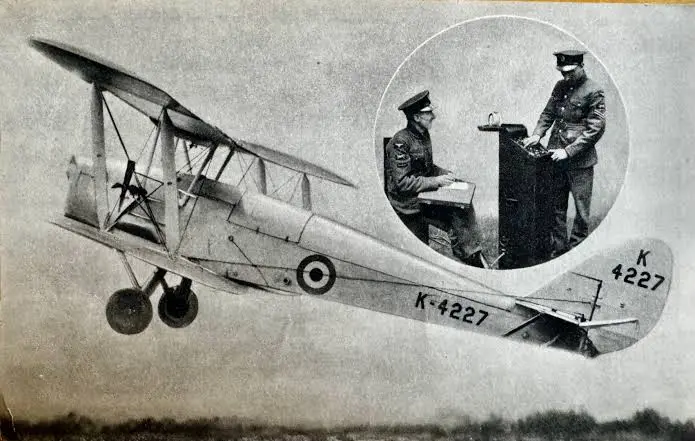
Birth of the 'Drone'
The modern term 'drone' was not officially adopted until 1935, following the creation of the British DH.82B Queen Bee. This radio-controlled target aircraft was named after the queen bee, leading operators to nickname pilotless, mindless target planes after male honeybees.
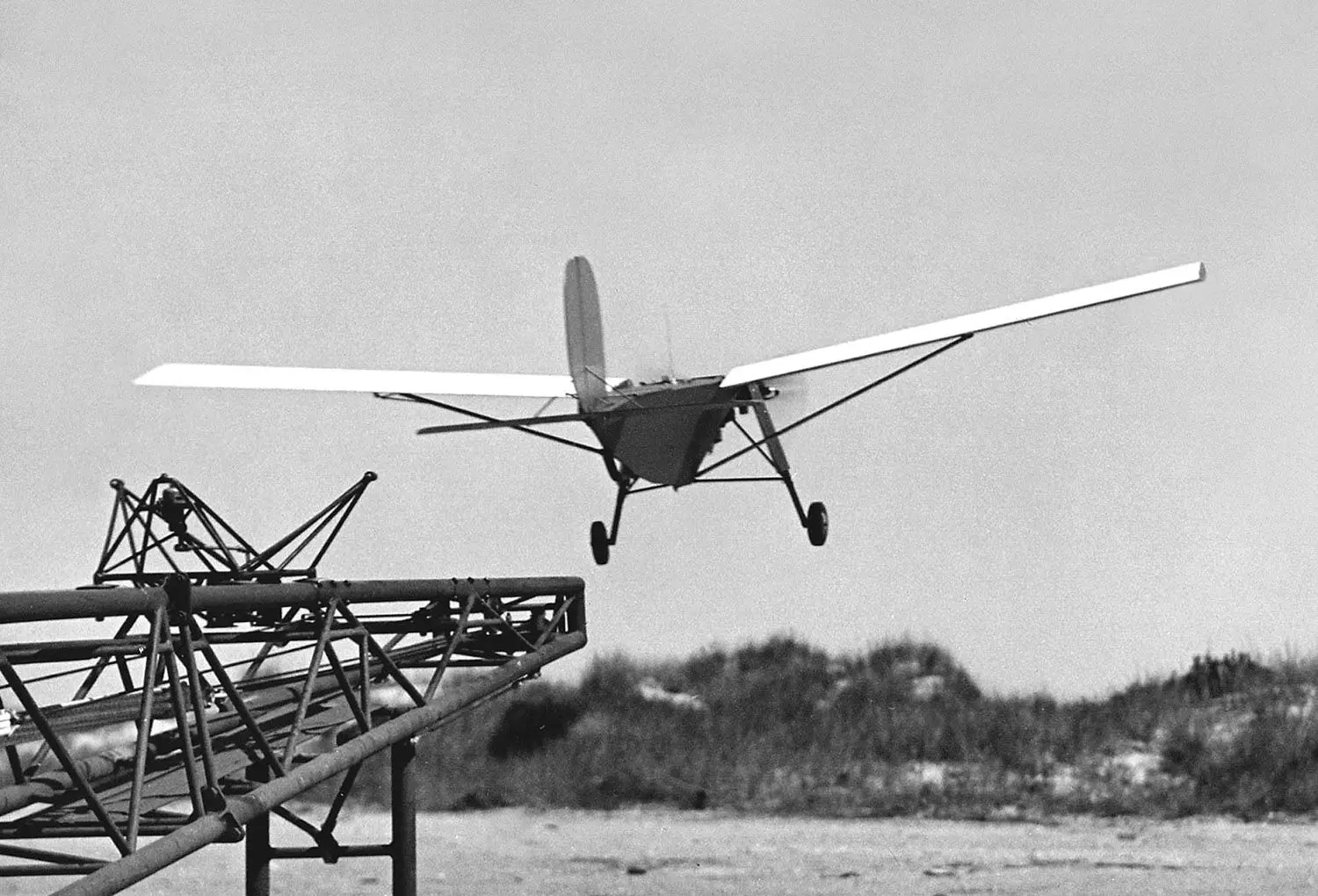
Mass Production Begins
During the Second World War, the Radioplane OQ-2 became the first mass-produced uncrewed aerial vehicle in the United States. Engineers manufactured approximately 15,000 of these remote-controlled target aircraft to heavily train military gunners for intense aerial combat.
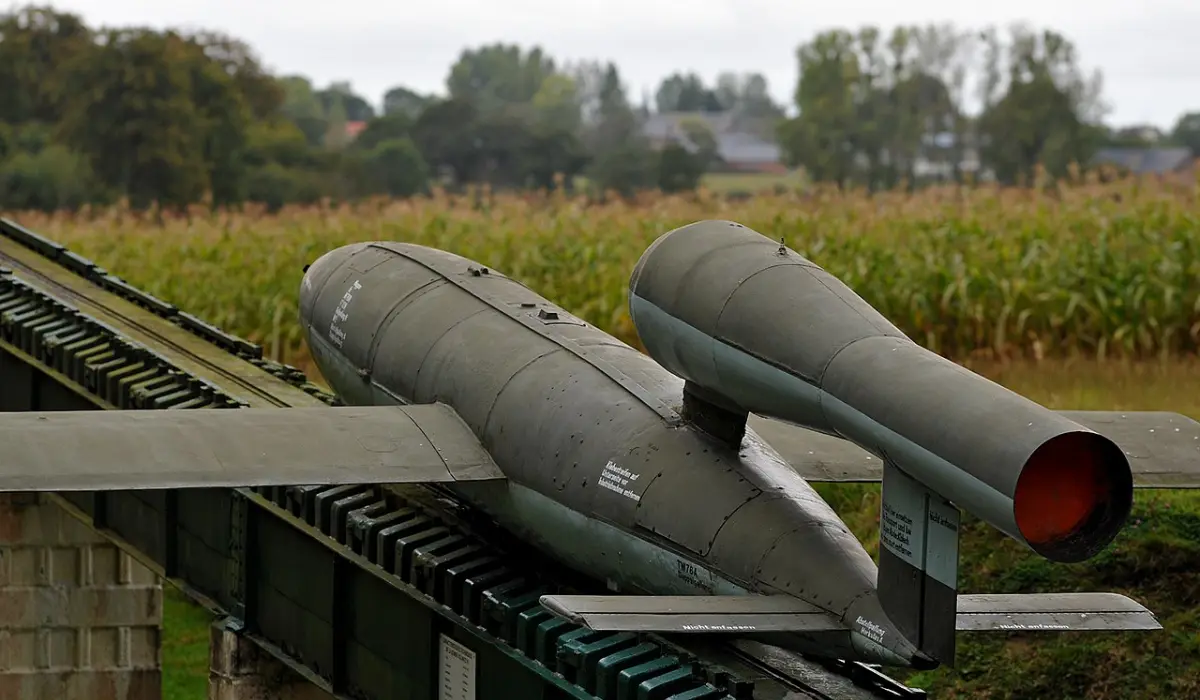
The Doodlebug Threat
Simultaneously, the German military deployed the infamous V-1 'Doodlebug' flying bombs against London during the Second World War. Guided by a sophisticated gyroscope-powered autopilot and a pulse-jet engine, the V-1 is widely considered the world's first true cruise missile.
)
)
)
)
)