Why drone technology could be one of the biggest tech trends to watch

AI, autonomy and advanced sensors are changing drones from remotely controlled aircraft into smarter systems that can navigate, analyse data and work with other unmanned platforms, opening new possibilities across defence, industry and logistics.
Drones are changing fast
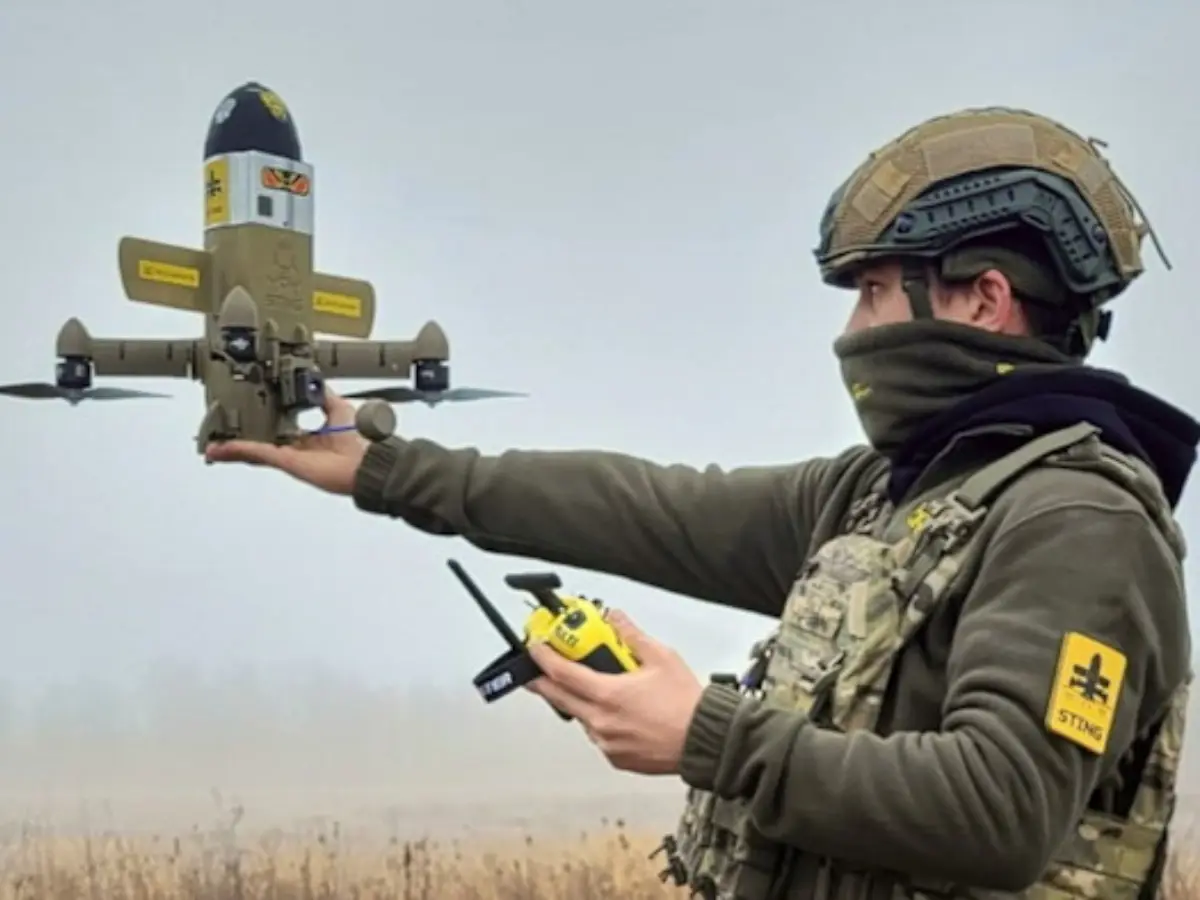
Drones are moving from remotely controlled aircraft towards systems that can increasingly sense, navigate, analyse and act with less human input. AI, better sensors, onboard computing and improved communications are making unmanned systems more capable across defence and civilian uses.
AI is changing what drones can do
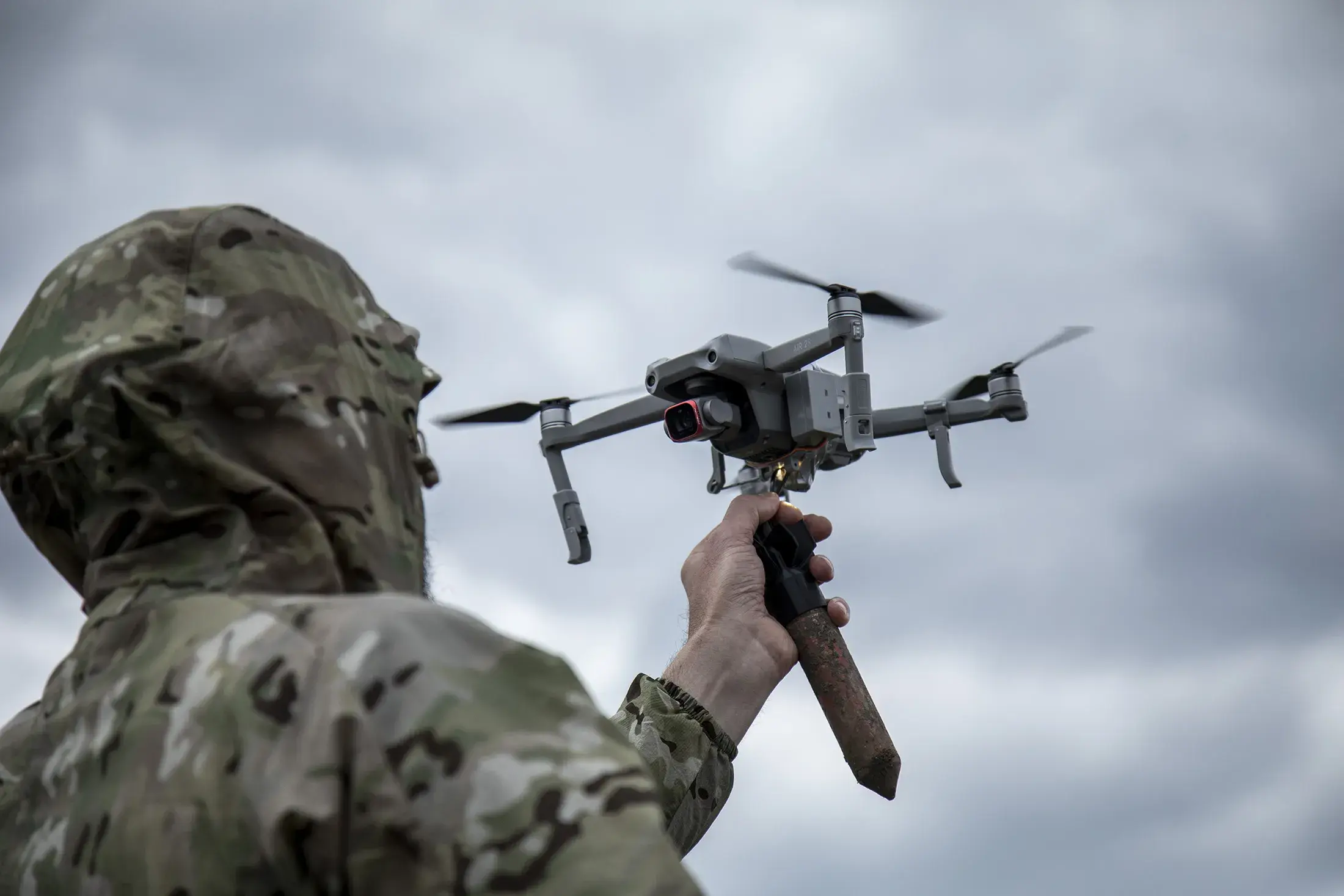
AI can help drones identify objects, navigate complex environments and process sensor information while flying. The bigger shift is towards autonomy, where a human may set the mission while the drone handles parts of the task itself.
India is spending more on drone
India has signed a $203 million deal with General Atomics to lease two MQ-9B SeaGuardian drones to the Indian Navy for 30 months, Reuters reported this week. The agreement underlines the growing importance of long-endurance unmanned systems for India's maritime surveillance and reconnaissance needs.
Drones are becoming a battlefield network
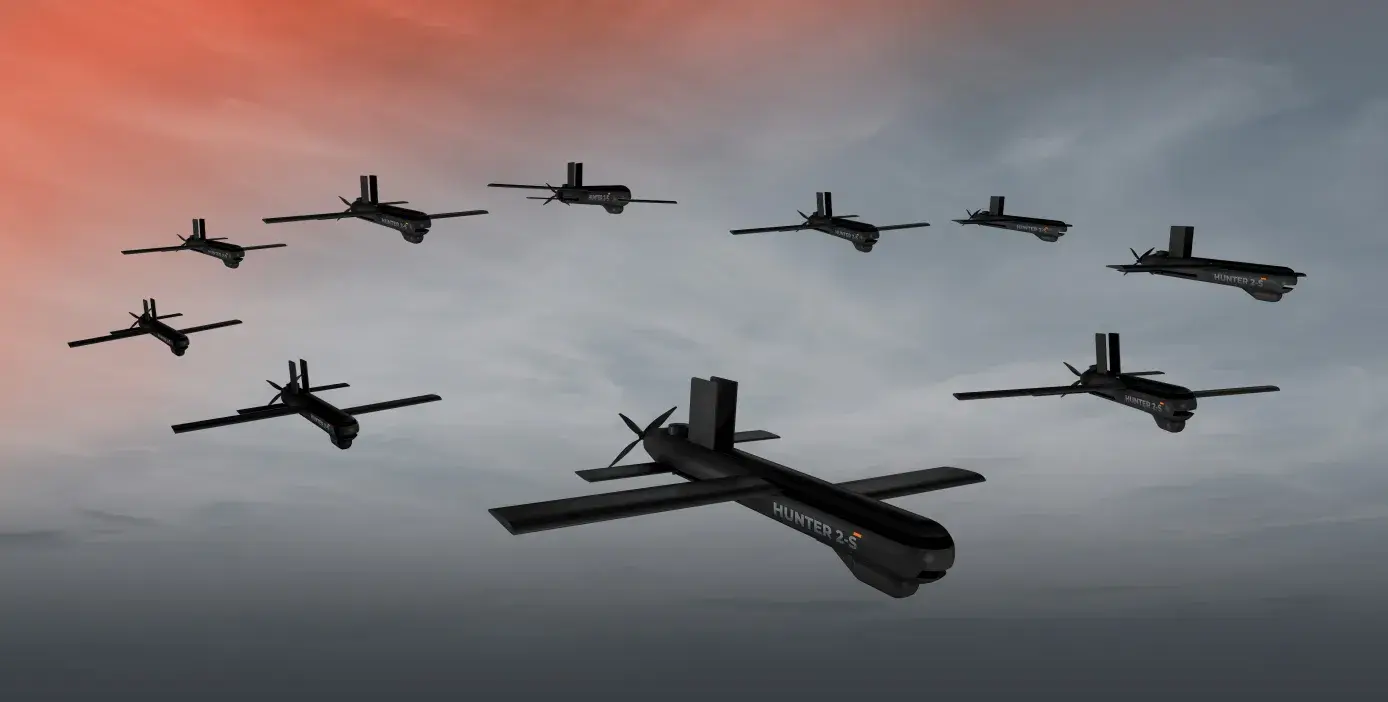
The next phase is not just about making one drone smarter, but getting multiple unmanned systems to work together. Ukraine's experience has accelerated this trend, while countries and defence companies are investing in autonomous drones, anti-jamming technology and networked operations.
Zen is building the other side
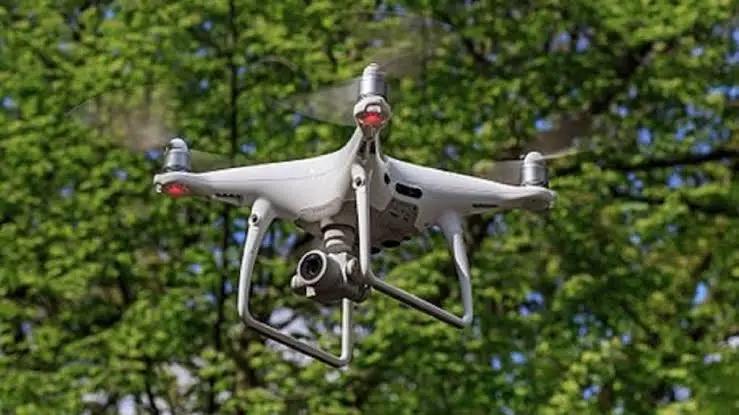
Indian defence technology company Zen Technologies is expanding across both drones and simulation: it has secured major orders for anti-drone systems while its acquisition of ARI Simulation added naval and maritime simulation capabilities. Zen completed its 100 per cent acquisition of Applied Research International in October 2025 after a deal valued at Rs 130 crore.
Why simulation matters
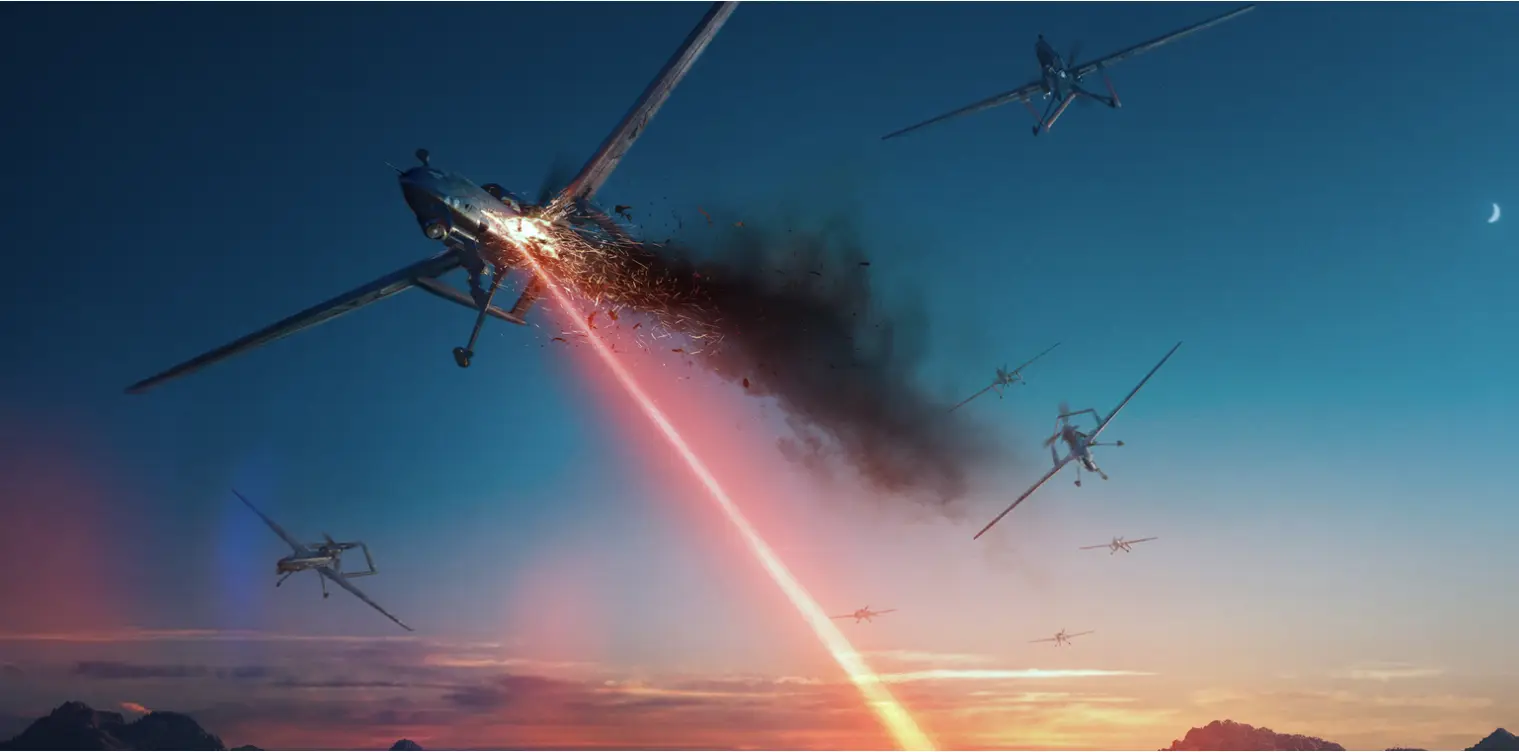
As drones become more autonomous, testing them safely becomes harder. Zen-owned ARI Simulation develops high-fidelity simulation and training systems for naval, maritime and aerospace applications, creating controlled environments where operators can train and different mission scenarios can be evaluated.
The real race is autonomy
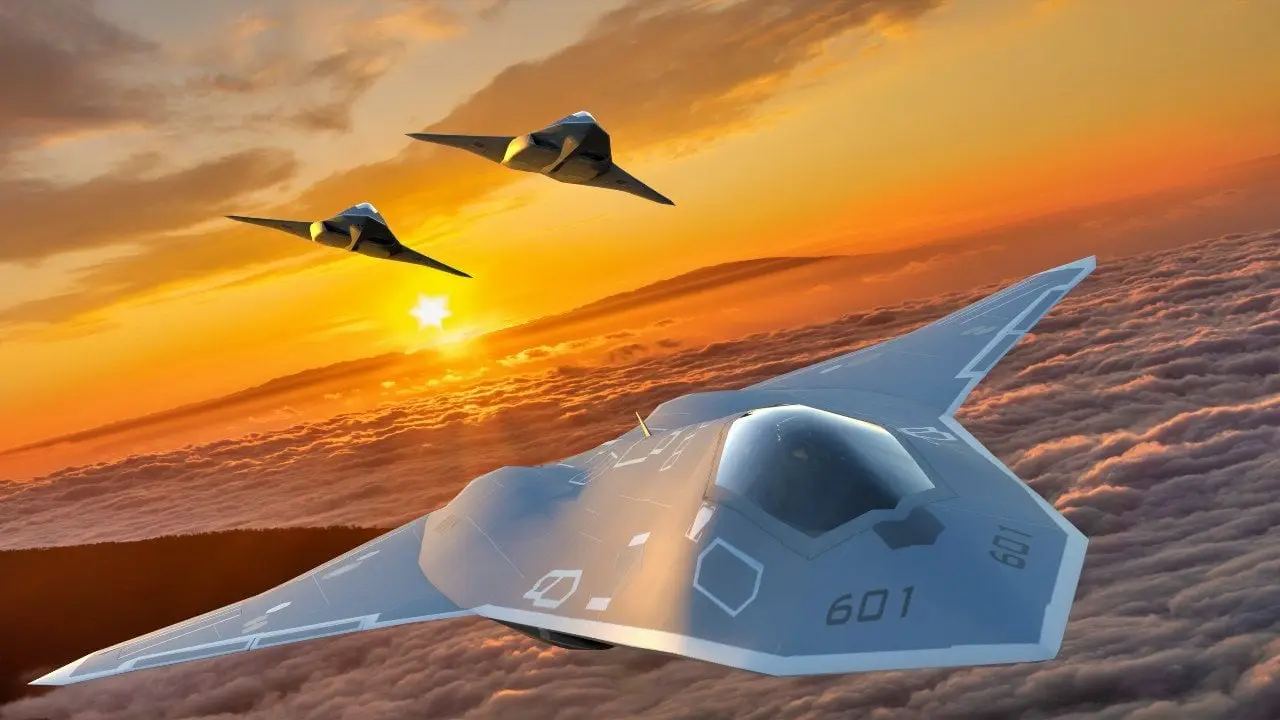
The biggest drone trend may ultimately be the combination of AI, sensors, autonomy, networking and human control. The technology still faces major challenges around cybersecurity, reliability, communications and accountability, but the direction is clear: future drones are being designed to do far more than simply fly.
)
)
)
)
)