

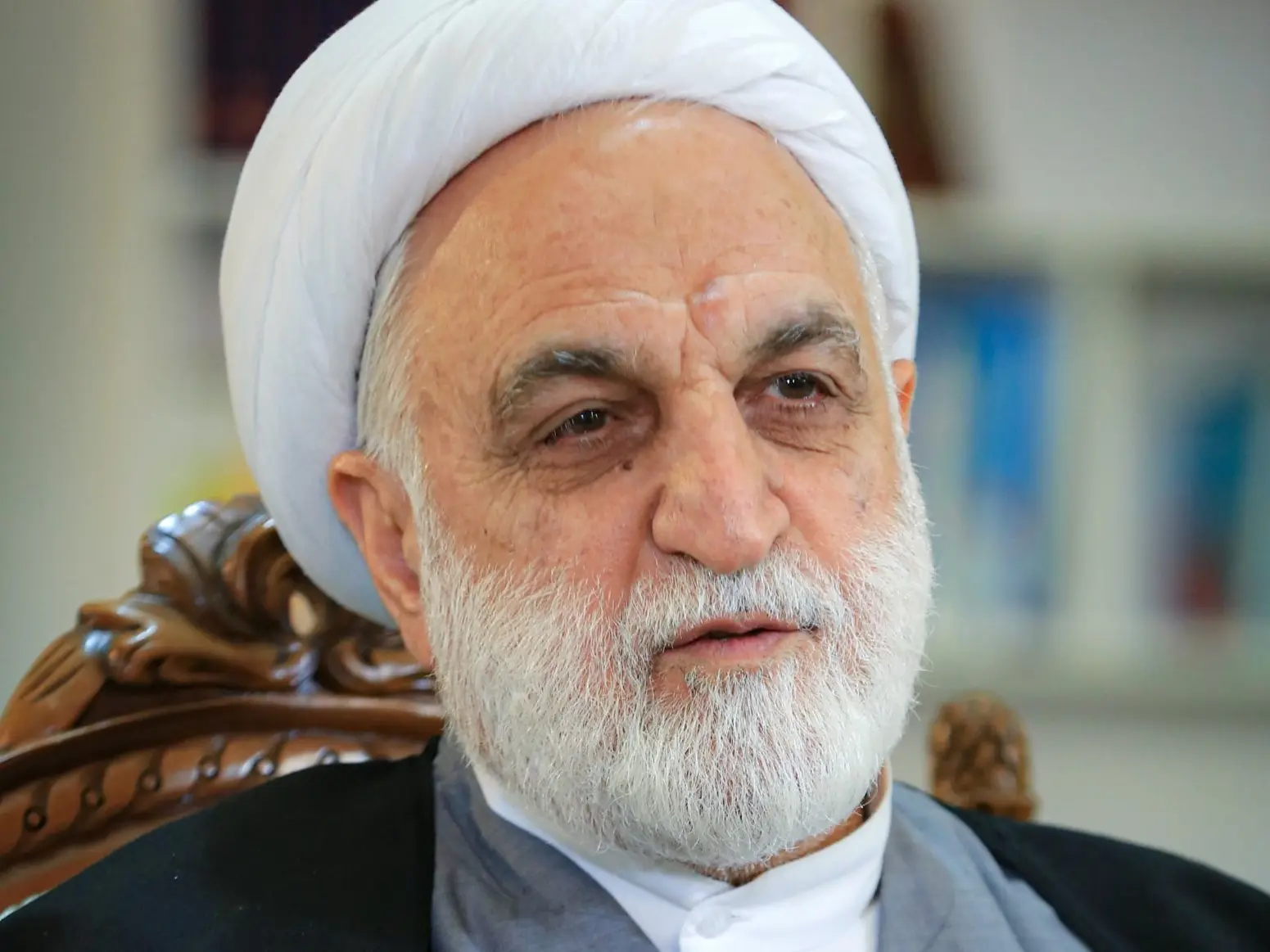
&imwidth=800&imheight=600&format=webp&quality=medium "Who is Gholam-Hossein Mohseni-Ejei, the ‘death sentence-happy’ Iranian chief justice allegedly killed in Israeli strike as per reports?")
Israel-affiliated social media handles reported on Saturday (Feb 28) that the Jewish nation's strike on Iran has killed Iranian Chief Justice Gholam-Hossein Mohseni-Eje’i. At the time of writing this, there are no official confirmations of his death. But why was he a target of the Israeli 'preventive strikes' on Iran, which is also being helped by the US? Here is what you should know about him.
Who is Gholam-Hossein Mohseni-Eje’i?
Gholam-Hossein Mohseni-Eje’i was recently in the news for awarding death sentences to scores of protesters against the Islamic Republic. He is an influential yet controversial figure in Iran’s judiciary.
The cleric-jurist was born in 1956 in Ejieh, near Isfahan. After the 1979 Islamic Revolution that toppled the Shah regime, Mohseni-Eje’i rose through the ranks of Iran’s judicial and intelligence machinery. He held several senior posts, including prosecutor in various courts.
He was the intelligence minister, attorney general and First Deputy to the head of the judiciary at various times.
Iranian Supreme Leader Ayatollah Ali Khamenei appointed him as the Chief Justice in 2021, giving him the most powerful position in the country’s legal system.
Trending Stories
Also read: Israel-Iran tensions | 'Operation Epic Fury': Here's what US called their attack on Tehran
Mohseni-Eje’i advocated harsh measures against dissent
Considered by the West as a violator of human rights, he held roles that used the judicial system to suppress political opponents, dissidents, journalists and activists. Human Rights Watch has cited cases where people were detained, forced to make televised confessions, or prosecuted on politically motivated charges under his watch.
Role in brutal suppression of Iranian protests of 2025–26
He was one of the top figures behind the suppression of the 2025–2026 nationwide protests in Iran. Mohseni-Eje’i was the central figure in the regime’s legal response to the unrest caused by economic hardship and broader grievances against the Islamic Republic.
The protests escalated into widespread demonstrations across dozens of cities in Iran.
Mohseni-Eje’i publicly instructed prosecutors to act with “resolve” and show “no leniency” toward demonstrators. This translated into death sentences for dozens of protesters, whom he labelled as “rioters” or “instigators.” State media showed him stressing the need for rapid judicial action, stating that if the state wants to act “we have to do that fast” to maintain effect.
A trigger-happy judiciary under Mohseni-Ejeu’i made Iran top death sentence nation
During his tenure, Iran’s judicial system fast-tracked prosecutions and death sentences, making it one of the top countries in awarding capital punishment.
Dozens of protesters and detainees were executed during his term. The so-called Revolutionary Courts and lower courts issued death sentences within days of arrest on charges such as “moharebeh”, meaning waging war against God. Another charge was “corruption on earth,” which carries capital punishment under Iranian law.
Many of those executed were young adults, who were reportedly denied access to independent legal counsel, in violation of due process.
Many of them were convicted based on confessions obtained under duress, according to critics of the Iranian judiciary.
Also read: US, Israel strikes Iran LIVE updates: Explosions heard in Bahrain, UAE; warplanes seen over Iraq
As Mohseni-Eje’i oversaw the frequent awarding of death sentences, global organisations like the UN High Commissioner for Human Rights and Amnesty International urged Iran to halt the executions and quash the extreme sentences. They urged fair trial rights, highlighting the risk to teenagers and young adults.
The Trump administration also issued multiple warnings to end the death sentences.
Under Mohseni-Eje’i, the Iranian judiciary was criticised for functioning as an instrument of political repression.

