Super El Niño could kill 451,000 worldwide by February 2027, nearly 16,000 lives at risk in India: Study

&imwidth=600&imheight=450&format=webp&quality=medium "Super El Niño could kill 451,000 worldwide by February 2027, nearly 16,000 lives at risk in India: Study")
Representative image. Photograph: (Magnific)
The report estimated that the super El Niño could impact several people, killing as many as 451,000 individuals worldwide in the six months through February 2027.
Extreme heat, linked to 'super El Niño,' in 2026 possibly threatens over 450,000 lives worldwide over the next six months, including nearly 16,000 people in India, according to a recent study. The researchers at the University of Chicago's Climate Impact Lab stated on Wednesday (September 23) that the number of extremely hot days is set to rise by 44 per cent, compared with normal years, according to a Reuters report on the study.
The report added, estimating that the super El Niño could impact several people, killing as many as 451,000 individuals worldwide in the six months through February 2027. By the next year, the number of excess deaths could rise further if El Niño extends, especially in key areas of the Northern Hemisphere, including India and Pakistan, which are especially vulnerable during their summer months.
Nigeria likely to see the highest toll
Between September 2026 and February 2027, Nigeria is projected to see the highest toll from excess heat-related deaths, with an estimated 31,400 fatalities, followed by Indonesia at 19,300 and Sudan at 17,600. Across Africa's Sahel region, encompassing Niger, Chad, Nigeria and Sudan, an additional 66,800 deaths from extreme heat are expected to be witnessed in the next six months.
Meanwhile, the Philippines, Vietnam, Thailand and Cambodia are together projected to record around 19,400 additional deaths, the study found. According to Climate Impact Lab, this year's El Niño serves as a "postcard from the future", offering a preview of temperatures that could become normal within the next few decades.
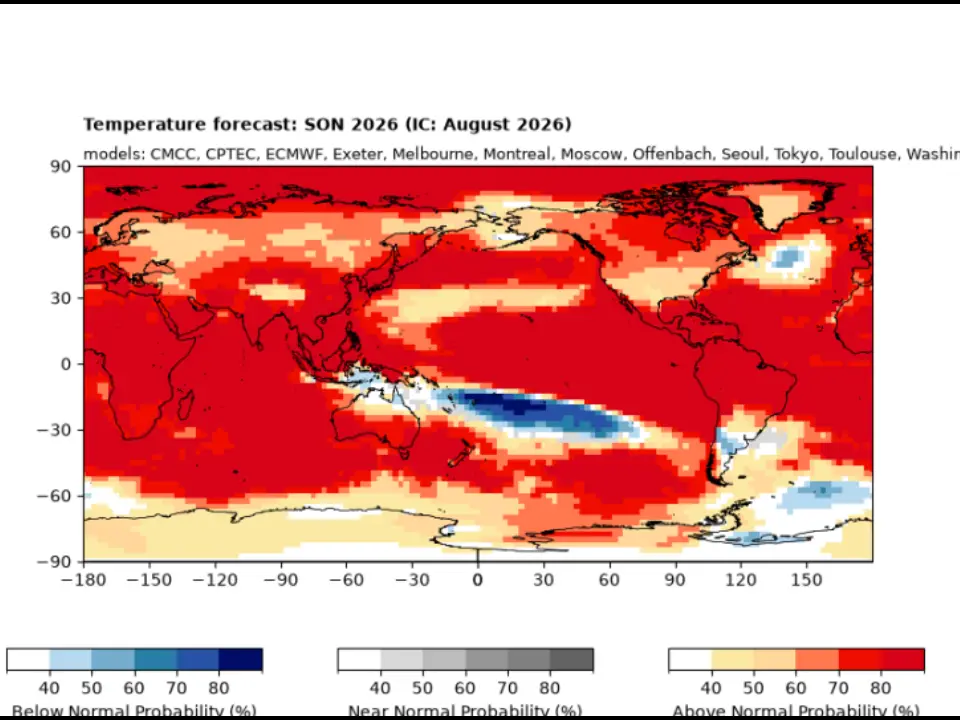
Researchers have called for emergency response efforts to be concentrated on high-priority regions in order to curb heat-related mortality in the months ahead. El Niño has already caused widespread disruption globally this year — triggering heatwaves across Europe and the United States, disturbing monsoon patterns in India, intensifying wildfires, and causing floods in multiple regions. Active since June, the weather pattern is expected to persist into next year.
)
)
)
)
)
)
)
)
)
)
)
)
)
)
)
)
)
&im=FitAndFill=(700,400))
)
)
)
&im=FitAndFill=(700,400))
)
)
)
)
)
)
)
)
)
)
)
)
)
)
)

