Russia attempts to 'block' WhatsApp for state-backed messaging app? Here's what Meta says

&imwidth=600&imheight=450&format=webp&quality=medium "Russia attempts to 'block' WhatsApp for state-backed messaging app? Here's what Meta says")
Representative image. Photograph: (Unsplash)
The messaging service, used daily by more than 60 million people in Russia, has faced restrictions that sparked backlash from Russian soldiers on the front lines, pro-war commentators, and opposition figures living abroad.
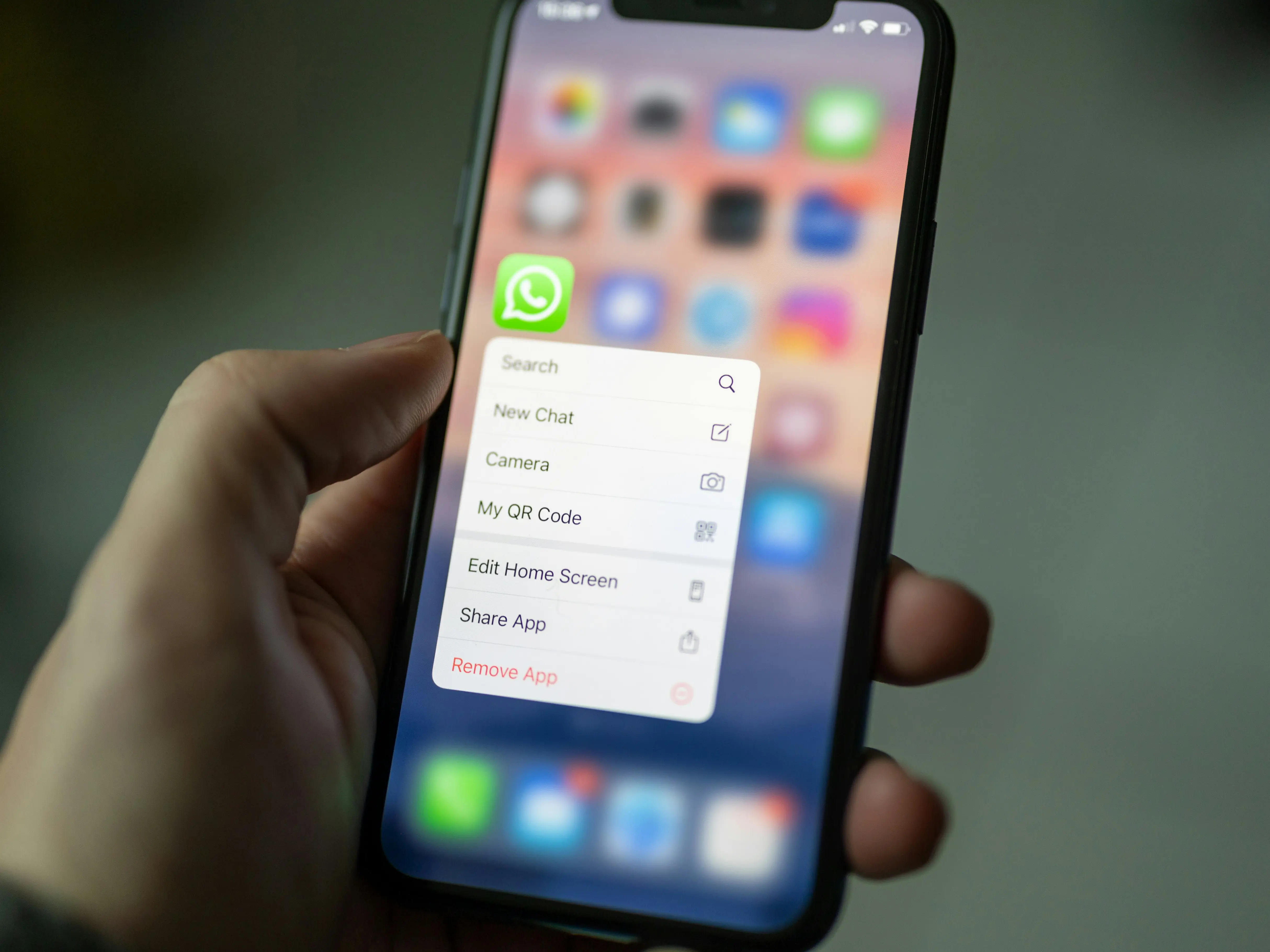
Russia has attempted to “completely block” WhatsApp as part of efforts to push users toward Max, a government-backed messaging platform, according to a spokesperson for Meta, which owns the app. The company did not disclose how successful the blocking attempt was or what methods were used.
“Trying to isolate over 100 million users from private and secure communication is a backwards step and can only lead to less safety for people in Russia. We continue to do everything we can to keep users connected," a WhatsApp spokesperson told the Guardian.
The effort aligns with the Kremlin’s push for a “sovereign internet,” designed to reduce reliance on Western technologies, reduce foreign influence, and increase state oversight of online activity.
Clash with WhatsApp
This latest clash with WhatsApp comes as part of a wider campaign against social media platforms, with Telegram being the most recent target. The messaging service, used daily by more than 60 million people in Russia, has faced restrictions that sparked backlash from Russian soldiers on the front lines, pro-war commentators, and opposition figures living abroad.
Following reports of slower speeds and delays in loading images and videos on Tuesday, Telegram founder Pavel Durov, a Russian-born billionaire now based in Dubai, publicly criticised the Russian government. “Restricting citizens’ freedom is never the right answer,” he said, and added, “Telegram stands for freedom of speech and privacy, no matter the pressure.”
Trending Stories
)
)
)
)
)
)
)
)
)
)
)
)
)
)
)
)
)
)
)
)
)
)
)
)
)
)
)
)
)
)
)
)
)
)
&im=FitAndFill=(700,400))
)
)
)
)
Max, the Russian-sponsored app, is mostly modelled on China's “super app” WeChat, which has nearly 55 million users across Russia. Last year, Moscow directed the Max app to be pre-installed on new phones. In response, critics argued that the app could spy on users; however, the government refuted the claim.
According to a report in the Financial Times, WhatsApp reportedly has at least 100 million users in Russia, marking it the most widely used messaging service in the country. Earlier, it was reported that Russia removed the app from an online directory operated by Roskomnadzor, Russia’s media monitoring agency.
The publication also reported that Russian officials removed Facebook and Instagram, both Meta-owned platforms, from the list. In December last year, authorities in Russia cut off access to Snapchat and imposed limitations on FaceTime, Apple’s video-calling service.

