Rifles, grenade launchers for sale on X? Houthi-linked dealers sell US-made arms with labels 'death of America, Israel' on WhatsApp

&imwidth=600&imheight=450&format=webp&quality=medium "Rifles, grenade launchers for sale on X? Houthi-linked dealers sell US-made arms with labels 'death of America, Israel' on WhatsApp")
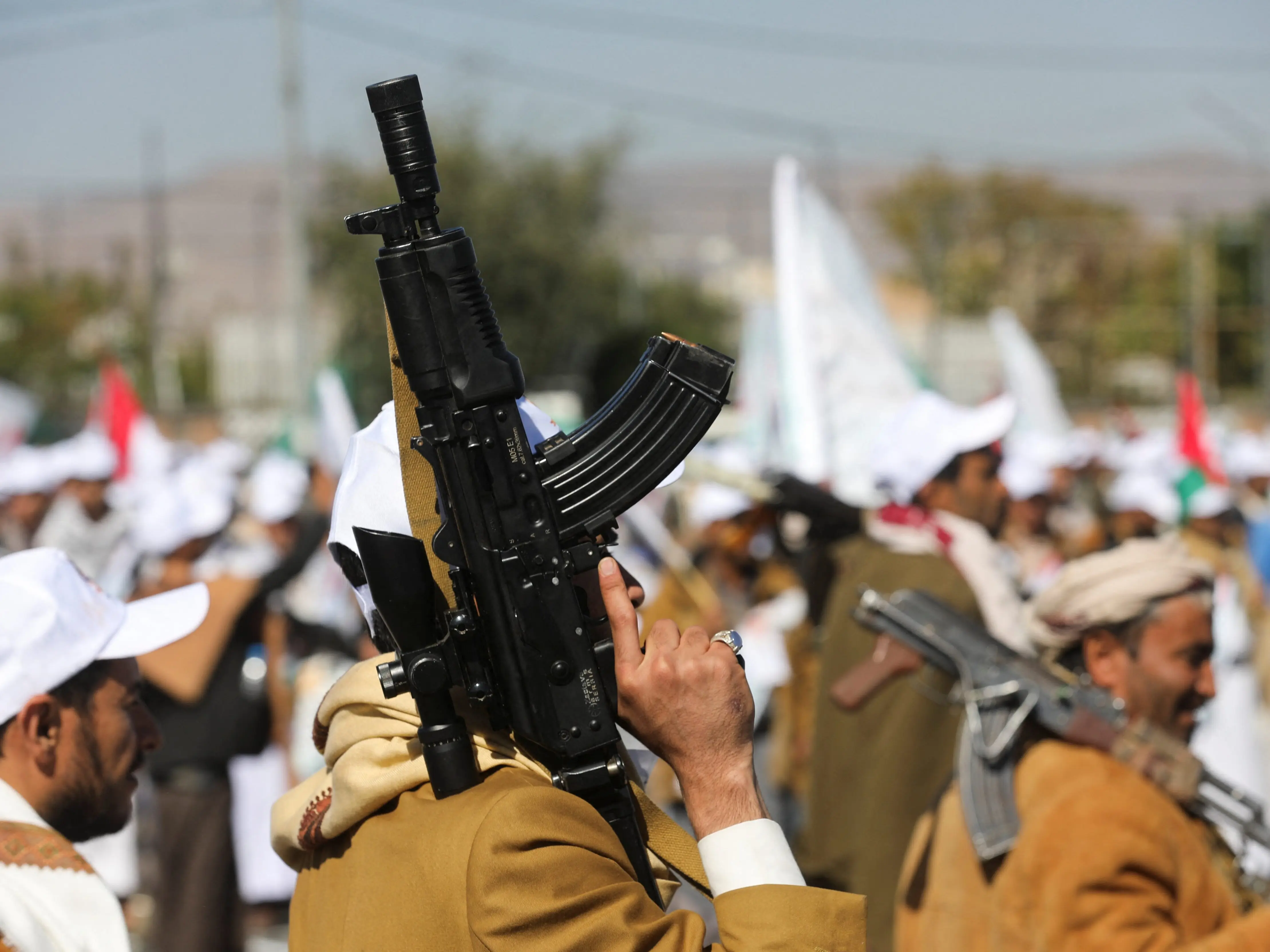
Houthi-linked dealers sell US-made arms with labels 'death of America, Israel' on WhatsApp Photograph: (Reuters)
The Houthi militants in Yemen have been using social media platforms to sell arms and ammunitions on X and WhatsApp, out of which, some were made in the US. However, it is a violation of social media policies.
In a shocking move, the Houthi militants in Yemen have been using X and Meta platforms, including WhatsApp, to traffic weapons in an apparent violation of social media norms and policies, according to a report by the Washington, DC-based Tech Transparency Project (TTP). Some of those weapons that were being sold on social media platforms were made in the US.
The Houthis, an Iran-backed group of rebels, are designated as a terrorist organisation by the US, Canada and several other countries.
The report stated that Houthi-affiliated arms dealers have been openly operating commercial weapon stores for months and, in some cases, for years, on both platforms.
According to the report, the 130 Yemen-based X accounts and 67 WhatsApp business accounts identified by TTP offered high-powered rifles, grenade launchers and other military equipment for sale.
While some of the weapons were even labelled with "Property of US Govt" as well as other western military weapons that were stamped with "NATO".
Some of the rifles were sold for as much as $10,000; however, it did not mention the arms dealers' customers.
Trending Stories
)
)
)
)
)
&im=FitAndFill=(700,400))
)
)
)
)
)
)
)
)
)
)
)
)
)
)
)
)
)
)
)
)
)
&im=FitAndFill=(700,400))
)
)
)
Director of TTP, Katie Paul, stressed that X and WhatsApp both have policies against weapons sales; however, it allow arms traders linked to a US-designated terrorist group to traffic weapons on their platforms.
"In some cases, these companies may be profiting off violations of their own policies that create risks for US national security," she added.
Most of these accounts' location was Sana'a, the Houthi-controlled capital of Yemen. While others sold weapons in containers marked with the Houthi logo, which read, "God is great, death to America, death to Israel, curse be upon the Jews, victory to Islam”.
Notably, X restricts use of its platforms by individuals who "promote [terrorist organisations’] illicit activities”, and says it does not allow terrorist groups to use its premium services.
