Nepal to get hit by another deadly flood? Experts warn of second ‘wall of water’

&imwidth=600&imheight=450&format=webp&quality=medium "Nepal to get hit by another deadly flood? Experts warn of second ‘wall of water’")
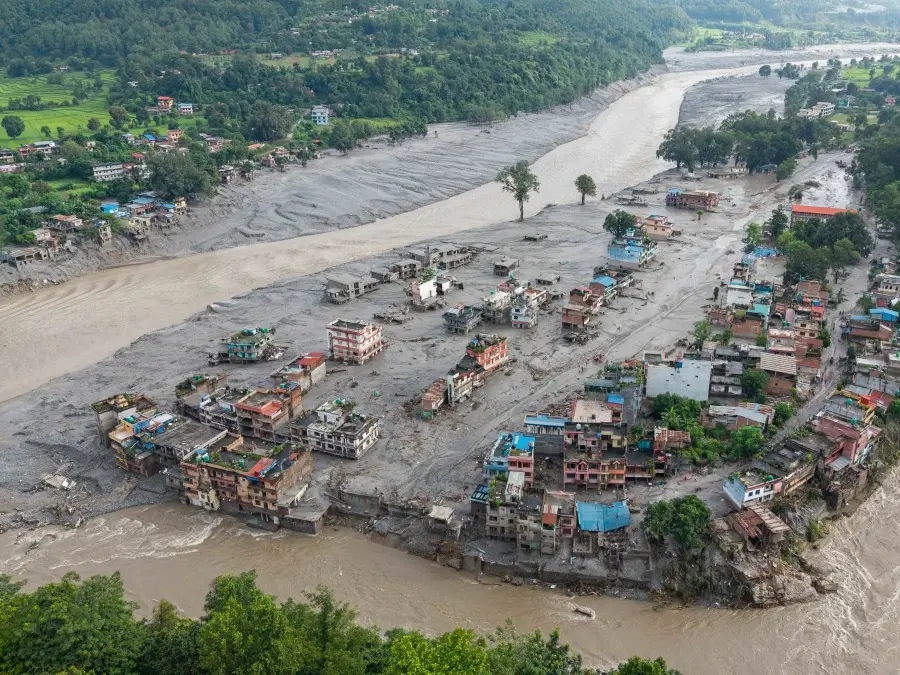
An aerial view shows houses lying deluged in sludge after flash floods at Devighat, Bidur Municipality in Nepal's Nuwakot district on August 27, 2026. Photograph: (AFP)
Nepal’s deadly flash floods have killed over 165 people, but experts fear a second surge could strike as unstable debris dams upstream threaten to unleash another wall of water.
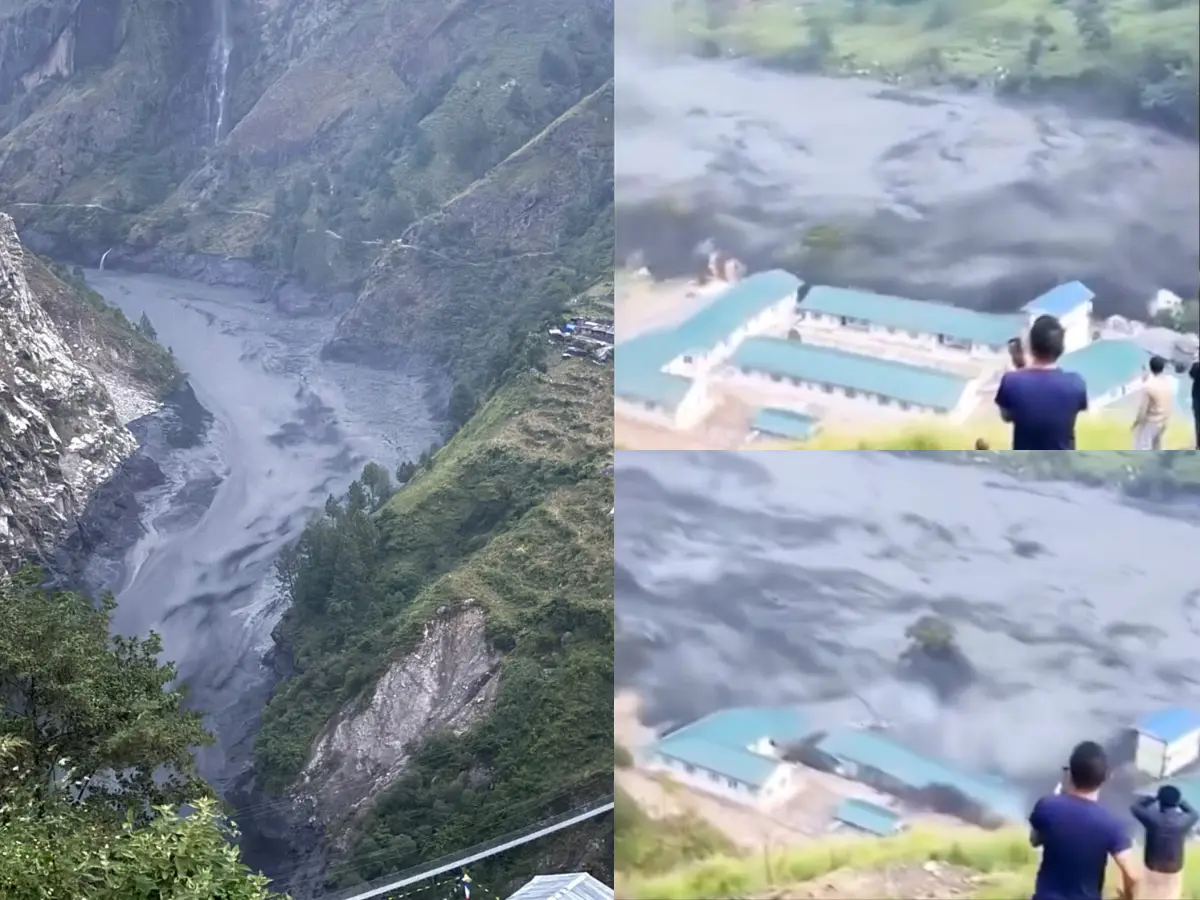
Nepal was struck by a deadly disaster on Wednesday (Aug 26) after flash floods swallowed communities near the Tibetan border, resulting in widespread loss of life and damage to infrastructure. More than 165 people were killed in the catastrophic event, while hundreds of others still remain missing as rescuers race to save survivors. However, the nightmare may not be over yet for Nepal as experts warn of a second possible flash flood.
The flood, which swept through the transboundary Lhende Khola and Bhote Koshi river systems in Rasuwa district, is suspected to have been caused by a massive ice-rock avalanche or a Glacial Lake Outburst Flood (GLOF) on the Tibetan side. Concerns have been raised that the debris left behind by the initial disaster could trigger another violent surge. As ice, mud and boulders crashed through narrow mountain valleys, they may have blocked sections of the river, creating unstable temporary dams.
If water continues to build behind those blockages, their collapse could unleash another sudden “wall of water” downstream. The terrain offers little room for error. Deep Himalayan gorges can funnel floodwaters into narrow channels, dramatically increasing their speed and destructive force. The first surge also carried a huge load of sediment and boulders, creating powerful mudflows capable of ripping apart bridges and sweeping away heavy machinery.
Rescue operations are being complicated by the same landscape. Helicopters face severe weather and difficult high-altitude conditions, while unstable water levels and thick sediment make landing increasingly risky.
The flood struck near the Gyirong Port border crossing, destroying infrastructure and cutting power and communication links. Hundreds of travellers remain unaccounted for, including Indian pilgrims travelling towards the Kailash Mansarovar Yatra.
Nepal’s Army, Armed Police Force and specialised teams are using drones, sniffer dogs and satellite equipment to search for survivors stranded on high ground.
Trending Stories
&imwidth=280&imheight=210&format=webp&quality=medium)
&im=FitAndFill=(700,400)&imwidth=280&imheight=210&format=webp&quality=medium)
&im=FitAndFill=(700,400)&imwidth=280&imheight=210&format=webp&quality=medium)
&imwidth=280&imheight=210&format=webp&quality=medium)
&imwidth=280&imheight=210&format=webp&quality=medium)
&im=FitAndFill=(700,400)&imwidth=280&imheight=210&format=webp&quality=medium)
&imwidth=280&imheight=210&format=webp&quality=medium)
&imwidth=280&imheight=210&format=webp&quality=medium)
&imwidth=280&imheight=210&format=webp&quality=medium)
&imwidth=280&imheight=210&format=webp&quality=medium)
&im=FitAndFill=(700,400)&imwidth=280&imheight=210&format=webp&quality=medium)
&imwidth=280&imheight=210&format=webp&quality=medium)
&imwidth=280&imheight=210&format=webp&quality=medium)
&imwidth=280&imheight=210&format=webp&quality=medium)
&imwidth=280&imheight=210&format=webp&quality=medium)
&imwidth=280&imheight=210&format=webp&quality=medium)
&imwidth=280&imheight=210&format=webp&quality=medium)
&imwidth=280&imheight=210&format=webp&quality=medium)
&imwidth=280&imheight=210&format=webp&quality=medium)
&imwidth=280&imheight=210&format=webp&quality=medium)
&imwidth=280&imheight=210&format=webp&quality=medium)
&imwidth=280&imheight=210&format=webp&quality=medium)
&imwidth=280&imheight=210&format=webp&quality=medium)
&imwidth=280&imheight=210&format=webp&quality=medium)
&imwidth=280&imheight=210&format=webp&quality=medium)
&imwidth=280&imheight=210&format=webp&quality=medium)
&imwidth=280&imheight=210&format=webp&quality=medium)
&imwidth=280&imheight=210&format=webp&quality=medium)
&imwidth=280&imheight=210&format=webp&quality=medium)
&imwidth=280&imheight=210&format=webp&quality=medium)
&imwidth=280&imheight=210&format=webp&quality=medium)
&imwidth=280&imheight=210&format=webp&quality=medium)
&imwidth=280&imheight=210&format=webp&quality=medium)
&imwidth=280&imheight=210&format=webp&quality=medium)
&imwidth=280&imheight=210&format=webp&quality=medium)
&imwidth=280&imheight=210&format=webp&quality=medium)
&imwidth=280&imheight=210&format=webp&quality=medium)
&imwidth=280&imheight=210&format=webp&quality=medium)
&imwidth=280&imheight=210&format=webp&quality=medium)
&imwidth=280&imheight=210&format=webp&quality=medium)
&imwidth=280&imheight=210&format=webp&quality=medium)
&imwidth=280&imheight=210&format=webp&quality=medium)
&imwidth=280&imheight=210&format=webp&quality=medium)
But the threat does not end at the border. The Bhote Koshi flows into the Trishuli and Narayani river systems, putting authorities in northern Bihar and Uttar Pradesh on alert.
For rescuers, the clock is ticking. The Himalayas may still have another surge to send downstream.

