Food shortages, suicide attempts and more: USS Abraham Lincoln returns to US after 321 day deployment — What happened aboard the US carrier?

The USS Abraham Lincoln has returned to San Diego after an extended deployment supporting the US war on Iran. Behind emotional reunions were reports of food shortages, eight suicide attempts, communication difficulties and mounting concerns over the toll of months at sea. All you need to know
231 days at sea: USS Lincoln deployment controversy explained
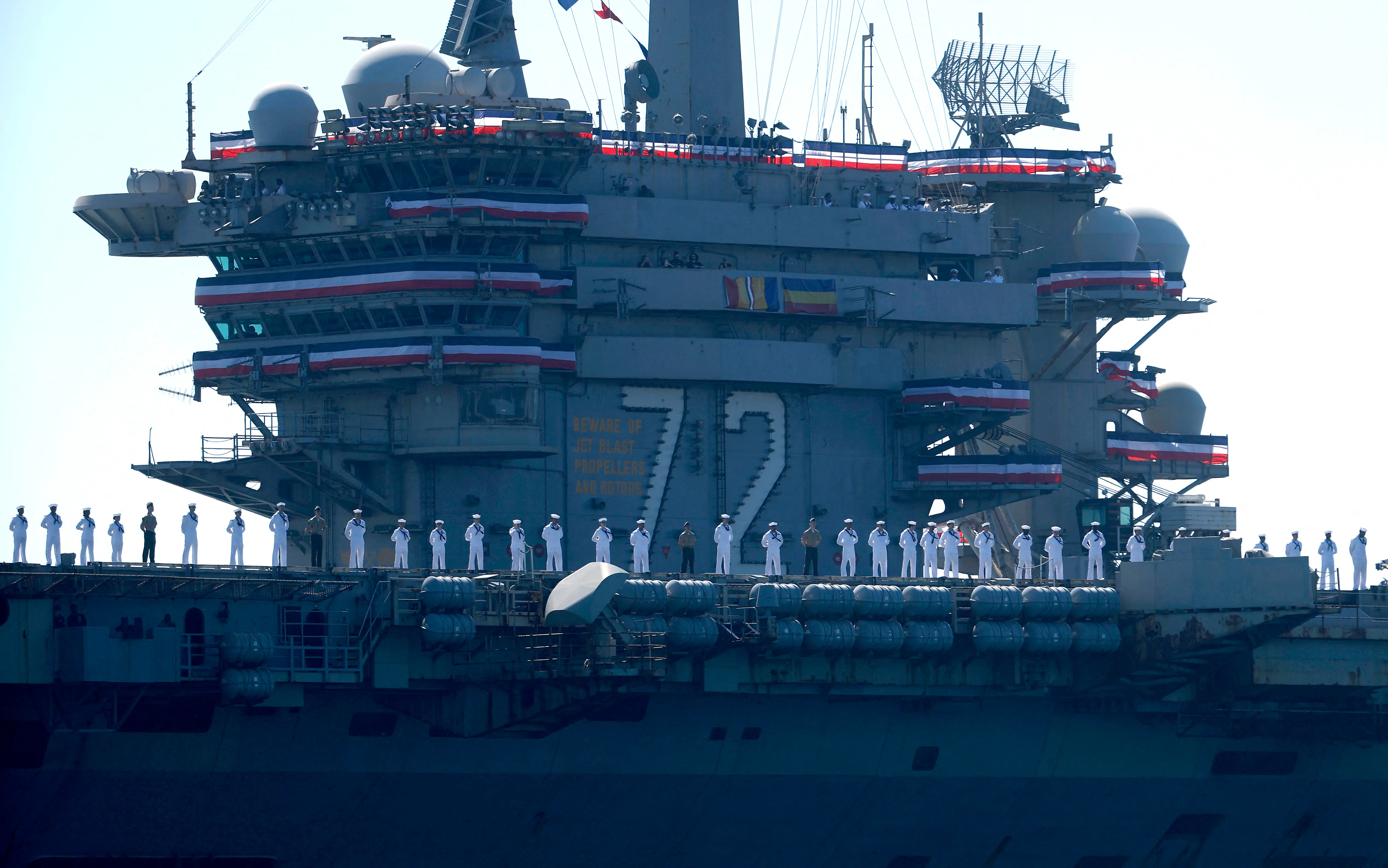
Thousands of emotional reunions unfolded in San Diego as the USS Abraham Lincoln (CVN-72) returned to its home port after an extended deployment that placed its crew at the centre of the US war on Iran. Behind the celebrations, however, were months of concern over sailors' mental health, reports of food shortages, limited contact with families and questions about how long the carrier strike group could remain at sea.
The nuclear-powered aircraft carrier had left California in November 2025 for duty in the South China Sea before being redirected to the Middle East ahead of US-Israeli attacks on Iran in late February 2026. Its deployment became a political flashpoint after military families and lawmakers raised concerns about conditions aboard the ship.
Here is the USS Abraham Lincoln deployment controversy explained:

Deployment stretched far beyond expectations
The USS Abraham Lincoln departed California in November 2025, initially assigned to operations in the South China Sea. It was later redirected to the Middle East as tensions with Iran escalated and the US joined Israel in military action against Tehran in late February 2026.
The carrier remained at sea for an extended period, making a port call in Thailand in early September. Now, it has returned to San Diego after a deployment lasting about 11 months, or 321 days.
The prolonged mission kept sailors away from their families for much longer than many had expected. For relatives waiting in California, the return was an emotional moment, particularly for parents meeting babies born while they were deployed.
Eight reported suicide attempts
The most serious concerns involved the mental health and welfare of personnel assigned to the carrier strike group.
In August, military families and lawmakers raised alarms about reported suicide attempts during the prolonged deployment. The Trump administration subsequently acknowledged in a letter to a lawmaker that there had been eight suicide attempts among US service members assigned to the Lincoln carrier strike group.
"Since the beginning of Lincoln's deployment, there have been a total of eight suicide attempts across the strike group," said the letter from the Navy Secretary, the service's top civilian official.
"There have been no suicides onboard during this deployment," added Acting Navy Secretary Hung Cao's letter.
It described one incident in which a sailor assigned to an air wing went overboard in early August and was quickly recovered. In another incident in March, a sailor attempted to go overboard but was stopped by fellow crew members.
The incidents intensified questions about the pressures facing personnel during a long combat deployment.

Food shortages and shrinking meal options
Concerns about food aboard multiple US carriers became one of the biggest controversies.
In April, families of deployed personnel described meals they believed were inadequate. Images, reportedly from Abraham Lincoln, showed a limited portion of vegetables alongside processed meat, as meals were rationed.
Relatives also said fresh produce was no longer available and that provisions were running low.
The administration later acknowledged that food supplies aboard the Lincoln were adequate overall. Still, it said limited opportunities to resupply during combat had temporarily reduced the number of main-course options from two to one.
Staying in touch with families became difficult
For relatives waiting at home, communication with deployed sailors was another source of frustration.
Alba Solano, whose partner was aboard the carrier, told AFP that the family relied largely on emails and occasional text messages. Phone calls were unreliable, and video calls often suffered from technical problems.
“We heard from him through e-mails... we were able to text here and there. Phone calls were terrible. It never worked,” she said.
A stop in Thailand in early September gave the family a rare opportunity for a clear conversation. For families, long gaps between reliable calls added to the strain of waiting for loved ones to return.
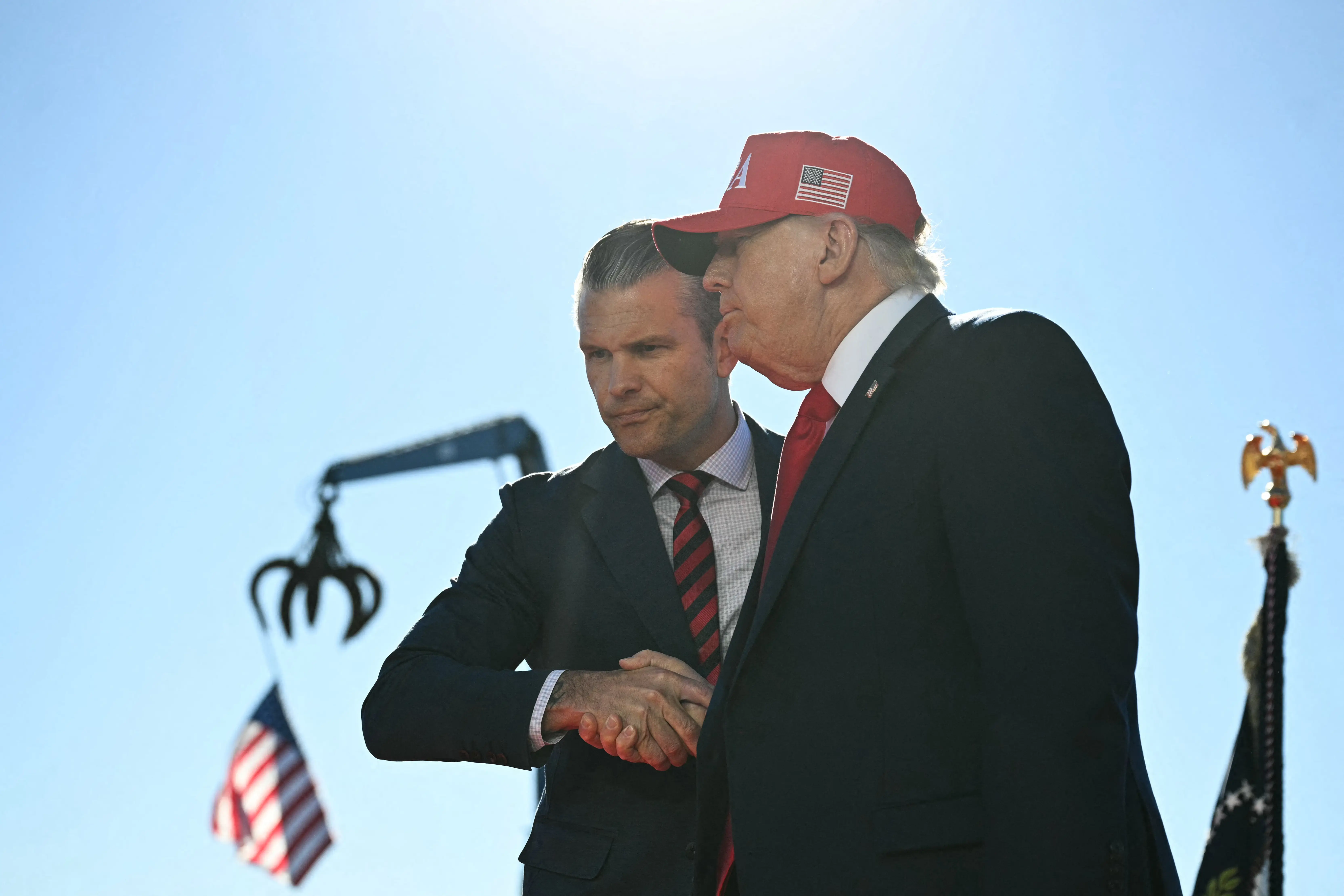
Trump and Hegseth's rejection of criticism of conditions aboard USS Lincoln
Reports about food supplies, morale and suicide attempts became a political problem for the Trump administration as it defended the war against Iran.
Lashing out at news media for critical reporting on the war on Iran, Trump had called the reporting about the USS Lincoln “fake news”.
“The Lincoln has been out there for a period of time, a good period of time,” he said at an Oval Office meeting on August 17. “I know people on the Lincoln, and they say it’s beautifully maintained and beautifully taken care of.”
Meanwhile, Defence Secretary Pete Hegseth argued that the situation aboard the carrier had been misrepresented.
Ahead of the ship's return, Hegseth boarded the Lincoln and praised its crew for their role in the military campaign. “What the USS Abraham Lincoln carrier strike group did, no other carrier strike group has ever done,” he told sailors.
Hegseth cited 10,000 sorties, 23,000 combat flight hours and nearly 4,000 combat sorties. He also announced a Presidential Unit Citation for what he described as the strike group's “extraordinary heroism against enemy forces”.
On Wednesday, he criticised media coverage that had portrayed the carrier as a symbol of dysfunction, low morale or a failed mission. “The only reaction the American people and the American media should have is pride,” he said.
Rust Bucket 'USS Lincoln'
The USS Abraham Lincoln's arrived at its home port of San Diego on October 8, 2026, looking heavily weathered and covered in extensive rust from bow to stern.
Previously, in September 2026, photos and videos of the 1,100-foot Nimitz-class carrier had sparked massive debate online, with critics labelling it a "rust bucket", while military experts countered that the cosmetic deterioration was an expected byproduct of a punishing, marathon deployment.
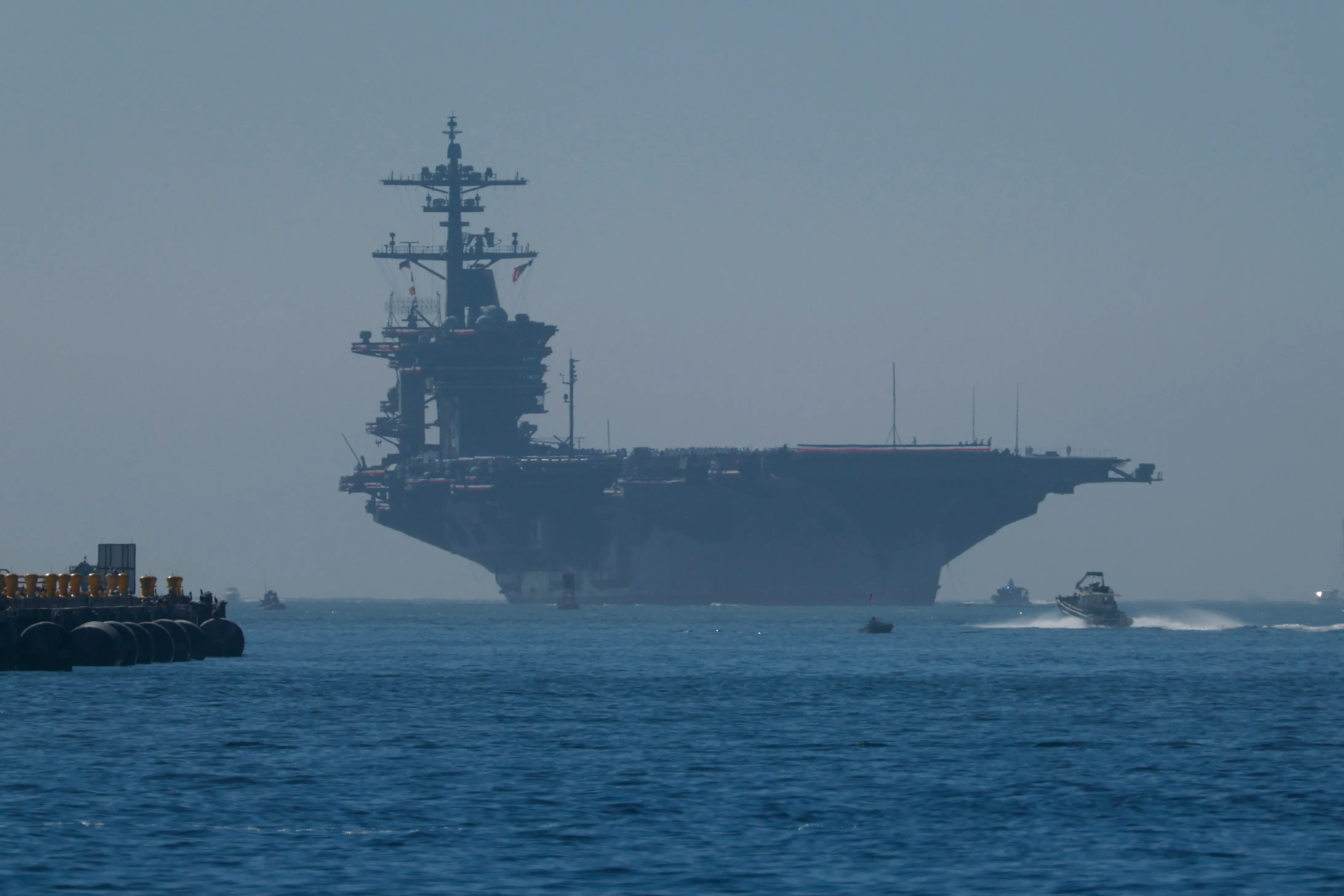
Replacement carrier arrives amid scrutiny mounted
The Lincoln's extended deployment also raised questions about the demands placed on US naval forces during the war. In August, US Central Command announced that the USS George Washington Carrier Strike Group had arrived in the Middle East as part of a scheduled deployment.
The arrival came days after reports about conditions aboard the Lincoln drew renewed attention.
Homecoming brought relief, but questions remain
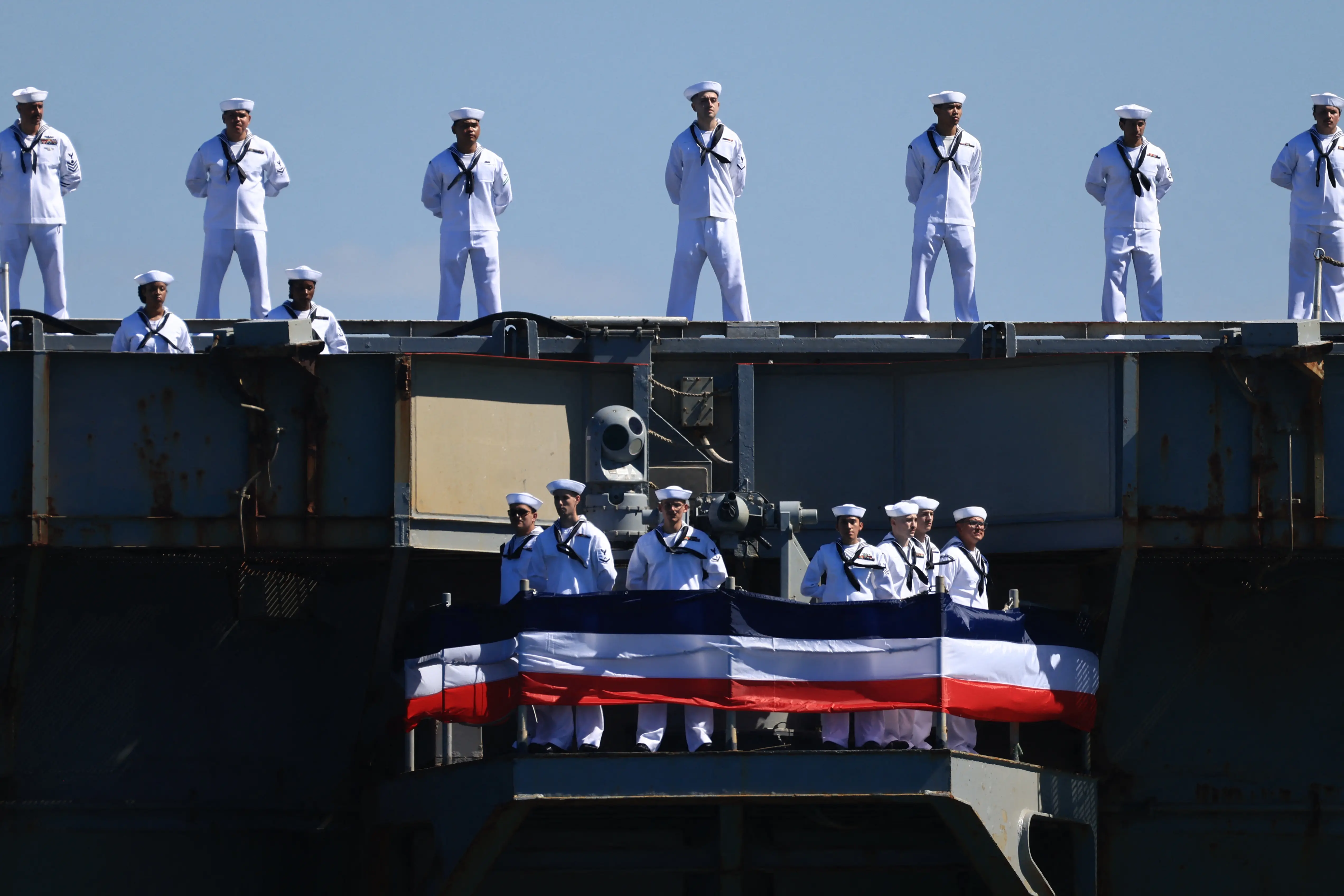
The Lincoln's return to San Diego brought thousands of reunions after nearly a year apart. Families waited for hours along the quayside, while sailors embraced partners and children they had last seen months earlier.
More than 100 new fathers were reportedly meeting their babies for the first time. Others reunited with children who had grown considerably during the deployment.
Patricia Harmon, an Army veteran waiting for her sailor son, said she expected the long mission to have been difficult. “He was there longer than we expected, but that's life in the military,” she told AFP.
Her son's message ahead of the homecoming was brief: “Land!”