&imwidth=800&imheight=600&format=webp&quality=medium "Israel wants to kill Ali Khamenei but he's survived assassination bids in the past. Who wanted Iran Supreme Leader dead? A profile")
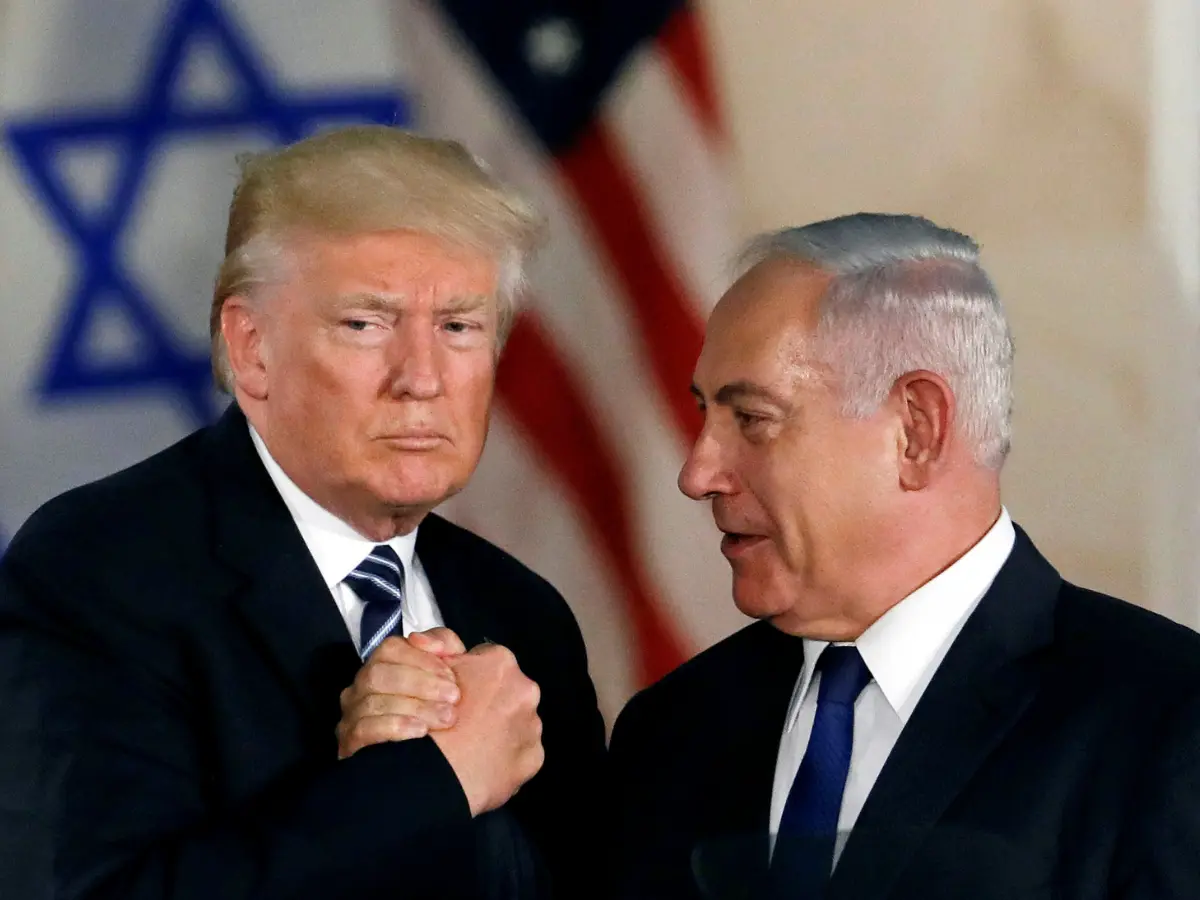
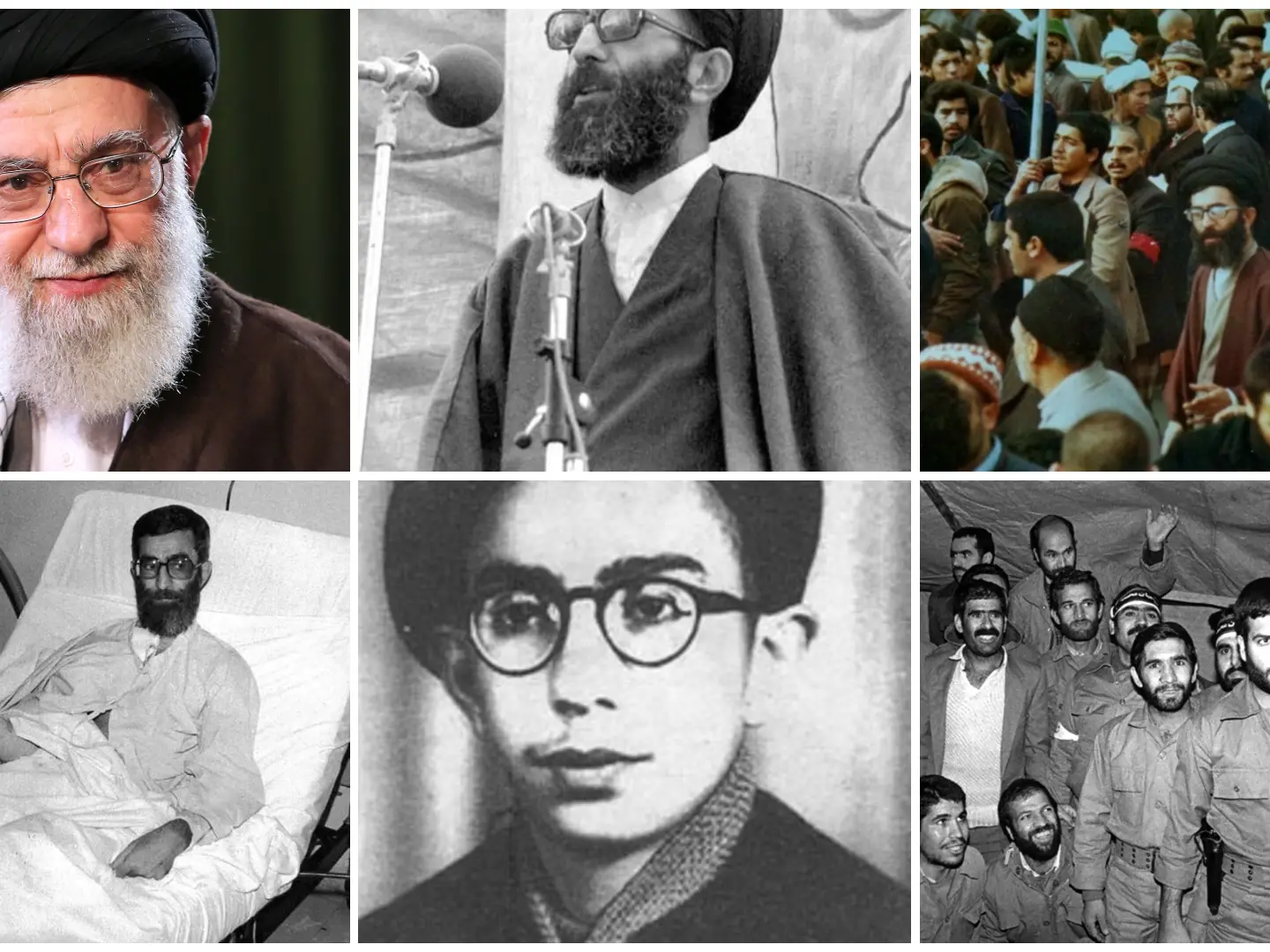
Who is Iran's Supreme Leader Ali Khamenei? In his increasingly rare appearances at Friday sermons, Iran's Supreme Leader Ali Khamenei often kept a loaded gun by his side. The Islamic Republic's 86-year-old leader has good reasons to do so, particularly amid the current war with Israel, whose Prime Minister Benjamin Netanyahu hasn't kept it a secret that he would like Khamenei dead. Often reported to be living in bunkers, Khamenei has survived bids on his life in the past. So, who really is Khamenei? How did he rise to power in Iran? And who all want him dead? Here is a profile:
Ali Khamenei, Iran's second supreme leader
Sayyed Ali Hosseini Khameneihas been the Supreme Leader of Iran since 1989, becoming only the second person to hold that post after the founder of the Islamic Republic, Ruhollah Musavi Khomeini.This means he has been in power for 36 years, making him one of the longest-serving heads of state in present-day world.
Born on April 19, 1939, in Mashhad, Iran, Khamenei is a so-called ‘Grand Ayatollah’. Born into the family of a modest Islamic scholar, Khamenei studied Islamic theology in Qom under prominent scholars, including Ruhollah Khomeini, his mentor.

A political life dotted with protests, arrests, exile
As a young man, Khamenei was active in protests against the Shah dynasty's rule, way back in the 1960s. He was arrested several times, and lived in exile for three years during the Shah's regime.
His humble background, which included studying the religion, has informed his commitment to Islamic governance and his fight against Western influence.
Trending Stories
)
US vs China over South China Sea: Washington backs Philippines, Beijing hits back
)
Outrage erupts after 3-year-old is married to 60-year-old man in Pakistan, link to her sister's murder being probed
)
UK police arrest several under explosives act near air base used by US forces
)
‘Anti-social elements spreading false rumours’: LPU issues statement amid massive unrest over alleged rape
)
LPU students go on rampage, vandalise campus amid widespread protest: What's happening
)
OpenAI AI Agents hacked 4 websites before Hugging Face, researchers reveal
)
US Treasury Secretary Scott Bessent hails global crackdown on Iranian banks and airlines
&im=FitAndFill=(700,400))
New Friday OTT releases (September 25, 2026): Don’t Be Shy, Hunkkaar: The Roar, Mango Pachcha- 6 movies and TV shows on Netflix, Prime Video and more
)
Asian Games 2026: India face Afghanistan in quarterfinal on Sep 28; Pakistan clash with Hong Kong
)
‘Attack on Mecca a red line for Pakistan’: Shehbaz Sharif warns Houthis at UN
)
'Countries far from conflict are penalised': Jaishankar calls for Gulf peace, seafarer safety at UN
)
Bigg Boss 20: Salman Khan schools Rhiti Tiwari over Qazi Touqeer clash, compares her to Dolly Bindra
&im=FitAndFill=(700,400))
Humanoid robots to virtual worlds! Korean sci-fi dramas to watch: Are You Human Too?, Memories of the Alhambra and more
)
IND vs WI 1st ODI: Naman Dhir debuts as India bowl first in Trivandrum; check playing XIs
)
Nations League: Spain sink England at Wembley; Modric shines for Croatia
)
Two men die of suspected chemical exposure inside public toilet in Mumbai
)
Trump-Xi summit wrap: Big pageantry, Iran talks, few major developments and more meetings planned
)
‘Could kill billions...’: Bill Gates backs calls to slow AI development amid fears of catastrophe
)
Bollywood x K-pop crossover! LE SSERAFIM’s Kazuha charms fans with Shah Rukh Khan’s ‘Chammak Challo’ steps
)
US-Iran war: Trump rejects Iran's Hormuz proposal, reports suggest talks expected next week
)
'What kind of confession is this?': Pakistan PM Shehbaz Sharif’s 'terrorists would be roaming New York' remark goes viral, raises alarm online. Watch
)
Jaishankar at UNGA: Goodwill and friendship can't coexist with terrorism
)
Sri Lankan Tamil migrant worker gets death sentence in Saudi Arabia, help sought from India
)
'FIRST LOOK from inside Noah’s Ark': Researchers share video from inside mysterious mound in Turkey
)
UNSC reform momentum grows: Russia, Portugal, Mauritius push for India's permanent seat bid
)
WATCH | As Shehbaz Sharif claims Pakistan’s ‘victory’ during 2025 conflict, Indian diplomat R Srinivas laughs at UN
)
Ceuta migrant crisis: Protesters take to streets as Spain grapples with migrant challenge
)
Ramayana: Yash’s Ravana gets first official poster from Nitesh Tiwari’s epic
)
'A terrorist country is asking me that question?': Jaishankar hits back at Pakistani journalist at UN; flags attacks on commercial shipping
)
Russia will achieve Ukraine war aims; Europe doing everything to block peace talks: Lavrov at UN
Confidant and inheritor of Khomeini's power
After the establishment of the Islamic Republic following the 1979 Islamic Revolution, Khamenei became a close confidant of Khomeini. He rose through the ranks in the clergy-government nexus of Iran.
Since the Revolution, Khomenei held important posts, such as the deputy defence minister in the provisional revolutionary government. He was also the Supervisor of the Islamic Revolutionary Guards or IRGC and oversaw the parallel military's early operations.
Rise through the ranks: From president to Supreme Leader
In 1980, Khomeini appointed him as Tehran’s Friday Prayers Imam, a key post in Iran with significant religious and political import.
He was elected a parliamentarian in 1980, representing Tehran in the Majlis. A year later, he was elected the President of Iran after the assassination of then president Mohammad Ali Rajai, and went on to serve two terms till 1989.
After the death of Khomeini in 1989, he was elected by the Assembly of Experts as the Supreme Leader of Iran.Thus, the son of a simple Islamic scholar became the ultimate authority over Iran’s political, military, social and religious life.
Over the years, Khamanei served in several other important positions in Iran, including as the
chairman of the Revolution’s Cultural Council, President of the Expediency Council, and Chairman of the Committee for Revision of the Constitution.
Survivor of assassination attempts
Much of the hagiography around Khamenei is about his survival of assassination attempts. While several of the attempts are either unreported or underplayed in Iran, two of them stand out.
Perhaps the most prominent is the bid on his life in 1981.
The Friday prayer bomb attack
On 27 June 1981, Khamenei was at a Friday sermon at Abuzar Mosque in Tehran when a bomb exploded near him.
The bomb, hidden in a tape recorder, severely injured Khamenei, leaving him permanently paralysed in his right arm. The blast also damaged his vocal cords and lungs.
After months in the hospital, Khamenei came back to the limelight. The assassination attempt and survival made him almost a demigod for his supporters.
Attack at Tehran University
An almost similar attack took place on 15 March 1985 in Tehran University, again during Friday prayers. This time, it was a suicide bomber.
Khamenei, who was president at the time, escaped unharmed, even as several people died in the blast.
Khamenei continued in office, but this time, he began a crackdown on opposition groups.
There have been other reported attempts on the life of Khamenei, including a drone attack in 2022.
Who all wanted him dead?
The opposition group Mojahedin-e Khalq or MEK was the 1981 attack perpetrators, according to Iran’s official narrative.
For the 1985 attack, no group has been named officially, but the needle of suspicion still pointed to MEK.
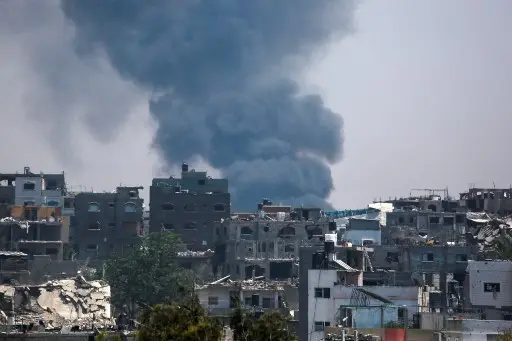
Over the past two decades, Israel has been among the main adversaries who wanted Khamenei dead. In the first hours of its attacks on Iran this month, Israel reportedly targeted Khamenei's residence or nearby areas.
He is reportedly sheltering in a bunker. And Israel is closing in. Iran’s military leaders and Khamenei's top advisor Ali Shamkhani are among those killed in Israel’s initial wave of airstrikes on June 13.
With several top names in his inner circle gone, Khamenei, one of the longest-serving leaders of West Asia, is looking more vulnerable than ever.
But will he weather this storm too? Watch this space.