Can an S-400 operate in the desert?

The S-400 is engineered to operate flawlessly in deserts, functioning in extreme temperatures up to 50 degrees Celsius. Featuring heavy-duty cooling systems, sand filters, and central tyre inflation, the mobile battery dominates arid battlefields.
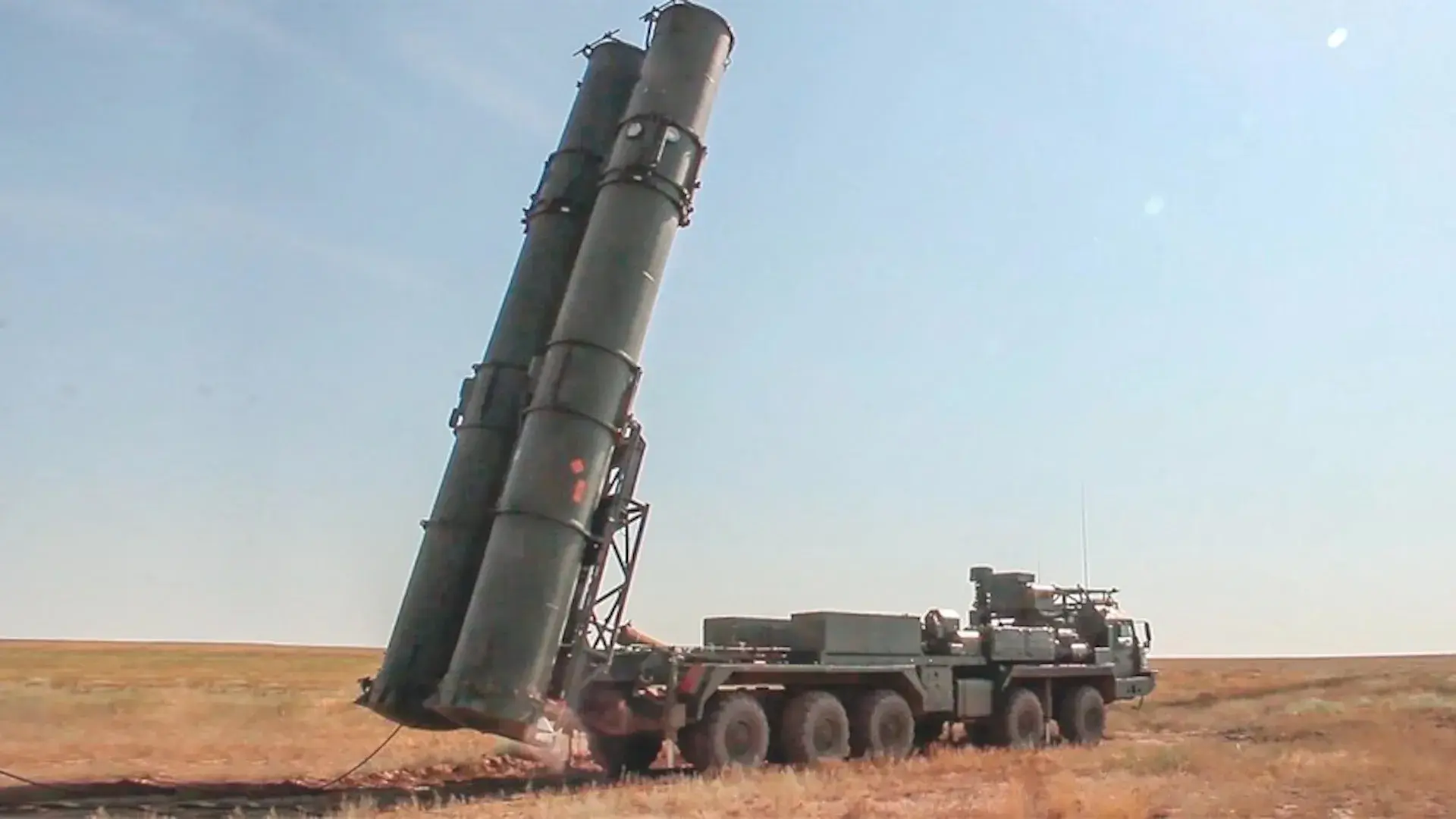
Extreme Temperature Tolerance
The Russian S-400 Triumf is officially engineered to operate in the world's most punishing climates. According to military specifications, the entire air defence system functions flawlessly in extreme temperature ranges, from negative 50 degrees to a blistering positive 50 degrees Celsius.
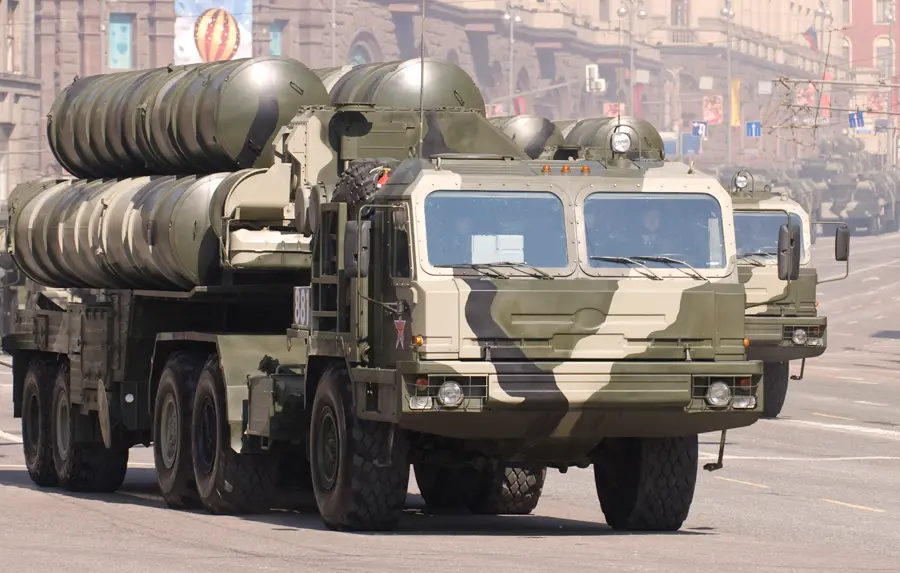
Dominating the Dunes
Operating massive military vehicles in the desert requires specialised mobility systems. The S-400's 8x8 heavy transporter trucks feature central tyre inflation technology, allowing crews to instantly adjust tyre pressure to maintain traction in deep, shifting desert sand.
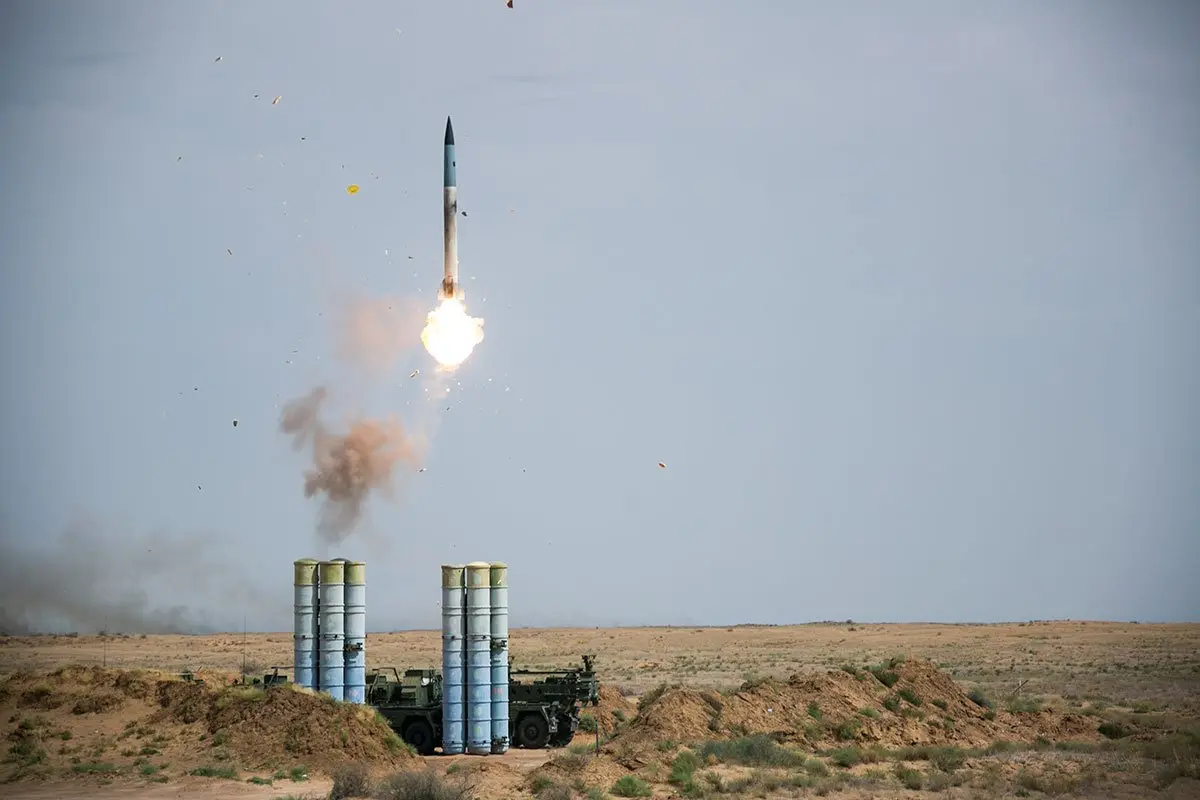
Cooling the Radars
Scanning a 600-kilometre radius requires the 91N6E panoramic radar to generate immense amounts of electromagnetic energy. To prevent these sensitive phased-array electronics from overheating in a 50-degree desert, the system utilises heavy-duty military-grade air conditioning and liquid cooling units.
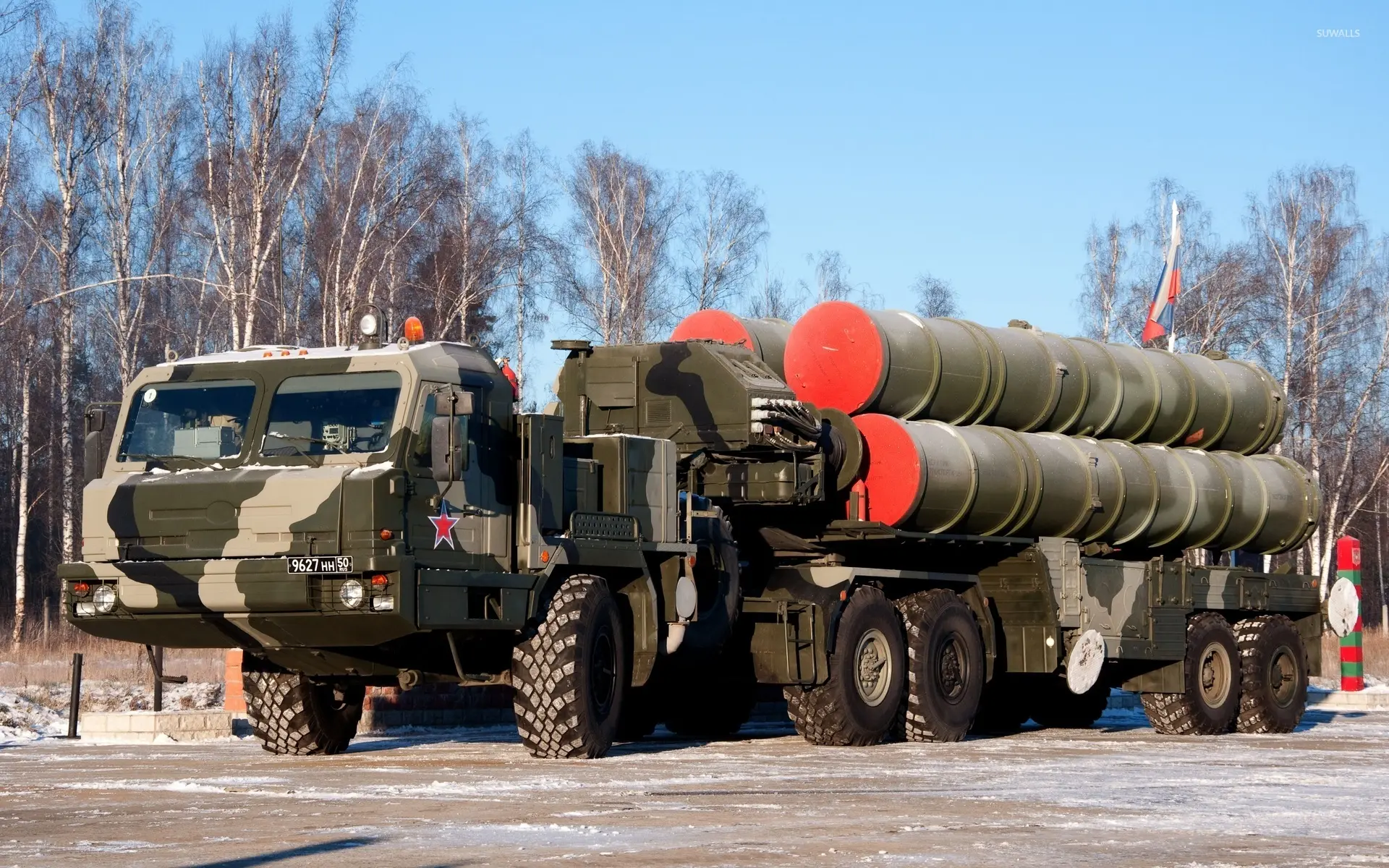
Beating the Dust
In arid environments, abrasive blowing sand can rapidly destroy diesel engines and jam delicate hydraulic launchers. The S-400 combats this threat using advanced multi-stage air filtration systems and specialised environmental seals that completely block microscopic dust particles.
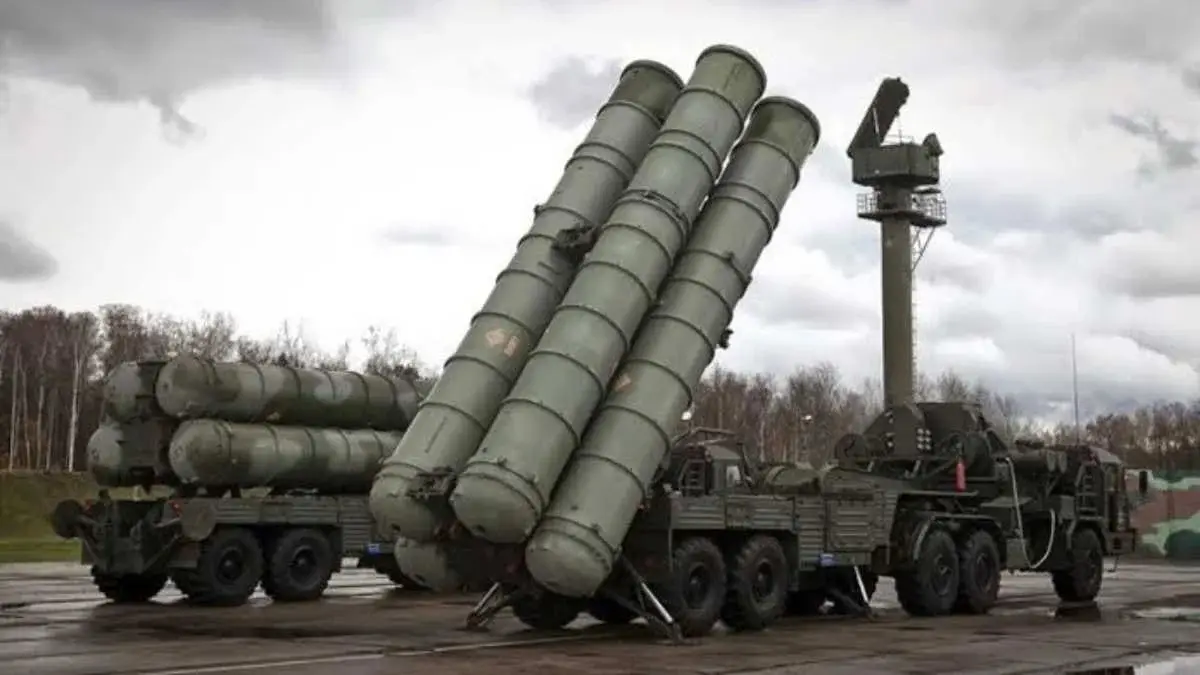
The Abrasive Armour
To protect the USD 1.25 billion battery from constant sandblasting, the hardware receives highly specialised surface treatments. The trucks and launch tubes are coated with expensive, heavy-duty paints designed specifically to resist abrasive weather erosion and maintain operational integrity.
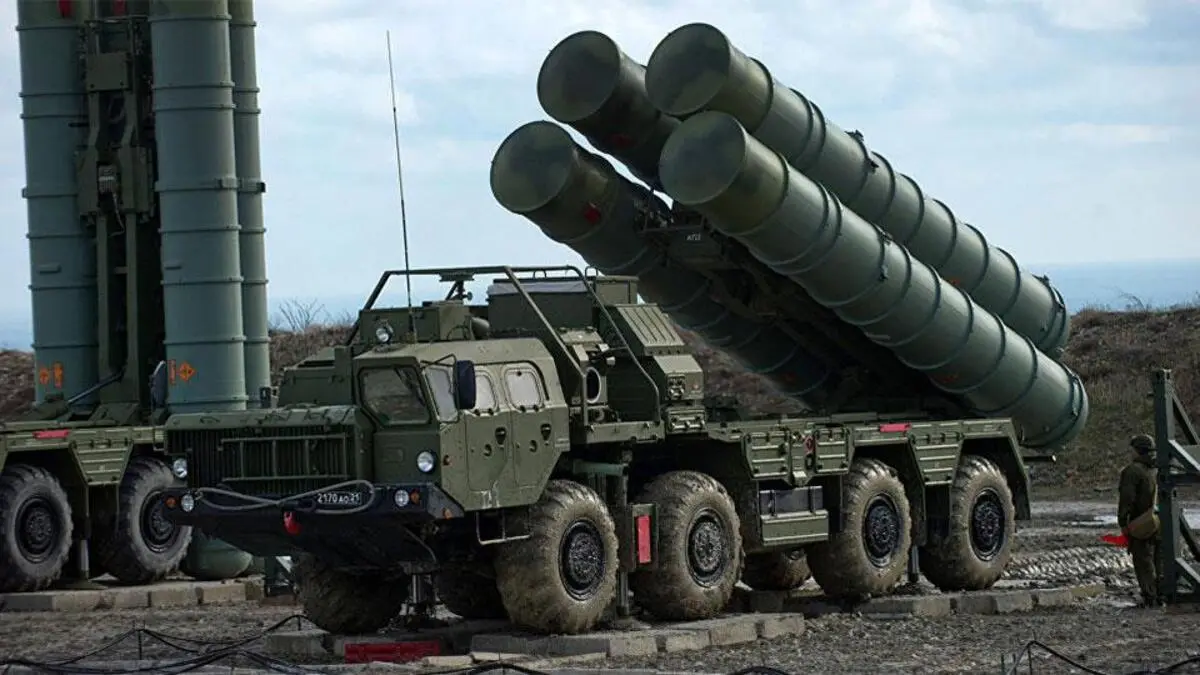
Desert Camouflage
Because the flat desert landscape offers virtually no natural cover, a stationary S-400 battery is highly vulnerable to satellite detection. To mitigate this, crews drape the massive vehicles in advanced camouflage netting that disrupts both visual and thermal signatures.
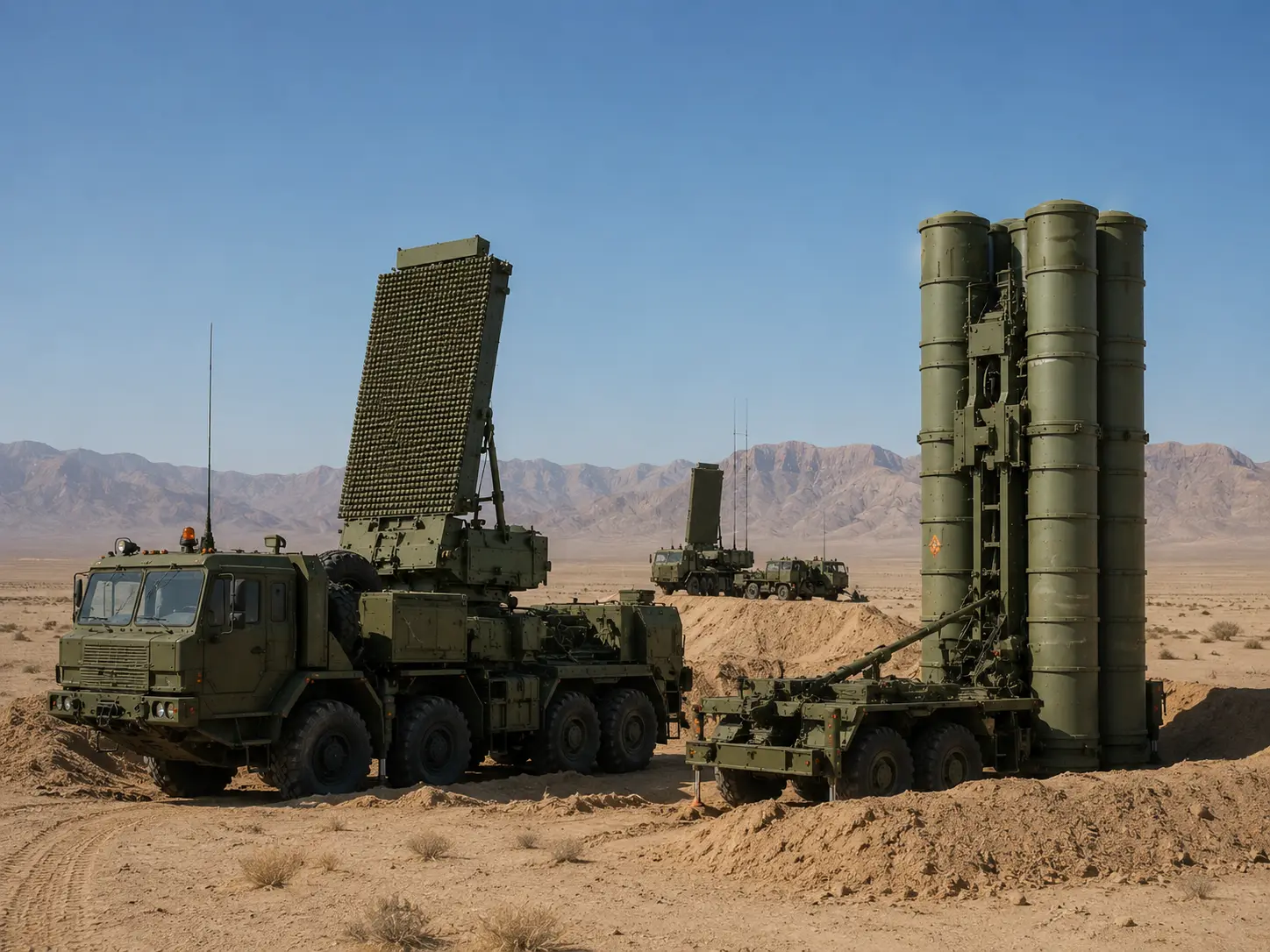
Shoot and Scoot Tactics
Without mountains or forests to hide behind, the system's survival in the desert relies entirely on speed. A trained crew can deploy the battery into combat mode, fire its Mach 14 interceptor missiles, and relocate to a new dune in under five minutes.
)
)
)
)
)