Top 10 countries in mathematics: See the world’s best performers in 2026

The latest PISA results, which test 15-year-olds across 91 countries and economies, put East Asia far ahead. Here are the top 10 countries by average math score.
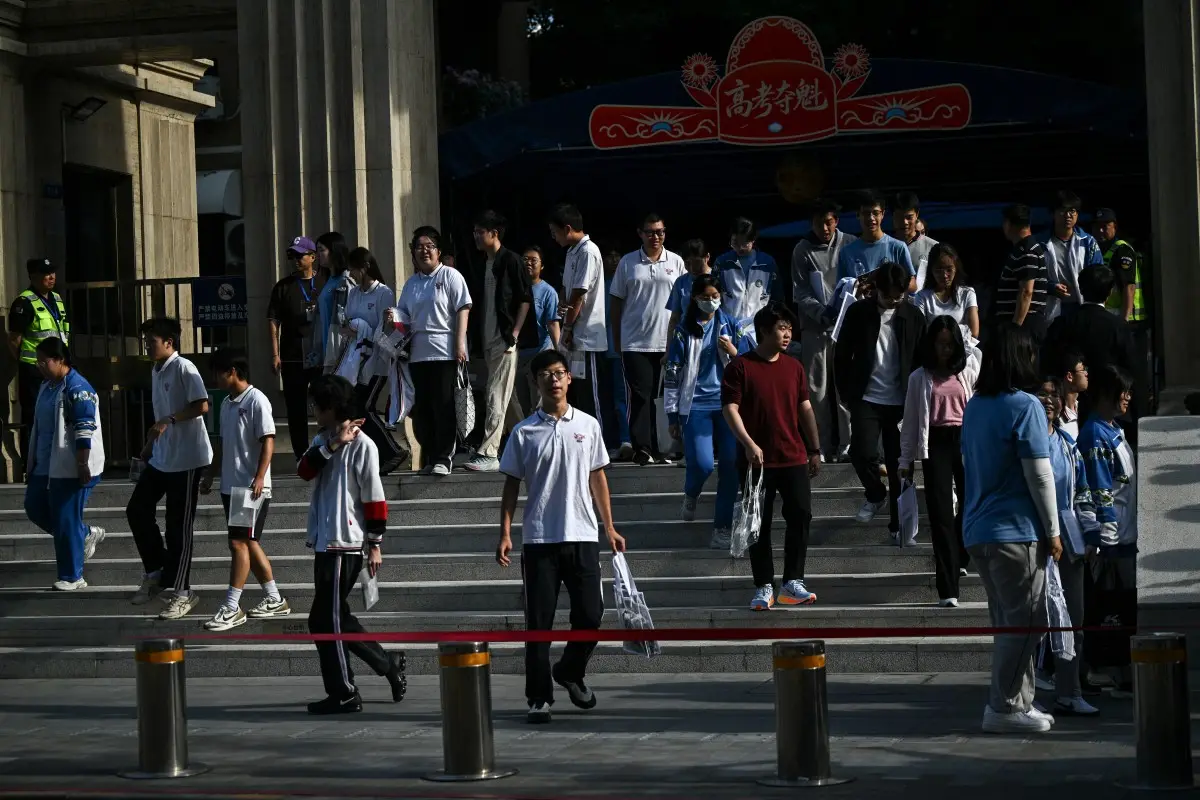
China
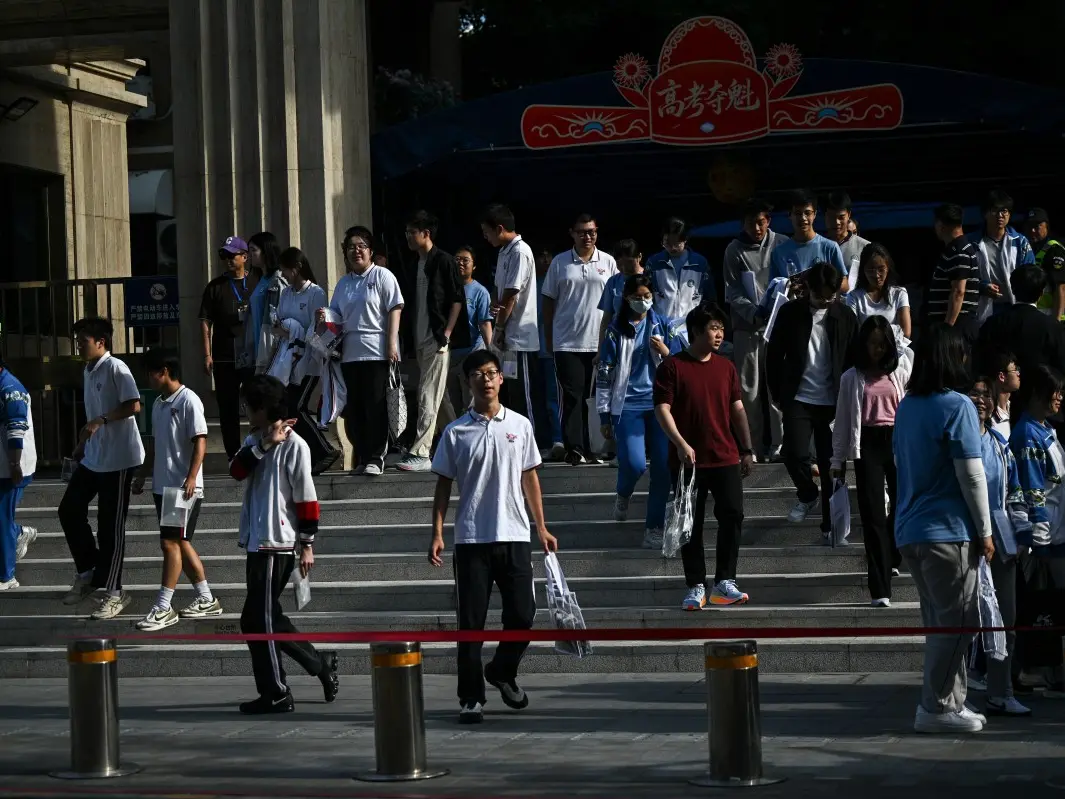
China leads by a wide margin with an average score of 612, almost 150 points above the OECD average. The score comes from four jurisdictions: Beijing, Shanghai, Jiangsu and Zhejiang, not the whole country. China's lead is deeply rooted in a unique cultural ecosystem. Math education in China is treated with the structural seriousness of a professional sport, for example, basketball in the US and football in Europe.
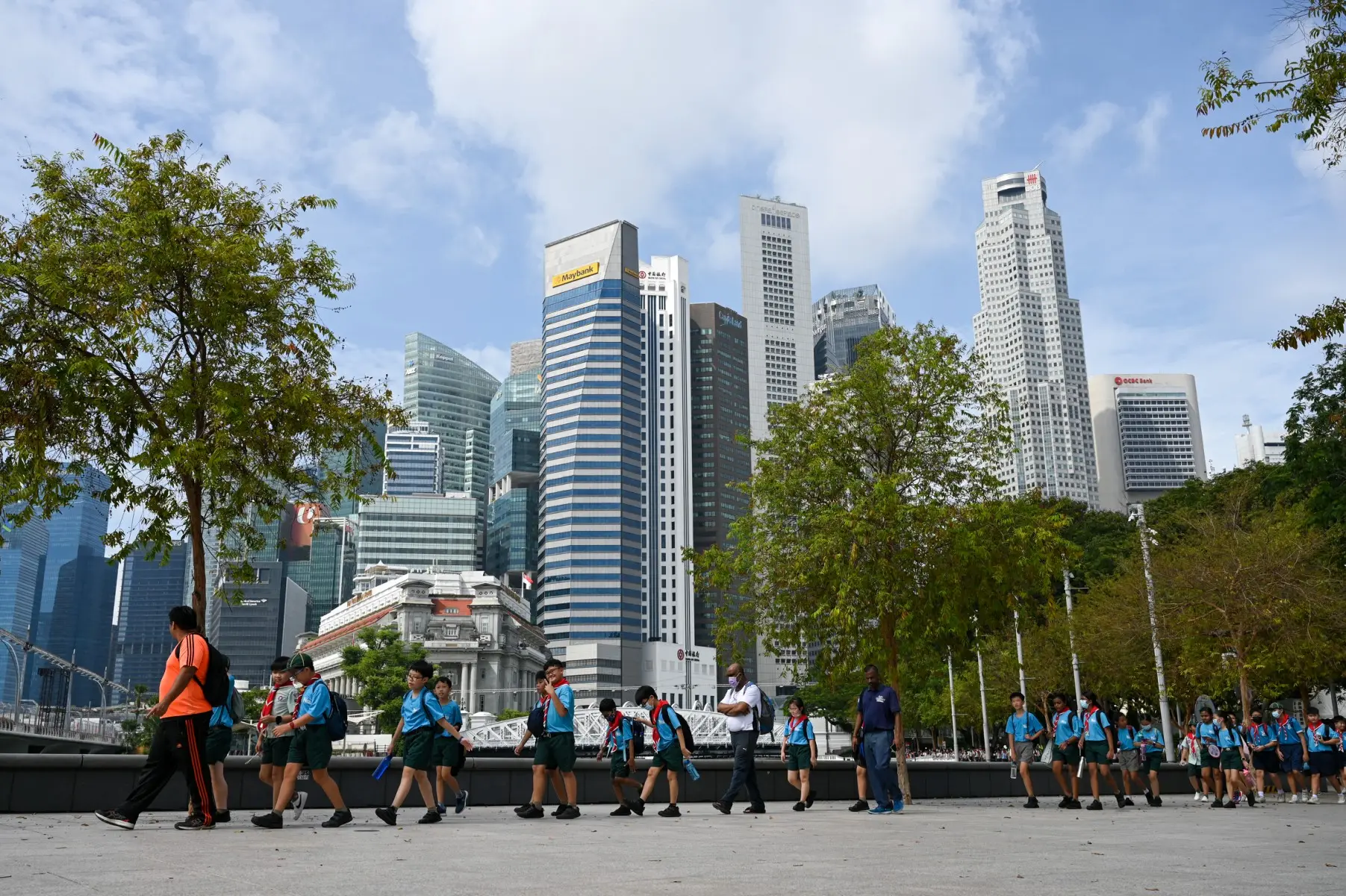
Singapore
Singapore is a clear second, but 49 points behind China. A big gap between first and second, though it shares the same Confucian heritage of effort-driven success as China. Singapore is still far ahead of everyone outside East Asia. It has a unique Primary School Leaving Examination at age 12, which features complex logic puzzles that regularly go viral globally. A child's score in this exam determines their secondary school tracking and is tied directly to future success.
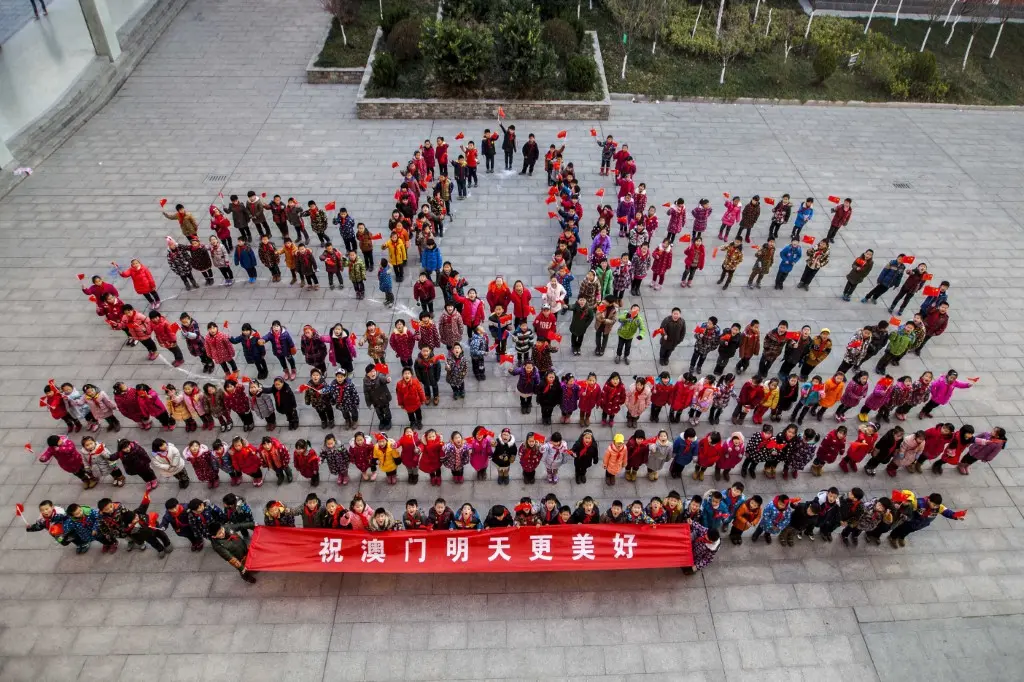
Macao
This small territory ranks third, with an average PISA score of 549. It shows that strong math results are not limited to large, wealthy countries. Technically, two of the top global performers, mainland China and Macao, are legally and culturally part of China. Macao operate with complete autonomy over its internal affairs, which includes having entirely independent school systems, funding models, and curricula separate from Beijing.

Taiwan
Taiwan ranked fourth globally in mathematics in the PISA 2025 assessment, scoring an incredible 546 points. Tested under the designation "Chinese Taipei" by the OECD. Taiwan is the global epicentre of semiconductor chip manufacturing; the nation understands that its economic survival depends on producing elite engineers, computer scientists, and mathematicians.

Japan
Despite its traumatic history, Japan is one of the most resilient nations in the world had recovered miraculously since the devastation of WW2. It continues to rank higher in almost all aspects: economy, polity and a high standard of living. Japan's pedagogy is unlike the high-stakes, exam-driven pedagogy of the Sino-centric model; it relies on a “relaxed” approach. It ranks fifth; there is a 21-point drop from Taiwan, though Japan is still over 60 points above the OECD average.
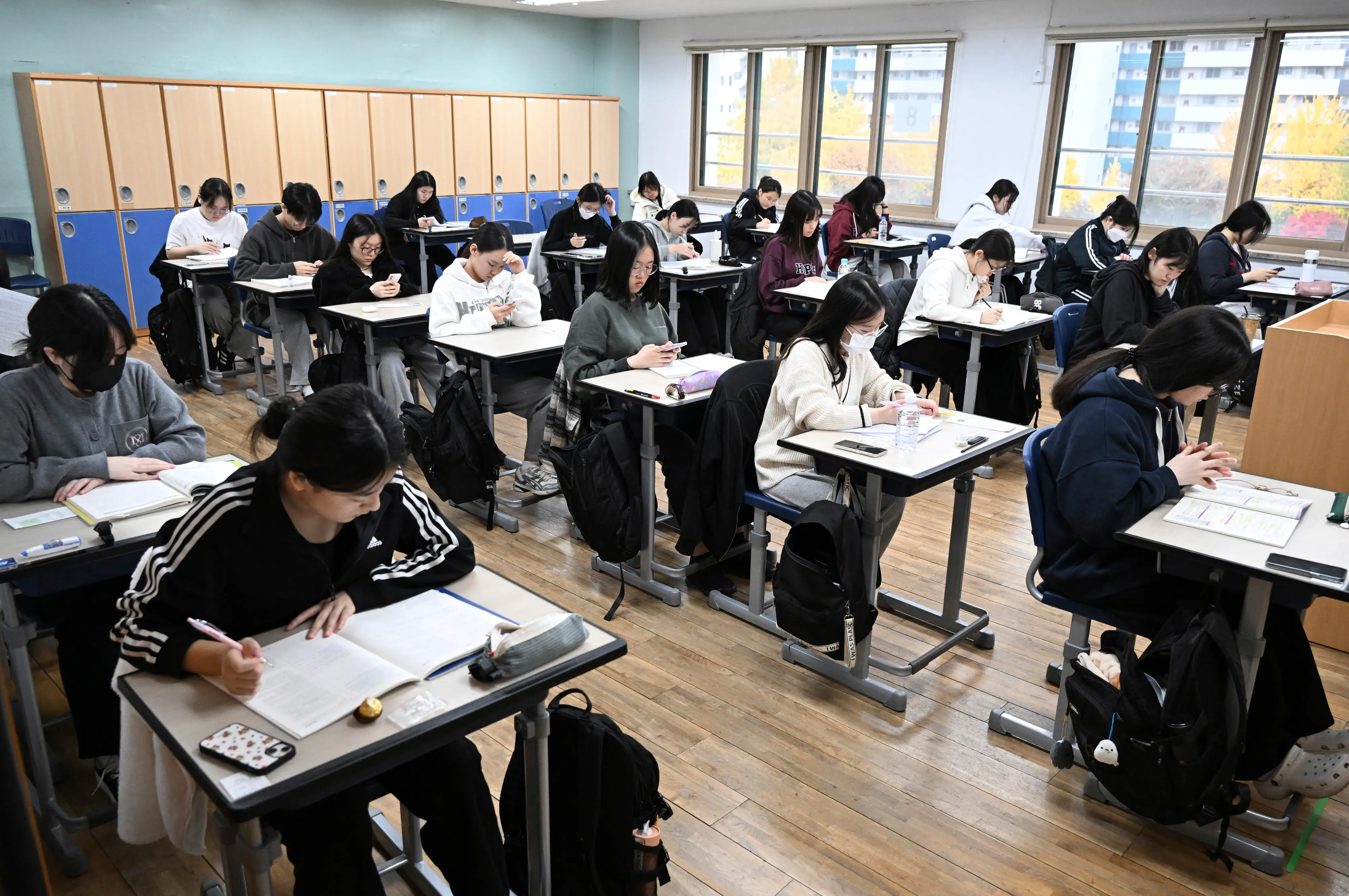
South Korea and Hong Kong
South Korea tied for sixth globally with Hong Kong in mathematics in the PISA 2025 assessment, scoring an impressive 522 points. South Korea's education system is the most hyper-competitive in the world, driven by a deep-seated cultural belief that academic failure equates to social failure. Hong Kong brings a blend of East Asian rigour and a British structural legacy.

Estonia
Estonia breaks up the Asian dominance at eighth with a score of 508. It is the top-scoring European country, ahead of much larger and wealthier neighbours.

Switzerland
Switzerland is the second-best European country, 36 points above the OECD average of 463. Swiss 15-year-olds easily outperformed all of their major European neighbours, including Germany, France, Italy, and the UK.
UK
UK just holds the last spot, three points ahead of Canada, 485 in 11th. Many Western education systems suffered sharp academic declines after the pandemic; the UK managed to buck the international trend
)
)
)
)
)