

&imwidth=800&imheight=600&format=webp&quality=medium "Iran's online 'wolf warriors': How embassies and consulates are fighting the information warfare, using humour, emotions, and memes")
“Wolf warriors” is a term usually associated with Chinese diplomats for their aggressive methods, both in real life and online. Perhaps the diplomatic missions of Iran could now be described as the new wolf warriors of the Islamic Republic, pushing ahead with different forms of information warfare even as much of their leadership is wiped out through decapitation strikes by Israel and the US since February 28.
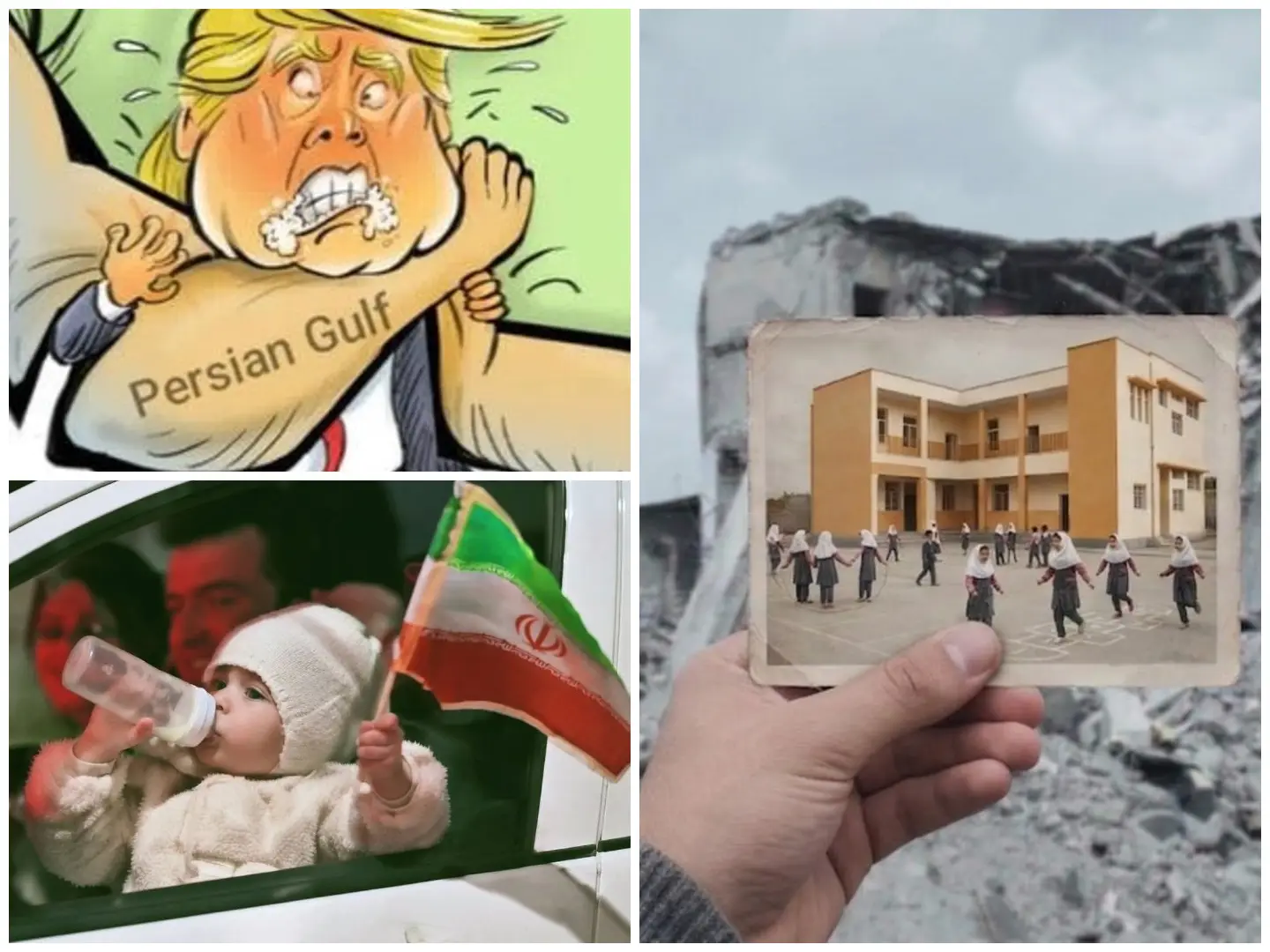
Iranian diplomatic missions deploy memes, photos and emotional text in information war
Since the killing of Supreme Leader Ali Khamenei in an Israeli air strike, the Iranian diplomatic corps transformed into a coordinated digital force. There is a clear escalation in messaging from Iranian embassies, consulates and UN missions. They are conducting elements of both war and diplomacy via X and other social media platforms in real time.
Ministry of Foreign Affairs: The central command
With Deputy Foreign Minister Abbas Araghchi as its face, Iran’s Ministry of Foreign Affairs is acting as the primary narrative hub. English-language posts from its diplomatic missions consistently frame the war as “US-Israeli aggression”, highlighting civilian harm and infrastructure damage. The alleged US-Israel bombing of a school in Minab, in which 165 mostly girl children reportedly died, has been repeatedly presented as a potential war crime.
Throgh its missions, Iran is highlighting diplomatic outreach to countries including India, Russia, Turkey, Japan, Egypt and Sri Lanka. In the absence of extensive offline diplomatic activity, this online messaging serves as Iran's de facto international engagement and a tool to reinforce the legitimacy of the Islamic Republic.
Trending Stories
&imwidth=180&imheight=135&format=webp&quality=medium)
Putin wants joint meeting with Trump-Xi summit on Ukraine war, proposes talks alongside APEC: Report
&imwidth=180&imheight=135&format=webp&quality=medium)
KATSEYE performs at Victoria’s Secret show, teases Sophia Laforteza’s return
&imwidth=180&imheight=135&format=webp&quality=medium)
'It's a joy to see the makers bring it on such a grand scale': SS Rajamouli on Ramayana
&imwidth=180&imheight=135&format=webp&quality=medium)
Kylie Jenner makes Victoria’s Secret debut in $50 million diamond-encrusted design as Timothée Chalamet cheers
&imwidth=180&imheight=135&format=webp&quality=medium)
Lawrence Bishnoi gang claims responsibility for firing at Tiger Shroff over ties to Salman Khan
&imwidth=180&imheight=135&format=webp&quality=medium)
Karan Johar reimagines Student Of The Year with thriller series After Dark, Shanaya Kapoor to debut on OTT
&imwidth=180&imheight=135&format=webp&quality=medium)
MI5 is opening an AI threat centre, and OpenAI just told MPs the worst isn't over
&imwidth=180&imheight=135&format=webp&quality=medium)
Why France looks the most fragile in the G7 amid protests and budget deadlock
&imwidth=180&imheight=135&format=webp&quality=medium)
Anthropic’s public benefit plan: What its 5% share commitment means for AI’s future
&imwidth=180&imheight=135&format=webp&quality=medium)
Girl 'dead' for 8 hours wakes up at her own funeral, dad insists she wasn't breathing
&imwidth=180&imheight=135&format=webp&quality=medium)
'We feel like Mr India': Gujarat’s undercover SHE team guard garba nights at Navratri
&imwidth=180&imheight=135&format=webp&quality=medium)
US to review Russia sanctions waiver within 60 days as Rubio cites India’s ‘substantial’ Russian energy imports
&imwidth=180&imheight=135&format=webp&quality=medium)
Saudi Arabia asks skyscraper employees to work from home amid Houthi threats
&imwidth=180&imheight=135&format=webp&quality=medium)
Nobel laureate Machado, who dedicated prize to Trump, confirmed as Venezuela opposition leader
&imwidth=180&imheight=135&format=webp&quality=medium)
Brendan Taylor overtakes Andy Flower to become Zimbabwe’s leading ODI run-scorer
&im=FitAndFill=(700,400)&imwidth=180&imheight=135&format=webp&quality=medium)
Tesla Roadster engineering: The hidden hardware behind its flying demonstration
&imwidth=180&imheight=135&format=webp&quality=medium)
India moves to buy 10,000 more AI chips for a national compute pool open to startups
&imwidth=180&imheight=135&format=webp&quality=medium)
Priest dies after crucifix falls on his head during livestreamed Mass in Ecuador | VIDEO
&imwidth=180&imheight=135&format=webp&quality=medium)
Asian Para Games: Nishad Kumar clinches T47 long jump gold; Ravi Budigina bags swimming silver
&im=FitAndFill=(700,400)&imwidth=180&imheight=135&format=webp&quality=medium)
New OTT releases this week (October 19-25, 2026): Gajab Raat to Chaar Yaar-8 titles to watch during Dussehra week on Netflix, Prime Video and more
&imwidth=180&imheight=135&format=webp&quality=medium)
No Ravindra Jadeja, Yashasvi Jaiswal in India’s 2027 ODI World Cup plans: Report
&imwidth=180&imheight=135&format=webp&quality=medium)
Cattle-feed bran in biscuits, detergent in milk: FSSAI acts against 3 companies
&imwidth=180&imheight=135&format=webp&quality=medium)
NFl 2026/27 - Saints vs Steelers to go ahead in Paris next week despite protest
&imwidth=180&imheight=135&format=webp&quality=medium)
Researchers name newly discovered Andean plant after Argentina legend Lionel Messi
&imwidth=180&imheight=135&format=webp&quality=medium)
'Grassroots leagues help bridge the gap': India's ODI WC winner Suresh Raina lauds ISCL ahead of Season 2
&imwidth=180&imheight=135&format=webp&quality=medium)
Tiger Shroff attacked by three gunmen in Mumbai, actor safe, two injured
&imwidth=180&imheight=135&format=webp&quality=medium)
After Kennedy Center and reflecting pool disputes, Trump turns to Washington golf course plan amid legal battle
&imwidth=180&imheight=135&format=webp&quality=medium)
Shastri backs Shami comeback; lauds Bhuvi and warns Bumrah on format workload ahead of World Cup
&imwidth=180&imheight=135&format=webp&quality=medium)
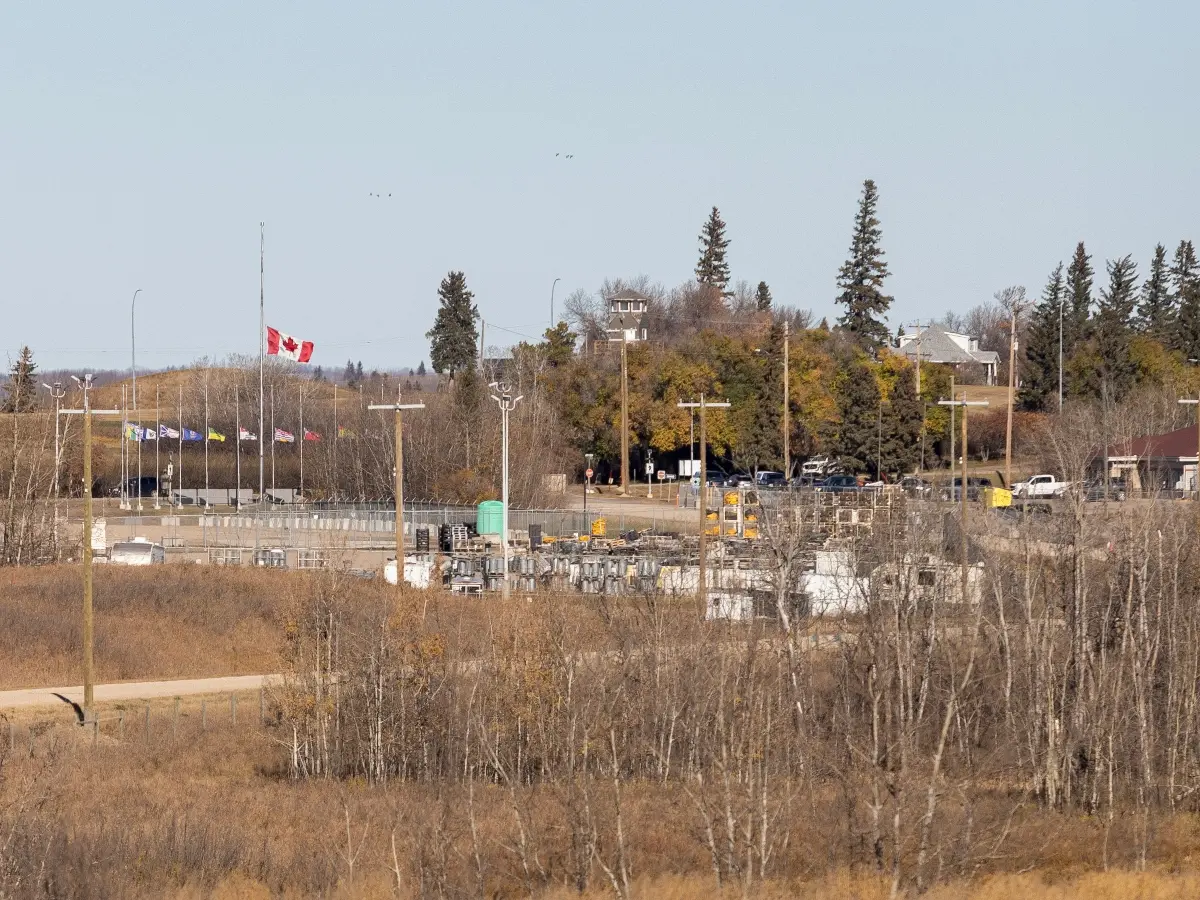
4 killed, 19 critically injured in grass fire at Canada's largest military base
&imwidth=180&imheight=135&format=webp&quality=medium)
Anirudh Ravichander-Kavya Maran wedding: Telangana CM reveals Chennai reception date
&imwidth=180&imheight=135&format=webp&quality=medium)
Cattle feed found in biscuits of Indian company, FSSAI sends legal notice
&imwidth=180&imheight=135&format=webp&quality=medium)
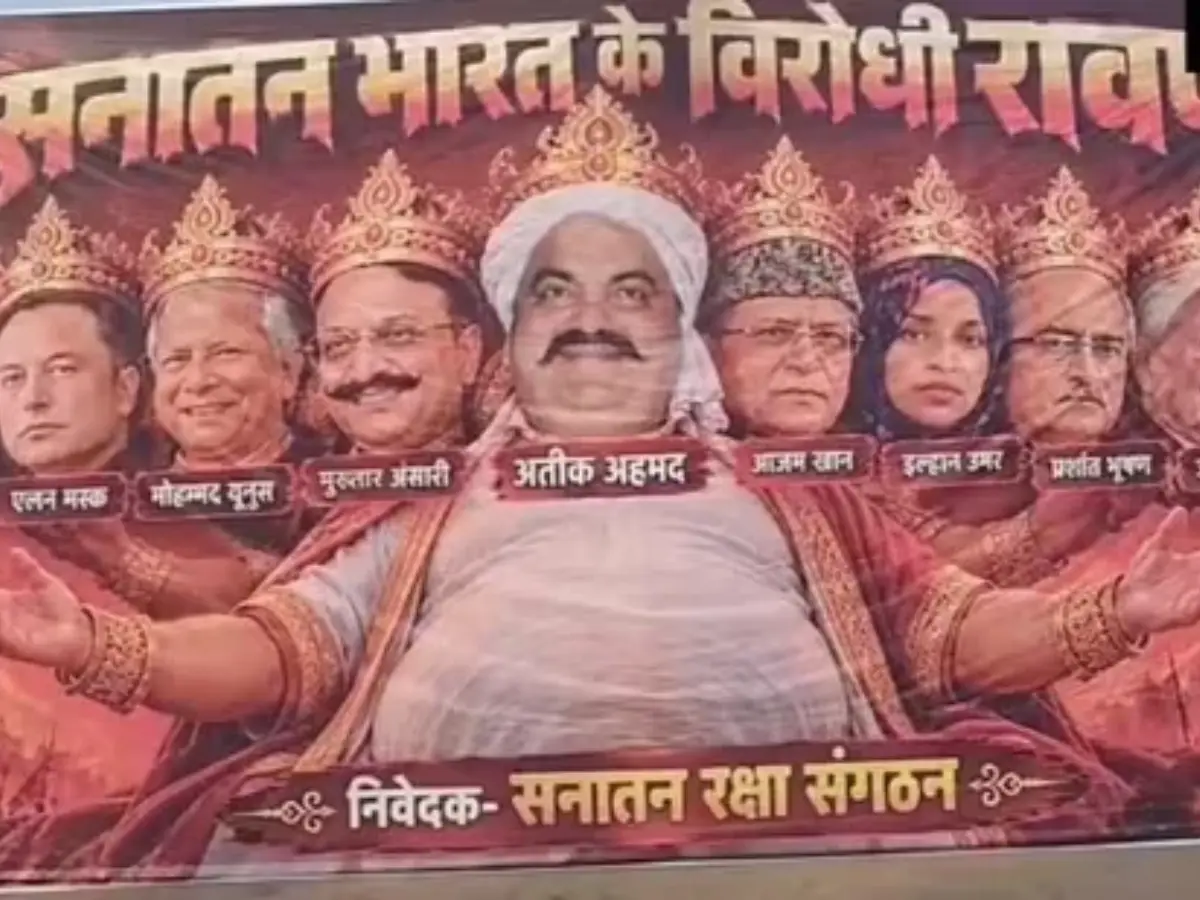
Elon Musk features on Lucknow's 'anti-India' Ravan poster alongside Rahul Gandhi, Akhilesh
&imwidth=180&imheight=135&format=webp&quality=medium)
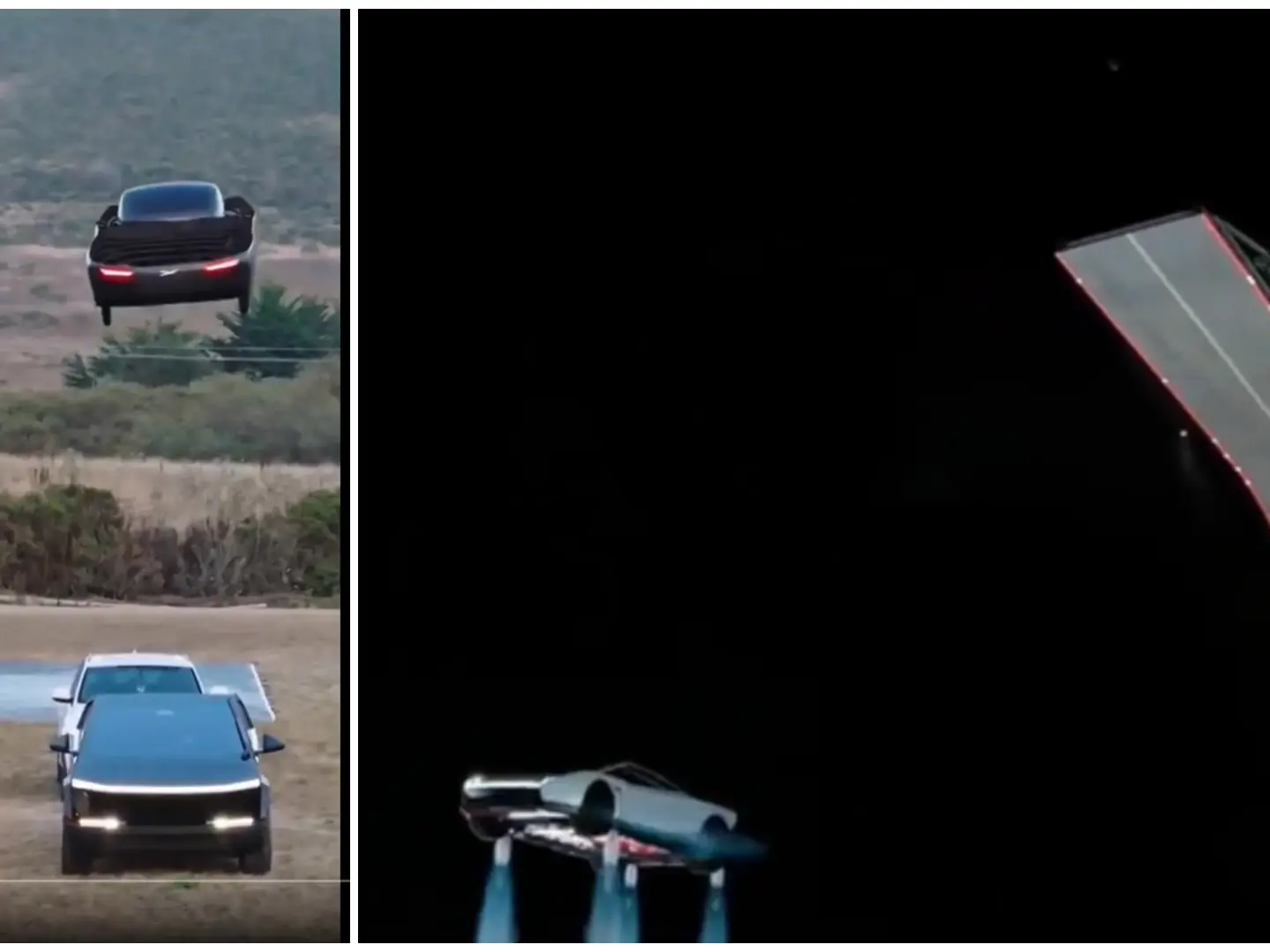
Flying car race: Alef Aeronautics welcomes Tesla Roadster '11 years' later, but are the two models the same?
&imwidth=180&imheight=135&format=webp&quality=medium)
China responds to Trump's Press Secretary Katie Zacharia after toilet remark: 'Visit China more often'
At the same time, these posts are closely watched by global oil, gas and shipping industries, as Iran uses its control over the Strait of Hormuz as a key non-military lever.
Iran missions to the UN: The only major global platform available to Islamic Republic
Iran’s permanent mission to the UN has significantly amplified its online presence, disputing US and Israeli claims and rejecting assertions of maritime disruptions. Its posts included images showing the aftermath of the Minab school attack, with captions questioning how children at school desks could be considered an imminent threat.
Iran’s UN mission in Geneva has relied on international law and humanitarian discourse to push for debates at the UN Human Rights Council. It frames incidents such as the Minab strike as violations of international humanitarian law.
Iran’s Europe mission: Confrontation and critique
Iran’s mission to the European Union uses a more confrontational style, publicly criticising European leaders and institutions for what it calls “selective outrage”. Social media posts from the mission often juxtapose European responses to other conflicts, particularly Ukraine, with perceived silence on Iranian casualties, aiming to highlight double standards.
Iranian embassies and consulates: Localised messaging, global reach
Among the most active are Iranian embassies and consulates in key countries. Iranian missions in India have been posting messages highlighting bilateral ties and diplomatic dialogue. Iran has often acknowledged India’s relatively neutral stance on the war, even as it reportedly exempted vessels bound for India from any Strait of Hormuz disruption.
From the social media handles of Iranian missions in Pakistan, the tone is sharper. Posts frequently questioned Western positions and dismissed recent calls for negotiation as insincere.
Iranian diplomatic missions act as force multipliers, using memes, humour
Several posts blend humour and meme culture. It is relatively unusual for Iran to mix satire with official messaging, but the approach appears aimed at increasing engagement with younger, globally connected audiences. The embassies are acting as force multipliers of the regime in creating a narrative suitable for it.
Analysis: A battle for minds in the age of short attention spans
From an information warfare perspective, Iranian embassies now function as “always-on” communication nodes, sharing real-time updates and countering adversaries’ claims. This online activity also projects a sense of continuity and stability within the Iranian regime despite sustained bombardment by Israel and the US.
This diplomatic effort forms part of a broader Iranian digital presence that incorporates visual storytelling, sharp-edged humour and, at times, AI-generated content. It is a battle for minds, aimed at countering narratives from the US, Israel and the West. With much of its military infrastructure under pressure, Iran is seeking to influence international opinion and reinforce its claim of lawful self-defence under international law.
Disclaimer: WION takes utmost care to accurately and responsibly report ongoing conflicts in West Asia involving Israel, Iran, US, Gulf nations and non-state actors like Hezbollah, Hamas, Houthis, Islamic State, and others. Claims and counterclaims, disinformation and misinformation are being made online and offline. Given this context, WION cannot independently verify the authenticity of all statements, social media posts, photos and videos.

