

&imwidth=800&imheight=600&format=webp&quality=medium "US-Iran-Israel war Highlights | PM Modi reviews West Asia crisis with Chief Ministers")
US-Iran-Israel War Highlights: Everything You Need to Know About the Conflict Now Entering Its Second Month
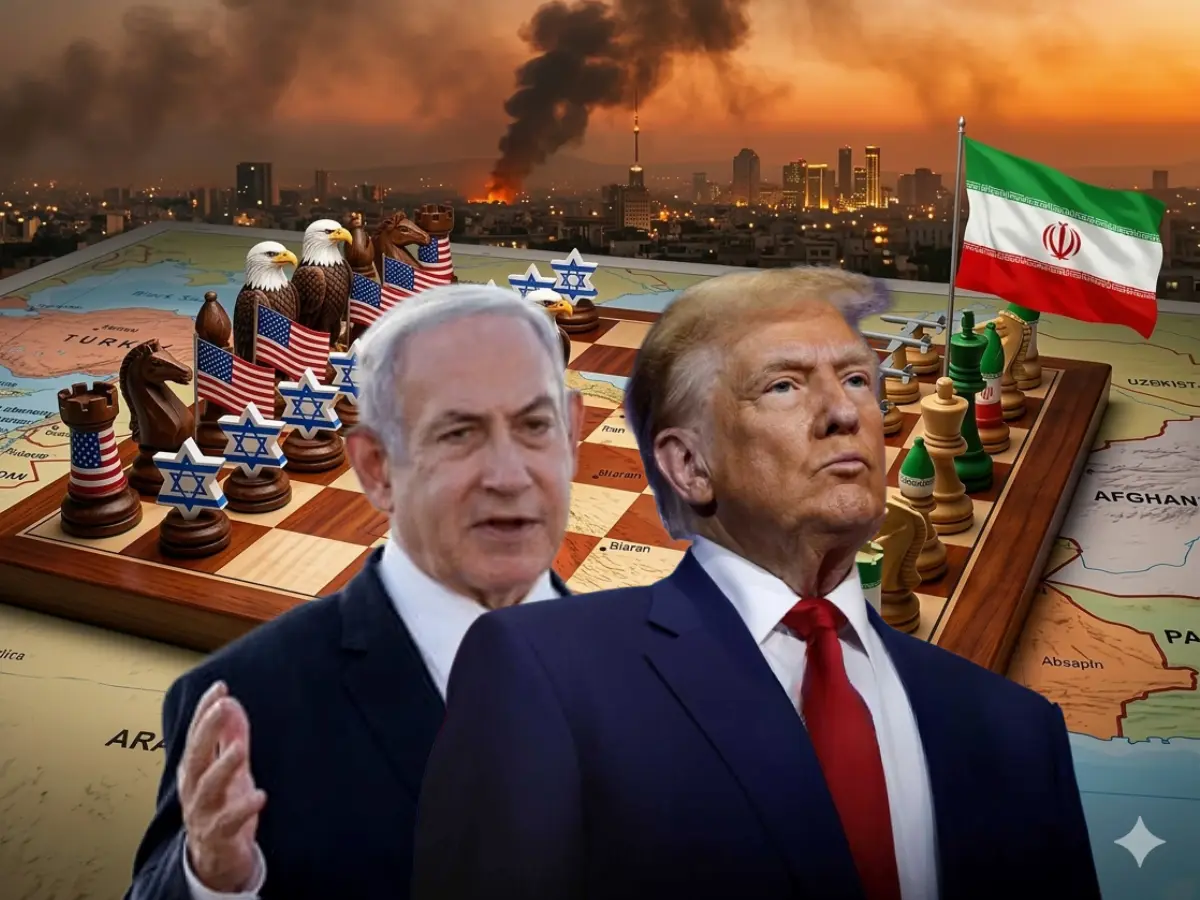
It's been nearly a month. The bombs are still falling, the diplomats are still talking past each other, and the Middle East is no closer to quiet. The war began on February 28, when Israel and the United States launched what they called "pre-emptive" strikes on Iran — this, while nuclear negotiations with Tehran were still technically ongoing. Within 24 hours, Iran's Supreme Leader Ayatollah Ali Khamenei was killed. Iran struck back, targeting Israel and US military bases across the Gulf countries.
The weeks that followed have been bloody. Several senior Iranian figures have been killed, among them security chief Ali Larijani. Iran has since named Mojtaba Khamenei — the late Ayatollah's son — as its new Supreme Leader.
Where things stand
On the diplomatic front, Trump has put a peace plan on the table. Iran has rejected it — or more precisely, refused to engage at all unless security guarantees are offered first. That's a precondition Washington hasn't been willing to meet, which means the talks that aren't quite talks continue to go nowhere.
Meanwhile, the global energy market is quietly panicking. The Strait of Hormuz — the narrow waterway through which a fifth of the world's oil typically flows — has become a flashpoint. Disruptions there have already sent oil prices surging, and with the Houthis now threatening the Bab al-Mandab Strait as well, there may soon be very few safe routes left for Gulf energy exports.
Follow WION for all the updates, analysis and developments on the US-Israel-Iran war
(Disclaimer: WION takes utmost care to accurately and responsibly report ongoing conflicts in West Asia involving Israel, Iran, US, Gulf nations and non-state actors like Hezbollah, Hamas, Houthis, Islamic State, and others. Claims and counterclaims, disinformation and misinformation are being made online and offline. Given this context, WION cannot independently verify the authenticity of all statements, social media posts, photos and videos.)
The Israeli military confirmed it struck a uranium processing site in Yazd, central Iran, on Friday, after the Islamic Republic's atomic energy organisation said US-Israeli strikes hit the facility.
Rubio says US open to diverting weapons from Ukraine to Iran war.
Iran would be "well advised" to negotiate with the United States after almost a month of the US-Israeli war against the Islamic republic, Germany's foreign minister said Friday.
Russia’s Emergencies Ministry said Friday that it has delivered a batch of medicines to Iran.
The ministry said that 313 metric tons of medicines were carried by rail to Azerbaijan’s border with Iran, where they were handed over to Iranian representatives. It said the supplies have been sent on President Vladimir Putin’s order.
US-Israeli airstrikes on Friday damaged two major steel plants in Iran, Iranian media reports said.
"Minutes ago, the American–Zionist enemy targeted the Khuzestan Steel (in southwest Iran) and Mobarakeh Steel factories in Isfahan (central Iran) in two separate attacks," the Fars news agency said, with state broadcaster IRIB also reporting the strikes.
The European Union will see significantly slower economic growth if the war in the Middle East drags on, EU economy chief Valdis Dombrovskis warned Friday.
Defence minister Israel Katz said on Friday that Israel would step up strikes against Iran as a result of its continued missile fire, warning the Islamic republic would pay a "heavy price".
UNHCR flagged a concern on Wednesday, highlighting that Lebanon is at 'real' risk of ‘humanitarian catastrophe’.
US and Israeli attacks on Iran have damaged at least 120 museums and cultural and historic sites across the country ever since the war broke out, the head of Tehran city council’s cultural heritage committee said. “At least 120 museums, historical buildings and cultural sites across various provinces were directly targeted and sustained serious structural damage,” Ahmad Alavi said.
According to state television, he identified several sites affected by the war, including the UNESCO-listed Golestan Palace, as well as Saadabad Palace, the Marble Palace, and Teymourtash House, also referred to as the War Museum.
The United States has launched more than 850 Tomahawk cruise missiles during the four-week conflict with Iran, according to a report by The Washington Post. The extensive use of these precision-guided weapons has raised concerns among some Pentagon officials and sparked internal deliberations on replenishing stockpiles. The report noted that the high rate of deployment has led to discussions within the military on ways to increase the availability of these missiles.
Iran's Revolutionary Guards on Friday said they had turned back three ships trying to cross the Strait of Hormuz, and added that the route was closed to vessels travelling to and from ports “belonging to allies and supporters of the Zionist-American enemies.”
Iran's Guards stated on Friday that Hormuz is 'closed' for shipping to and from enemy ports, according to a report by the AFP.
Iranian Foreign Minister Abbas Araghchi on Friday (Mar 27) slammed the bombing of Minab school, calling it a “calculated assault” by the United States. In a video address to the United Nations Human Rights Council during an urgent council debate on the February 28 attack, Araghchi called it “a war crime and a crime against humanity”. This comes as the war in West Asia entered its Day 28 on March 27. Hostilities began on February 28 when the US and Israeli military launched strikes on Iran, killing Iran’s supreme leader Ali Khamenei and several other top Iranian officials. In retaliation, Iran launched attacks on Israel and US military bases across the Gulf and has blocked the strategic Strait of Hormuz, triggering a global energy crisis.
US and Israeli strikes on Iran have damaged at least 120 museums and cultural and historic sites across the country since the start of the war, the head of Tehran city council's cultural heritage committee said.
"At least 120 museums, historical buildings and cultural sites across various provinces were directly targeted and sustained serious structural damage," said Ahmad Alavi.
He was quoted by state TV as naming UNESCO-listed Golestan Palace along with other sites damaged in the war, including Saadabad Palace, the Marble Palace and Teymourtash house, also known as the War Museum.
The bombing of Shajareh Tayyebeh Elementary School in Minab evoked a visceral horror, said United Nations High Commissioner for Human Rights Volker Türk.
The images of bombed-out classrooms and grieving parents showed clearly who pays the highest price for war: civilians with no power in the decisions that led to conflict. In this case, a reported 168 pupils, teachers, school staff, and their loved ones.
The United Nations Human Rights Council will hold an urgent debate on “the aerial attack on Shajareh Tayyebeh Girl's School in Minab, Iran, as a grave breach of international humanitarian law and international human rights.”
Rising global energy prices amid the ongoing West Asia conflict are likely to put significant pressure on India's fiscal position in FY27, according to a report by ICRA. However, the report still claims that available buffers are likely to help manage the impact of the crisis.
It noted that geopolitical tensions largely drive recent increases in energy prices, have added volatility to global markets and could require adjustments in fiscal policy. "Even if the situation stabilises, energy prices are expected to remain higher than earlier budgeted assumptions, which may require fiscal adjustments," the report said.
The rating agency said that higher crude oil and gas prices may increase subsidy burdens, particularly for fertilisers and LPG. "Higher crude oil and natural gas prices may lead to an increase in subsidy requirements, particularly for fertilisers and liquefied petroleum gas (LPG)," it added.
Kuwait’s main commercial port was damaged in a drone attack today, authorities say, as Iran pressed on with its campaign in the Gulf in retaliation for US-Israeli strikes.
The Shuwaikh port was targeted at dawn “by enemy drones, preliminary reports revealed material damage but no human casualties,” the Kuwait port authority says in a statement on X.
“Is he the Director General of an international organization or a media analyst? He has not condemned attacks on Iran's peaceful nuclear facilities, including the two recent attacks on the Bushehr power plant site, and instead of issuing a serious warning about the effects of war on Iran's safeguarded nuclear program and any use of other destructive and illegal weapons, he is showing the way and means to destroy Iran's legitimate and legal nuclear activities!,” said Ghoribabadi, Deputy Minister of Legal and International Affairs of the Ministry of Foreign Affairs, Iran.
"We have supplied Iran with military equipment, but we cannot accept these accusations that we are passing intelligence to Iran," said Russian Foreign Minister Sergei Lavrov to French television channel France 2.
Kuwait's, Shuwaikh port, its main commercial port was damaged in a drone attack on Friday, as Iran continued its campaign in the Gulf in retaliation for US-Israeli strikes.
An unverified photo claiming to be of the last moments of Iran’s supreme leader Ayatollah Ali Khamenei has gone viral on social media. Reportedly, the image was taken just 23 minutes before the Iranian leader was killed in joint US-Israeli strikes in his office on February 28 and was captured on CCTV footage. This comes as the war in West Asia enters its Day 27.
Iran formally notified the United Nations on Thursday (Mar 26) about media reports detailing alleged US and Israeli plans to assassinate senior Iranian officials — including Parliament Speaker Mohammad Baqer Ghalibaf and Foreign Minister Seyed Abbas Araghchi. Iran's UN Ambassador Amir Saeed Iravani sent official letters to both UN Secretary-General Antonio Guterres and the President of the Security Council, demanding attention.
The White House has once again left social media users puzzled after posting a series of mysterious pixelated photos on its social media accounts on Thursday (Mar 26). This comes a day after the Trump administration posted two cryptic short videos without providing any context and deleted one of them within minutes.
Iran has formally alerted the United Nations over media reports claiming the United States and Israel are planning to assassinate senior Iranian officials, including Parliament Speaker Mohammad Baqer Ghalibaf and Foreign Minister Abbas Araghchi.
In a letter to UN Secretary General Antonio Guterres and the Security Council, Iran’s envoy Amir Saeed Iravani said the reports point to an operational framework targeting top political leaders and warned the threat remains “real and ongoing.”
"I draw the immediate attention of Your Excellency and the members of the Security Council to the reports published in the media. These reports indicate that the United States and the Israeli regime have identified and designated high-ranking officials of the Islamic Republic of Iran, including the Speaker of the Islamic Consultative Assembly, Mr. Mohammad Baqer Qalibaf, and the Minister of Foreign Affairs, Mr. Seyyed Abbas Araghchi, as assassination targets. The reports describe any suspension of such plans as merely temporary", he said.
Tehran called any such move a violation of international law and the UN Charter, describing it as “state terrorism” and a dangerous precedent.
Oil prices fell on Friday after US President Donald Trump pushed back a deadline for Iran to reopen the Strait of Hormuz, though that only partially pared the previous day's surge amid growing anxiety that the conflict will last far longer than first thought.
Brent crude is down 1.8 per cent at 0230 GMT, selling at $106.12 a barrel, while West Texas Intermediate is down 1.5 per cent at $93.07.
Brent is up almost 50 per cent since the war began, while WTI has risen around 40 per cent.
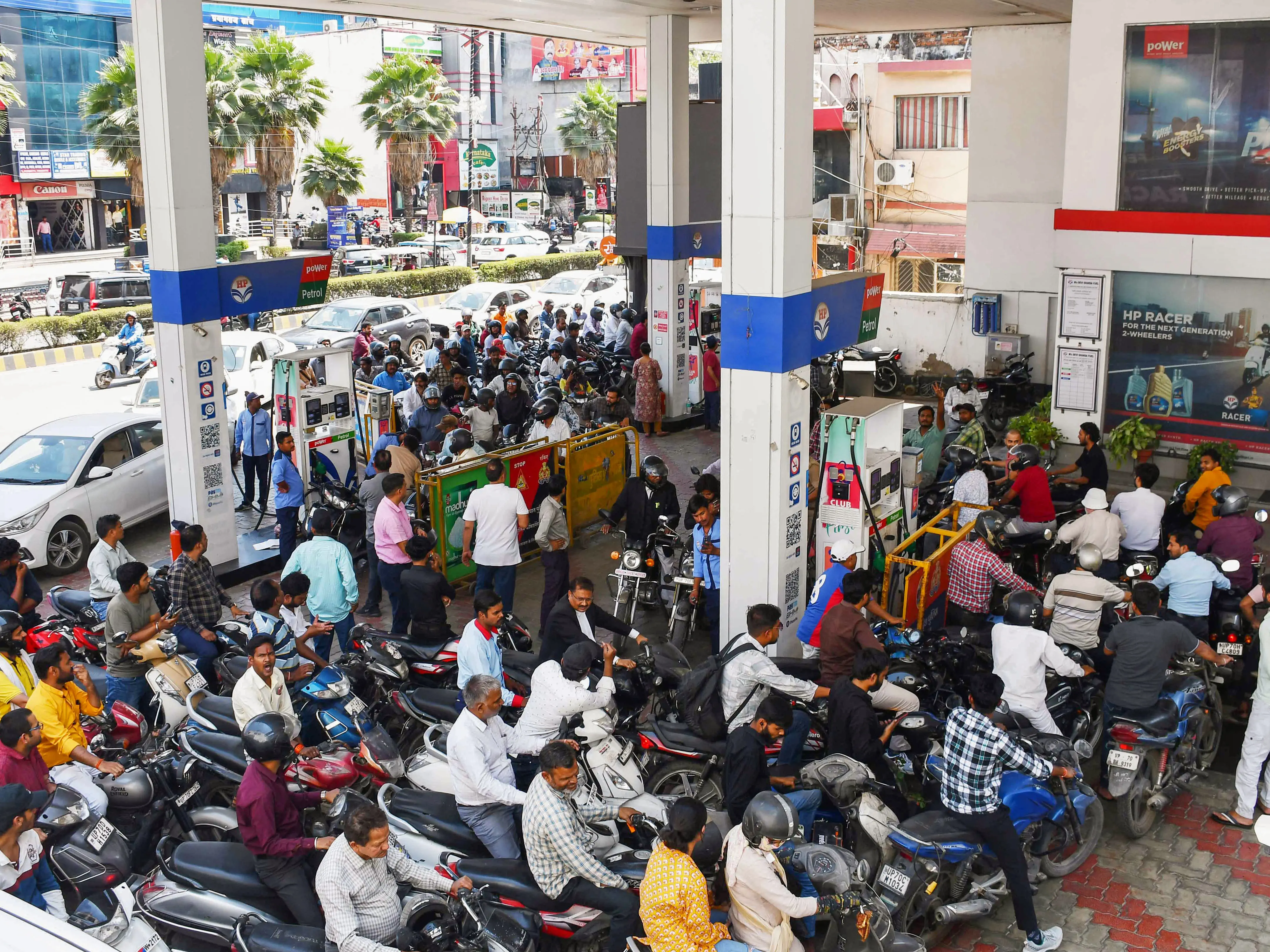
The Indian government has sharply cut special additional excise duties on petrol and diesel, effective Thursday (Mar 26). Petrol duty has been slashed from ₹13 to ₹3 per litre. Diesel goes further — straight to zero, down from ₹10.However, don't rush to the pump just yet, though. Retail prices remain unchanged — for now.
Why won't consumers benefit? All you need to know HERE
)
Vietnam temporarily waived an environmental tax on fuel to cut soaring petrol prices by a quarter on Friday, the trade ministry said, as the Middle East war disrupts global energy supplies.
"From 24:00 on March 26, 2026, to the end of April 15, 2026, the environmental protection tax rate for gasoline (excluding ethanol), diesel fuel, and aviation fuel will be 0 VND/liter," read an environmental tax statement posted on the government website.
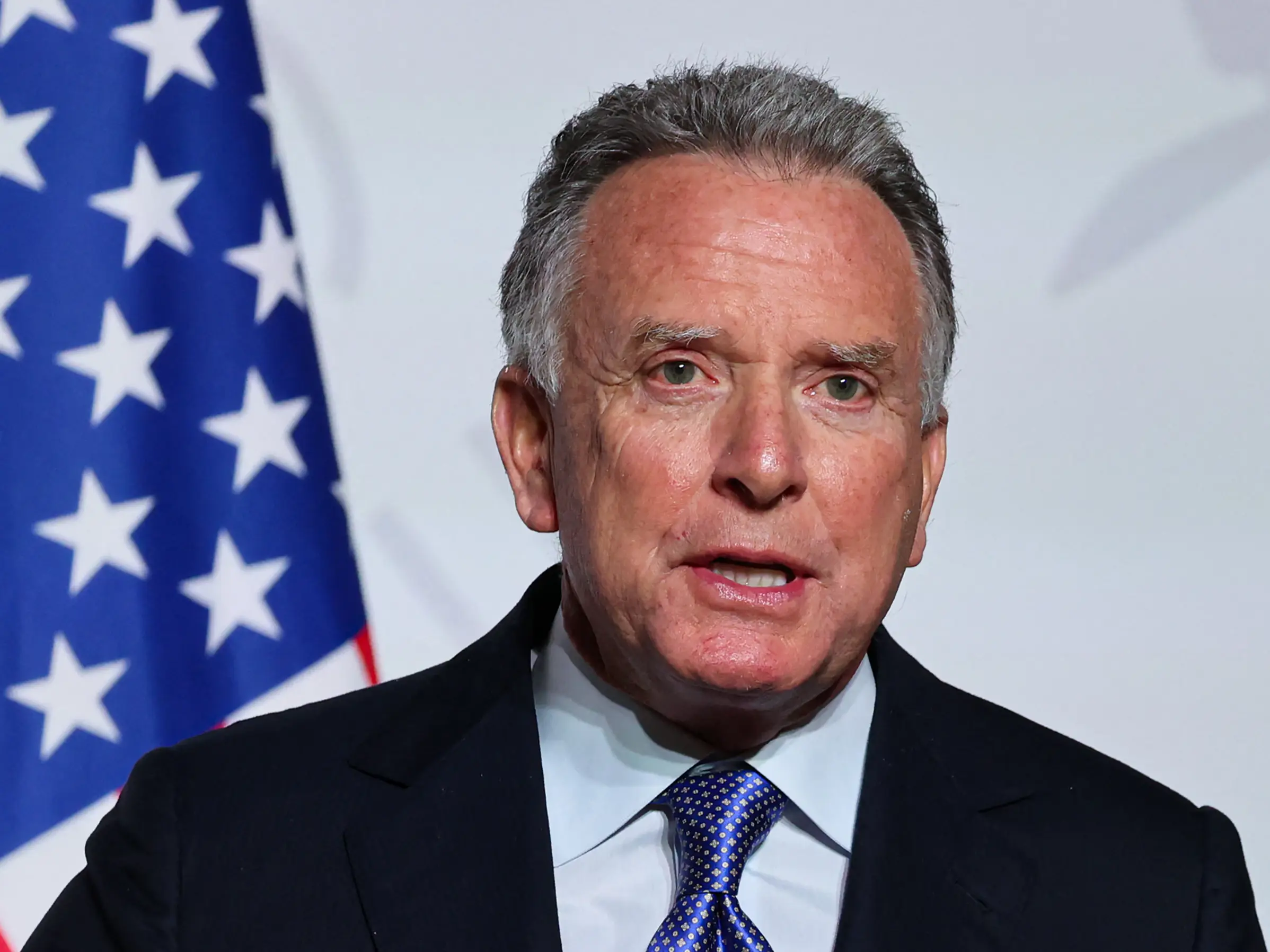
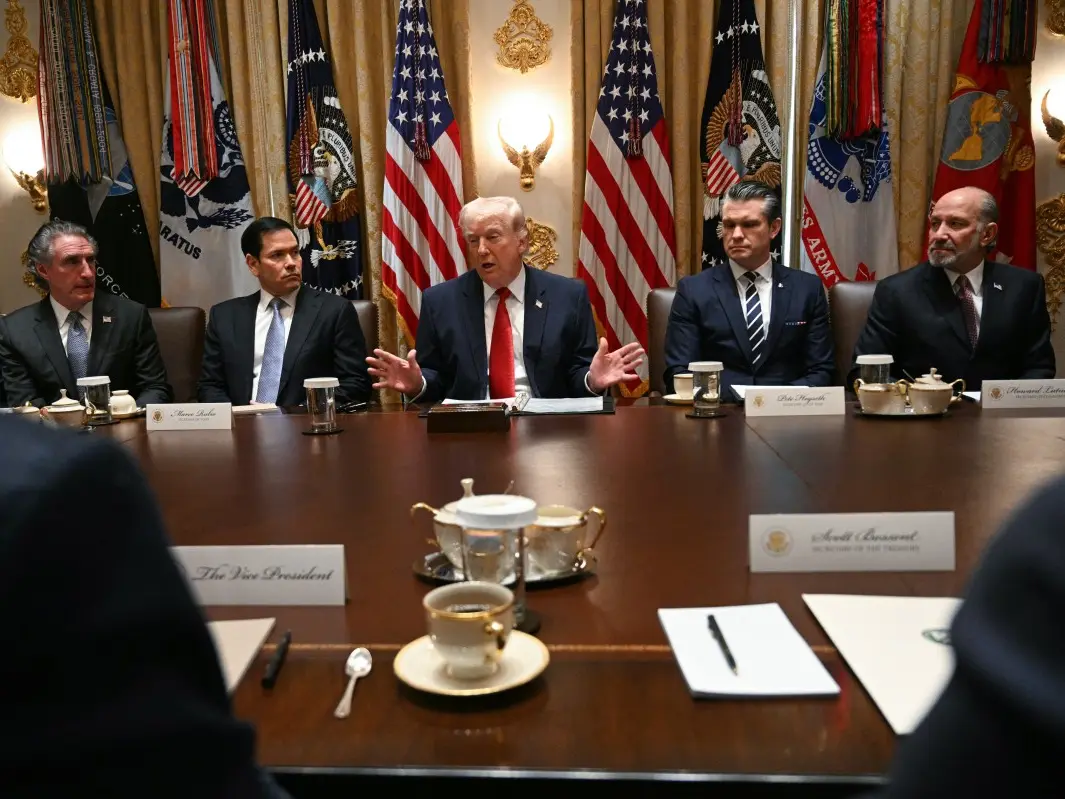
Steve Witkoff, serving as a special envoy under President Donald Trump, revealed that the United States has been engaging Iran through indirect diplomatic efforts, with Pakistan acting as a mediator. During a Cabinet meeting at the White House, Witkoff said that a 15-point proposal outlining a potential peace framework has been delivered through Pakistan’s government. He noted that the plan is intended to guide negotiations toward a resolution.
&imwidth=800&imheight=600&format=webp&quality=medium)
US President Donald Trump has postponed his deadline for potential strikes on Iran’s energy infrastructure until April 6, saying the delay came at Tehran’s request and emphasising that negotiations are progressing positively. Earlier, Trump had dismissed suggestions that he was eager to secure a deal to end the Middle East conflict, even as Iran responded cautiously to a US-backed peace proposal.
&imwidth=800&imheight=600&format=webp&quality=medium)
Israel's military said its forces carried out strikes on "infrastructure" targets in Tehran early Friday, nearly a month into the Middle East war.
A brief military statement said Israeli forces "completed a wide-scale wave of strikes targeting infrastructure of the Iranian terror regime in the heart of Tehran".
Japan's government plans to temporarily lift restrictions on coal-fired power plants as it seeks to ease an energy crunch caused by the Middle East war, an official said on Friday.
Japanese media, including Jiji Press, had earlier reported the industry ministry would announce the proposal on Friday, citing unnamed sources.
"The reported fact is true" and the plan would be presented at an expert panel meeting "to start at 11 am (0200 GMT)," Takahide Soeda, an industry ministry official, told AFP.
Stocks tumbled Thursday (Mar 27), suffering the worst day since the start of the Iran conflict on February 28. The S&P 500 dropped 1.7 per cent, its worst single day since January, and is now staring down a fifth consecutive losing week. That's the longest such streak in nearly four years, and it stretches back to before the Iran war even started.
The Dow shed 469 points. The Nasdaq fell 2.4 per cent, slipping more than 10 per cent below its record high from earlier this year. Markets across Asia and Europe followed suit. On Wall Street, they have a word for that kind of drop: a "correction."
)
Iran's Revolutionary Guards said on Friday they had carried out missile and drone strikes the previous day targeting sites in Israel and military facilities in the Gulf used by US forces.
The strikes involved long- and medium-range missiles and "destructive and roaming drones", and targeted sites in Israel, the United Arab Emirates, Qatar, Kuwait and Bahrain, the Guards said in a statement carried by the IRNA and Fars news agencies.
The statement said a maintenance facility for US air defence system Patriot was targeted in Bahrain.
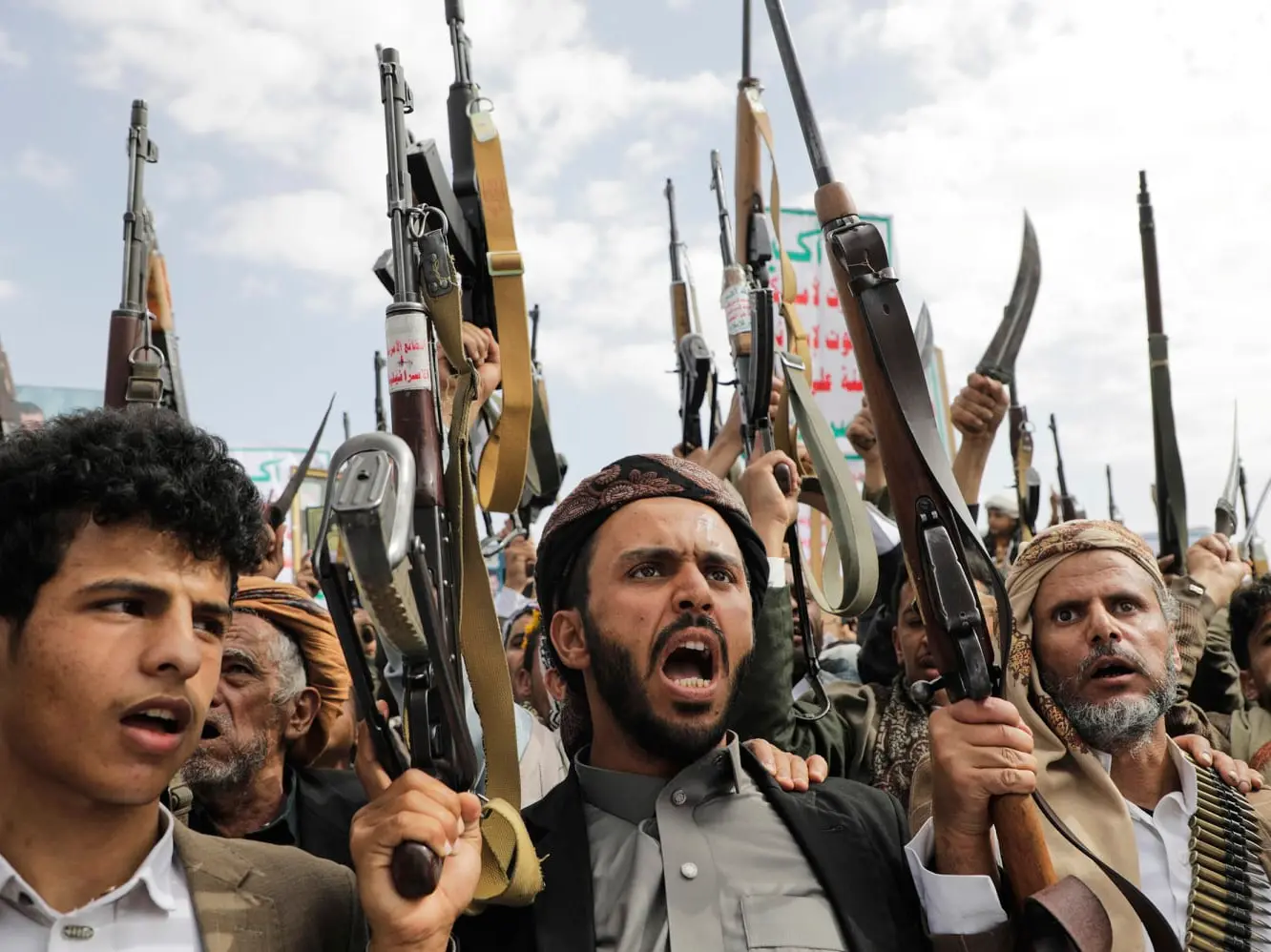
Are the Houthis about to open a new front in the Iran war? The Iran-backed group says it is “fully ready” to act, with warnings of targeting a key global chokepoint. If the Bab al Mandab Strait is hit, global trade could take a major blow.
)
Farmers around the world are facing fertiliser shortages and rising costs due to supply disruptions caused by the war in Iran, which could make food more expensive later this year. The war has almost halted shipments through the Strait of Hormuz, a narrow passage off Iran that handles about a fifth of the world's oil and nearly a third of global fertiliser trade. Rising natural gas prices, a key ingredient, are also pushing fertiliser costs higher just as planting season starts across the Northern Hemisphere.