
&imwidth=800&imheight=600&format=webp&quality=medium "Rising energy prices could put strain on India’s FY27 fiscal position, says ICRA")
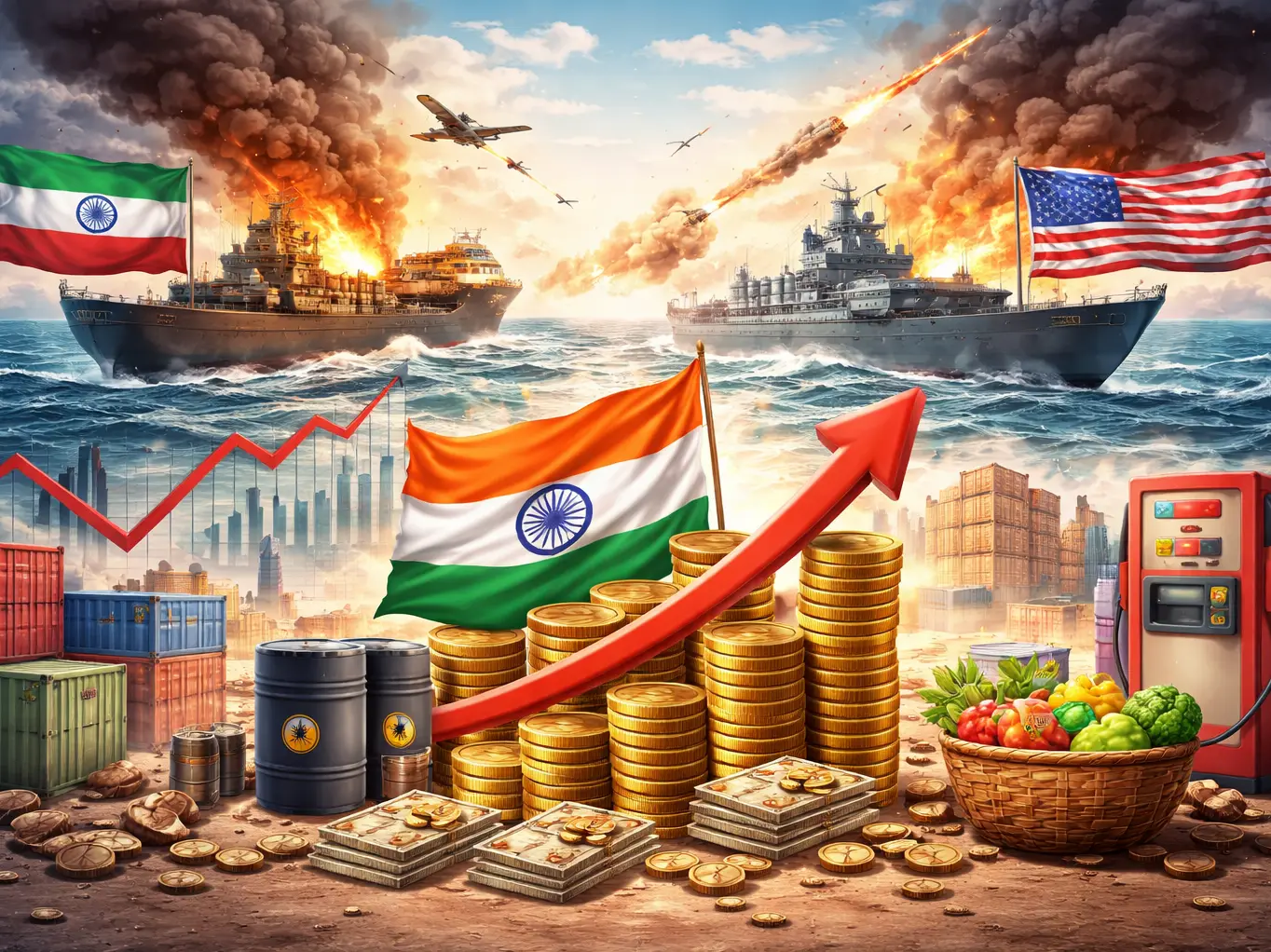
Rising global energy prices amid the ongoing West Asia conflict are likely to put significant pressure on India's fiscal position in FY27, according to a report by ICRA. However, the report still claims that available buffers are likely to help manage the impact of the crisis.
It noted that geopolitical tensions largely drive recent increases in energy prices, have added volatility to global markets and could require adjustments in fiscal policy. "Even if the situation stabilises, energy prices are expected to remain higher than earlier budgeted assumptions, which may require fiscal adjustments," the report said.
The rating agency said that higher crude oil and gas prices may increase subsidy burdens, particularly for fertilisers and LPG. "Higher crude oil and natural gas prices may lead to an increase in subsidy requirements, particularly for fertilisers and liquefied petroleum gas (LPG)," it added.

Fiscal buffers
It also flagged possible pressure on government revenues, indicating that elevated prices could lead to softer excise collections and lower corporate tax inflows. Over supply-side concerns, ICRA stated that “global supply disruptions and logistical challenges have contributed to the increase in energy prices, which could impact various sectors, including petroleum and fertilisers.”
However, ICRA highlighted the availability of fiscal buffers despite these challenges. "Multiple buffers are available to manage the impact," ICRA said. It also cited mechanisms that include the Economic Stabilisation Fund (ESF), expenditure savings, and flexibility through supplementary demand for grants.
Trending Stories
)
The Early Spring is proof not everyone can talk about their real feelings, and it is perfectly OK
)
UN votes to ‘correct the map’ as India backs fairer world view
)
Nigerian Navy discovers 99,000 litres of suspected stolen, illegally refined products as it intensifies anti-crude oil theft operations
)
Who is Aditi Paudel? 17-year-old becomes Japan's first literacy ambassador
)
Bengaluru: Officials find 40 kg expired chilli at chairman's club
)
Jaishankar rejects trade link to ending Ukraine war
)
Israeli strikes on Lebanon kill three, injure 23 despite truce
)
Alpine glacier was covered with sheep wool sheets to prevent melting. It worked
)
South Korea mulls deploying military assets to Strait of Hormuz
)
World's fifth-largest economy, British army can't afford to train
)
Breaking | Vance takes the podium: First White House briefing since Leavitt's exit
)
Taiwan raises 'concerns' over China's missile test
)
BRICS 2026: $1 trillion sovereign capital set to converge in Delhi for first iBRICS Summit
)
What is Iran's Pickaxe Mountain that Trump has again threatened to bomb?
)
UN votes to correct world map that visually shrank Africa for 450 years
)
Former NewJeans member Danielle launches YouTube channel, hints at new solo journey
)
Bangladesh batter Towhid Hridoy creates history with 350 not out in South Africa
)
Brendan Fraser’s transformation fuels The Mummy 4 excitement as fans welcome back Rick O’Connell
&im=FitAndFill=(700,400))
Krishna Janmashtami 2026: From Dhaniya Panjiri to Makhana Kheer- 5 best sweet dishes perfect for celebrating Lord Krishna’s birth
)
Donald Trump plans to travel to Ireland on Qatari-donated jet amid security concerns
)
Nazi-looted art to return to Jewish heirs
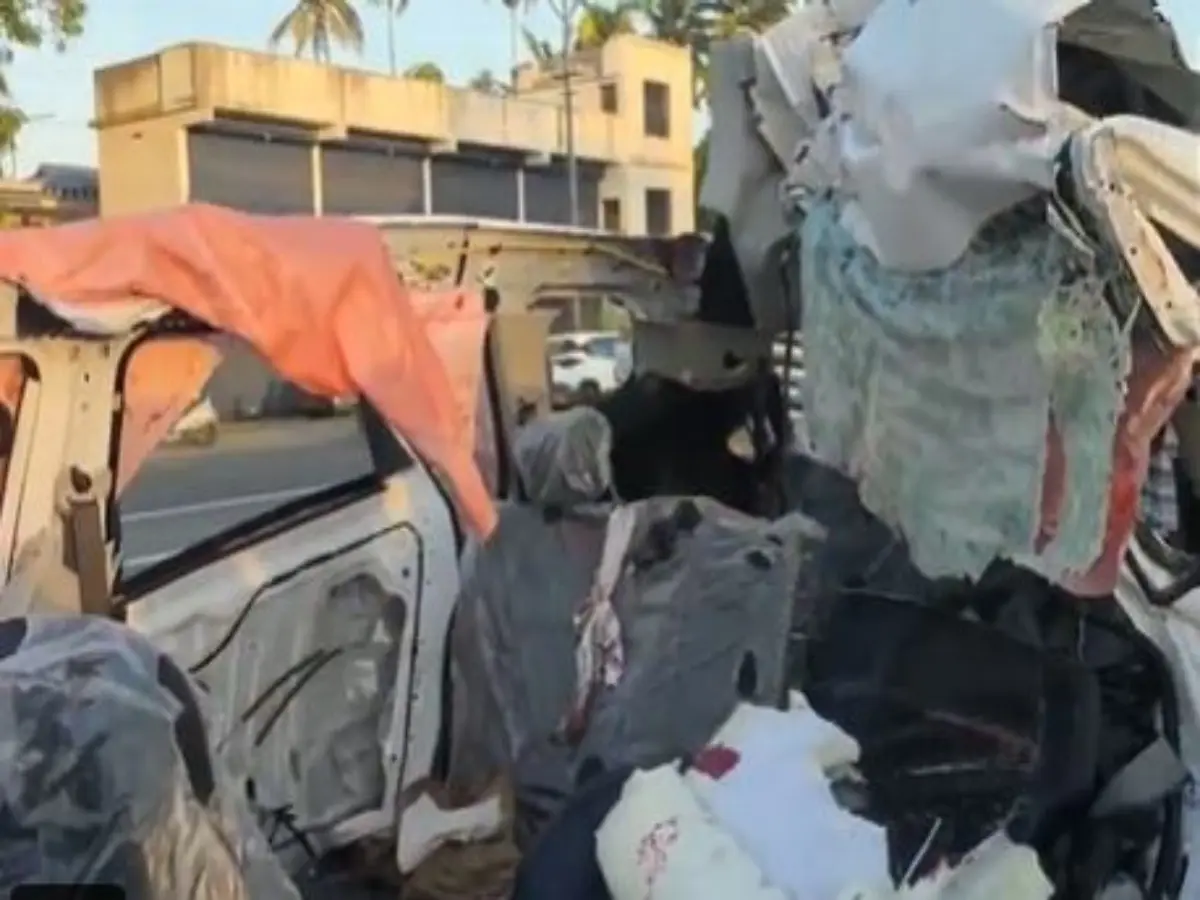)
Eight killed in Kerala’s Thrissur after car rams into lorry parked on highway
&im=FitAndFill=(700,400))
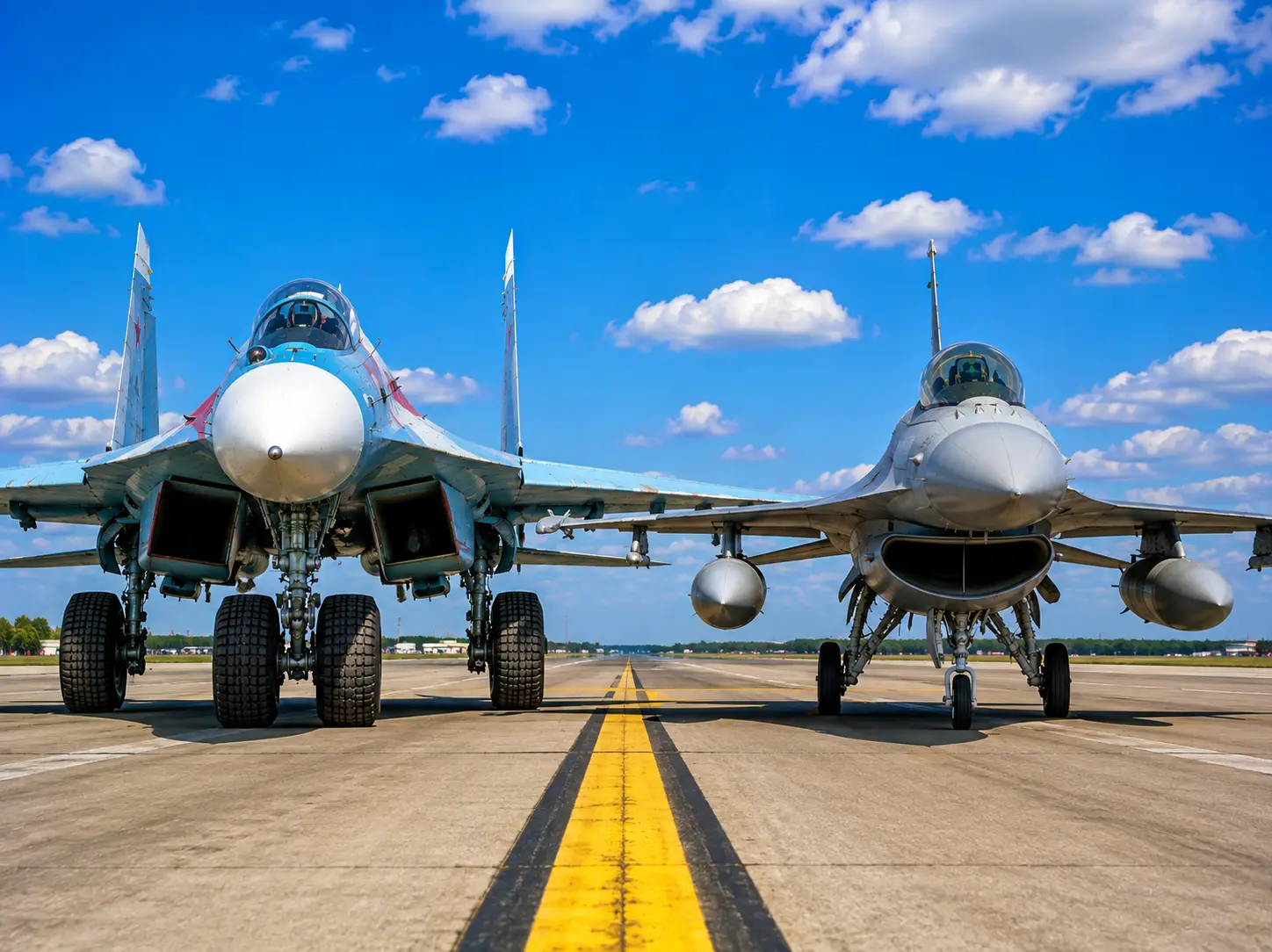
Why Russian fighter jets use bulky, low-pressure tyres compared to US jets
)
FBI-wanted fraud accused arrested in Jalandhar over $600,000 scam
&im=FitAndFill=(700,400))
Why US tanks weigh over 20 tons more than Russian tanks
&im=FitAndFill=(700,400))
New Friday OTT releases (September 4, 2026): GDN, Dhamaal 4, Jagamae Sangeetham- Watch 6 new movies and TV shows on Netflix, Prime Video and more
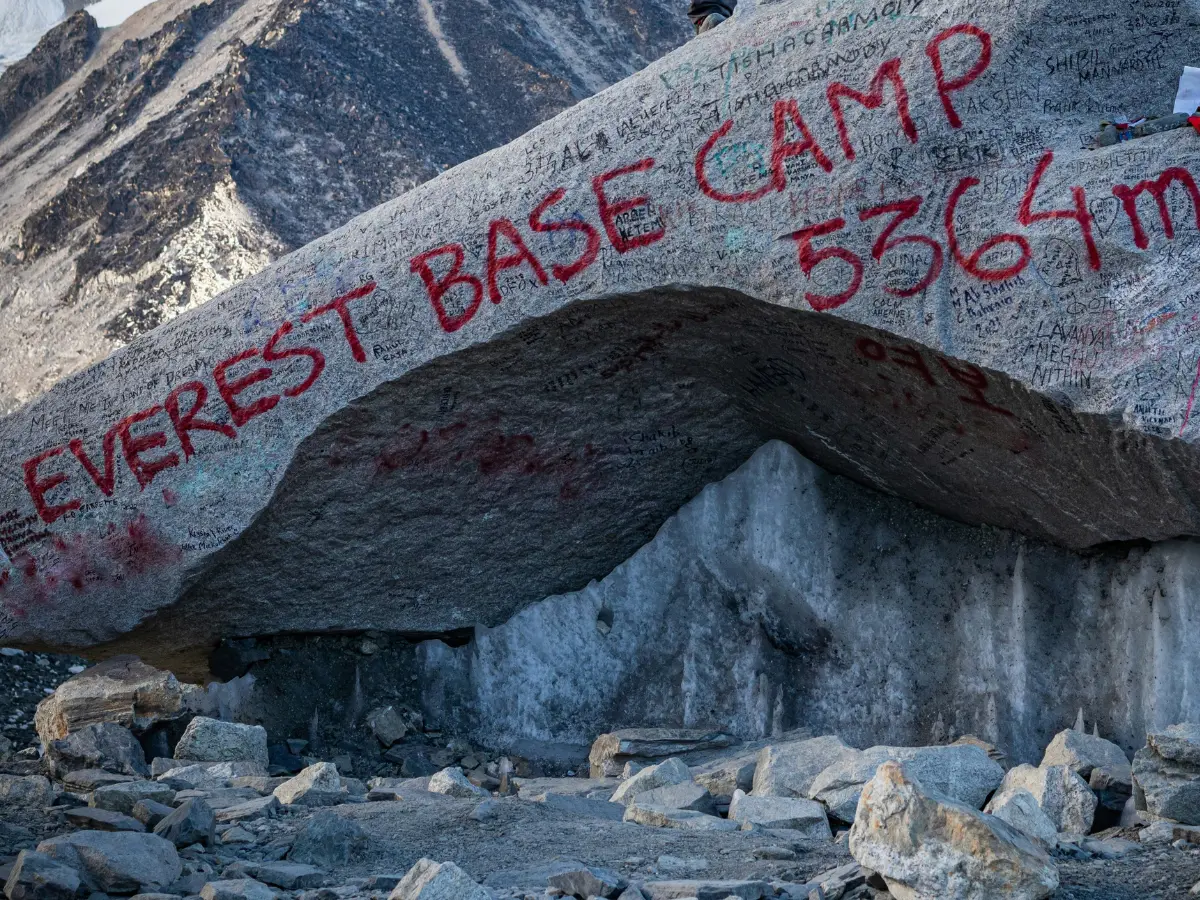)
Killing the Himalayas slowly: Human urine is melting a glacier on Mount Everest
It also stated that savings in expenditure seen in recent years, along with the possible carry-forward of higher small savings collections, could create extra fiscal room. At the same time, lower redemptions and tweaks in market borrowing may provide additional support.
On the fiscal outlook, ICRA said these buffers could help limit deviations from targets. "These buffers may help contain any significant deviation from the fiscal deficit target of 4.5 per cent of GDP for FY2026-27," the report stated and cautioned that outcomes depend on how long elevated energy prices continue.

