Why Russian fighter jets use bulky, low-pressure tyres compared to US jets

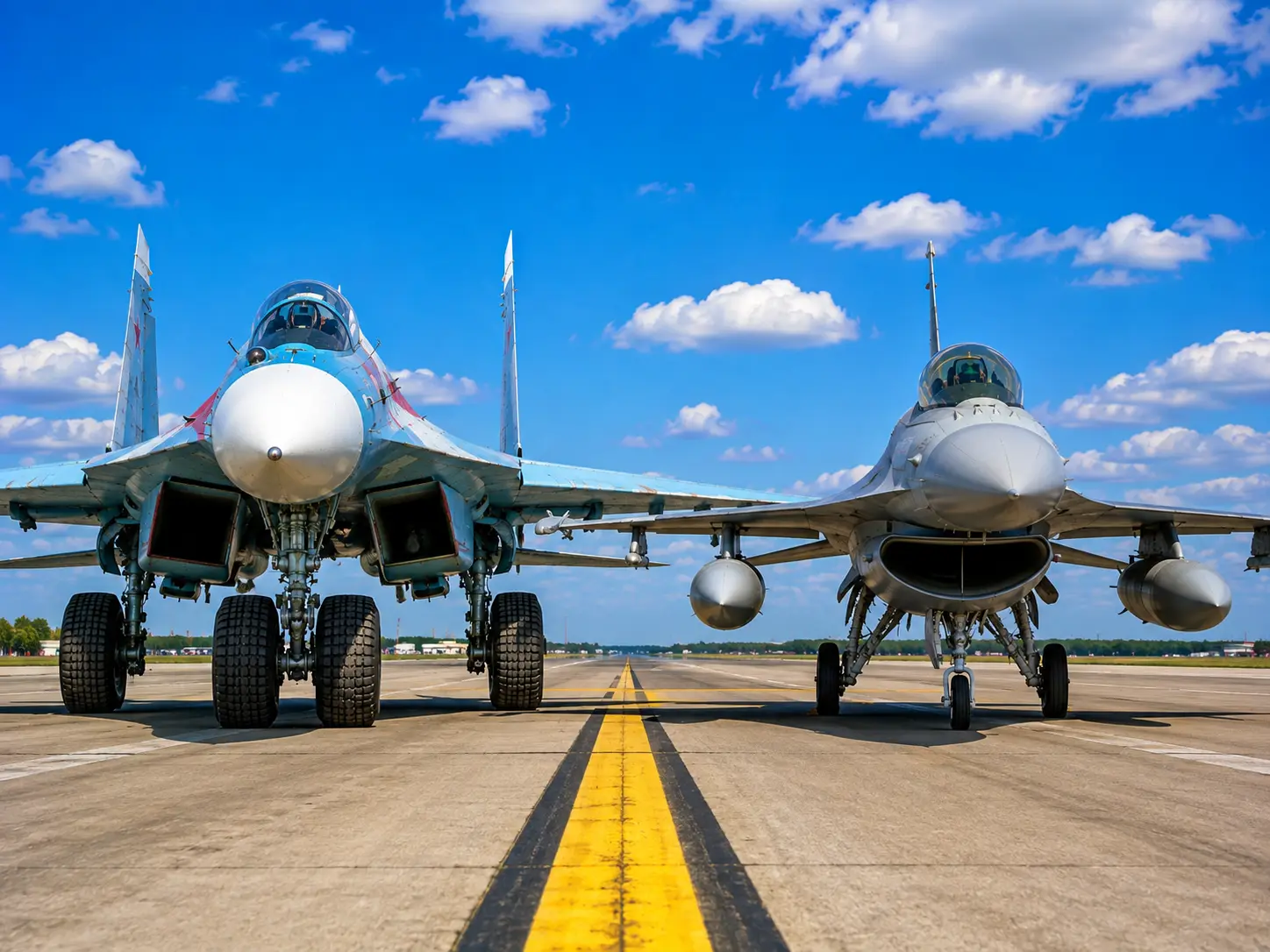
Russian jets use bulky, low-pressure tyres to operate from rough dirt runways. This design absorbs shocks and stops sinking, while specialised intake grilles block debris.
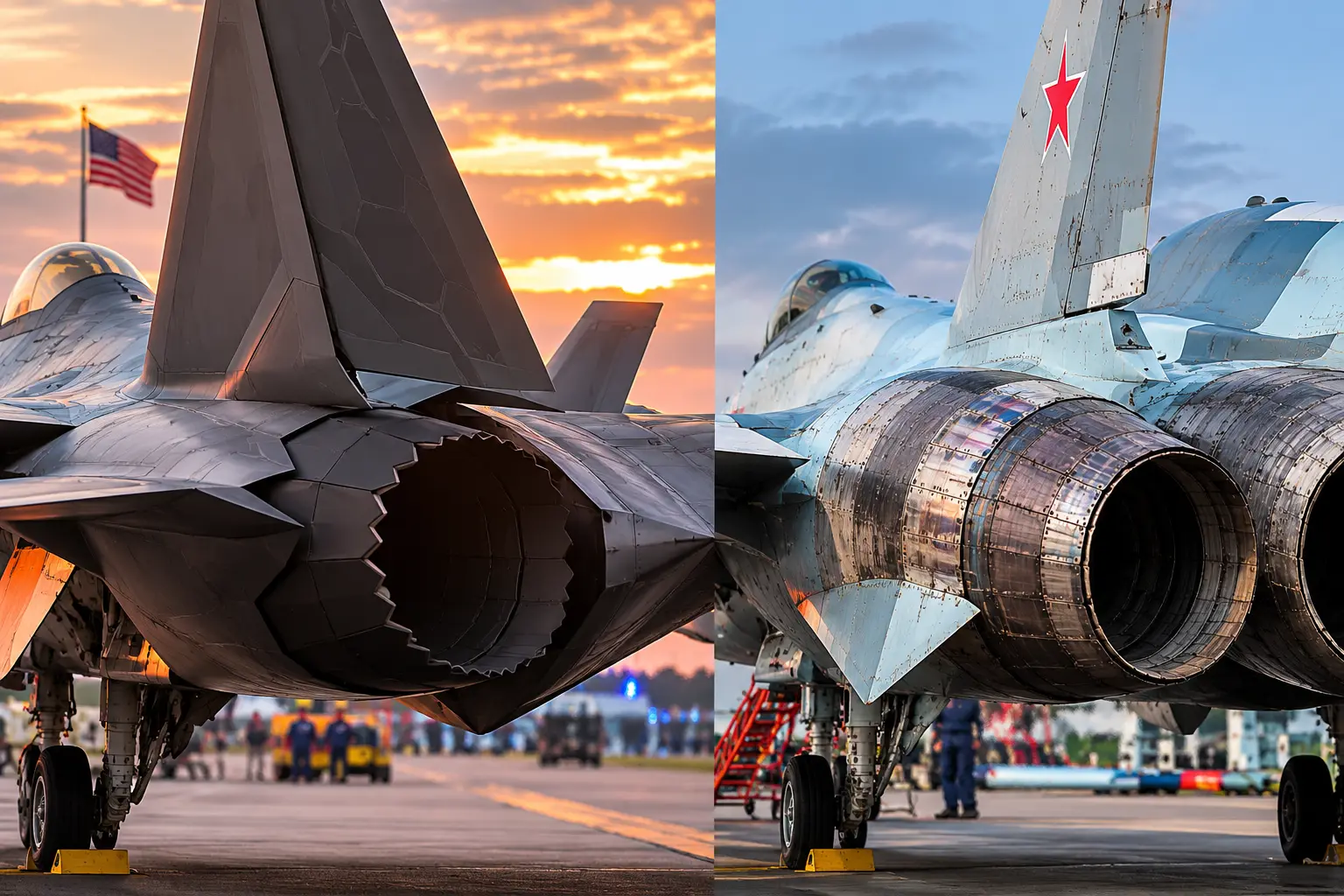
320 psi US Tyres
American fighters like the F-16 use hard tyres inflated to 320 psi to save on weight and storage space. While ideal for pristine concrete, these high-pressure tyres struggle on rough terrain. Russian jets use significantly lower tyre pressures to safely navigate uneven, unpaved airstrips.
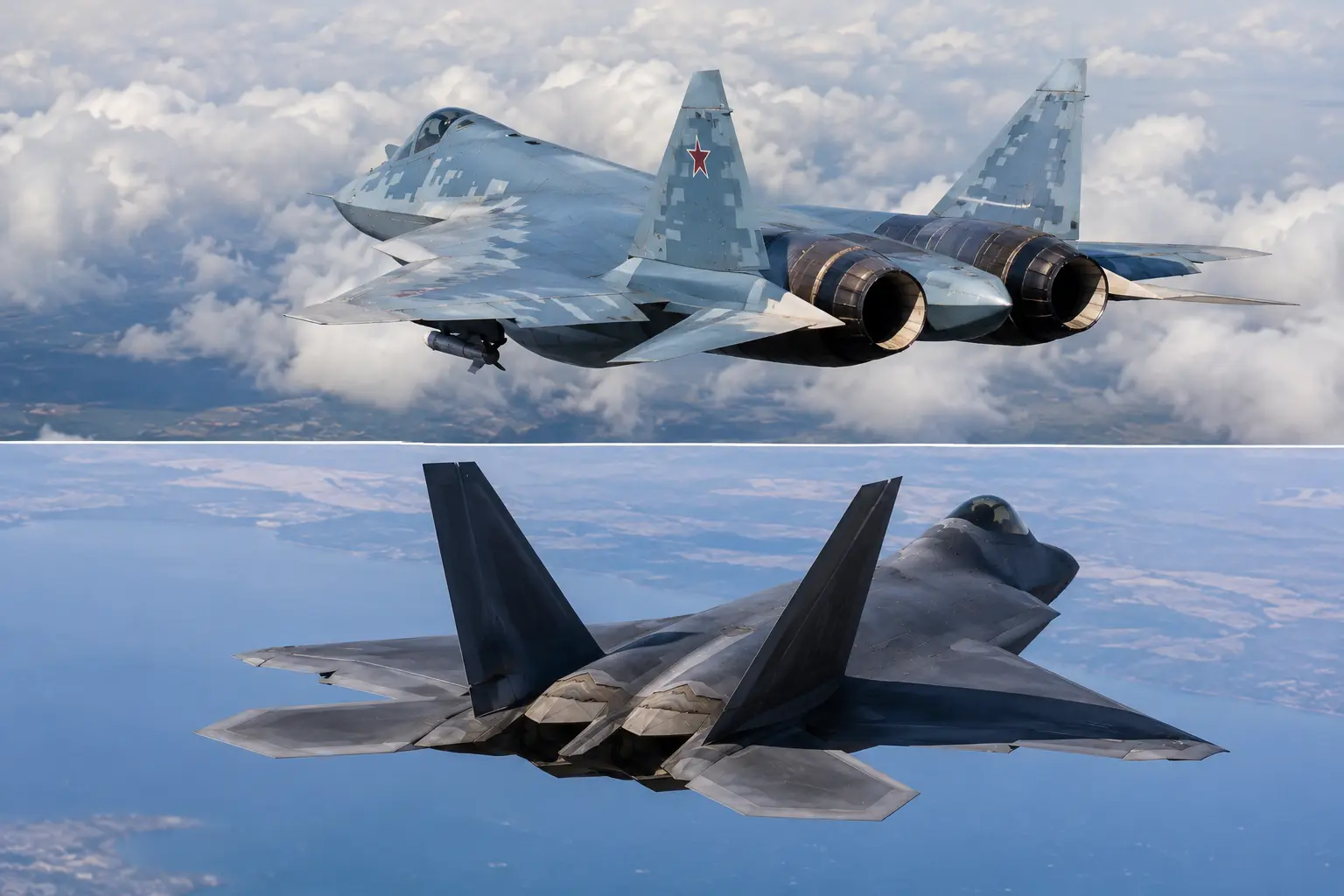
Spreading 30-Tonne Combat Loads
Heavy fighters like the Sukhoi Su-27 can weigh up to 30 tonnes when fully loaded. Bulky tyres spread this massive weight over a much larger surface area on the ground. This wider footprint effectively stops the aircraft from sinking into soft soil or mud while taxiing.
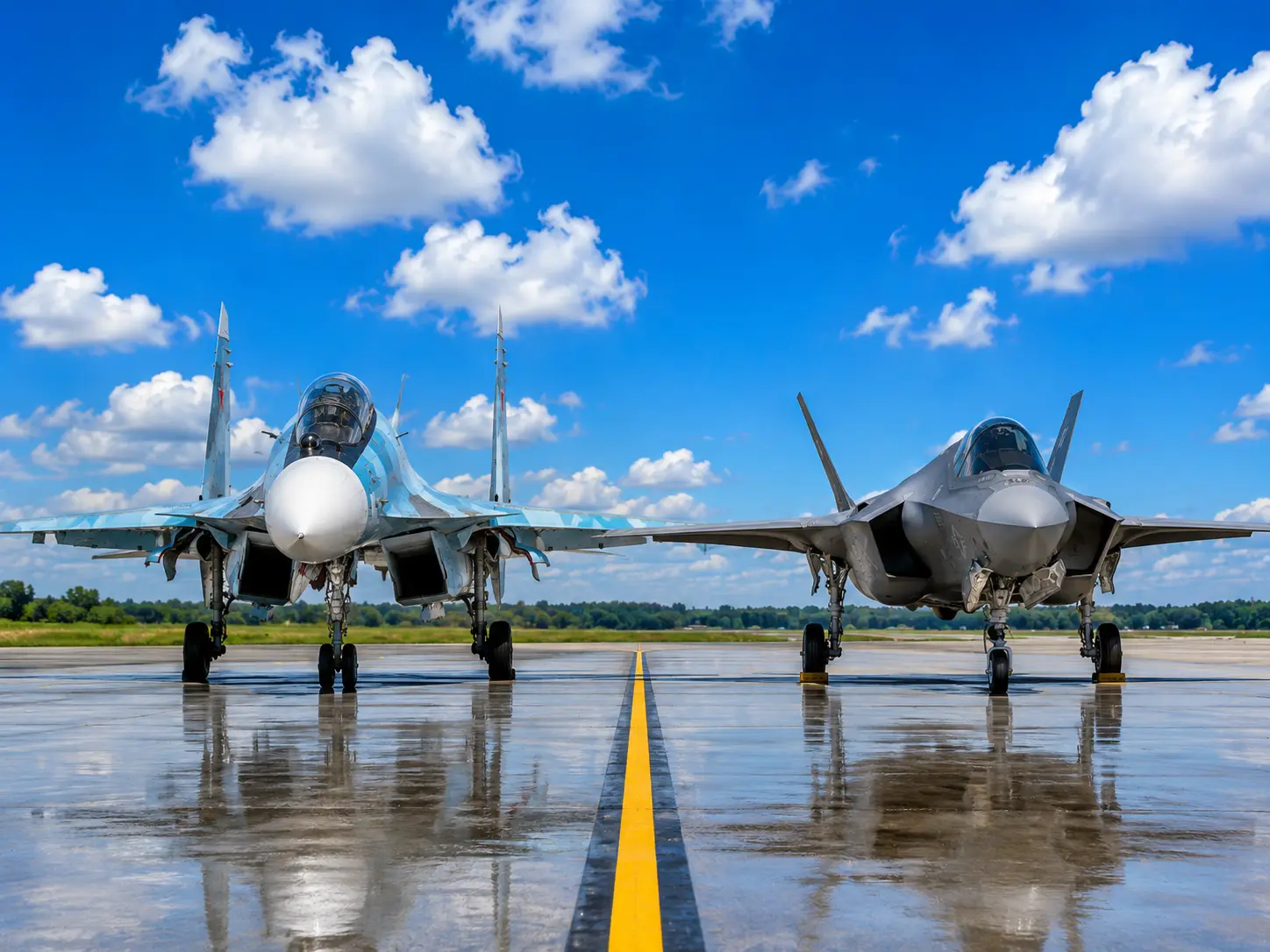
Absorbing 250 km/h Landings
When touching down at landing speeds around 250 km/h on pothole-ridden surfaces, standard tyres would easily burst. The bulky Russian tyres act as heavy-duty shock absorbers. They compress deeply upon impact to protect the metal landing gear struts from snapping under extreme stress.
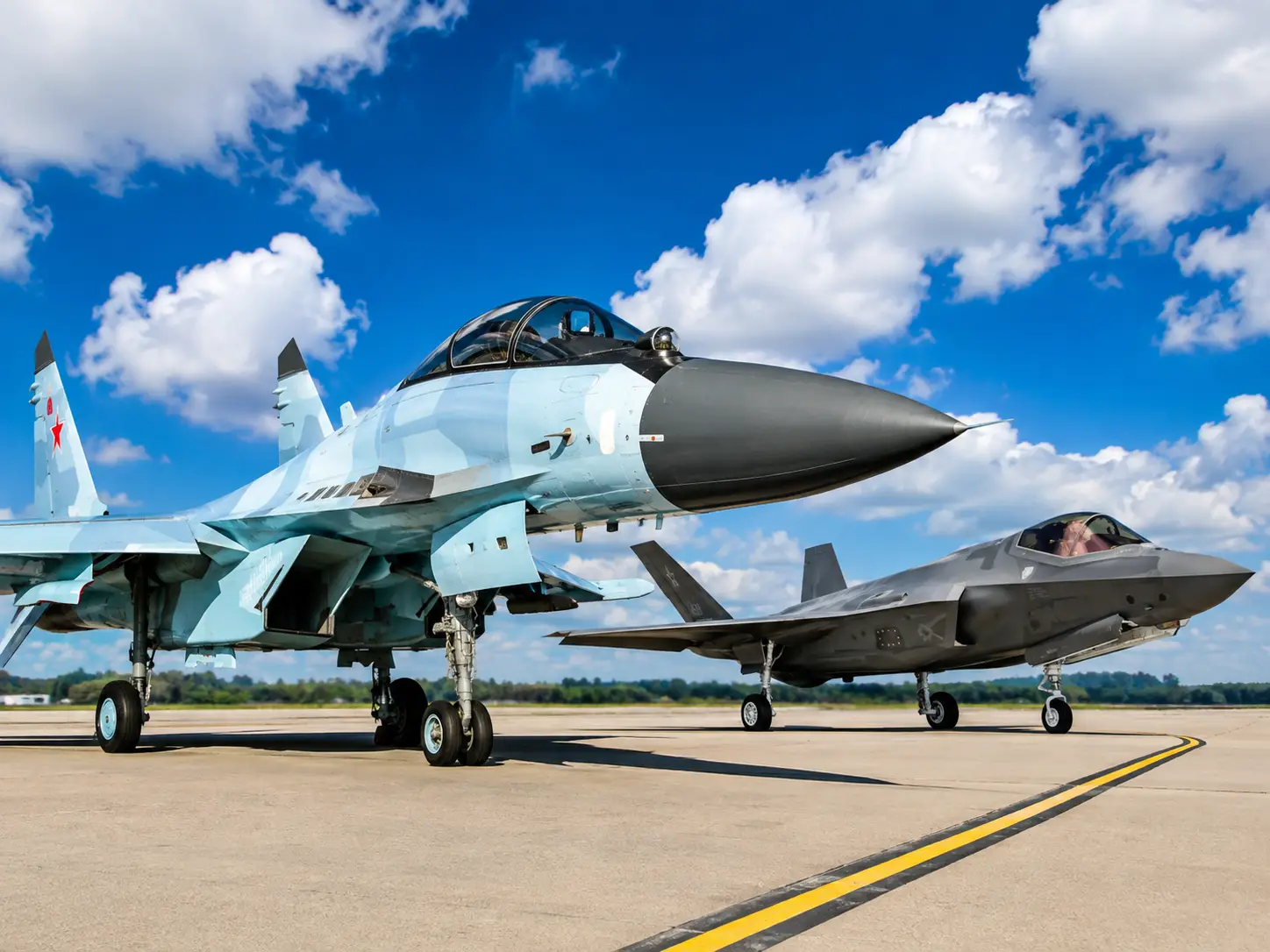
150 psi Nose Tyres
Aircraft like the Russian Su-34 utilise twin nose wheels inflated to roughly 150 psi to reduce ground pressure. Distributing the heavy load across two tyres instead of one prevents the front strut from digging into dirt. It also provides crucial redundancy during a rough landing.
Intake Grille Protection
Bulky tyres inevitably kick up rocks from unpaved strips, which mudguards help deflect. But for 100 per cent protection, Russian jets use heavy titanium grilles inside the intakes, while MiG-29s seal their main intakes and breathe through top-mounted louvres.
)
)
)
)
)