100 Years of Uttam Kumar: 7 films of the Mahanayak that every cinema lover must watch

Bengali superstar or Mahanayak Uttam Kumar’s screen presence was so pervasive that he didn't just star in films—he defined an era, leaving behind a cinematic legacy that remains the gold standard of Indian actor-stardom a century after his birth.
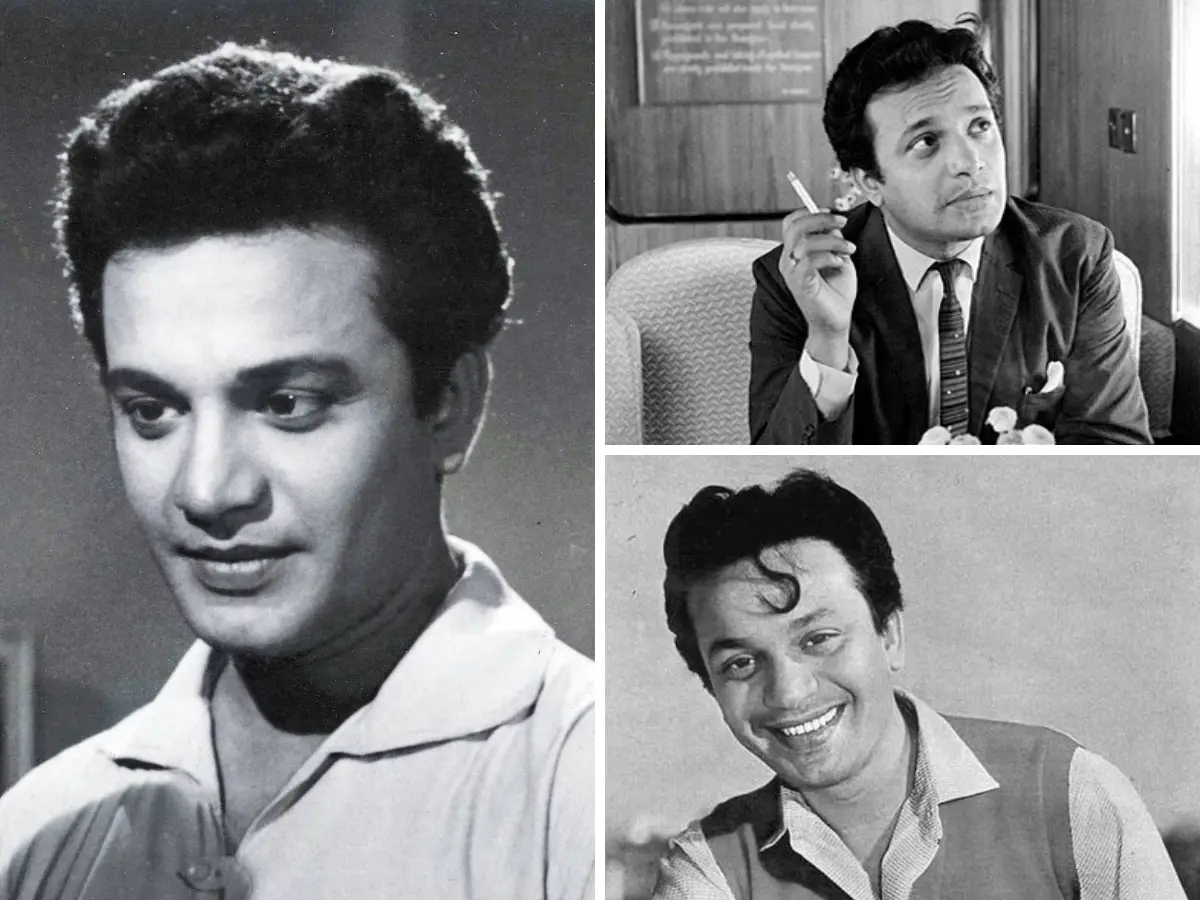
Celebrating Mahanayak Uttam Kumar
Long before Indian cinema coined the term "superstar," Bengal had its Mahanayak—a towering phenomenon who single-handedly reshaped the region's cultural imagination. Uttam Kumar was more than an actor; he was an emotion, an aesthetic, and the ultimate arbiter of post-independence Bengali identity.
Emerging from a string of early box-office failures to achieve an unprecedented, decades-long reign, he brought an effortless naturalism, soulful vulnerability, and magnetic charm to the screen, with each of his characters bridging the gap between commercial melodrama and parallel art cinema.
Whether serenading Suchitra Sen under moonlit skies, dissecting the anxiety of fame under Satyajit Ray’s lens, or portraying gritty anti-heroes in his later years, Uttam Kumar delved in all kinds of cinema and characters.
On his birth centenary, here are 7 essential films of Uttam Kumar that every film lover should watch.

Sharey Chuattor (1953)
Set in Annapurna Boarding House, a chaotic, male-dominated Calcutta mess-bari, the film follows the hilarious fallout when a young woman, Romola (Suchitra Sen), temporarily moves into the boarding house with her family. Uttam Kumar plays Rampriti, a resident who initially clashes with Romola over a phone misunderstanding before falling head-over-heels in love.
Why It’s Essential: Prior to 1953, Uttam Kumar had a string of back-to-back commercial failures. Sharey Chuattor was his breakout hit. It launched his career, established his comedic timing, and introduced the legendary Uttam-Suchitra screen pair.
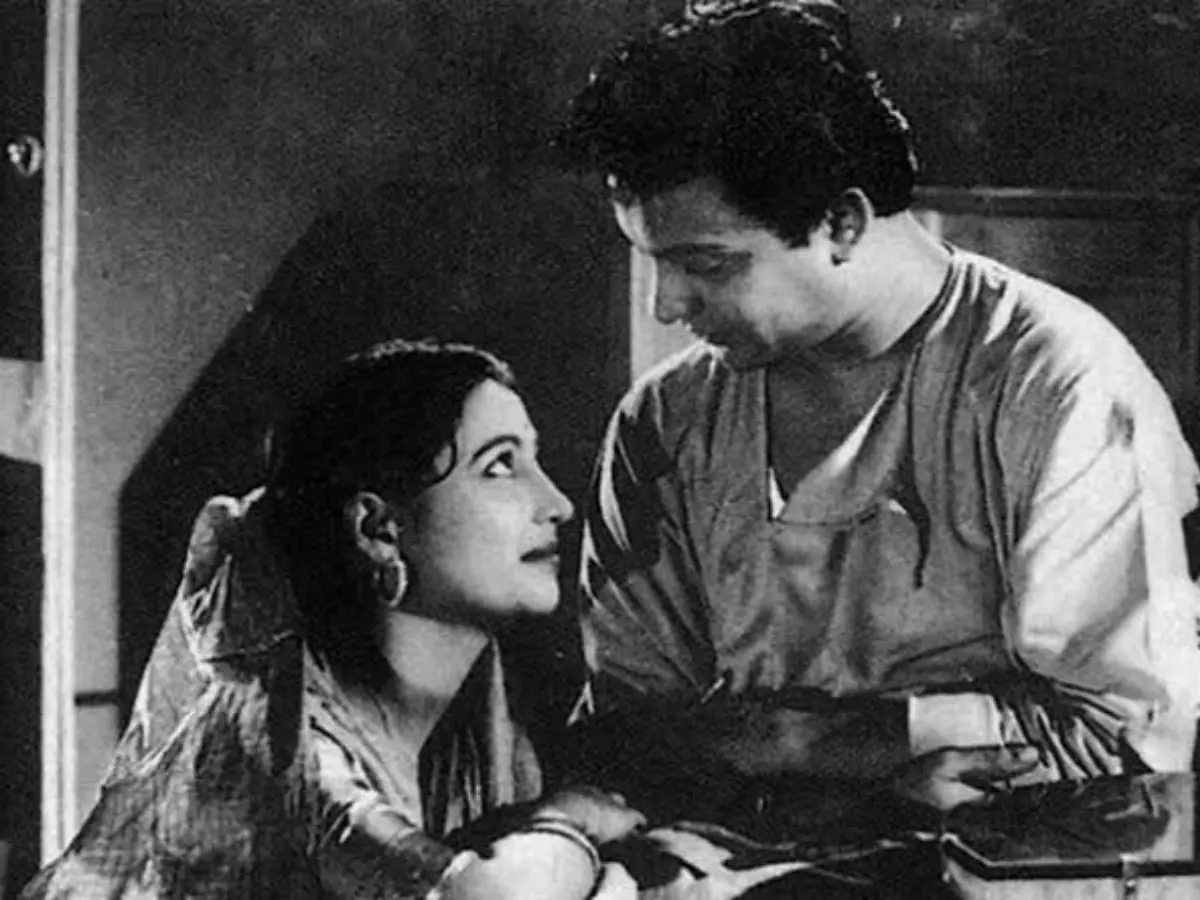
Harano Sur (1957)
Inspired by the 1942 Hollywood classic Random Harvest, the plot centers on Alok Mukherjee (Uttam), a wealthy industrialist who suffers amnesia after a train accident. Rescued by Dr. Roma (Suchitra), the two fall in love and marry in a quiet village. When a second accident restores Alok's original memory, he forgets Roma completely. Roma travels to Kolkata and takes a job as a governess in his estate, attempting to jog his memory without breaking his heart.
Why It’s Essential: Produced by Uttam Kumar himself under Alochaya Productions, this film solidified the refined, romantic aesthetic of late-1950s Bengali cinema. It features understated acting, soft lighting, and timeless melodies like "Tumi Je Amar".
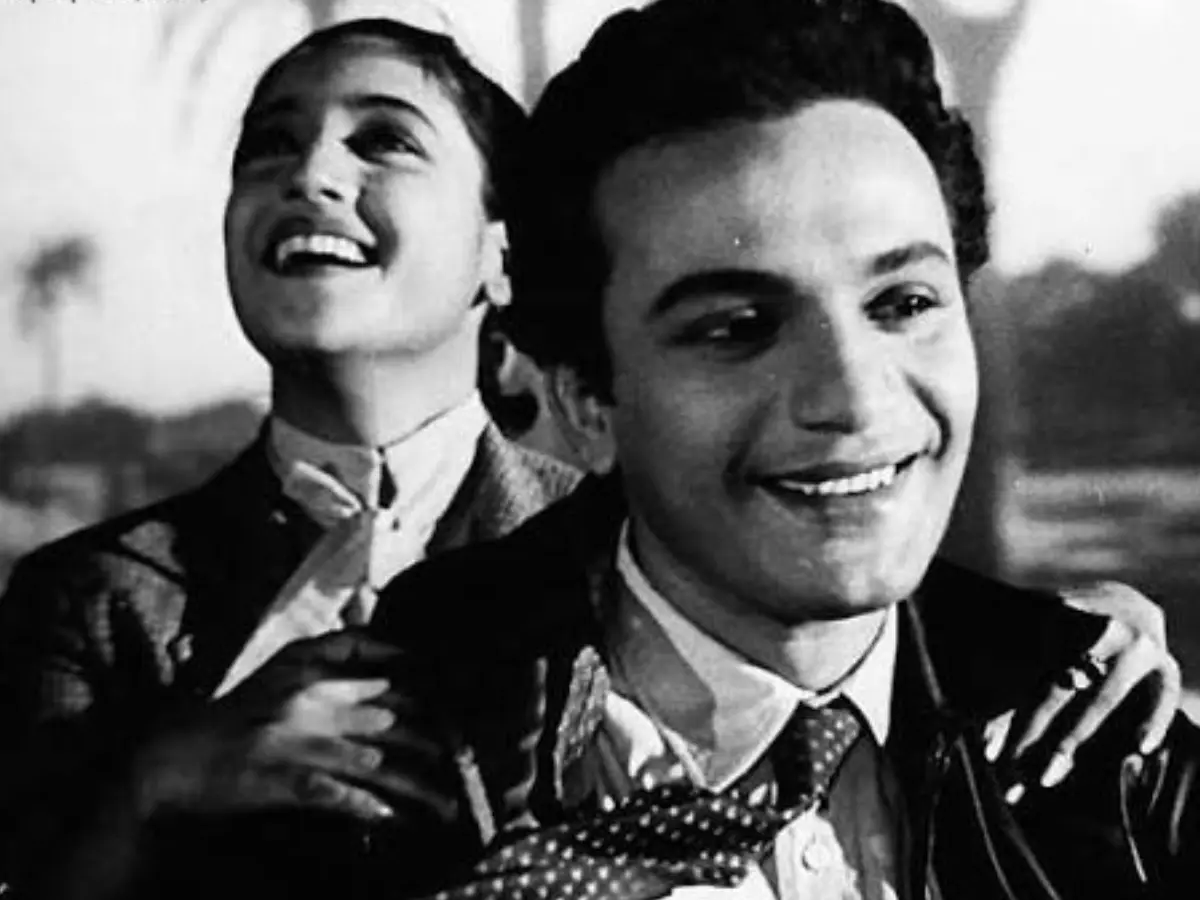
Saptapadi (1961)
Set against WWII, Krishnendu (Uttam), an orthodox Hindu medical student, falls in love with Rina Brown (Suchitra), an Anglo-Indian Christian classmate. Parental disapproval and religious barriers tear them apart, driving Krishnendu to convert to Christianity and become a military doctor, while a traumatized Rina descends into alcoholism. Fate reunites them at a military field hospital years later.
Why It’s Essential: The film features Shakespeare’s Othello play-within-a-film (with Utpal Dutt dubbing Uttam's English dialogue) and the famous BMW motorbike duet "Ei Path Jodi Na Shes Hoy". It stands as one of the highest-grossing and culturally enduring romance films in Indian cinema history.
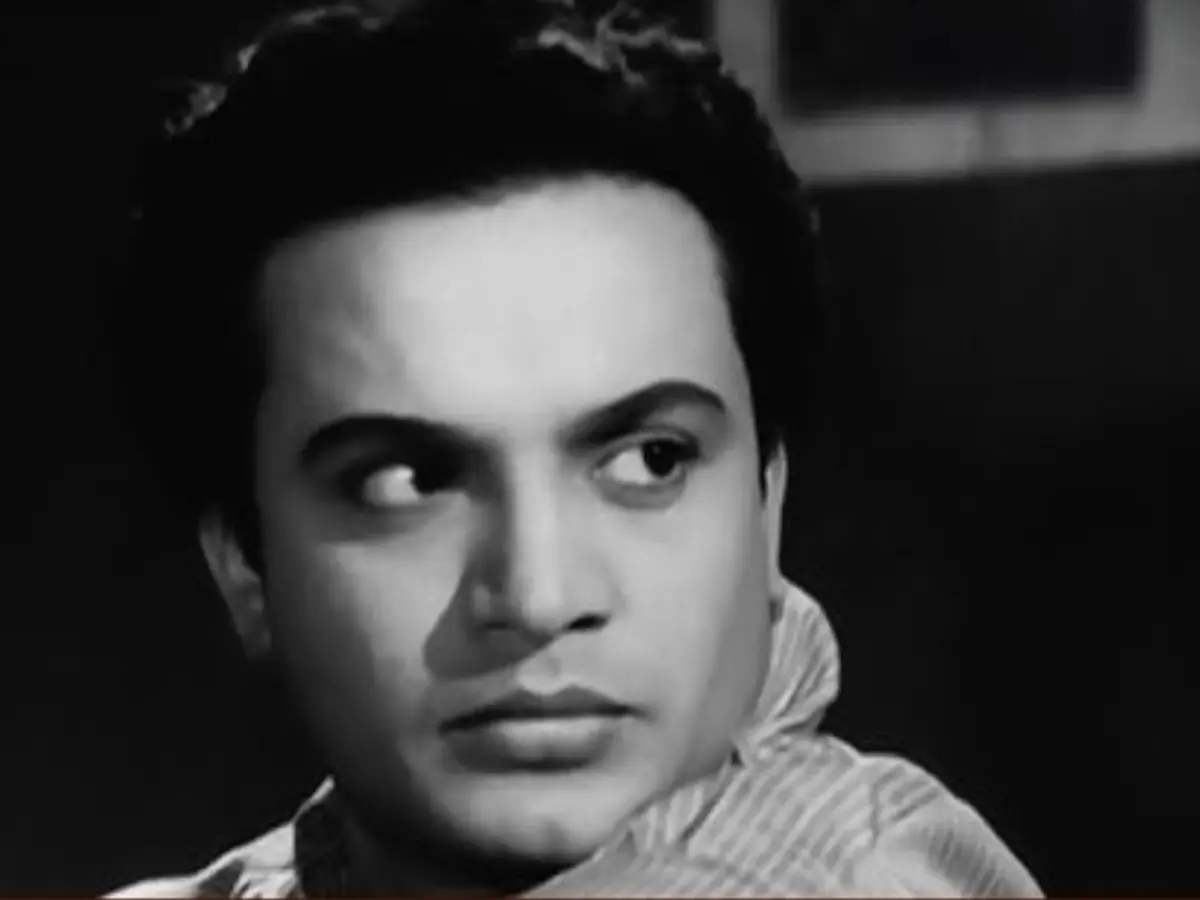
Bhranti Bilas (1963)
Adapted from Ishwar Chandra Vidyasagar's play (which was based on Shakespeare's The Comedy of Errors), the film follows two pairs of identical twins—master Chiranjib (Uttam) and servant Bhakti (Bhanu)—separated at birth. When one master-servant duo visits the town where the other resides, a series of mistaken identities, unpaid debts, and romantic mix-ups ensue.
Why it’s essential: Uttam Kumar’s double role demonstrated his comedic range and physical comedy skills. His screen chemistry with Bhanu Bandopadhyay carried the film and established the blueprint for later Bollywood remakes, such as Gulzar’s Angoor.
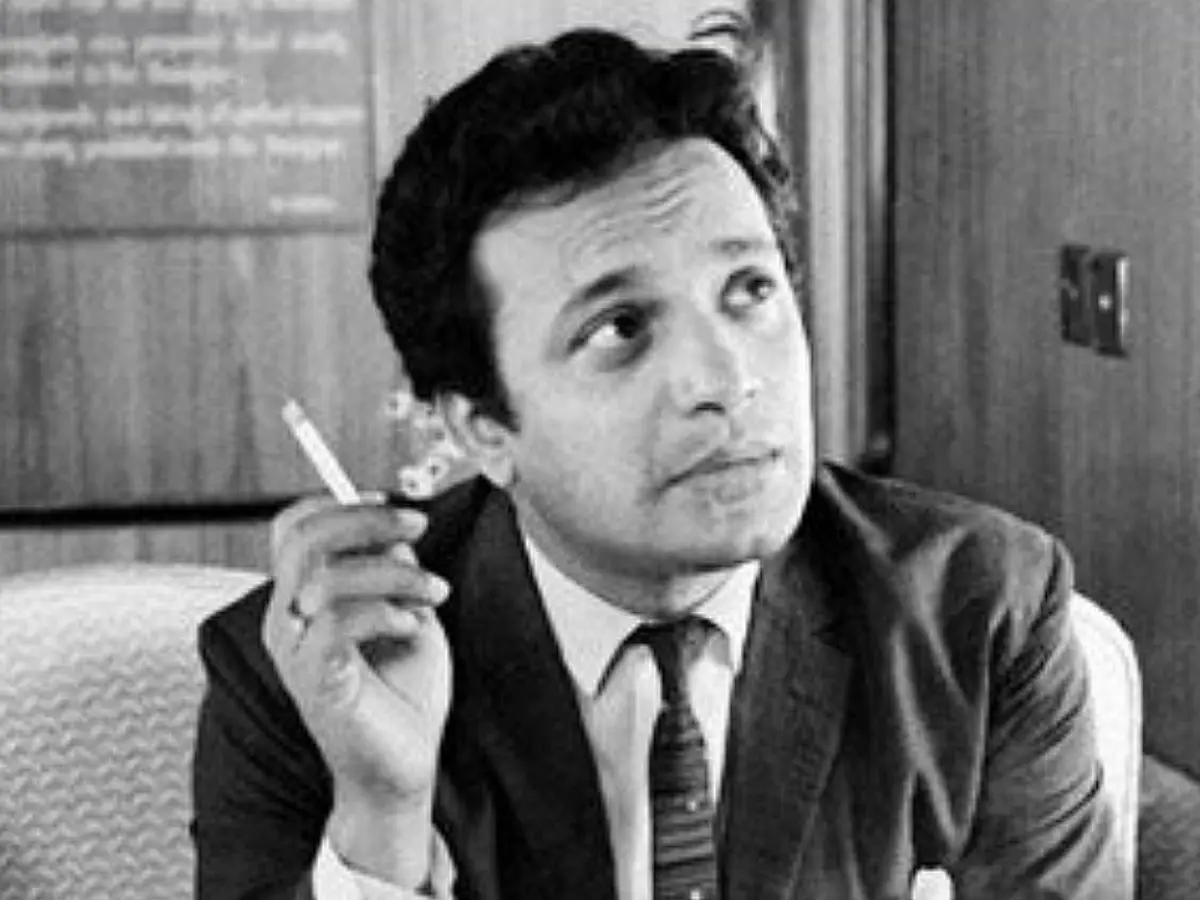
Nayak (1966)
On a 24-hour train journey from Kolkata to Delhi to accept a national award, movie superstar Arindam Mukherjee (Uttam) meets Aditi Sengupta (Sharmila), an independent editor of a women's magazine. Over a series of conversations, Arindam gradually lets down his guard, revealing his insecurities, moral compromises, guilt over abandoned friends, and fear of failure.
Why it is essential: Ray wrote the screenplay specifically for Uttam Kumar. The film acts as a meta-critique of stardom. Uttam delivered a restrained performance, using subtle expressions, nervous gestures, and dark sunglasses to convey the isolation hidden behind a public persona.
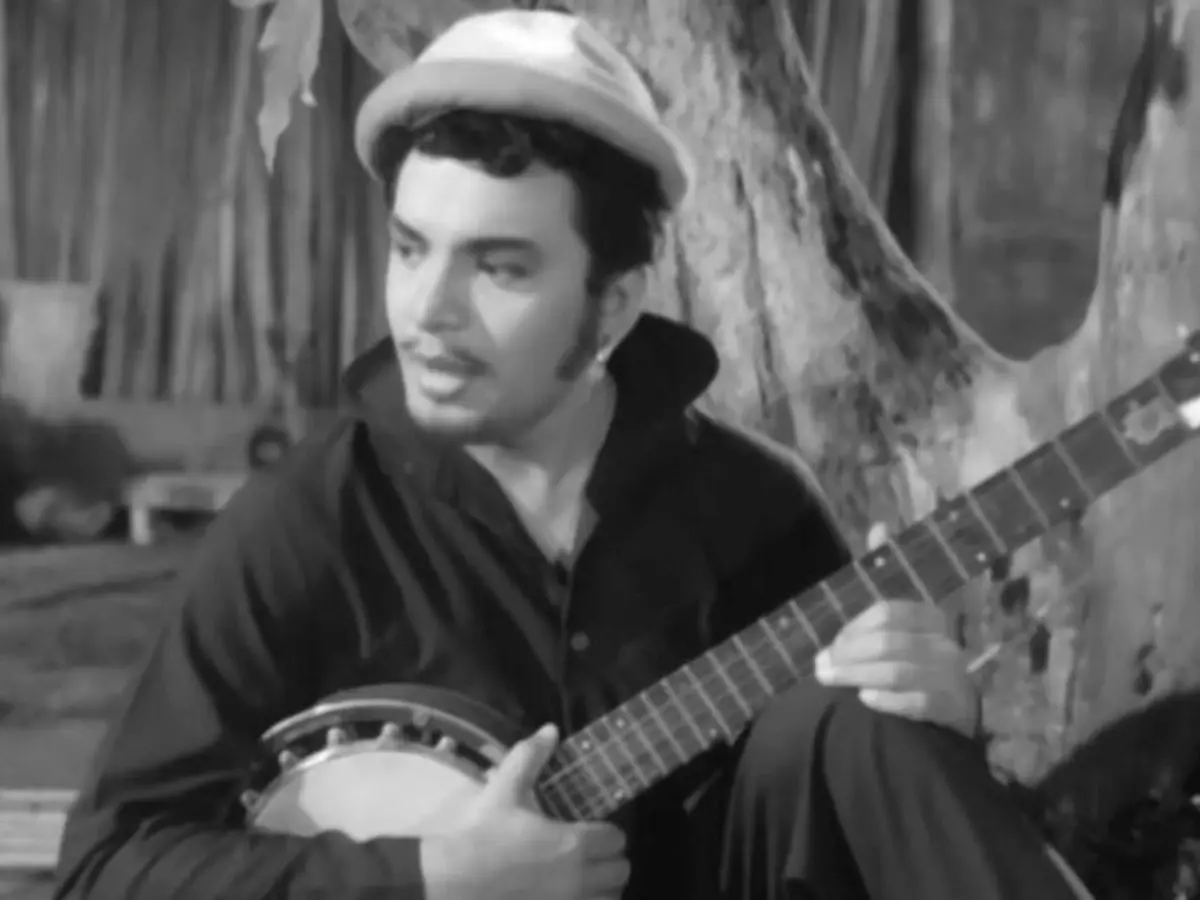
Antony Firingee (1967)
A biographical musical based on the life of Hensman Anthony, a 19th-century Portuguese man who fell in love with Bengal's culture, language, and devotional music. After marrying a young Hindu widow, Shakila/Nirupama (Tanuja), Anthony faces social rejection. He dedicates himself to mastering Kobi-gaan (poetic duel competitions), eventually earning the respect of local poets before tragedy strikes.
Why It’s Essential: Uttam Kumar won the 1st National Film Award for Best Actor (alongside his performance in Ray's Chiriyakhana) for this role. His portrayals of devotional fervor and romantic devotion were backed by iconic musical tracks sung by Manna Dey.
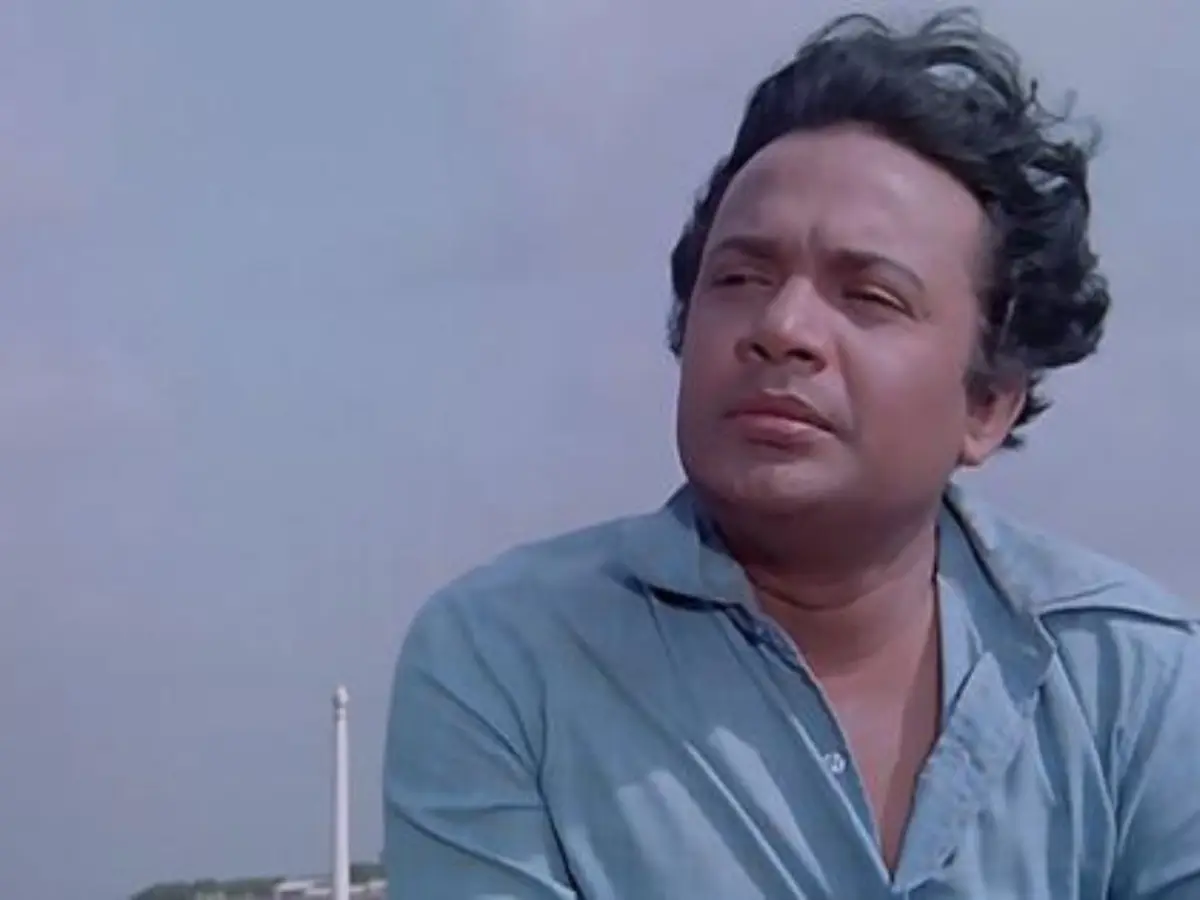
Amanush (1975)
Madhusudan (Uttam), an honest and wealthy young man living in the Sundarbans, is framed for theft and moral deviance by his uncle's scheming manager, Mahim Ghoshal (Utpal Dutt). Betrayed by his love, Rekha (Sharmila), Madhu descends into alcoholism and becomes an unkempt outcast—regarded by the village as a wild beast (Amanush). When a disastrous flood threatens the village embankment, Madhu gets a shot at redemption.
Why It’s Essential: Released as a bilingual film in both Bengali and Hindi, Amanush marked a late-career box-office comeback for Uttam Kumar across India. It showcased his ability to move past classic romantic roles into intense, weathered character portrayals.
)
)
)
)
)