What's inside Iran’s new ‘infiltration’ bill that could turn foreign contacts into crimes: Journalists and others face prison under this law

&imwidth=600&imheight=450&format=webp&quality=medium "What's inside Iran’s new ‘infiltration’ bill that could turn foreign contacts into crimes: Journalists and others face prison under this law")
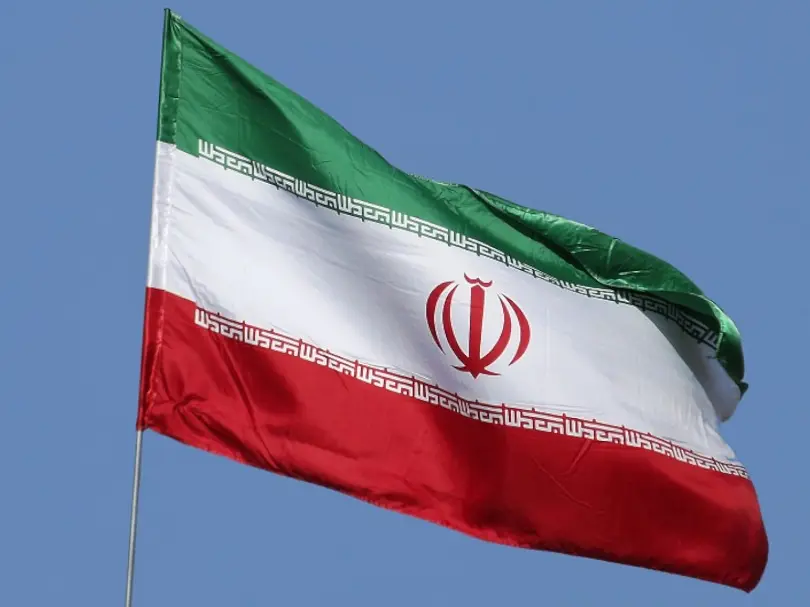
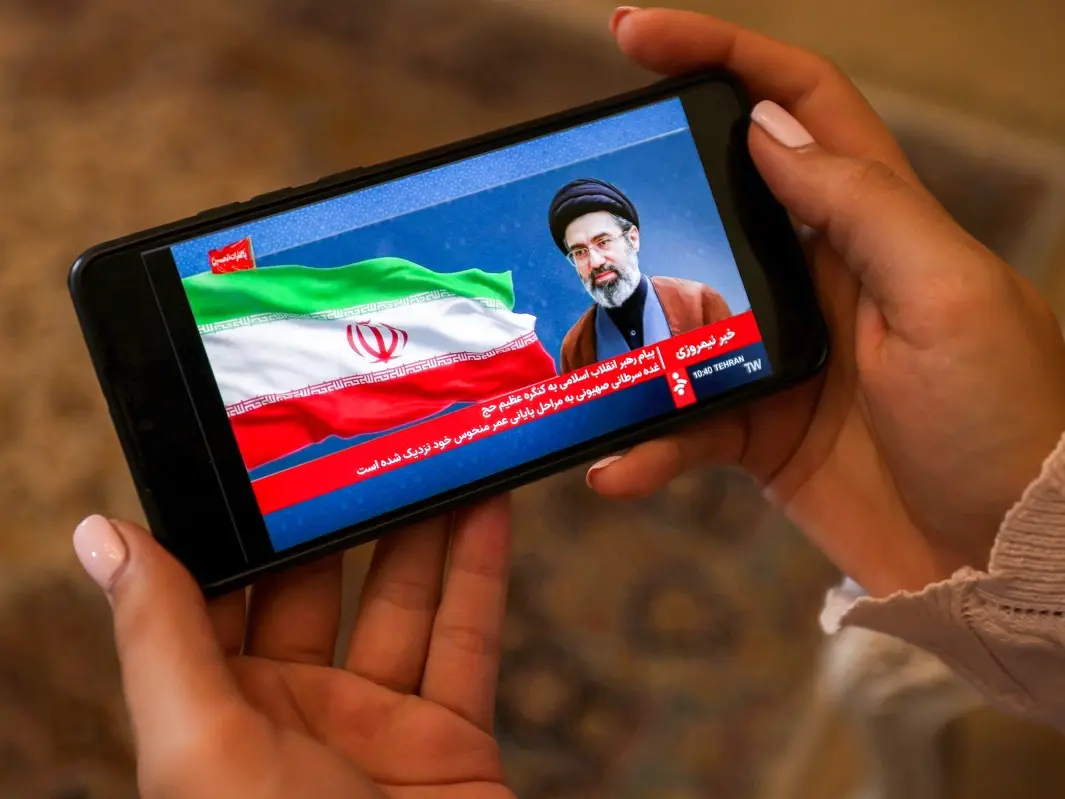
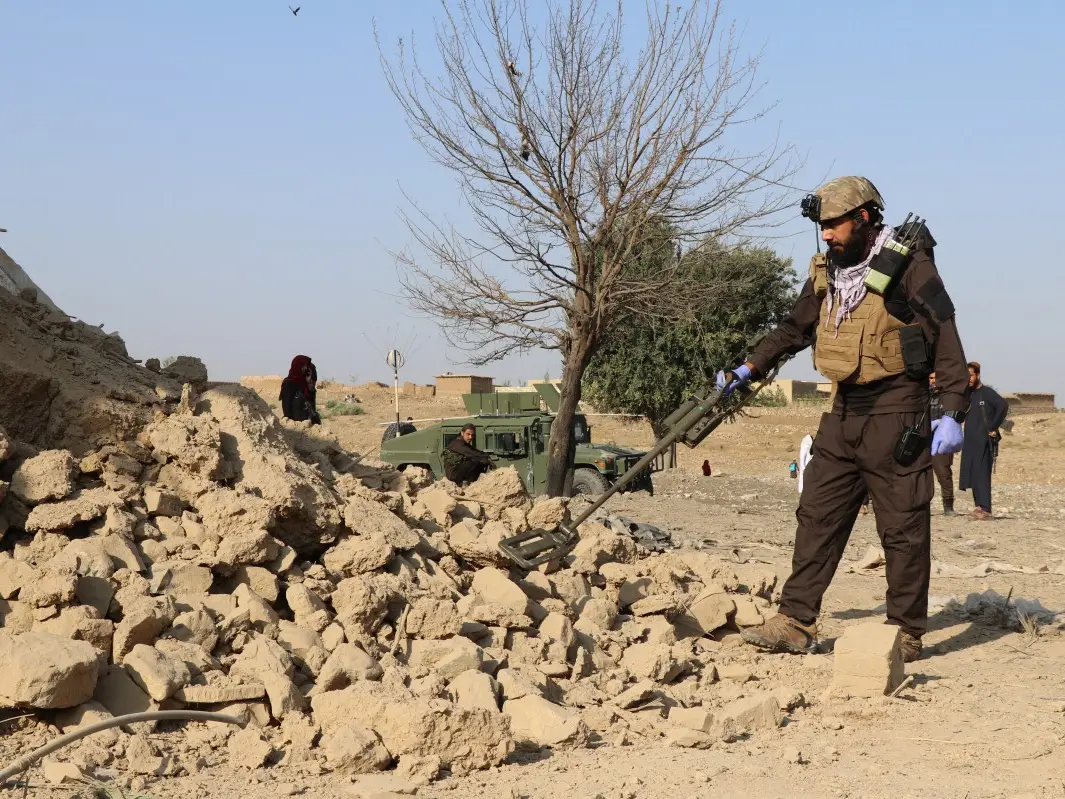
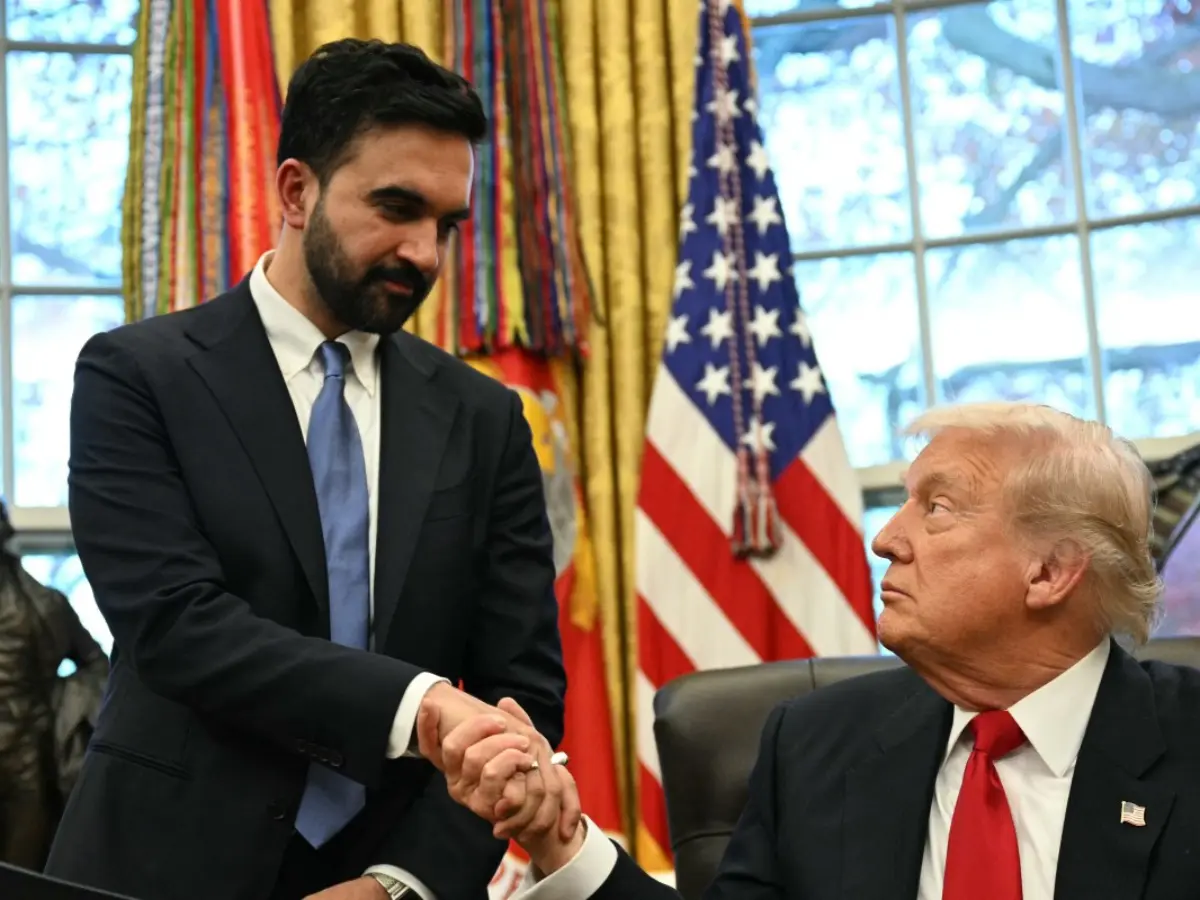
Image for representation Photograph: (AFP)
Iran's parliament approved the framework of an infiltration bill criminalising unauthorised communication with foreign media, universities, and institutions, punishable by imprisonment for journalists, academics, and citizens.
Iranian lawmakers have advanced a sweeping bill that could criminalise a wide range of interactions with foreign media, universities, embassies and organisations, giving authorities broader powers to prosecute what they consider foreign infiltration.
The Iranian parliament approved the general framework of the legislation on Sunday (Aug 16). However, the bill's current text has not been made public, and lawmakers have yet to approve its individual provisions. The final legislation could therefore differ significantly from the latest publicly available draft.
That draft, which contains 19 articles, outlines prison terms, professional restrictions and other penalties covering journalism, academia, civil society, culture and communications with foreign individuals and organisations.
The legislation comes as Iranian authorities have intensified scrutiny and prosecutions over alleged links to foreign governments and media, particularly amid heightened tensions with the United States and Israel.
What could become a crime?
Trending Stories
)
)
)
)
)
)
)
)
)
)
)
)
)
)
)
)
)
)
)
)
)
)
)
)
)
)
)
)
)
)
)
)
)
)
&im=FitAndFill=(700,400))
)
)
)
)
One of the most far-reaching provisions is Article 7, which would prohibit sending messages, photographs, videos, audio recordings or other data to non-Iranian media organisations or individuals involved in media activities abroad.
Those found guilty could face prison terms, with tougher punishment possible if the communication was linked to employment, deemed intended to undermine national security or took place during a period of what the bill describes as “crisis,” “unrest” or “rioting”.
Article 6 would separately restrict communication with media outlets classified as hostile, including American or Israeli-funded organisations.
Communication with other foreign media would require notification through a system overseen by Iran’s Intelligence Ministry. Failure to make the required notification could itself result in imprisonment.
The provisions could have significant implications for journalists, academics, researchers and ordinary Iranians who communicate with people or organisations outside the country.
Foreign universities, academic ties under scrutiny
The bill would also place tighter controls on international academic cooperation.
Under Article 5, Iran’s Intelligence Ministry would publish an annual list of foreign governments, universities and institutions approved for scholarships, academic agreements, conferences and scientific cooperation.
Also read: Iran knew Trump’s exact Ankara location as US detected missile threat against Air Force One: Report
Cooperation with institutions not included on the list could result in imprisonment. The same could apply to sending medical, scientific or archaeological samples to unauthorised institutions.
The measure would effectively give the authorities greater control over which international academic partnerships are permitted.

