Iran reaches Hormuz revenue sharing deal with Oman, Pezeshkian says US sanctions cannot force Tehran

&imwidth=600&imheight=450&format=webp&quality=medium "Iran reaches Hormuz revenue sharing deal with Oman, Pezeshkian says US sanctions cannot force Tehran")
Photograph: (AFP)
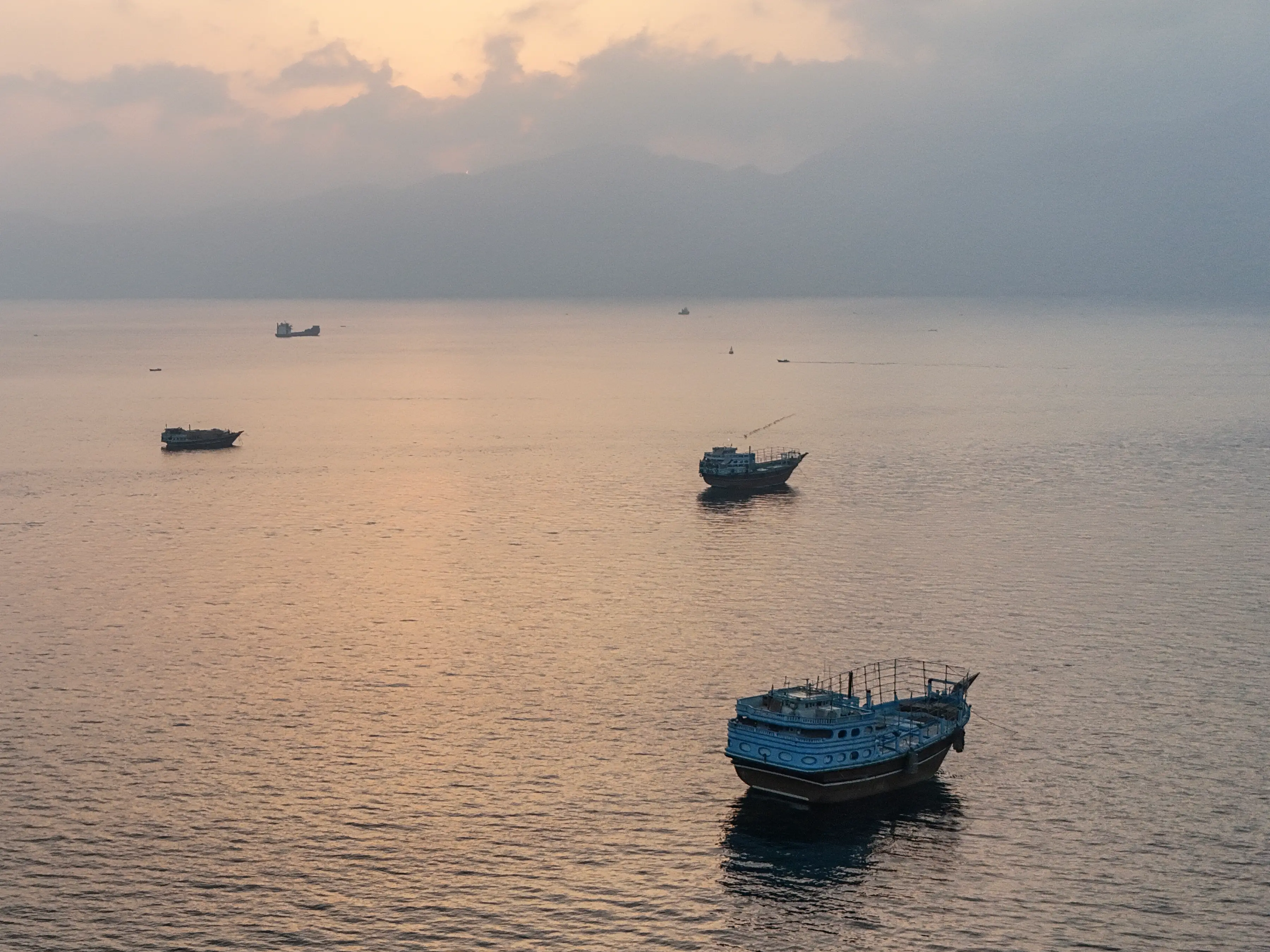
After weeks of negotiations, Iran and Oman reached a deal to share revenues from the Strait of Hormuz, but Tehran maintained that the waterway’s full reopening would depend on the US lifting its naval blockade and meeting other Iranian demands.
Iran's Revolutionary Guards said on Wednesday (August 26) that Tehran and Oman had reached an agreement on sharing revenues from the Strait of Hormuz, a day after the two countries held high-level talks in Tehran.
Revolutionary Guards spokesman Hossein Mohebi said the discussions covered the share of the waters and revenues between Iran and Oman.
"During negotiations with Oman, some agreements were made regarding each country's share of the waters of the Strait and Iran's and Oman's shares of its revenues," Mohebi said.
However, Mohebi accused the United States of "obstructing work" to complete the agreement.
The announcement came a day after the foreign ministers of Iran and Oman met in Tehran. Their talks focused on a proposed temporary transit corridor through the Strait of Hormuz and a project to clear mines from the waterway.
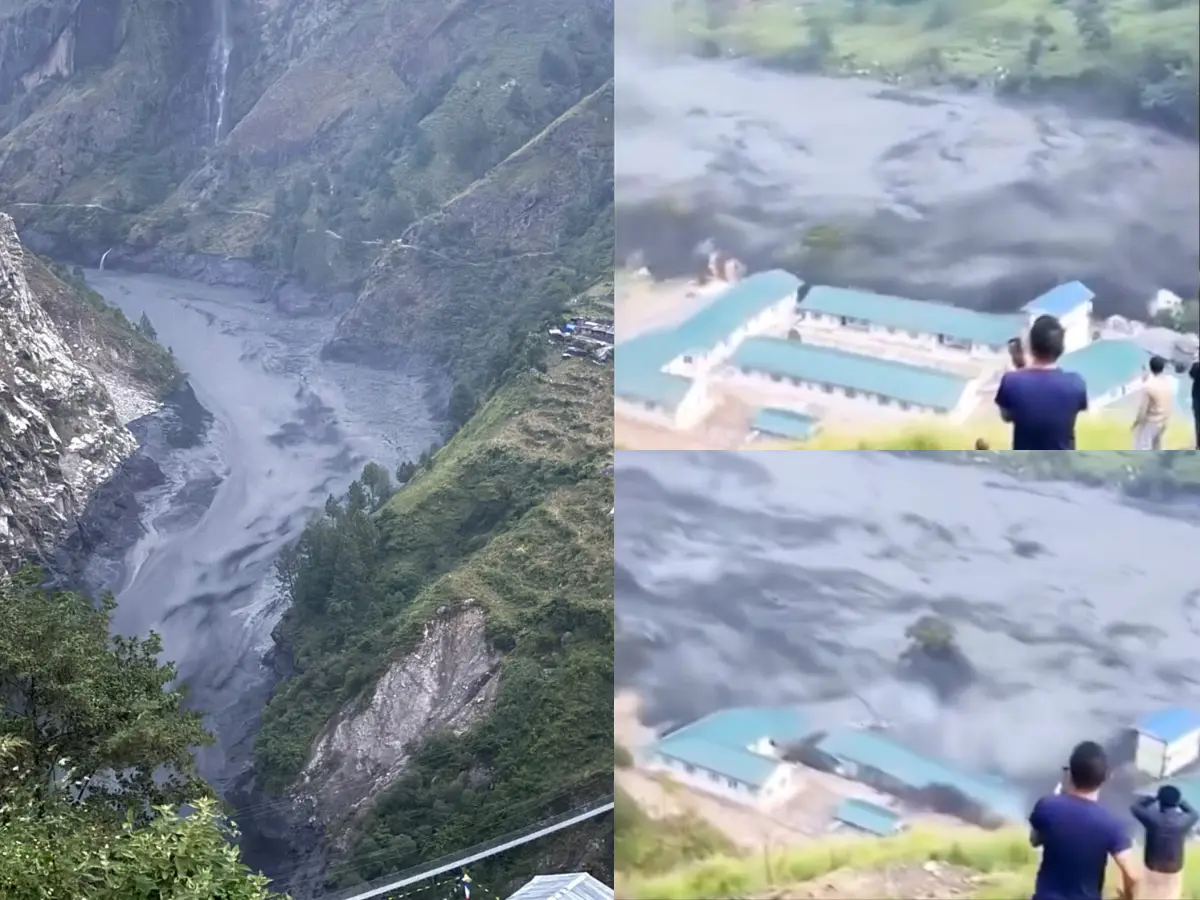
Also Read: High alert in neighbouring states of UP and Bihar after devastating flash floods in Nepal
Trending Stories
&imwidth=280&imheight=210&format=webp&quality=medium)
&imwidth=280&imheight=210&format=webp&quality=medium)
&imwidth=280&imheight=210&format=webp&quality=medium)
&im=FitAndFill=(700,400)&imwidth=280&imheight=210&format=webp&quality=medium)
&imwidth=280&imheight=210&format=webp&quality=medium)
&imwidth=280&imheight=210&format=webp&quality=medium)
&imwidth=280&imheight=210&format=webp&quality=medium)
&imwidth=280&imheight=210&format=webp&quality=medium)
&imwidth=280&imheight=210&format=webp&quality=medium)
&imwidth=280&imheight=210&format=webp&quality=medium)
&imwidth=280&imheight=210&format=webp&quality=medium)
&imwidth=280&imheight=210&format=webp&quality=medium)
&imwidth=280&imheight=210&format=webp&quality=medium)
&im=FitAndFill=(700,400)&imwidth=280&imheight=210&format=webp&quality=medium)
&imwidth=280&imheight=210&format=webp&quality=medium)
&imwidth=280&imheight=210&format=webp&quality=medium)
&imwidth=280&imheight=210&format=webp&quality=medium)
&imwidth=280&imheight=210&format=webp&quality=medium)
&imwidth=280&imheight=210&format=webp&quality=medium)
&imwidth=280&imheight=210&format=webp&quality=medium)
&imwidth=280&imheight=210&format=webp&quality=medium)
&imwidth=280&imheight=210&format=webp&quality=medium)
&imwidth=280&imheight=210&format=webp&quality=medium)
&imwidth=280&imheight=210&format=webp&quality=medium)
&imwidth=280&imheight=210&format=webp&quality=medium)
&imwidth=280&imheight=210&format=webp&quality=medium)
&imwidth=280&imheight=210&format=webp&quality=medium)
&imwidth=280&imheight=210&format=webp&quality=medium)
&imwidth=280&imheight=210&format=webp&quality=medium)
&imwidth=280&imheight=210&format=webp&quality=medium)
&imwidth=280&imheight=210&format=webp&quality=medium)
&imwidth=280&imheight=210&format=webp&quality=medium)
&imwidth=280&imheight=210&format=webp&quality=medium)
&imwidth=280&imheight=210&format=webp&quality=medium)
&imwidth=280&imheight=210&format=webp&quality=medium)
&imwidth=280&imheight=210&format=webp&quality=medium)
&imwidth=280&imheight=210&format=webp&quality=medium)
&im=FitAndFill=(700,400)&imwidth=280&imheight=210&format=webp&quality=medium)
&imwidth=280&imheight=210&format=webp&quality=medium)
&imwidth=280&imheight=210&format=webp&quality=medium)
&imwidth=280&imheight=210&format=webp&quality=medium)
&imwidth=280&imheight=210&format=webp&quality=medium)
&im=FitAndFill=(700,400)&imwidth=280&imheight=210&format=webp&quality=medium)
Pezeshkian rejects US sanctions pressure
Iranian President Masoud Pezeshkian also rejected Washington's economic pressure campaign on Wednesday, saying US sanctions would not achieve their intended goal.
"America will not achieve anything with economic pressure at this stage, just as it was unable to achieve anything in the war," Pezeshkian said, according to Iran's ISNA news agency.
The statement came as US President Donald Trump has shifted his focus towards economic measures amid pressure at home over the impact of the conflict. Washington has expanded sanctions and warned countries of consequences if they do not join the pressure campaign.
Iranian leaders have remained defiant and said they have a two-year plan to deal with the pressure. Iran's army also said on Wednesday that it had rebuilt or replaced all weapons systems damaged during the fighting.
The war began after US-Israeli strikes on the Islamic Republic on February 38 and has since spread across the Middle East. The conflict has disrupted global trade and energy security after Iran closed the Strait of Hormuz in retaliation. The waterway handles nearly 20 per cent of global oil and gas shipments.
Meanwhile, peace negotiations remain stalled. The breach of a Memorandum of Understanding between Washington and Tehran has failed to produce a diplomatic outcome to the conflict.