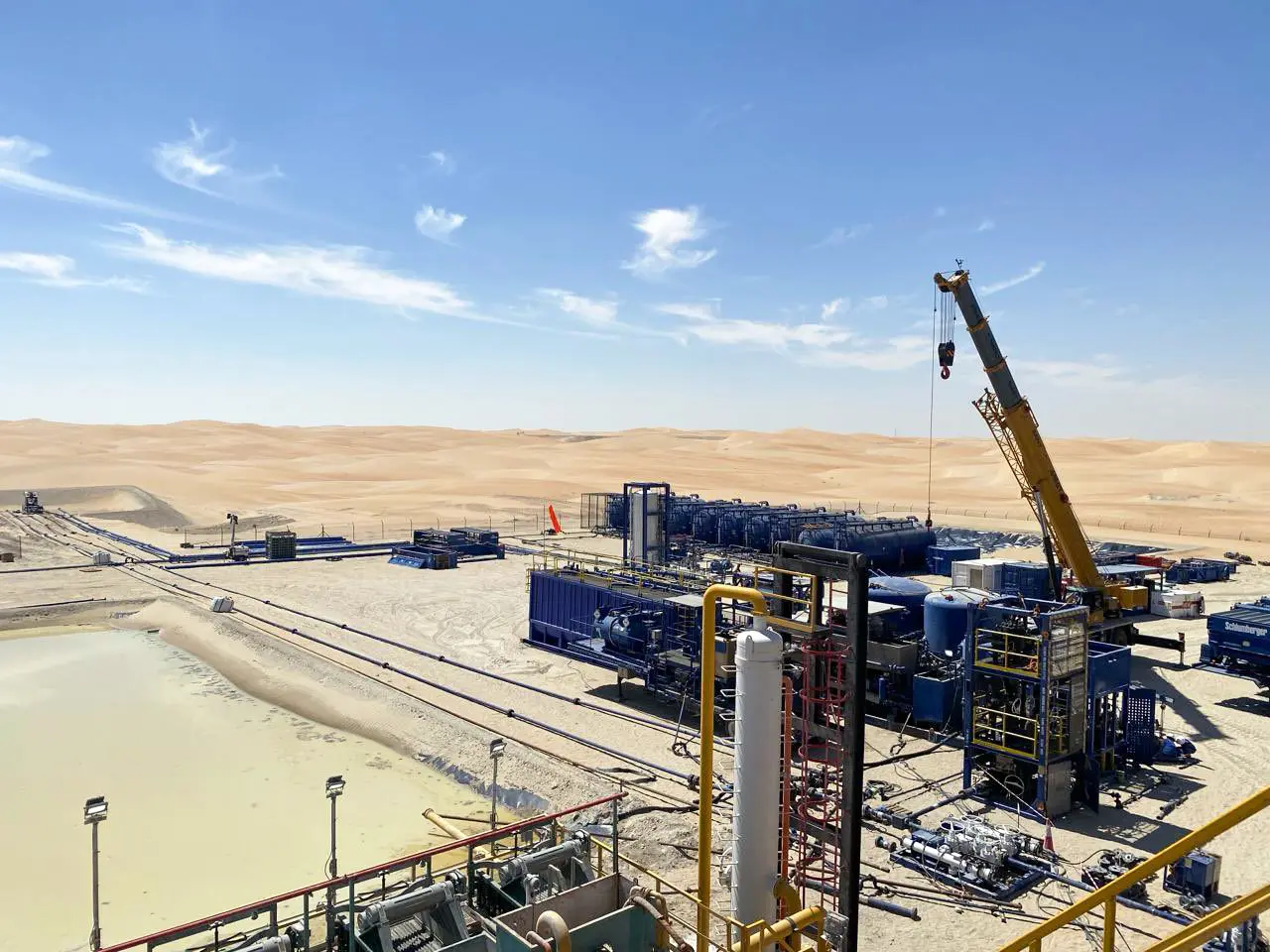
India will continue buying Russian oil regardless of US waiver lapse, says senior official

&imwidth=600&imheight=450&format=webp&quality=medium "India will continue buying Russian oil regardless of US waiver lapse, says senior official")
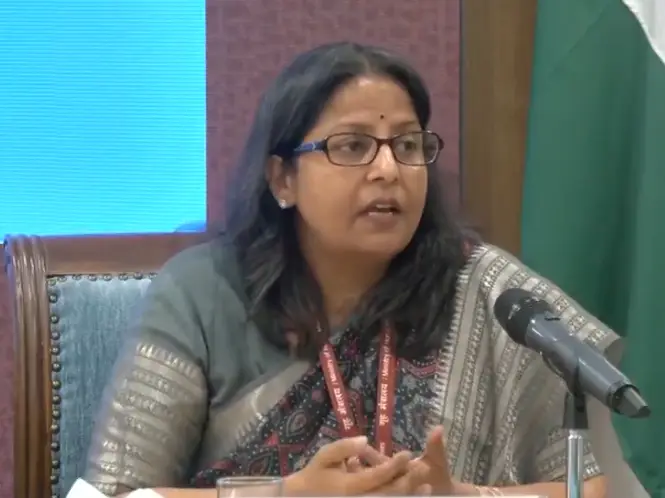
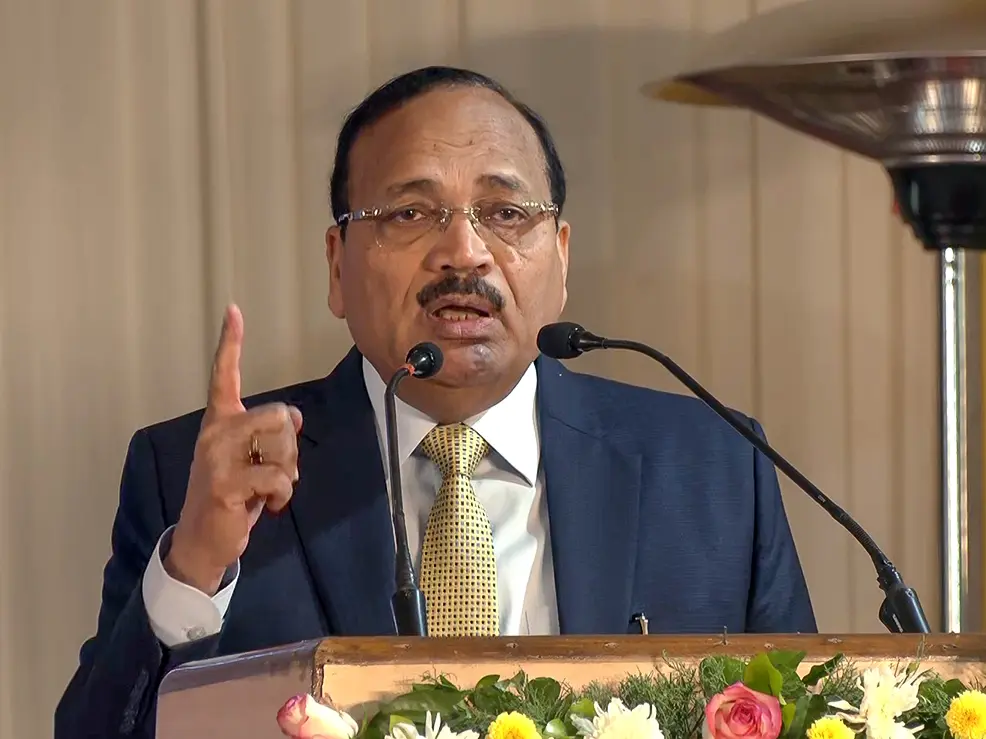
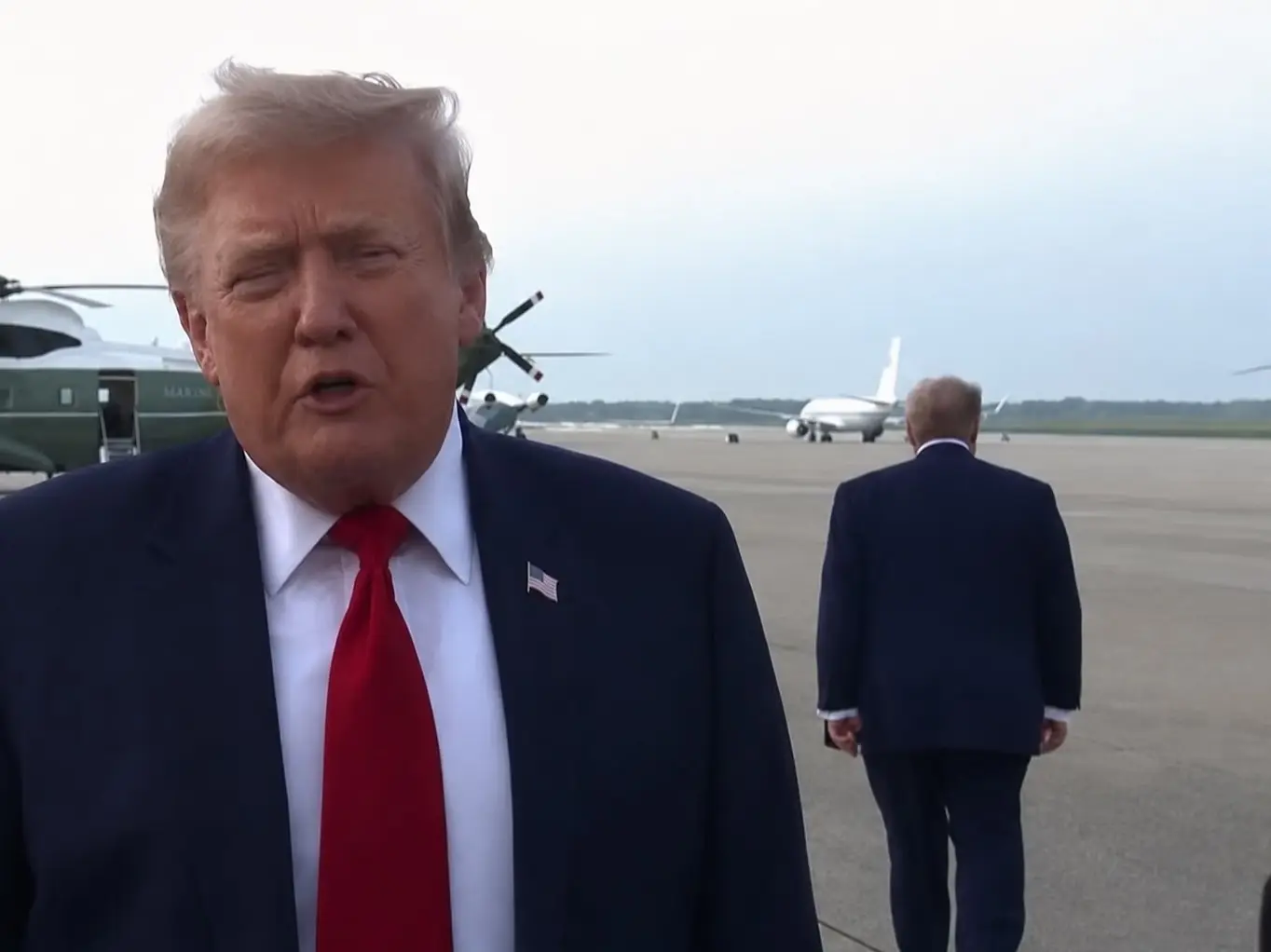
India will continue buying Russian oil regardless of US waiver lapse, says senior official Photograph: (Credit: ANI/screenshot)
India’s Russian oil imports will continue uninterrupted by the US waiver lapse. A senior petroleum ministry official confirms robust supply chains are secure.
India will continue purchasing Russian crude oil irrespective of the status of American sanctions waivers, Sujata Sharma, Joint Secretary (Marketing & Oil Refinery) at the Ministry of Petroleum & Natural Gas, declared on Monday (May 18), reaffirming that energy security and commercial pragmatism remain the cornerstones of New Delhi's oil import strategy. The statement follows the Trump administration's decision to allow a key sanctions waiver tied to Russian seaborne oil to lapse over the weekend. This development had triggered concern in global energy markets. "Regarding the American waiver on Russia, I would like to emphasise that we have been purchasing from Russia before the waiver, also during the waiver, and now also. It is basically the commercial sense which should be there for us to purchase," Sharma said, making clear that India's buying decisions are guided entirely by market dynamics and supply security, not geopolitical pressure.
Sharma also reassured that India's fuel supply remains stable and well secured despite global uncertainties and tensions affecting shipping routes. "There is no shortage of crude. Enough crude has been tied up repeatedly... whatever waiver or no waiver, it will not affect our supplies," she said.
The remarks carry significant weight given the backdrop of a severe energy crisis gripping global markets. Brent crude was trading higher at $110.28 per barrel, while US West Texas Intermediate (WTI) rose to $106.32 per barrel, as tensions in West Asia and concerns over disruptions in the Strait of Hormuz continue to keep oil prices elevated.
Russian crude has transformed into a cornerstone of India's diversified oil import matrix in recent years, primarily because it is frequently secured at competitive discounted rates relative to other global benchmarks. Officials indicated that India will continue to prioritise cost-effectiveness and supply stability in its energy strategy going forward, regardless of shifts in the Western regulatory landscape.
Trending Stories
)
)
&im=FitAndFill=(700,400))
)
)
)
)
)
)
)
)
)
&im=FitAndFill=(700,400))
&im=FitAndFill=(700,400))
)
)
)
&im=FitAndFill=(700,400))
&im=FitAndFill=(700,400))
)
&im=FitAndFill=(700,400))
)
)
)
&im=FitAndFill=(700,400))
)
)
)