How Mali descended from relative stability into a prolonged crisis. Here’s a timeline

&imwidth=600&imheight=450&format=webp&quality=medium "How Mali descended from relative stability into a prolonged crisis. Here’s a timeline")
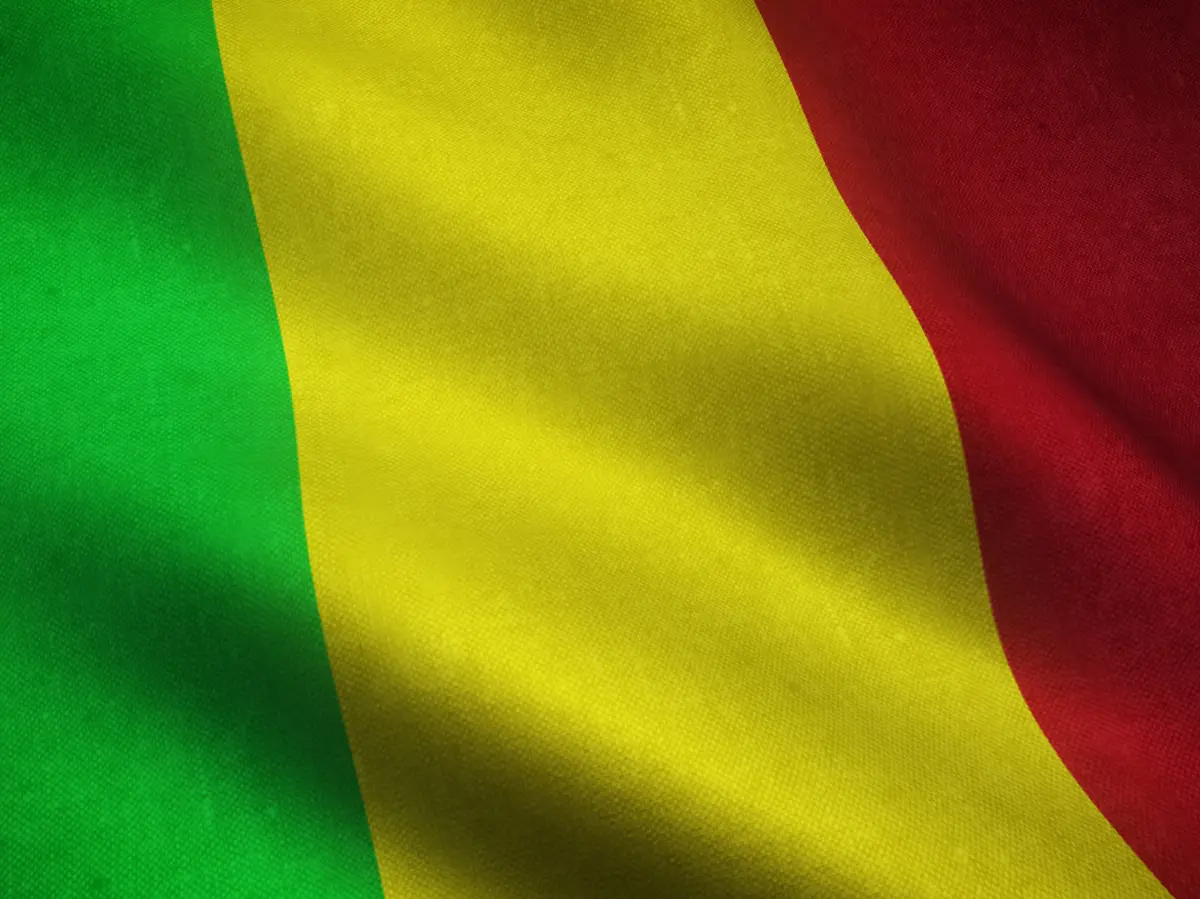
Mali's flag for representation Photograph: (Freepik)
Mali’s shift from a democratic model to crisis followed decades of coups, Tuareg rebellions, and rising extremism. Recent coordinated attacks by JNIM and rebels highlight the nation’s severe security collapse.
Mali’s fragile security situation has sharply deteriorated after rival armed groups formed alliances and launched coordinated attacks across the country. Al-Qaeda-linked Jama’at Nusrat al-Islam wal-Muslimin claimed responsibility for assaults that began on Saturday (April 25), targeting Kati near Bamako, the capital’s airport, and northern regions including Kidal, Mopti, Sevare and Gao. Tuareg rebels also said they took part in the attacks.
Defence Minister Sadio Camara was killed, highlighting the severity of the violence and exposing vulnerabilities in a country once regarded as a democratic model in West Africa.
Here is a timeline of how Mali descended from relative stability into a prolonged crisis:
1960: Independence and early challenges
Mali gained independence from France on September 22, 1960, with Modibo Keita becoming its first president. Keita pursued African socialist policies, including widespread nationalisation, but these failed to deliver strong economic results. Severe droughts further weakened the economy. In November 1968, Keita was overthrown in a military coup led by Lieutenant Moussa Traore.
Trending Stories
&im=FitAndFill=(700,400))
)
)
)
)
&im=FitAndFill=(700,400))
)
)
)
)
)
)
)
)
)
)
)
&im=FitAndFill=(700,400))
)
)
)
)
)
&im=FitAndFill=(700,400))
)
)
)
)
)
&im=FitAndFill=(700,400))
)
)
)
1968–1991: Years of military rule
Traore ruled Mali for more than two decades, establishing what the Africa Centre for Strategic Studies described as a highly repressive regime. According to the centre’s 2020 report, thousands of Malians were killed under his rule, while corruption spread and economic growth remained weak.
Mass protests led by students culminated in another coup in March 1991, led by Lieutenant Colonel Amadou Toumani Toure, which removed Traore from power. Traore was later convicted for the killing of protesters and eventually pardoned in 2002 by President Alpha Oumar Konare.
1992–2012: Democratic transition and relative stability
Following the 1991 coup, Toure oversaw a transition to civilian rule, including a new constitution and multiparty elections. In 1992, Konare was elected president and served two terms marked by steady economic growth and expanded civil liberties, according to the Africa Centre for Strategic Studies.
During this period, Mali gained international recognition as a democratic success story and became a founding member of the Community of Democracies in 2000. In 2002, Toure returned to power through elections, but his presidency saw growing corruption and economic decline, while unrest persisted in the north.
2012–2020: Coup and rising insecurity
In March 2012, Captain Amadou Haya Sanogo led a coup just weeks before scheduled elections, forcing Toure to resign. A transitional government was formed with Dioncounda Traore as interim president.
Amid the political turmoil, Tuareg separatists and allied fighters linked to al-Qaeda launched a rebellion and seized large parts of northern Mali. Regional leaders from the Economic Community of West African States proposed military intervention, but Sanogo resisted foreign troop deployment, requesting only logistical support.
The situation escalated when the armed group Ansar Dine displaced Tuareg rebels and captured key northern cities. This prompted French military intervention in early 2013 at the request of Mali’s government. Ansar Dine later merged with other groups to form JNIM, which continues to play a central role in the country’s ongoing conflict.

